Table of Contents >> Show >> Hide
- What Is a Homemade Baja Hotel, Really?
- Why the $75 Price Tag Matters
- The Design Language of Baja on a Budget
- Why Baja Is the Perfect Backdrop for This Idea
- How to Book the Homemade Baja Hotel Experience Without Getting Catfished by Aesthetics
- What You Give Up at $75 a Night
- Who This Kind of Stay Is Best For
- Why the Homemade Hotel Idea Still Feels Fresh
- The Real Luxury Here Is Editing
- Experience Section: A Long Weekend in the $75 Baja Dream
- Conclusion
- SEO Tags
There are two kinds of vacation fantasies. The first involves a glossy resort, a robe so fluffy it could qualify as emotional support, and a pool menu that casually charges $19 for guacamole. The second fantasy is more interesting: a place with soul, breeze, texture, and just enough polish to make you feel stylish without making your bank account file a missing-person report. This article is about the second fantasy.
The homemade Baja hotel is not really about being cheap for the sake of being cheap. It is about stripping hospitality down to the good parts: smart design, an easygoing atmosphere, walkable surroundings, natural materials, shared spaces that actually invite conversation, and rooms that feel more like an insider’s hideout than a corporate sleep pod. In a region often associated with splashy resorts and “sir, would you like another artisanal towel?” energy, the $75-a-night concept lands like a cold drink after a dusty drive.
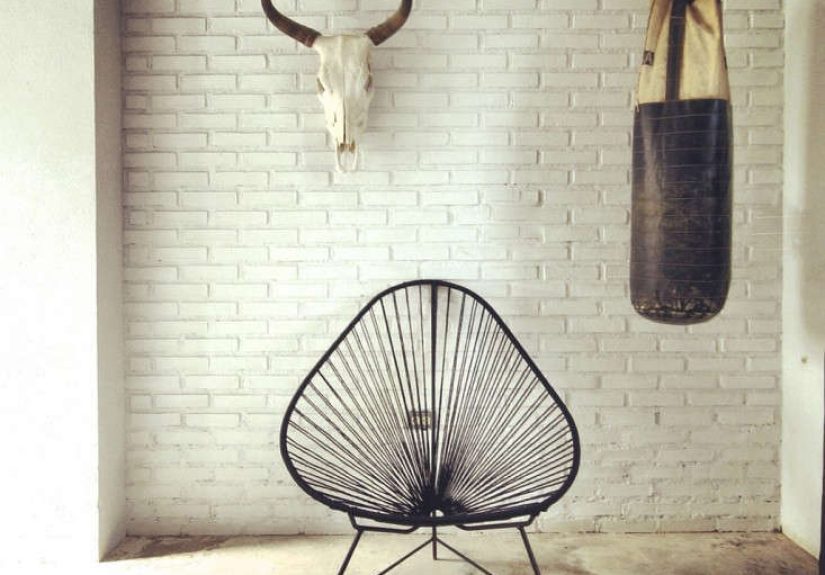
What makes it memorable is not luxury in the traditional sense. It is confidence. A place like this does not try to impress you with chandeliers, gold-plated faucets, or a lobby that smells like expensive lemons. Instead, it wins by being intentional. Concrete walls become part of the mood. Steel shelving becomes decor. A courtyard becomes the social engine. Suddenly, what looked “simple” starts feeling rich in all the ways that matter.
What Is a Homemade Baja Hotel, Really?
The phrase sounds a little contradictory, like “gourmet gas station” or “organized junk drawer.” But that tension is exactly why it works. A homemade Baja hotel is a low-key, design-forward stay that feels assembled by real people with taste, not by a committee armed with beige fabric swatches.
Instead of giving guests a generic “luxury” package, this kind of hotel offers an edited experience. The room may be basic, but it is basic in the best way. Think platform bed, raw wood desk, open shelving, good light, a clean bathroom, maybe a hammock, maybe a courtyard chair that makes you want to sit down with coffee and suddenly become the sort of person who journals.
This is the sweet spot between boutique hotel and private rental. It has the personality travelers crave and the simplicity they increasingly appreciate. It is not trying to be everything. It is trying to be enough. And in travel, “enough” is often the difference between a restorative escape and an overpriced headache wearing a spa bracelet.
Why the $75 Price Tag Matters
In Baja, especially around the Los Cabos orbit, price can escalate fast. It starts innocently: a nice room, an ocean view, maybe a charming terrace. Then come taxes, resort fees, transportation, beach-club spending, and one cocktail that apparently required a minor engineering degree to make. Suddenly your casual getaway costs the same as replacing an appliance.
That is why the $75-a-night edition matters. It represents an alternative travel philosophy. Spend less on the room so the destination can do more of the talking. Baja is already bringing the drama: desert light, salty air, surf culture, palm shadows, old-town streets, fish tacos, galleries, cacti, and sunsets that behave like they are being paid for the performance. The hotel does not need to compete with that. It just needs to frame it well.
Budget-minded travelers have become savvier, too. They no longer judge a stay only by the headline rate. They want the full value equation: location, total price, vibe, flexibility, walkability, coffee access, Wi-Fi reliability, and whether the photos suggest “minimalist charm” or “we removed all furniture and called it intentional.” A homemade hotel can win that equation when it keeps the nightly rate reasonable and the design experience memorable.
The Design Language of Baja on a Budget
1. Raw Materials Do the Heavy Lifting
One of the smartest moves in a design-led budget hotel is letting materials become the decoration. Concrete, steel, wood, and linen are not just cost-conscious choices; they are atmospheric choices. They wear well, they photograph beautifully, and they age with a little dignity. A scuffed brass fixture in a place like this looks charming. A chipped faux-marble laminate situation looks like a cry for help.
That is part of Baja’s visual magic. The landscape is rugged, sun-baked, and unbothered by perfection. A hotel that leans into that character feels native to the region. It looks grounded instead of imported.
2. Open Plans Feel Bigger Than They Are
Budget rooms rarely become spacious through square footage. They become spacious through restraint. Fewer walls, fewer bulky furnishings, more breathing room. A low bed, a floating shelf, and a well-placed light can do more than an overcrowded room stuffed with decorative nonsense. Nobody flies to Baja hoping for a majestic armoire.
Open-plan rooms also create a casual, indoor-outdoor feeling that suits the climate. They invite sunlight, air, and movement. In the best versions, the room feels like part shelter, part studio, part beach-house fantasy that got cleaned up for company.
3. Shared Spaces Become the Real Amenity
Here is where the homemade Baja hotel gets clever. It may not have a giant spa, a concierge desk, or six restaurants with mood lighting. What it can have is a courtyard that actually works. A fire pit. A communal kitchen. A plunge pool. A shaded bench. A place where strangers compare taco recommendations and accidentally improve each other’s itineraries.
Luxury resorts sell privacy. Handmade-feeling boutique stays often sell connection. Neither is wrong. But if you are traveling for atmosphere, the second one can be far more memorable. You may forget the thread count. You probably will not forget a warm night under string lights with a cold drink and a few new friends arguing about the best beach in town.
Why Baja Is the Perfect Backdrop for This Idea
Baja travel already carries a built-in contrast that makes homemade hotels feel especially right. There is glamour, yes, but there is also grit. Fancy pools coexist with surf shacks. Design hotels share a cultural zip code with fish markets, artist workshops, taco stands, and dusty back roads leading to something fabulous or at least very photogenic.
That blend is the secret sauce. Baja is one of those rare destinations where rough edges improve the experience. A little imperfection adds credibility. A courtyard wall with texture, a concrete sink, a hand-built bench, a door that slides open to hot morning lightthese details feel true to place. They tell you that you are somewhere specific, not merely somewhere expensive.
And while travelers often associate the region with full-service resorts, the broader lodging landscape is much wider than that. Budget hotels, guesthouses, hostels, apartment-style stays, and design-forward smaller properties all compete for attention. That makes Baja fertile ground for travelers who care as much about character as convenience.
How to Book the Homemade Baja Hotel Experience Without Getting Catfished by Aesthetics
Check the Total Price, Not the Teaser Rate
A room is not cheap because the first number looked friendly. It is cheap when the final number still respects you. Cleaning fees, service charges, resort fees, parking costs, and add-on taxes can turn a “budget” stay into a financial plot twist. Always compare the full total before congratulating yourself on your travel genius.
Prioritize Neighborhood Over Amenities
A simple room in a walkable, atmospheric neighborhood often beats a bigger room in a nowhere location. If you can walk to coffee, dinner, galleries, a plaza, or the beach route, the entire trip gets easier. You spend less on transport and more time actually enjoying the destination instead of negotiating with maps.
Look for Design Clues
Want that Baja boutique feeling? Study the photos like a detective with good taste. Look for natural materials, outdoor gathering areas, built-in furniture, local textiles, modest but thoughtful styling, and enough empty space to suggest confidence. When every surface is covered in signs, baskets, plastic orchids, and decorative anchors, back away slowly.
Read Reviews for Mood, Not Just Complaints
Every review section contains at least one person scandalized by a rooster, a church bell, or the existence of weather. Ignore drama. Look instead for repeated signals: clean rooms, comfortable beds, kind staff, safe area, easy walkability, good coffee nearby, peaceful courtyard, and honest photos. That is the good stuff.
What You Give Up at $75 a Night
Let us be adults for a moment. A budget design hotel is not a magic trick. At this price point, you may not get room service, a giant pool, beach butlers, premium toiletries, or a breakfast spread that includes seventeen forms of melon. Some rooms may be compact. Some bathrooms may be more “architectural” than plush. The hotel may expect a little independence from you, which is travel’s polite way of saying, “You are capable of finding tacos on your own.”
But what you give up in services, you often gain in atmosphere. And atmosphere matters. It shapes memory. Travelers do not come home raving about a hallway. They remember the small courtyard where they drank coffee barefoot. The hammock outside the room. The industrial sink that somehow looked cooler than their entire bathroom at home. The sense that they had found a place with personality instead of simply booking a room with a barcode.
Who This Kind of Stay Is Best For
The homemade Baja hotel is ideal for couples, solo travelers, creative types, casual surfers, remote workers, and anyone who likes their travel stylish but not showy. It especially suits people who plan to spend their days outside the room. If your vacation agenda involves beach hopping, wandering town, eating well, and returning to a beautiful, simple place to reset, this is your lane.
It is less ideal for travelers who want full-service everything, guaranteed silence, or the emotional reassurance of a giant branded lobby. And that is fine. Not every stay is for every traveler. The point is not universal appeal. The point is fit.
Why the Homemade Hotel Idea Still Feels Fresh
Ironically, the more polished modern hospitality becomes, the more appealing handmade places feel. Travelers are tired of overproduced sameness. They want texture. They want a sense of authorship. They want somewhere that looks like someone actually cared about the shape of the sink, the angle of the light, and the social life of the courtyard.
That is the deeper appeal of the DIY boutique hotel model. It proves that budget does not have to mean bland. It proves that modest hospitality can still be emotionally rich. It also proves that good taste is cheaper than excess, which is excellent news for travelers and mildly terrifying news for overpriced resorts everywhere.
The Real Luxury Here Is Editing
At its best, the homemade Baja hotel offers a lesson bigger than one property or one nightly rate. The lesson is this: luxury is not always addition. Sometimes it is subtraction. Remove the clutter, the performance, the fake grandeur, the unnecessary layers, and what remains can feel oddly generous. Space. Light. Calm. Character. A useful bed. A place to sit outside. A room that lets Baja be the star.
That is why this idea has staying power. It is humble without feeling cheap, stylish without feeling smug, and social without becoming chaotic. In a travel world that often confuses abundance with pleasure, the homemade Baja hotel quietly argues for something better: intention.
Experience Section: A Long Weekend in the $75 Baja Dream
You arrive in the late afternoon, slightly salty already, even if you have not made it to the water yet. The street outside is modest. No marble fountain. No dramatic bellman choreography. Just a low-key entrance and the thrilling suspicion that you may have booked something cooler than you can currently afford. That is one of the great joys of a homemade Baja hotel: it lets you feel like a genius before you have even found your room key.
The first thing you notice is the courtyard. It does not beg for attention, but it gets it anyway. A few chairs. Maybe a small pool. Maybe a fire pit. Maybe potted plants throwing lazy shadows across concrete. The whole place feels airy, calm, and lightly sun-drunk. If a major resort lobby is a drum solo, this is a jazz bass line.
Your room is simple, but not sad-simple. It is the kind of simple that makes you question why your house has so many unnecessary objects. There is a platform bed, crisp bedding, a sturdy stool, a wood plank doing noble work as a desk, and one excellent reading light. The materials feel honest. Nothing is pretending to be something else. The concrete looks like concrete. The wood looks like wood. The steel says, with admirable confidence, “Yes, I am steel. We can all move on.”
You drop your bag and do the thing every traveler does: walk around touching surfaces as though you are the first human to discover them. The sink is sculptural. The bathroom is minimal. The room is not oversized, but it breathes. It makes space for you by refusing to crowd you. That is an underrated talent.
Then you head out. This is where the economics of the place become part of the fun. Because you did not spend your entire budget on the room, dinner can be spontaneous. You can say yes to grilled fish, an extra cocktail, dessert, or one of those “we should split this” appetizers that nobody ever really shares. You walk through town, find a plaza, listen to conversation drift between tables, maybe duck into a gallery, maybe buy something small and handmade that will later make you feel cultured in your kitchen.
Back at the hotel, the courtyard has changed personalities. Morning’s coffee spot is now evening’s social lounge. Someone is reading. Someone else is giving beach advice. Somebody has somehow found mezcal. There is always one traveler who knows the best breakfast place and guards that information like state secrets until gently persuaded. This is the homemade hotel at its best: not loud, not pushy, just open enough for good things to happen.
The next morning, light slides into the room and does half the emotional labor of the vacation. You make coffee or go find it nearby. You sit outside. Nobody is rushing you off a pool chair with a branded towel card. Nobody is upselling a cabana package. The whole place feels like a reminder that travel does not need to be extravagant to be restorative.
By the time you leave, you realize the stay gave you more than a place to sleep. It gave you a rhythm. A little style, a little independence, a little community, and a strong case for spending money where it counts. Not on spectacle. On experience. Not on excess. On atmosphere. That is the true magic of the $75 Baja hotel: it feels homemade in the most flattering way possiblethoughtful, personal, and just imperfect enough to be unforgettable.
Conclusion
The Homemade Baja Hotel, $75 a Night Edition is more than a catchy phrase. It is a travel blueprint for people who want character over clutter, smart spending over flashy waste, and design that feels human instead of corporate. In Baja, where the landscape already brings cinematic beauty to the table, this kind of stay makes perfect sense. It offers the essentials, edits out the nonsense, and leaves room for the destination to shine.
For travelers, that means a better balance of style, value, and freedom. For hotel owners and hosts, it is a reminder that memorable hospitality does not have to be extravagant. It just has to be intentional. Give people light, texture, comfort, a place to gather, and a location that feels plugged into real life. Do that well, and suddenly $75 a night does not sound like a compromise. It sounds like a steal.