Table of Contents >> Show >> Hide
- What Is Cheesy Chili Mac, Exactly?
- Why This Dish Works So Well
- Fast or Slow: Which Version Should You Make?
- The Flavor Blueprint of Great Cheesy Chili Mac
- How to Make the Fast Version Taste Better Than “Fast” Sounds
- How to Make the Slow Version Worth the Wait
- Common Mistakes That Can Ruin Chili Mac
- Easy Variations to Keep It Interesting
- What to Serve with Cheesy Chili Mac
- Leftovers, Storage, and Reheating
- Why Fast or Slow Cheesy Chili Mac Earns a Spot in Your Rotation
- Experiences With Fast or Slow Cheesy Chili Mac
- Conclusion
- SEO Tags
Some dinners are elegant. Some are refined. And some arrive wearing sweatpants, carrying a giant spoon, and announcing that nobody is leaving the table hungry. Fast or Slow Cheesy Chili Mac belongs in that last category, proudly and without apology.
This dish is what happens when a hearty bowl of chili and a gooey skillet of mac and cheese decide they are better together. The result is rich, savory, cheesy, a little spicy, and exactly the kind of comfort food that makes a random Tuesday feel like game day. Better yet, it works two ways: you can make it fast on the stovetop when dinner needs to happen now, or take the slow route when you want the house to smell like you have your life together.
If you have ever stood in the kitchen debating whether you want chili, pasta, or something covered in melted cheese, this is your answer. Cheesy chili mac checks every box. It is filling without being fussy, family-friendly without being boring, and flexible enough to handle weeknight shortcuts or a slow-cooked weekend version. In other words, it is the culinary equivalent of a dependable friend who also brings snacks.
What Is Cheesy Chili Mac, Exactly?
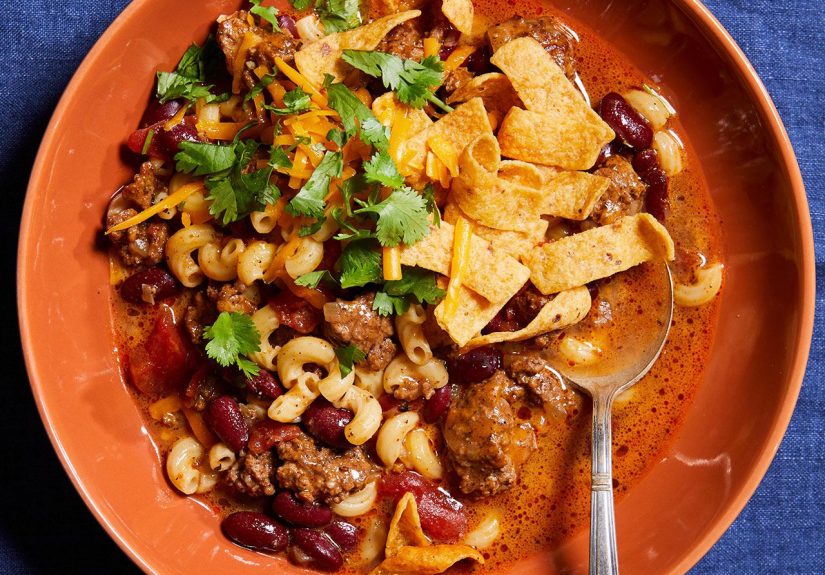
At its core, cheesy chili mac combines the bold, tomato-rich flavor of chili with tender pasta and melty cheese. Most versions start with a base of ground beef, onion, garlic, chili seasoning, tomatoes or tomato sauce, and beans. From there, pasta gets cooked either in the same pot or separately, then cheese is folded in until the whole thing turns glossy, creamy, and just messy enough to be exciting.
The beauty of chili mac is that it is not locked into one strict identity. Some versions lean more like a one-pot pasta. Others feel closer to a thick, cheesy chili casserole. Some go sharper and tangier with extra cheddar, while others bring in pepper jack, green chiles, or a Tex-Mex twist. The best versions, though, all hit the same sweet spot: savory meat, gentle heat, soft pasta, and enough cheese to make you forget your original dinner plan.
Why This Dish Works So Well
Cheesy chili mac succeeds because it layers familiar flavors in a smart way. Chili already brings depth from browned meat, aromatics, tomatoes, and spices. Mac and cheese adds starch, richness, and creamy comfort. Put them together, and you get contrast without conflict. The spices wake up the cheese. The cheese softens the spice. The pasta makes the chili feel heartier. The chili keeps the pasta from becoming bland wallpaper.
It is also an ideal texture dish. You get tender noodles, crumbles of beef, soft beans, and pockets of melted cheese in every bite. That combination feels generous and satisfying, which is why chili mac shows up again and again in family cooking, casual entertaining, and weeknight dinner rotations.
Fast or Slow: Which Version Should You Make?
The Fast Version
The fast version is your weeknight champion. It usually comes together in one pot or one deep skillet in about 30 minutes. You brown the meat, cook the onion and garlic, stir in tomatoes, broth, beans, and spices, then add the pasta directly to the pot. Once the noodles are tender, you stir in the cheese and call dinner done.
This approach is efficient, cozy, and blessedly low on cleanup. It is perfect for school nights, office-lunch leftovers, or evenings when you are too tired to pretend that chopping six garnish options is “fun.” Fast chili mac is not fancy, but it is deeply reliable.
The Slow Version
The slow version is better when you want a richer, deeper chili flavor and a more hands-off cooking window. In a typical slow-cooker method, you brown the meat first, then combine it with tomatoes, beans, broth, and seasonings in the cooker. The chili base simmers for hours, which gives the spices time to mellow and mingle. Pasta usually gets cooked separately and stirred in near the end so it stays tender instead of turning into a sad starch swamp.
Choose the slow route when you are feeding a crowd, planning a football-watch dinner, or just want the smug satisfaction of saying, “Oh this? It has been cooking all afternoon,” while secretly doing almost nothing.
The Flavor Blueprint of Great Cheesy Chili Mac
Most strong versions of this dish rely on the same building blocks, and each one matters:
- Ground beef: It gives the dish its hearty backbone. Ground turkey works too, but beef delivers the classic flavor.
- Onion and garlic: These create a savory base and keep the dish from tasting flat.
- Tomatoes: Tomato sauce, diced tomatoes, or fire-roasted tomatoes add body, acidity, and chili character.
- Beans: Kidney beans, chili beans, black beans, or pinto beans all fit. You can skip them if your household treats beans in chili like a political issue.
- Pasta: Elbow macaroni is the classic pick, but shells, rotini, or cavatappi can work.
- Cheese: Sharp cheddar is the standard. Pepper jack, Monterey Jack, or a Mexican blend can deepen the flavor and melt beautifully.
- Spices: Chili powder and cumin do the heavy lifting. Smoked paprika, oregano, or a pinch of cayenne can round things out.
The best cheesy chili mac balances all of these elements so none of them bully the others. Too much liquid, and it turns soupy. Too much cheese, and it can feel gluey. Too much spice, and you lose the comfort-food vibe. The goal is not chaos. The goal is a saucy, spoonable, cheese-draped middle ground.
How to Make the Fast Version Taste Better Than “Fast” Sounds
A speedy chili mac should still taste like a real dinner, not a panic button. Start by browning the beef properly instead of steaming it into gray regret. Let the onion soften fully, and give the garlic and spices a minute in the pan before adding liquids. That short extra step wakes up the seasoning and makes the whole dish taste more developed.
Next, watch your pasta. Since the noodles often cook right in the chili mixture, they absorb flavor and starch at the same time. That is great for body, but it also means they can tip from perfect to mushy with alarming speed. Stir enough to prevent sticking, but not so much that the pasta breaks down.
Finally, add the cheese off the heat or over low heat. Cheese that gets blasted with high heat can clump or separate. Cheese that melts gently turns silky. This is a dish built on kindness, not aggression.
How to Make the Slow Version Worth the Wait
The slow-cooker version shines when you treat the pasta as a finishing move, not a long-term resident. Cook the chili base low and slow, let the meat and spices develop, then stir in cooked pasta and cheese near the end. This preserves texture and keeps the sauce from becoming too thick or gummy.
It also helps to think of the slow method as flavor layering, not just convenience. Browning the beef first builds depth. Adding broth creates a smoother body. Using beans and tomatoes gives the dish a slow-simmered heartiness that feels more substantial than a quick shortcut version. When the cheese goes in at the end, it ties the whole pot together in one glorious, molten handshake.
Common Mistakes That Can Ruin Chili Mac
Overcooking the Pasta
This is the number one issue. Pasta should be tender, not collapsing in emotional exhaustion. If you are cooking it in the same pot, check early. If you are using a slow cooker, stir in cooked pasta close to serving time.
Using Pre-Shredded Cheese Only
Bagged shredded cheese is convenient, but it often contains anti-caking agents that can affect melt quality. Freshly grated cheese usually gives you a smoother sauce and fewer weird clumps.
Underseasoning the Base
Cheese can mute flavors a little, so the chili portion needs real personality. Taste before adding the final cheese and adjust salt, spice, or acidity as needed.
Going Too Heavy on Liquid
Remember that pasta absorbs liquid while cooking and as it sits. You want a saucy consistency, not tomato soup with noodles having an identity crisis.
Easy Variations to Keep It Interesting
One reason cheesy chili mac stays popular is that it adapts well. You can make it suit your mood, your pantry, or your very specific craving at 6:12 p.m.
- Spicier version: Add jalapeños, pepper jack, hot sauce, or chipotle.
- Milder family version: Use less chili powder, skip hot peppers, and lean on cheddar.
- Vegetarian version: Swap in extra beans, lentils, or plant-based crumbles.
- Tex-Mex version: Add green chiles, corn, cilantro, and a squeeze of lime.
- Baked version: Transfer it to a casserole dish, top with more cheese, and broil until bubbly.
You can also play with toppings. Sour cream, chopped cilantro, scallions, crushed tortilla chips, diced avocado, or even a little extra hot sauce can make each bowl feel customized without much effort.
What to Serve with Cheesy Chili Mac
Honestly, this dish can absolutely stand alone. It contains protein, carbs, cheese, and enough emotional support to get through a rough day. Still, if you want a fuller meal, pair it with something crisp or fresh to balance the richness.
A simple green salad works well. So does roasted broccoli, a crunchy slaw, or cornbread if you are fully leaning into the comfort-food agenda. If you are feeding a crowd, set out toppings buffet-style and let everyone build their own bowl. People love this. It gives dinner a tiny bit of party energy without requiring actual party-level effort.
Leftovers, Storage, and Reheating
Cheesy chili mac is one of those rare meals that often tastes even better the next day. The flavors settle in, the sauce thickens slightly, and lunch suddenly becomes something to look forward to. Store leftovers in an airtight container in the refrigerator and reheat gently with a splash of broth, milk, or water to loosen the texture.
If you plan to freeze it, do so when the dish is just slightly under its final ideal texture. Pasta softens a little over time, so giving it some room helps the reheated version stay satisfying rather than mushy. For meal prep, portioning it into individual containers is smart. It is the kind of lunch that makes coworkers suspicious that you are thriving.
Why Fast or Slow Cheesy Chili Mac Earns a Spot in Your Rotation
The biggest strength of this dish is not just flavor. It is flexibility. You can make it fast when time is short, or slow when you want depth and convenience. You can keep it mild for kids, spice it up for adults, bulk it out for a crowd, or stash leftovers for later. It is forgiving, filling, and adaptable without losing its identity.
And perhaps that is why cheesy chili mac keeps surviving food trends. It is not trying to be delicate, photogenic, or impossibly pure. It just wants to be delicious, practical, and cheesy enough to make people happy. In a world of overcomplicated dinners, that is a noble mission.
Experiences With Fast or Slow Cheesy Chili Mac
I have always thought of cheesy chili mac as one of those meals that behaves differently depending on the kind of day you are having. On a chaotic weeknight, the fast version feels like a rescue plan. You brown the meat, stir in the spices, add the pasta, melt the cheese, and suddenly the kitchen smells like you meant to be this organized all along. It is the kind of meal that can pull off a small miracle: everybody sits down quickly, nobody asks what else there is, and the silence at the table means dinner is working.
The slow version creates a totally different experience. It starts earlier and feels calmer. You brown the beef, toss everything into the slow cooker, and walk away while the house gradually turns into a comfort-food advertisement. By late afternoon, the aroma has done half the hosting for you. Even before anyone takes a bite, the meal feels generous. It tells people they are about to be fed something warm, hearty, and very much not sad.
What makes the dish especially memorable is how personal it becomes from kitchen to kitchen. Some people want more beans. Some want none at all. Some like it smoky, some want extra jalapeño heat, and some think the ideal bowl includes enough cheddar to qualify as engineering. I have seen it topped with scallions, cilantro, crushed chips, sour cream, and hot sauce, and every person at the table acts like their version is the definitive masterpiece. That is part of the fun. Chili mac invites opinions, and somehow that makes it even more communal.
It is also one of those rare meals that works for wildly different moods. Need comfort on a cold night? Chili mac. Feeding hungry friends during a game? Chili mac. Want leftovers that do not feel like a punishment? Chili mac again. Even its imperfections are charming. It is not glamorous, and it does not try to be. A bowl of cheesy chili mac does not care about elegant plating. It cares about being hot, savory, and satisfying enough to earn a second scoop.
My favorite moments with dishes like this are usually the ordinary ones. A rainy evening. A too-busy Wednesday. A Sunday when nobody wants to leave the couch. Fast or slow, cheesy chili mac fits into those spaces beautifully. It is dependable without being dull and indulgent without requiring a holiday excuse. That balance is probably why it sticks around. People do not just remember how it tastes; they remember when they ate it, who asked for seconds, and how the kitchen smelled while the cheese melted into the pot. For a humble pasta-and-chili mash-up, that is a pretty impressive legacy.
Conclusion
Fast or Slow Cheesy Chili Mac is the kind of comfort food that earns its place the old-fashioned way: by being delicious, adaptable, and easy to crave again tomorrow. The fast version gets dinner on the table quickly without tasting rushed, while the slow version builds a deeper, cozier flavor that feels made for weekends and gatherings. Either way, you end up with a bowl full of savory beef, tender pasta, rich tomato flavor, and melty cheese that understands the assignment.
If you want a dependable meal that bridges weeknight practicality and weekend comfort, this is it. Not every dinner has to be elegant. Sometimes it just has to be warm, cheesy, and capable of making everybody oddly protective of the leftovers.