Table of Contents >> Show >> Hide
- What Exactly Are “Mental Health Memes”?
- The Science Behind Laughing at Your Own Brain
- Would a Therapist Actually Laugh at These Memes?
- Types of Mental Health Memes You’ll Recognize Immediately
- When Mental Health Memes Helpand When They Don’t
- How to Enjoy Mental Health Memes in a Healthy Way
- Extra Deep Dive: Real-Life Experiences with Mental Health Memes
- Final Thoughts: Laugh, Share, and Still Take Yourself Seriously
If you’ve ever sent a “lol I’m fine” meme to your friend when you were absolutely not fine,
congratulations: you’ve already participated in one of the internet’s favorite coping mechanisms.
“Mental health memes” have become a whole subgenre of online humor, turning anxiety, burnout,
depression, and therapy into something we can actually laugh about for a second. And yes, many
therapists quietly admit they laugh at them tooright after checking in on whether you’re actually okay.
In this article, we’ll unpack why mental health memes are so relatable, what the science says about
humor and well-being, how therapists really feel about meme culture, and how to use these jokes in a
way that lifts you up instead of dragging you down. Think of this as the long-form version of a Bored
Panda list: less scrolling, more “oh wow, that explains why that meme hit so hard.”
What Exactly Are “Mental Health Memes”?
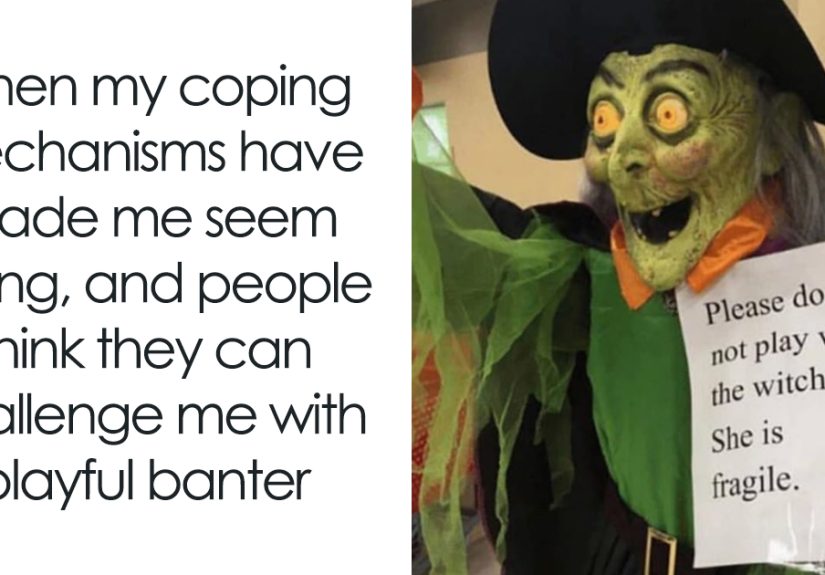
Mental health memes are short, usually funny pieces of internet contentimages, GIFs, screenshots,
or text poststhat joke about anxiety, depression, ADHD, burnout, therapy, or just the general chaos
of being a human in 2025. They often exaggerate, use dark humor, and lean on that very specific
“I’m laughing but also slightly concerned about myself” energy.
Instead of the polished “living my best life” posts that can dominate social media, these memes lean
into the messy stuff: staring at the ceiling at 3 a.m., overthinking one text for three days, or
answering “no worries!” when in fact there were many worries. They poke fun at experiences that are
usually hidden, which is why they feel both hilarious and uncomfortably accurate.
Why They Feel So Uncannily Relatable
When you see a meme describing your exact flavor of Sunday-night dread, something important happens:
you realize you’re not the only one. Research on memes and psychological well-being suggests that
people experiencing symptoms of anxiety or depression often rate mental health memes as more relatable
and more likely to improve their mood than non-mental-health content. That sense of “oh good, it’s not
just me” can be surprisingly powerful.
Instead of feeling broken or alone, you’re suddenly part of a big, slightly unhinged group chat called
“Everyone Else’s Brain Is Doing This Too, Right?” The humor doesn’t magically fix problems, but it can
chip away at shame, which is often what keeps people from talking about their struggles in the first place.
The Science Behind Laughing at Your Own Brain
Mental health memes might feel like “just jokes,” but there’s a growing body of research showing that
humor has real benefits for the brain and body. Medical and psychological sources note that laughter
can reduce stress hormones like cortisol and adrenaline, trigger the release of endorphins, and promote
relaxation in the muscles and nervous system. Over time, humor can help people cope with stress and
strengthen resilience.
Studies on humor as a coping strategy suggest that people who use light, affiliative humor (the “we’re
all in this together” style) tend to report better well-being and fewer symptoms of anxiety and
depression than those who rely solely on self-defeating humor. Memes that say, “Wow, my anxiety is
ridiculous, but at least we’re laughing about it together” fit into that more adaptive category. They
frame difficult emotions in a way that’s playful instead of purely hopeless.
Do Memes Actually Help Mental Health?
Early research that specifically looks at mental health memes suggests that for many peopleespecially
those already dealing with mental health challengesthese memes can feel validating and mood-lifting.
In some studies, depressed individuals evaluated depression-related memes as more humorous and more
relatable than control content, and they reported that such memes made them feel more understood and
less alone.
Other analyses of meme-sharing culture highlight that people with lower psychological well-being often
share mental health memes as a way to distract themselves from problems, release tension, and connect
with others who “get it.” In other words, the meme itself is not “treatment,” but it can be a clever,
bite-sized coping toolespecially when it leads to real conversations or encourages someone to seek
help.
Would a Therapist Actually Laugh at These Memes?
Short answer: many would, yes. Longer answer: they’re probably laughing and assessing at the same time.
Therapists are human; they scroll Instagram and Bored Panda like the rest of us. Many mental health
professionals use humor in therapy sessions to build rapport, lighten heavy topics, and help clients
see their struggles from a slightly more flexible perspective.
Recent work on humor in psychotherapy points out that, when used thoughtfully, humor can enhance trust,
improve emotional connection, and make it easier to talk about painful topics. A well-timed joke can
shift a client from “I am my diagnosis” to “Okay, my brain does some wild stuff, but maybe I’m allowed
to be kind to myself while we work on it.”
So if your therapist sees a meme that says, “Going to therapy: 10% talking, 90% saying ‘I don’t know
how to answer that’ while staring at the floor,” there’s a decent chance they’re laughing because
they’ve witnessed that exact moment hundreds of times. They might even use memes as conversation
starters: “You sent me that meme about burnoutlet’s talk about which part of it felt most like you.”
Where Therapists Draw the Line
Of course, therapists also worry when humor crosses into territory that minimizes serious risk. Memes
that glamorize self-harm, normalize giving up, or treat constant emotional pain as quirky personality
traits can be concerning, especially if they’re the only way someone is expressing their distress.
Mental health professionals generally don’t want to police your For You page, but they do want you to
notice how memes make you feel. If you close the app feeling hopeless, numb, or more stuck than before,
that’s a sign your feed may be feeding the wrong wolf. Humor should leave a little more air in the
room, not seal all the windows shut.
Types of Mental Health Memes You’ll Recognize Immediately
If Bored Panda were to compile “30 ‘Mental Health Memes’ That Even Your Therapist Might Find Funny,” a
few categories would absolutely show up. You’ve probably seen all of these in the wild:
1. Anxiety Overthinking Memes
These are the jokes about replaying a three-second interaction for six days straight, or mentally
rehearsing all 83 possible ways a conversation might go before you send one text. They’re funny because
they capture how anxiety turns small events into epic sagas. They also assure you that yes, other people
are also wide awake reviewing their “we should grab coffee sometime” comment from 2019.
2. Depression Low-Energy Memes
Think of the memes where taking a shower is portrayed as a full Olympic event or where the character
is lying in bed saying, “I did one task today. That’s my capacity.” These memes highlight how even
simple daily activities can feel exhausting when you’re depressed. The gentle joke is that we’re
cheering each other on for doing dishes like they’re a boss battleand sometimes, they are.
3. Therapy and Self-Awareness Memes
These memes lovingly roast the therapy process: joking about paying someone to ask you how you feel,
realizing halfway through a session that the “problem” might actually be you, or discovering your
“type” in relationships is “emotionally unavailable with a mysterious backstory.” They normalize the
awkwardness of therapy and remind you that feeling vulnerable in a therapist’s office is extremely
common.
4. ADHD, Burnout, and Executive Dysfunction Memes
You’ll see memes about having 47 tabs open, starting five tasks at once and finishing none, or trying
to reply to an email for three weeks. These memes often mix humor with a touch of frustrationthey show
how hard it can be to function in a world designed for perfectly focused robots when your brain is more
chaotic and creative.
5. Self-Care and “Bare Minimum” Memes
Then there are the memes that celebrate microscopic wins: drinking one glass of water, changing your
sheets, going outside for five minutes. These posts are funny because they over-dramatize tiny acts of
self-carebut they also subtly encourage them. Sometimes the meme that says “I put on real pants today;
please clap” is exactly the nudge someone needs.
When Mental Health Memes Helpand When They Don’t
Like almost everything on the internet, mental health memes exist on a spectrum. At their best, they:
- Lower shame by showing you’re not alone.
- Give language to feelings that are hard to describe.
- Offer a quick mood boost or a sense of connection.
- Encourage people to talk more openly about mental health.
However, they can also become a problem when:
- They’re your only way of talking about your pain.
- You use them to dismiss or minimize serious symptoms.
- They encourage you to accept suffering as permanent and unchangeable.
- They cross into glorifying self-destructive behavior.
A good rule of thumb: if a meme makes you feel seen, lighter, or more connected, it’s probably serving
a healthy purpose. If it leaves you more hopeless, more numb, or more stuck, it might be time to
curate your feed or talk to a professional about what’s really going on underneath the jokes.
How to Enjoy Mental Health Memes in a Healthy Way
You don’t need to give up your favorite chaotic meme pages to protect your mental health. But you can
engage with them more intentionally. Here are a few therapist-approved guidelines:
1. Treat Memes as a Conversation Starter, Not the Conversation Itself
If a meme hits a little too close to home, use it as a way in. Send it to a trusted friend with,
“Honestly though, this is me lately,” or bring it up in therapy: “I keep relating to all these burnout
memesmaybe we should talk about that.” The meme opens the door; the real talk walks through it.
2. Notice Your Emotional Aftertaste
After scrolling through mental health memes for a while, pause and check in: do you feel lighter or
heavier? More understood, or more hopeless? Your answer is feedback about whether your current online
environment supports your well-being or quietly undercuts it. If your mood reliably drops, it’s okay
to mute, unfollow, or take a break.
3. Balance Dark Humor with Genuine Care
Dark humor can be a legitimate coping tool, especially for people who have lived through serious
struggles. But it works best when it’s paired with genuine carethings like rest, boundaries, social
support, and, when needed, professional help. Laugh at the meme, sure. Also drink some water, take the
meds your doctor prescribed, and answer that text from your therapist.
4. Remember That Memes Are Not Diagnosis Tools
It’s easy to scroll through a list of “relatable ADHD memes” and decide you must have ADHD, or to see a
post about high-functioning depression and instantly self-diagnose. While memes can spark helpful
curiosity, they’re not clinical assessments. If you recognize yourself over and over in specific
meme themes, that might be a sign to talk with a mental health professional, not to build your entire
understanding of yourself around a caption.
Extra Deep Dive: Real-Life Experiences with Mental Health Memes
To really understand why “30 ‘Mental Health Memes’ That Even Your Therapist Might Find Funny” could
resonate with so many people, it helps to look at how memes show up in everyday life. Here are a few
common scenariosbased on real patterns people describethat show the complicated but often helpful
role memes play.
In Group Chats: “We’re Laughing, But We’re Also Checking In”
Imagine a friend group that’s constantly trading memes about burnout, anxiety, and dealing with
work-from-home fatigue. At first glance, it just looks like jokes: screenshots about answering emails
from bed, or memes about having one productive hour followed by six hours of mental fog. But underneath
the humor, something important is happeningthey’re silently acknowledging, “We’re all struggling a bit.”
Over time, those jokes often evolve into real conversations. Someone replies, “No, but actually, I’m
really tired,” or “I laughed at this, but I’ve been feeling pretty low lately.” The meme acts like a
social safety net: it gives people permission to be honest without having to start the conversation
from scratch. That’s one reason these meme roundups feel comfortingthey mirror the group chat energy
of “same, bestie” that makes hard feelings easier to share.
In Therapy Sessions: Memes as a Shared Language
More and more therapists report that clients will pull out their phones in session and say, “This meme
is literally my brain.” Instead of trying to describe a vague feeling for ten minutes, a client can
show a therapist a screenshot that captures the exact mix of exhaustion, worry, and self-deprecation
they’re living with.
A meme about “masking” in social situations, for example, can lead to a deeper discussion about
neurodivergence, identity, and emotional labor. A meme about procrastinating because a task feels
overwhelming can open a conversation about executive dysfunction, perfectionism, or trauma responses.
Used this way, memes become visual metaphors that bridge the gap between lived experience and clinical
language.
For People Who Aren’t Ready to Say “I’m Not Okay” Yet
For some people, engaging with mental health memes is a first step toward acknowledging that something
is wrong. They might not be ready to text a friend and say, “I’m struggling,” or to book a therapist.
But they can quietly like, share, or save memes that reflect their inner world. Those saved posts can
become a kind of emotional diaryevidence that what they’re going through is real, and that other
people have walked the same road.
Later, when they do feel ready to talk, those memes can become a starting point. “You know those posts
about not having energy for anything? That’s been me for months.” In that sense, even the act of
scrolling and softly laughing can be part of building awareness and language for future help-seeking.
The Flip Side: When Memes Become a Mask
It’s also true that memes can become a shield. Someone might flood their feed with jokes about
insomnia, panic attacks, or feeling numb, but never say out loud, “I need support.” Friends may assume
the person is “fine, just sarcastic,” especially if everyone around them is using the same humor.
That’s why it’s important to pay attention not just to what people post, but to what happens between
the posts. If someone is constantly sharing very dark content, withdrawing in real life, or sounding
more hopeless than usual, it’s worth checking in directly: “I love your memes, but I’m also wondering
how you’re really doing.” Sometimes the bravest thing isn’t to send another joke; it’s to ask a real
question.
Final Thoughts: Laugh, Share, and Still Take Yourself Seriously
Mental health memes are like emotional snack food: they won’t replace a full meal of support, rest, and
carebut they can absolutely make the day more bearable. A list like “30 ‘Mental Health Memes’ That
Even Your Therapist Might Find Funny” works because it blends honesty and absurdity. It lets you laugh
at the parts of your mind that feel overwhelming, without pretending those parts don’t exist.
So go ahead and keep scrolling, sharing, and screenshotting the memes that make you feel seen. Just let
them be a bridge, not a destination. Laugh when you can, cry when you need to, and remember: the fact
that you can joke about your mental health doesn’t mean you don’t deserve serious, compassionate care
too.