Table of Contents >> Show >> Hide
- What Is a Joy Spiral Recipe Journal?
- Why Spiral-Bound Beats “Random Paper Everywhere”
- The “Joy Spiral” Method: Turn Cooking Into a Feedback Loop You’ll Actually Use
- How to Set Up Your Joy Spiral Recipe Journal in One Short Session
- Example: A Journal Entry That Future-You Can Actually Cook
- Make It More Than a Cookbook: Lists That Save Your Week
- Keeping Your Recipe Journal Kitchen-Proof
- Sharing the Joy: Turning a Journal into a Family Keepsake
- Analog + Digital: A Hybrid System That Actually Sticks
- Common Mistakes (and How to Avoid Them Without Becoming a Robot)
- Conclusion: Your Joy Spiral Recipe Journal Is a Recipe Organizer With Heart
- Experiences That Make a Joy Spiral Recipe Journal Feel Worth It
- SEO Tags
If your “recipe collection” is currently a chaotic blend of screenshot folders, sauce-stained printouts, and 37 browser tabs titled
“Best Crispy Chicken Thighs (FINAL) (2)”, welcome. You are among friends. The modern internet is a glorious recipe buffetyet somehow,
at 5:42 p.m. on a Tuesday, it still feels like you have “nothing to cook.”
A Joy Spiral Recipe Journal is a simple fix with an underrated superpower: it turns your best meals into a system you can actually
use. It’s part recipe organizer, part kitchen scrapbook, part “future me will thank present me” plan. And yesbecause it’s spiral-boundit lays
flat like it’s ready to work a shift on your countertop.
What Is a Joy Spiral Recipe Journal?
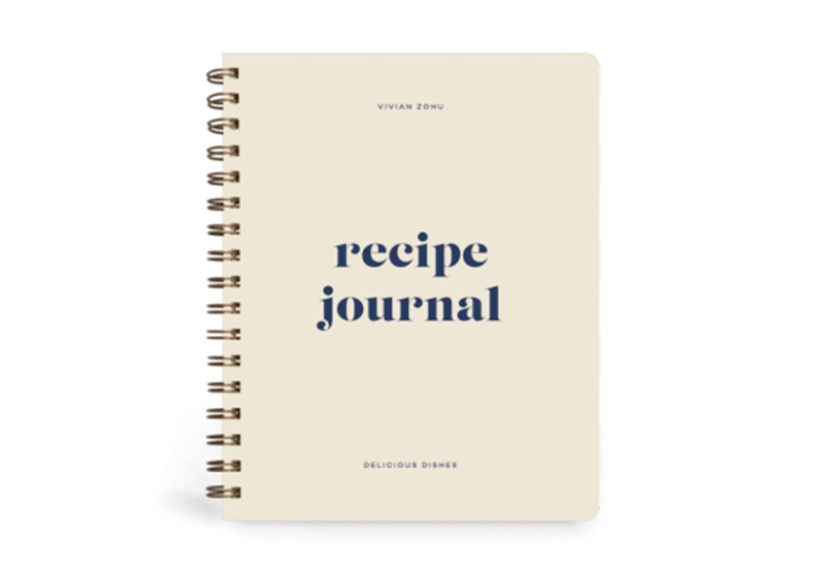
The Joy Spiral Recipe Journal (popularly sold as a spiral softback recipe journal) is designed to help you write, organize, and keep
the recipes you truly loveyour keepers, your family classics, your “I nailed it” experiments, and your “I replaced butter with… okay never mind”
lessons learned.
What makes it different from a random notebook is the built-in structure. Most versions of this journal format include:
sections for meal types (like breakfast, lunch, dinner, and treats),
space to record ratings, dietary notes, and tips,
plus a quick-reference area for measurements and conversions and list pages for favorites (stores, restaurants, places to try).
In other words: it’s a recipe journal that assumes you’re a real human who sometimes forgets whether “tsp” was teaspoons or “tiny spoon panic.”
Why Spiral-Bound Beats “Random Paper Everywhere”
A spiral recipe book is wonderfully practical. It opens flat, stays put, and makes it easy to write while you cookbecause you shouldn’t have to
pin a flopping notebook page down with your elbow while whisking with the other hand like you’re auditioning for a kitchen circus.
Recipe Journal vs. Recipe Binder vs. Digital App
- Recipe journal (spiral-bound): Best for a curated collection of favorites, handwritten notes, and a cozy “kitchen keepsake” vibe.
- Recipe binder (3-ring): Best if you want to add/remove pages constantly, use sheet protectors, and keep lots of clippings.
- Digital recipe organizer: Best for collecting online recipes fast, searching instantly, and avoiding paper altogether.
The secret is you don’t have to pick just one. Many home cooks save recipes digitally, then “graduate” the winners into a physical recipe journal.
Your Joy Spiral Recipe Journal becomes the hall of famenot the entire internet.
The “Joy Spiral” Method: Turn Cooking Into a Feedback Loop You’ll Actually Use
The word joy isn’t just branding; it’s a strategy. The “spiral” part isn’t only the bindingit’s the way your cooking improves
when you keep a simple loop: cook → note → tweak → repeat → love it more.
Step 1: Capture the Recipe (Without Writing a Novel)
When you add a recipe, don’t aim for perfection. Aim for repeatability. Your future self needs clear steps, not poetic suspense.
Include:
- Recipe name (use a name you’ll remember, not “That Pasta Thing”)
- Source (grandma, neighbor, cookbook title, website nameno link needed)
- Servings and timing (prep/cook/total if you know it)
- Ingredients with exact amounts
- Method in short, numbered steps
Step 2: Cook It Once Exactly as Written
This is your “baseline test.” If you tweak three things the first time, you’ll never know what actually made it betteror what made it taste like
a confused candle. Cook it straight once (unless it’s clearly wrong, in which case, trust your instincts and your smoke detector).
Step 3: Rate It Like a Human, Not a Food Critic
Your rating system should be simple enough to use on a busy weeknight. Try something like:
- 5/5: Make again ASAP. Might text friends about it.
- 4/5: Great, minor tweaks next time.
- 3/5: Fine, but not worth the effort often.
- 2/5: Meh. Only if stranded on a desert island with paprika.
- 1/5: A learning experience. We move on.
Step 4: Add the “Why It Worked” Notes
The best part of a recipe organizer is the margin magicthose little notes that make the second attempt better than the first.
Write what you’ll actually want to remember:
- Heat level: “Medium-high” on my stove = “almost volcanic.”
- Substitutions: “Greek yogurt worked instead of sour cream.”
- Texture cues: “Sauce thickens after 3 minutes of simmering.”
- Serving ideas: “Best with rice + quick cucumber salad.”
- Make-ahead notes: “Tastes better the next day. Magic.”
Step 5: Circle Back and Upgrade the Recipe
This is the actual “joy spiral.” When you revisit a recipe you already liked, you’re not starting from scratchyou’re building on your own data.
Over time, your journal becomes a personalized cookbook where every recipe has been tested by the one person you’re cooking for most: you.
How to Set Up Your Joy Spiral Recipe Journal in One Short Session
1) Create a Quick Index (Even If the Journal Doesn’t Require It)
Spiral journals usually aren’t rearrangeable like binders, so an index saves you. Reserve the first 2–4 pages (or the inside cover) as a simple
directory: recipe name + page number. You’ll thank yourself the next time you crave “that lemon chicken” and your brain only offers “yellow.”
2) Decide Your Categories (and Keep Them Broad)
Meal-type sections (breakfast/lunch/dinner/treats) are a great start. Within each, you can add mini labels using sticky tabs:
“Weeknight,” “Holiday,” “Freezer-Friendly,” “Potluck,” or “High-Protein” if that’s your thing.
3) Pick Your “Standard Measurements” Language
Consistency prevents chaos. Choose one format and stick to it:
tbsp/tsp, °F, cups/ounces, and a single way to write ingredient notes (like “packed brown sugar” or “finely chopped”).
Many recipe journals include a conversion sectionuse it, especially when scaling.
Example: A Journal Entry That Future-You Can Actually Cook
Weeknight Lemon-Garlic Chicken (Journal-Style)
Rating: 4.5/5 | Serves: 4 | Total: ~35 minutes
Dietary notes: Gluten-free if served with rice/potatoes
Ingredients
- 1.5 lb chicken thighs
- 1 tbsp olive oil
- 4 cloves garlic, minced
- 1 lemon (zest + juice)
- 1 tsp kosher salt
- 1/2 tsp black pepper
- 1 tsp dried oregano
- 1/2 cup chicken broth
Method
- Pat chicken dry. Season with salt, pepper, oregano, and lemon zest.
- Sear in oil (medium-high) until browned, ~4–5 min per side.
- Add garlic for 30 seconds. Add broth + lemon juice. Simmer covered 12–15 min.
- Uncover to reduce sauce 3–5 min. Spoon sauce over chicken.
Hints & Tips
- My stove runs hotuse medium, not medium-high, after searing.
- Double the sauce next time; it’s great on rice.
- Add spinach at the end for an easy “green thing.”
Make It More Than a Cookbook: Lists That Save Your Week
Many recipe journals include extra pages for lists. Use them shamelessly. This is where the Joy Spiral Recipe Journal quietly becomes your
kitchen command center.
Useful Lists to Keep in the Back
- Go-to stores: the butcher with the good chicken, the market with affordable produce, the bakery that makes you emotional.
- Restaurants to steal inspiration from: that place with the cilantro-lime dressing you want to reverse-engineer.
- “Meals that always work” rotation: 10–15 dinners you can repeat without thinking too hard.
- Seasonal favorites: summer salads, fall soups, holiday dessertsbecause seasons have cravings.
- Ingredient swaps: buttermilk substitute, egg-free binder ideas, dairy-free options, and your most-used conversions.
Keeping Your Recipe Journal Kitchen-Proof
A recipe journal is meant to live near the action. That also means it’s in the splash zone. A few simple habits keep it readable for the long haul:
- Use a pen that dries fast (smudges are not a spice).
- Tab your top recipes so you’re not flipping with greasy fingers.
- Clip or prop pages at eye level so you’re not crouching over the counter like a recipe archaeologist.
- Write “timing cues,” not just minutes: “simmer until glossy” beats “7 minutes” on a moody stove.
Sharing the Joy: Turning a Journal into a Family Keepsake
Digital recipes are convenient, but handwritten recipe notes have a charm that hits different. A Joy Spiral Recipe Journal can become a living
family cookbook: birthdays, holidays, and random Sundays captured in ingredients and scribbles.
If you want to make it a group thing, invite family members to contribute a recipe and a short story:
where it came from, why it matters, the “do not overbake” warning that was learned the hard way. Over time, those notes become more than cooking
instructionsthey become little time capsules.
Analog + Digital: A Hybrid System That Actually Sticks
Here’s a realistic approach that doesn’t require a personality transplant:
collect digitally, curate physically. Save interesting recipes online throughout the week, then only copy the true winners into your
spiral recipe journal. That way, your Joy Spiral Recipe Journal stays intentionalnot a dumping ground.
A simple rule helps: if you’ve cooked it twice and you’d cook it again, it earns a page.
Common Mistakes (and How to Avoid Them Without Becoming a Robot)
Mistake: Trying to Make Every Page Pinterest-Perfect
Your journal is a tool, not a museum exhibit. If you want cute lettering, go for it. If you want legible chicken instructions, also perfect.
The only “wrong” journal is the one you’re afraid to use.
Mistake: Forgetting the Details That Matter
Small notes prevent big disappointment. Write down the pan size, oven temperature, and any ingredient brand that made a difference.
Also: note what you served it with. The side dish is often the difference between “nice meal” and “I feel like I have my life together.”
Mistake: Copying Recipes You Haven’t Tested
Your recipe journal should be mostly proven hits. If you want a “try later” section, keep it separatelike a single page list of candidates or a
digital collection. Your journal deserves the best.
Conclusion: Your Joy Spiral Recipe Journal Is a Recipe Organizer With Heart
A Joy Spiral Recipe Journal is more than a blank recipe book. It’s a practical recipe organizer that helps you keep your favorites in one place,
remember what worked, and cook with less stress and more confidence. The spiral binding makes it easy to use; the structured pages make it easy to
maintain; and the handwritten notes make it feel like yours in a way no app ever quite matches.
Start small: write down five recipes you already love. Cook one this week. Add one note. Repeat. That’s the spiral. That’s the joy.
Experiences That Make a Joy Spiral Recipe Journal Feel Worth It
People often assume a recipe journal is only for the “from-scratch” crowdsomeone who mills flour, names their sourdough starter, and casually says
“I’ll just whip up a béchamel” like that’s a normal Tuesday hobby. But in real kitchens, the joy comes from much simpler moments: fewer dinner
decisions, fewer forgotten winners, and a little more “I’ve got this” energy.
One of the most common experiences is the weeknight rescue. You’re tired, you open the fridge, and you’re greeted by a lonely
bell pepper and an opinionated jar of mustard. Instead of doom-scrolling recipes until you accidentally watch a video about cleaning grout,
you flip open your spiral recipe journal to a tab that says “Weeknight.” There’s your trusted stir-fry sauce ratio, the sheet-pan salmon you’ve
already tested, and the pasta that always works. The journal doesn’t just store recipesit stores decisions you already made. And that’s
honestly a form of self-care disguised as paprika.
Another real-life joy spiral moment shows up when you’re cooking for someone with preferenceskids, roommates, a partner, or that one friend who’s
“not picky” but somehow has 14 rules. A recipe journal lets you track the details that matter: “use less chili,” “swap mushrooms for zucchini,”
“double the sauce,” “this is the one they actually ate.” Over time, you end up with a personalized cookbook that respects your household’s taste,
not a generic internet average. The satisfaction of writing “Approved” next to a recipe is surprisingly powerfullike getting a gold star from
your own kitchen.
Then there’s the memory lane effect. Handwritten recipes often come with little context clues: “Made for Dad’s birthday,”
“Snow day soup,” “Don’t forget the lemon zest!” A Joy Spiral Recipe Journal becomes a place where food and life overlap. Many home cooks say
the journal eventually becomes one of the most meaningful items in the kitchennot because it’s fancy, but because it’s honest. It shows the
progression from early attempts (“Why is it watery?”) to refined favorites (“Add 2 minutes of reduction; perfect every time.”)
Gift experiences matter, too. A spiral-bound recipe journal is one of those rare gifts that feels personal without being complicated. People use
them as housewarming gifts, bridal shower additions, or family projects where everyone contributes one recipe and a short story. Even a small start
can feel huge: five recipes from a grandmother, a parent’s weekend pancakes, an aunt’s holiday casserolesuddenly you have a practical keepsake
that’s meant to be used, not stored.
Finally, there’s the simplest experience of all: the quiet confidence of repeating a meal you’ve already mastered. The joy spiral is real.
You cook, you note, you tweak, you repeatuntil the recipe stops feeling like instructions and starts feeling like yours.