Table of Contents >> Show >> Hide
- What As Ever actually is (and why it sells out so fast)
- The lineup: what you can buy (and what you’re really paying for)
- My review criteria (because vibes alone don’t butter toast)
- Product-by-product: what’s actually good (and what’s mostly a gift)
- Fruit spreads: delicious idea, slightly confusing category
- Honey: the most obvious “host gift” in the bunch
- Herbal teas: sensible, calm, and not trying too hard
- Crêpe mix: the best “I look impressive with minimal effort” item
- Shortbread cookie mix + flower sprinkles: cute, performative, and oddly practical
- Flower sprinkles alone: the brand’s signature “finish” move
- The rosé: where the brand turns from “pantry aesthetic” to “real category competition”
- Brand identity: “love language” is charming, but clarity matters
- Who should buy As Ever (and who should skip it)
- Practical tips if you want to try it without losing your mind
- My bottom line verdict
- My “As Ever” Experiences (real-life hosting moments this line is built for)
There are two kinds of people on the internet: the ones who think Meghan Markle can do no wrong, and the ones who think she personally invented paper cuts.
I am neither. I’m the third type: the person who just wants to know if the jam is good and whether the “flower sprinkles” will make my Saturday toast feel like it got a glow-up.
So here’s my honest review of Meghan Markle’s As Ever linebased on real product details, pricing, launch patterns, and published taste tests from U.S. outlets.
If you’re looking for blind devotion or a dramatic takedown, you’re in the wrong kitchen. If you want a fair, slightly funny, practical breakdown of what’s worth buying (and what’s mostly vibes), pull up a chair.
What As Ever actually is (and why it sells out so fast)
As Ever is a lifestyle-and-food brand positioned around “elevated everyday living”: shelf-stable pantry items, pretty packaging, and a hostess mindsetthink “I casually keep a gold-lidded jar of fruit spread on my counter” energy.
The first collection launched April 2, 2025, with eight food items priced roughly in the $12–$28 range, shipping across all 50 U.S. states at launch and promising seasonal drops. The debut sold out in under an hour, and restocks have also moved quickly.
That sell-out pace is a feature, not a bug. The brand leans into “drops,” like limited-run releases that create scarcity (and, let’s be honest, a little adrenaline). It’s not quite concert-ticket chaos, but it’s definitely not “I’ll add it to my cart after lunch” shopping either.
The lineup: what you can buy (and what you’re really paying for)
As Ever’s core is food and drink, plus a few gift-y lifestyle items and collaborations. Depending on the season, the catalog has included:
1) Pantry staples with a “countertop aesthetic”
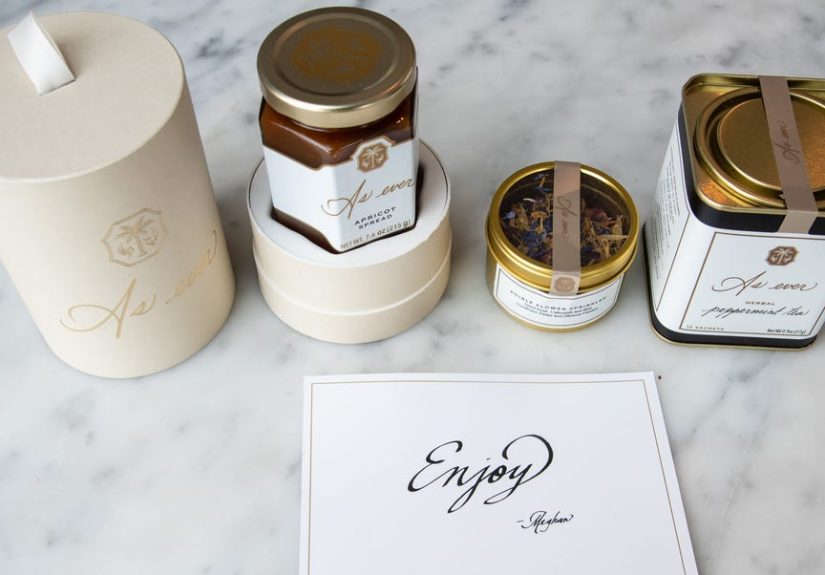
- Fruit spreads (raspberry in the original drop; later an apricot spread appeared), offered solo and/or in keepsake packaging.
- Honey (including a premium option with honeycomb; later a honey duo gift box appeared).
- Herbal teas (flavors like peppermint, hibiscus, lemon-ginger).
- Baking mixes (a crêpe mix; a shortbread cookie mix paired with flower sprinkles).
- Flower sprinkles (sold alone in a tinbasically edible “finishing glitter” for your snacks).
The pricing sits in a very specific zone: more than grocery-store equivalents, usually less than the most extravagant celebrity wellness brands.
Translation: you’re paying for quality and packaging and the story you get to tell yourself about your Tuesday night yogurt.
2) Wine (because “summer entertaining” has entered the chat)
The brand expanded into wine with Napa Valley rosé, sold online with minimum order requirements and shipping rules that vary by state.
The descriptions lean into Provençal inspirationpale color, crisp profile, stone fruit notes, gentle mineralityand the vibe is “golden-hour gathering,” not “plastic cup at a folding table.”
3) Collaborations and limited-edition gift drops
As Ever has also done collaboration-style releases, including chocolate bars that incorporate brand flavors (like spreads and sprinkles), plus occasional lifestyle items that skew “thoughtful gift” rather than “daily essential.”
My review criteria (because vibes alone don’t butter toast)
I’m judging this line on five things:
- Flavor and function: Does it taste good, and does it work the way you want it to?
- Ingredient/quality signals: Does it feel thoughtfully made or just relabeled?
- Value: Is it “worth it,” or just “pretty?”
- Ease: Does it make entertaining easieror add homework?
- Consistency: Is the brand identity clear across products?
Product-by-product: what’s actually good (and what’s mostly a gift)
Fruit spreads: delicious idea, slightly confusing category
Let’s start with the headline item: fruit spread.
The brand’s spreads are positioned as fruit-forward rather than sugar-forward, and the marketing has been careful about terminology.
That’s where the conversation gets spicy: some criticism has centered on texture and on the “spread vs. jam” labelingbecause jam has specific standards and expectations, and “spread” gives more wiggle room.
Here’s my take: if you want a thick, firm, classic jam set, you may find these spreads softer or looser than you expect.
But if you like bright fruit flavor and a more spoonable, drizzly texture (think: yogurt, pancakes, cake layers, or warm toast that doesn’t need drywall paste consistency), the concept makes sense.
Worth buying? Yesif you like fruit-first spreads and you’re okay paying extra for a pretty jar and the “drop” excitement.
If you’re a jam traditionalist, you might feel personally attacked by the consistency. (Respectfully.)
Honey: the most obvious “host gift” in the bunch
The honey offerings are priced like gifting items, not pantry refills.
Honey with honeycomb especially screams “I brought something special,” which is honestly useful if you’re tired of showing up with the same emergency bottle of supermarket Pinot.
Worth buying? As a gift or a centerpiece ingredient for a cheese board, yes.
As a daily honey for your tea, it’s a splurgelovely, but not necessary unless it truly sparks joy.
Herbal teas: sensible, calm, and not trying too hard
Teas are where lifestyle brands often hide, because tea is inherently aspirational: you can buy it and immediately become a person who “winds down.”
The As Ever tea lineup is… pleasantly normal in the best way.
The flavors are familiar, the positioning is soothing, and it fits the brand without feeling like it’s cosplay.
Worth buying? If you already buy premium tea, sure.
If you’re a “whatever’s in the office break room” tea drinker, you’ll notice the price more than the peppermint.
Crêpe mix: the best “I look impressive with minimal effort” item
Crêpes sound fancy, but they’re basically thin pancakes with a French passport.
A good mix can turn brunch into something that looks restaurant-level with a fraction of the work.
Published taste tests have been positive on usability and results, and that matters because mixes live or die on ease.
Worth buying? Yesthis is one of the smartest products in the lineup because it delivers on the promise of effortless hosting.
You’re paying for convenience, but you’re actually getting it.
Shortbread cookie mix + flower sprinkles: cute, performative, and oddly practical
A cookie mix with “flower sprinkles” is either delightful or ridiculous depending on your tolerance for whimsy.
In practice, it’s a clever pairing: shortbread is forgiving, the sprinkles add visual drama, and suddenly your cookies look like they attended a garden party.
Worth buying? For entertaining, yes. For everyday snacking, it depends on your budget and your need for cookies that photograph well.
Flower sprinkles alone: the brand’s signature “finish” move
Let’s address the tiny tin in the room.
Flower sprinkles are a garnish productlike flaky salt, chili crisp, or fancy finishing oil. They’re not meant to feed you. They’re meant to make you feel like you have your life together.
Done right, this is genuinely useful for entertaining: yogurt bowls, buttered toast, frosted cupcakes, salads, soft cheese, even cocktails if you’re feeling extra.
But the value is emotional, not caloric.
Worth buying? If you host, love presentation, or need a gift-y add-on: yes.
If you just want more food, buy literally any other item.
The rosé: where the brand turns from “pantry aesthetic” to “real category competition”
Wine is a tougher arena than cookie mix because people have opinions, and those opinions come with receipts.
The As Ever rosé is marketed as a crisp, pale, Provençal-leaning style with stone fruit and minerality, and U.S. reviews have described it as structured and polished rather than syrupy or simplistic.
My honest read: you’re not buying this because it’s the cheapest rosé available.
You’re buying it because you like the brand world, you want a “moment” wine for a gathering, or you’re gifting someone who will love the story as much as the sip.
If you want value-per-ounce, there are excellent bottles at lower price points.
Worth buying? For a special occasion, gift, or fan-level curiosity: yes.
As your everyday house rosé: probably not, unless your “house” is also a mood board.
Brand identity: “love language” is charming, but clarity matters
The best part of the As Ever identity is that it’s consistent in tone: warm hosting, pretty details, intentional gestures.
The slight weakness is that the brand sometimes feels like it’s selling a vibe before it sells a point of view.
Is it a pantry brand? A home-goods line? A drop-based collector brand? A Netflix-adjacent extension of a lifestyle show? The answer has often been “yes,” which is flexiblebut also occasionally confusing.
The good news: consumers don’t actually need a thesis statement. They need products that make sense.
On that front, the line is strongest when it focuses on easy entertaining rather than broad lifestyle symbolism.
Who should buy As Ever (and who should skip it)
You’ll probably like it if…
- You hosteven casuallyand you love small touches that make things feel special.
- You’re into premium pantry items and don’t mind paying more for aesthetic packaging.
- You enjoy “drops” and limited releases the way other people enjoy sneaker launches.
- You want giftable food that looks expensive without requiring you to know someone’s ring size.
You should probably skip it if…
- You want maximum value and minimal branding (warehouse club, I salute you).
- You prefer traditional jam textures and hate anything described as “spread.”
- You don’t enjoy limited-release shopping or “sold out” notifications.
- You’re looking for groundbreaking flavors rather than polished, familiar comforts.
Practical tips if you want to try it without losing your mind
- Start with the crêpe mix or a spread: they’re the most “use it immediately” products.
- Buy sprinkles only if presentation matters to you: it’s a garnish product, not a pantry staple.
- Shop for gifting: honey, spreads in keepsake packaging, and chocolate drops are tailor-made for host gifts.
- Expect “drop culture”: if you hate scarcity marketing, wait for restocks instead of impulse-refreshing.
- With the wine, check shipping rules: minimums and state restrictions can apply, and adult signature is typically required.
My bottom line verdict
As Ever is not trying to be your cheapest pantry optionand it shouldn’t be judged like one.
It’s trying to be your “I made an effort” shortcut: the pretty jar, the elegant tin, the brunch move that looks harder than it is.
The products make the most sense when you treat them as entertaining tools and gifts, not as everyday staples.
If you buy with that mindset, the line feels cohesive, charming, andyesgenuinely useful.
If you buy expecting bulk value or culinary innovation, you’ll mostly be paying for the brand story.
My honest recommendation: start small (crêpe mix + one spread), see if the vibe matches your life, and only then graduate to sprinkles and rosé.
In other words: don’t build a whole personality around a jar. Let the jar support your personality.
My “As Ever” Experiences (real-life hosting moments this line is built for)
Let’s talk about the part no product page can show you: how these kinds of “elevated everyday” items actually behave in real lifeon weekdays, during low-stakes hosting, and in those moments when you want things to feel special without turning your kitchen into a full-time job.
This section is based on how the products are designed and reviewed, plus the very universal experience of trying to look composed while your group chat announces, “We’re 10 minutes away!”
Scenario #1: The Saturday brunch that started as “just coffee”
Someone says they’ll “swing by,” and suddenly you have four people in your living room, everyone’s hungry, and you’re trying to remember if you own a clean serving plate.
This is where an easy mix like crêpes earns its keep: it turns basic ingredients into something that looks intentional.
The move is simplecook a stack, set out a spread, maybe add fruitand now you look like a person who brunches on purpose.
The spread does double duty: toast for the practical people, yogurt for the healthy-ish people, and a spoon straight from the jar for the honest people.
Scenario #2: The “I brought something!” host gift that doesn’t feel like a panic purchase
You know that last-minute gift spiral: you’re five minutes from leaving, you don’t want to show up empty-handed, and your only idea is “a candle,” even though your friend already has 37 candles and a smoke alarm with trauma.
This is where honey or a keepsake-style jar makes sense.
The packaging does some of the social work for you: it reads as thoughtful, not frantic.
It’s also food, which means it’s less likely to become clutter.
The best host gifts are consumable and pretty, and this line is basically engineered to hit that exact sweet spot.
Scenario #3: The “make it look fancy” trick when the food is… normal
The flower sprinkles are the most polarizing product until you use them the way they’re meant to be used: as a finishing touch.
They’re not there to fill you up. They’re there to make a simple thing feel like a moment.
Think of them like earrings for your dessert.
A frosted cupcake becomes “styled.” A bowl of berries looks “composed.”
Even a basic buttered toast starts giving “boutique café” energy.
If you’re someone who enjoys presentation, this is fun.
If you don’t care how food looks, this will feel like paying money for confettiand, honestly, that’s fair.
Scenario #4: The weeknight wind-down that feels slightly more grown-up
Tea is quietly one of the most realistic lifestyle products because it fits into real routines.
Nobody has to learn a new skill to drink peppermint tea.
The “experience” is less about novelty and more about ritual: the mug, the five-minute pause, the gentle signal to your brain that you’re done being a functional adult for the day.
Premium tea is rarely “life-changing,” but it can be reliably pleasantand sometimes that’s the whole point.
Scenario #5: The “we should open something special” bottle
The rosé fits the same pattern as the rest of the line: it’s designed for moments.
Not “Tuesday because it exists,” but “Friday because we made it,” or “a backyard hang where you want the table to look pretty.”
The experience here is partly taste, partly story, and partly ceremonypouring something that feels like an occasion even if the occasion is simply being outside at golden hour.
Is it the most economical rosé? No.
Is it the kind of purchase people make when they want to celebrate, gift, or participate in the brand world? Absolutely.
If you’ve ever wanted your everyday routines to feel a little more intentionalwithout actually adding a ton of workthis line makes sense.
The smartest way to experience it is not to buy everything, but to pick one or two items that match your real life: brunchers get the crêpe mix, host gifters get honey or a keepsake spread, presentation people get the sprinkles, and “I need a calmer evening” folks get the tea.
That’s the secret: the best lifestyle products don’t change who you are. They just make your existing habits look better in photos.