Table of Contents >> Show >> Hide
- What Is the Willow Pottery Terracotta Planter, Exactly?
- Terracotta 101: The Good, the “Thirsty,” and the Beautiful
- Best Plants for a Willow Pottery Terracotta Planter
- How to Set It Up: Drainage, Soil, and the “Don’t Use Garden Dirt” Rule
- Watering Without Drama
- Frost-Proof Isn’t “Invincible”: Winter Care That Actually Helps
- The Patina Question: White Marks, Cleaning, and Keeping It Healthy
- Styling Ideas: Making the Planter Look Like It Belongs There
- Buying Checklist: What to Look For (and What to Expect)
- Conclusion
- Experience Notes: What People Typically Notice After Living With This Planter
Terracotta planters have a special talent: they can look effortlessly chic while quietly judging your watering habits. And the Willow Pottery Terracotta Planter is basically the overachiever of that categoryhand-thrown, thoughtfully shaped, and built for the long game (including cold weather, because plants don’t stop having opinions in winter).
This guide breaks down what makes this planter distinctive, how terracotta behaves in real life (spoiler: it “breathes”), what to plant in it, how to water without spiraling, and how to keep it looking great as it develops that coveted, “I’ve been gardening forever” patina.
What Is the Willow Pottery Terracotta Planter, Exactly?
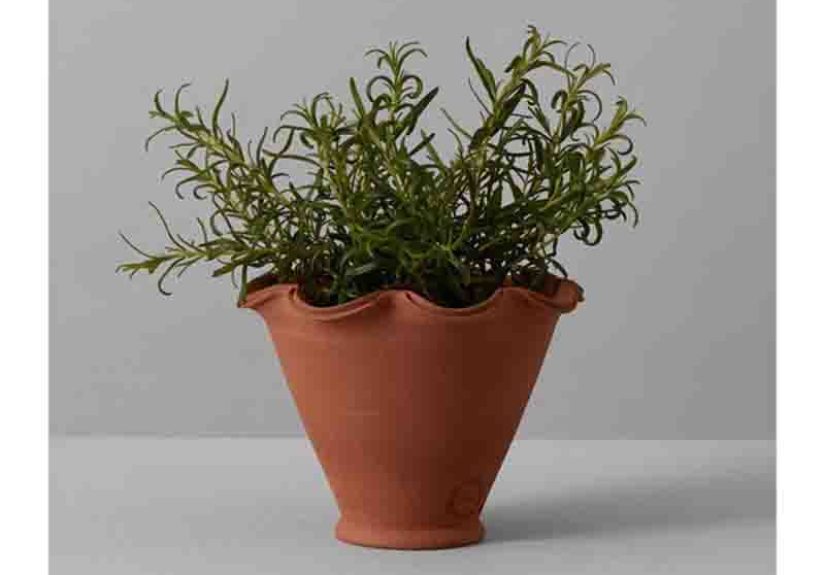
The Willow Pottery Terracotta Planter is a hand-thrown, frost-proof terracotta planter with a scalloped shape, a drainage hole, and a raw, unglazed finish. Because it’s handmade, each piece varies slightlyso yours won’t be identical to anyone else’s, which is great news unless you’re trying to assemble a perfectly uniform “army of pots” (in that case: embrace the charming chaos).
Willow Pottery is a small workshop led by potter Matt Pasmore, with roots going back decades. The planter is often described as a “quiet statement piece”: warm terracotta color, subtle texture, and a silhouette that looks equally at home on a windowsill, a stoop, or a patio table next to a book you totally didn’t buy just for the cover.
Why the scallops matter (beyond being cute)
Design details aren’t just decoration in a good planter. That scalloped rim adds visual softness, breaks up straight lines in a room or garden, and pairs especially well with spiky plants (aloes, sansevieria) or airy herbs (thyme, oregano) because it balances their shape. It also “frames” trailing plants nicelythink string-of-pearls or small ivywithout looking like the pot is swallowing the plant.
Terracotta 101: The Good, the “Thirsty,” and the Beautiful
Terracotta is porous, which means air and moisture can move through it. That’s the headline feature. It helps prevent soil from staying soggy, which is great for plants that hate wet feetbut it also means your pot can dry out faster than a group chat after someone suggests “a quick 7 a.m. hike.”
Pros of unglazed terracotta
- Better airflow around the root zone, which can support healthier roots.
- Less waterlogging for drought-tolerant plants (succulents, cacti, many Mediterranean herbs).
- Temperature buffering: clay can help moderate rapid swings at the root level compared with thin plastic.
- Natural patina over timemineral marks, subtle color shifts, and that “lived-in garden” vibe.
Cons (a.k.a. the parts you need to plan for)
- More frequent watering in hot, dry, or windy conditionsespecially outdoors.
- Mineral/salt deposits can show up as a white crust (normal, but it surprises people).
- Freeze-thaw risk if a pot stays wet in freezing temperaturesfrost-proof helps, but drainage and placement still matter.
Best Plants for a Willow Pottery Terracotta Planter
Because this planter is terracotta and unglazed, it shines with plants that prefer to dry out between waterings. If your favorite plant is the kind that likes constantly damp soil, terracotta may feel like a betrayal.
Great matches
- Succulents & cacti: echeveria, haworthia, aloe, small columnar cacti.
- “Dry-out” houseplants: snake plant (sansevieria), ZZ plant, jade plant.
- Mediterranean herbs: rosemary, thyme, oregano (especially in bright light).
- Bulb displays: smaller seasonal bulbs can look amazing in scalloped forms.
Plants that usually struggle in terracotta
Moisture-lovers can be tougher here. Ferns, peace lilies, many carnivorous plants, and other consistently-damp-soil species may dry out too quickly. That doesn’t mean “never,” but it does mean you’ll be watering more often and watching more closely.
Two specific planting examples (so you can picture it)
- Minimalist indoor combo: a medium snake plant + gritty potting mix + a simple saucer. The scalloped rim adds texture without turning your living room into a jungle theme park.
- Sunny windowsill herb setup: thyme + oregano together (similar watering needs) + a fast-draining mix. You get fragrance, edible leaves, and a pot that looks like it belongs in a magazine spread titled “People Who Have Their Life Together.”
How to Set It Up: Drainage, Soil, and the “Don’t Use Garden Dirt” Rule
Step 1: Respect the drainage hole
The drainage hole is non-negotiable. It’s what keeps roots from sitting in water and invites oxygen back into the soil. If you’re placing the pot indoors, use a saucer (and consider pot feet or a thin riser so the hole can actually drain).
Step 2: Use a real potting mix
For containers, skip garden soil. It compacts, drains poorly, and can turn your pot into a swamp simulation. Use a potting mix suited to your plant type. For succulents, add pumice/perlite/grit for extra drainage.
Step 3: Choose the right size (and don’t “upsizing panic”)
A common guideline for repotting is moving to a container about 1–2 inches wider than the current pot for many houseplants. Too large can mean too much wet soil volume hanging around longer than your plant wants.
Step 4: Optional but helpfulpre-soak the pot
Many gardeners like to soak terracotta before planting so the dry clay doesn’t immediately wick moisture out of fresh potting mix. You don’t have to make it a ritual with incense and a soundtrack, but a thorough soak can help with the “first week” moisture balance.
Watering Without Drama
Terracotta is honest. If you under-water, it won’t hide it. If you over-water, it’ll try to save you (up to a point). The goal is consistent rhythm, not guesswork.
A simple watering method that works for many plants
- Check the soil before watering: for succulents, let it dry out significantly; for herbs, let the top inch dry.
- Water thoroughly until it drains, then let the excess leave the saucer (don’t let it sit in a puddle all day).
- Adjust for conditions: heat, sun, wind, and indoor heating all speed drying.
Tap water tips (because minerals are a thing)
If your tap water is heavily treated or mineral-rich, you may see more residue on terracotta over time. Some plant-care guidance recommends letting water sit so chlorine can dissipate and using cleaner sources when possible. You don’t need to become a water sommelierjust notice patterns and adjust if leaves get crusty tips or pots get heavy deposits quickly.
Frost-Proof Isn’t “Invincible”: Winter Care That Actually Helps
“Frost-proof” is a strong start, but winter damage usually comes from a combo of moisture + freezing. Even hardy planters benefit from smart placement and good drainage.
Practical winter moves (especially outdoors)
- Elevate the pot with pot feet or bricks so water can drain and the base doesn’t sit on cold, wet ground.
- Avoid waterlogging going into freezing nightssoggy soil increases freeze-thaw stress.
- Move to shelter if possible: near a wall, under an overhang, or into a garage during severe cold snaps.
- Empty and dry unused pots before hard freezes; store tipped on their sides so water can’t pool inside.
If you live in a climate with frequent freeze-thaw cycles, these steps matter more than whether your pot is “technically” frost-resistant. Think of it like a rain jacket: great protection, still not a reason to go stand in a waterfall for fun.
The Patina Question: White Marks, Cleaning, and Keeping It Healthy
That chalky white film on terracotta is often mineral or salt residue migrating through the porous clay. It’s common and usually cosmetic. Some people love it as “authentic garden character.” Others take it personally.
Cleaning basics (gentle first)
- Dry brush loose soil and debris.
- Soak in warm water with mild dish soap, then scrub with a stiff brush.
- For mineral deposits, a diluted vinegar soak can help loosen buildup. Rinse thoroughly and dry fully.
Disinfecting between plants (especially after disease)
Multiple university extension resources recommend a bleach-and-water solution commonly mixed at about 1 part household bleach to 9 parts water, soaking for a short period (often around 10 minutes), then rinsing well and drying. Always handle bleach carefully, protect skin/clothing, and never mix bleach with other cleaners.
Should you seal terracotta?
Sealing can reduce staining and slow moisture movement, but it also reduces the breathability that makes terracotta useful. If you want the terracotta advantages for plant health, sealing the interior often defeats the point. If your priority is furniture protection indoors, a saucer + occasional wipe-down usually gets you there without changing the pot’s behavior.
Styling Ideas: Making the Planter Look Like It Belongs There
The Willow Pottery Terracotta Planter has that “quiet luxury” energywarm clay, hand-thrown irregularity, and a rim that adds structure. Here are a few styling approaches that look intentional without trying too hard.
Three easy looks
- Minimal & modern: one sculptural plant (snake plant or aloe), no clutter, let the scallops do the talking.
- Kitchen garden: grouped herbs (same light/water needs) near a window; terracotta reads cozy and practical.
- Outdoor tabletop: low succulent arrangement; the scalloped rim keeps it from feeling flat and boring.
Buying Checklist: What to Look For (and What to Expect)
- Drainage: confirm the hole is clear and functional.
- Stability: handmade pots can have slight variationensure it sits solidly where you’ll use it.
- Surface expectations: raw terracotta will show marks, minerals, and age. That’s not a flaw; it’s the plot.
- Use case: if you want a pot for moisture-loving plants, plan on more frequent watering or choose glazed/plastic instead.
Experience Notes: What People Typically Notice After Living With This Planter
Let’s talk about the part no one mentions until you’ve already brought the pot home: terracotta has a personality. Owners often describe the first couple of weeks as a “calibration period.” You plant something, you water it, you feel confident… and then you realize the pot is drying faster than your old glazed ceramic did. That’s not the planter being difficultit’s the porous clay doing its job. The adjustment is usually simple: check soil moisture a little more often, and water thoroughly rather than “sipping” tiny amounts every day.
Another common experience: the planter starts to change visually, and people either love it immediately or become amateur detectives. A faint lightening in spots, a darker damp ring after watering, or a chalky white bloom over timethese are all typical with unglazed clay. In fact, many terracotta fans consider the evolving surface the whole point. The pot looks more “garden-real” as seasons pass. Indoors, that patina can read artisanal and warm; outdoors, it blends into greenery like it’s always been there. If you’re a “keep everything pristine” person, you’ll probably end up doing occasional vinegar-water scrubs and using a saucer faithfully. If you’re a “let it age” person, you’ll start calling mineral marks “character” and you will be correct.
Plant pairing is where the Willow Pottery Terracotta Planter tends to win people over. A succulent arrangement in a scalloped terracotta form looks intentional without feeling fussy. Many owners report their succulents become easier to manage because the pot helps prevent prolonged wet soil. A snake plant in this planter is another favorite: visually bold, practically indestructible, and perfectly matched to a container that dries out. Herb growers often note that Mediterranean herbs (rosemary, thyme, oregano) “feel right” in terracottaboth aesthetically and horticulturallyespecially when the mix drains fast and the plant gets strong light.
Indoors, people often learn one extra trick: manage the mess. Terracotta can leave a damp mark on wood or stone if you let water sit under it. A simple saucer solves most of it; a slightly elevated base (even thin feet) helps the drainage hole do its thing and reduces standing water. Outdoors, the story shifts to weather: owners in colder areas commonly elevate pots and move them to shelter during deep freezes. Even “frost-proof” planters do better when they’re not sitting flat on icy ground with water trapped underneathbecause physics is undefeated.
The overall “experience takeaway” is pretty consistent: once people match the planter with the right plant type and watering rhythm, it becomes a go-to. It looks good empty, it looks better planted, and it looks best after it’s been used long enough to earn a little patina. In other words, it doesn’t just hold a plant it becomes part of the room (or the garden) the way a well-loved tool or a favorite mug does. Useful, beautiful, and quietly confident.