Table of Contents >> Show >> Hide
- What Is Butternut Squash, Exactly?
- Butternut Squash Nutrition Snapshot
- Top Benefits of Butternut Squash
- 1) Eye support (and orange foods doing orange-food things)
- 2) Immune support without the “mystery wellness” vibes
- 3) Gut health and regularity (fiber is not glamorous, but it is powerful)
- 4) Heart-friendly nutrients: potassium, magnesium, and a low-sodium vibe
- 5) Skin support (aka: not just a soup ingredient, also a glow-up ingredient)
- 6) Weight-friendly comfort food
- 7) Blood sugar considerations (the “it’s starchy” but also “it’s manageable” reality)
- How to Choose, Store, and Prep Butternut Squash
- How to Cook Butternut Squash (Without Getting Bored)
- Everyday Uses: Where Butternut Squash Fits Best
- Potential Downsides (Because Every Food Has a Footnote)
- Conclusion: The Cozy Vegetable That Actually Pulls Its Weight
- Experiences With Butternut Squash (About of Real-Life, Relatable Squash Energy)
Butternut squash is what happens when a vegetable decides to be both comfort food and quietly impressive.
It’s sweet but not candy-sweet, creamy but not heavy, and it somehow fits into soup, salad, pasta, and even dessert without acting like it owns the place.
If you’re here for butternut squash nutrition, the health benefits of butternut squash, and the smartest ways to cook it,
you’re in the right kitchen.
This winter squash is famous for its orange flesh (hello, beta-carotene), cozy flavor, and “I bought a whole one… now what?” energy.
The good news: it’s easier to use than it looks, and it plays well with everything from garlic and sage to cinnamon and maple.
Let’s slice into what it is, what it offers your body, and how to actually enjoy itwithout turning your cutting board into a demolition site.
What Is Butternut Squash, Exactly?
Butternut squash is a type of winter squashmeaning it’s harvested mature and has a hard rind designed for storage.
It’s usually tan on the outside with bright orange flesh inside. Flavor-wise, think “sweet potato’s smoother, slightly nuttier cousin.”
Texture-wise, it turns velvety when cooked, which is why it’s basically the celebrity spokesperson for fall soups.
Butternut Squash Nutrition Snapshot
Nutritionally, butternut squash is a classic “low drama, high value” food: lots of vitamins and fiber, very little fat,
and a naturally sweet taste that doesn’t require a sugar parade to be delicious.
Typical nutrition for 1 cup cooked (cubed)
- Calories: ~82
- Carbohydrates: ~21.5 g
- Fiber: ~6.6 g
- Protein: ~1.8 g
- Fat: ~0.2 g
- Vitamin A: ~1,100 mcg RAE (roughly 125% Daily Value)
- Vitamin C: ~31 mg (roughly 34% Daily Value)
It also contains potassium, magnesium, and a handful of B vitamins. Translation: it’s a starchy vegetable that still earns its “nutrient-dense” badge.
If you’re building meals for fullness, digestion, and micronutrients, butternut squash pulls its weight.
Top Benefits of Butternut Squash
1) Eye support (and orange foods doing orange-food things)
That deep orange color isn’t just for Instagram. It signals carotenoids like beta-carotene, which your body can convert into vitamin A.
Vitamin A is essential for normal vision and also supports immune function and healthy tissues.
So yes, butternut squash is basically “self-care” you can roast.
2) Immune support without the “mystery wellness” vibes
Between vitamin A and vitamin C, butternut squash supports normal immune function in a way nutrition science actually recognizes:
vitamins that play roles in barrier integrity, cellular function, and antioxidant defense.
It won’t grant you magical invincibility, but it’s a solid player on the “eat more plants” team.
3) Gut health and regularity (fiber is not glamorous, but it is powerful)
With about 6–7 grams of fiber per cooked cup, butternut squash can help you feel full and support digestive regularity.
Fiber also acts as fuel for beneficial gut bacteria. If your digestion had a suggestion box, it would submit “more fiber” in all caps.
4) Heart-friendly nutrients: potassium, magnesium, and a low-sodium vibe
Many Americans don’t get enough potassium. Foods that provide potassium can support healthy blood pressure by counterbalancing sodium.
Butternut squash also offers magnesium, another mineral tied to cardiovascular function.
The result: a comfort-food ingredient that doesn’t come with a salt hangover.
5) Skin support (aka: not just a soup ingredient, also a glow-up ingredient)
Vitamin C supports collagen productionone reason it’s often connected to skin health.
Pair that with antioxidant nutrients (including carotenoids), and you’ve got a food that supports your body’s built-in “repair and protect” systems.
No, it won’t replace sunscreen, but it’s still a smart edible teammate.
6) Weight-friendly comfort food
Butternut squash is naturally low in fat and relatively modest in calories for the amount of volume you getespecially in soups, stews, and roasted trays.
Fiber and water content help with fullness, which is why squash-based meals can feel satisfying without being heavy.
7) Blood sugar considerations (the “it’s starchy” but also “it’s manageable” reality)
Butternut squash is a starchy vegetable, so it contains carbohydrates.
But in reasonable portionsespecially alongside protein, healthy fats, and additional fiberit can fit into balanced eating patterns.
If you’re managing blood sugar, think in servings (like 1/2 to 1 cup cooked) and build the plate around it instead of making it the entire plate.
How to Choose, Store, and Prep Butternut Squash
Choosing a good one
- Look for a hard, matte rind without deep cuts or soft spots.
- Pick one that feels heavy for its size (more flesh, less air).
- A little surface scuffing is fine; a squishy spot is not.
Storing whole squash
Whole butternut squash stores well in a cool, dry place with decent airflow.
Under good conditions, it can keep for monthsone reason winter squash has the survival instincts of a pantry champion.
Skip humid, warm countertops if you can; aim for cool and dry.
Storing cut squash safely
Once you cut it, the rules change: wrap it, refrigerate it, and use it within a few days for best quality.
If you buy pre-cut squash, keep it refrigerated (and treat it like any other cut produce).
Prep tips that save sanity
- Stabilize it: Slice a thin piece off one side so it doesn’t roll like it’s auditioning for a circus.
- Microwave hack: A short microwave burst can soften the skin slightly, making peeling easier.
- Two-step peel: Peel the neck first (easy), then deal with the bulb (where the seeds live).
- Seeds: Scoop them out, rinse, dry, and roastyes, they’re edible and tasty.
How to Cook Butternut Squash (Without Getting Bored)
If you’ve been wondering how to cook butternut squash, here’s the truth: it’s basically a choose-your-own-adventure book,
and every ending is delicious.
Roasting: the fastest route to maximum flavor
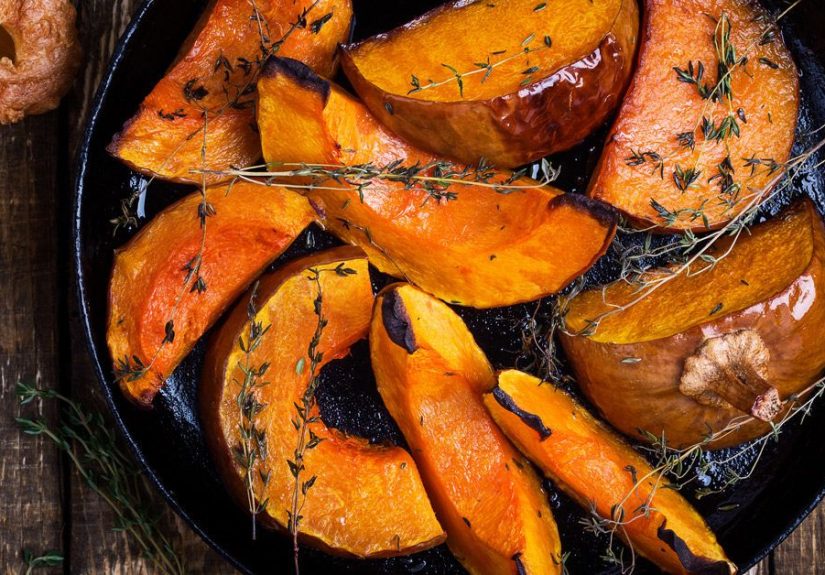
Roasting concentrates sweetness and adds caramelized edges. Cube it, toss with olive oil, salt, pepper, and roast until tender and browned.
Add-ons that make it unfairly good: garlic, smoked paprika, chili flakes, rosemary, sage, or a pinch of cinnamon.
Real-life uses: toss into grain bowls, salads, tacos, or blend into a sauce for pasta. Roasted squash is meal prep that doesn’t taste like punishment.
Soup: the cozy classic that never misses
For butternut squash soup, sauté onion and garlic, add squash and broth, simmer until soft, blend until smooth.
Want it richer? Add a splash of coconut milk or a little Greek yogurt.
Want it bolder? Curry powder, ginger, or chipotle turns “cozy” into “cozy with personality.”
Mash or purée: the smooth operator
Cook it until soft (roast, steam, or simmer), then mash like potatoes. Add butter or olive oil, salt, pepper, and maybe parmesan.
It’s a fantastic side dish and a sneaky base for bowlsespecially when you want comfort without a food coma.
Pasta, risotto, and “creamy” sauces (without heavy cream)
Blended squash adds body and silky texture. Purée it into a sauce with broth, garlic, and a bit of cheese, then toss with pasta.
It’s also excellent stirred into risotto or folded into mac and cheese for a subtle sweetness and better nutrient profile.
Air fryer and microwave: weeknight shortcuts
Air fryer cubes get crisp edges quickly. Microwaving halves cut-side down with a little water steams it fast, then you can scoop and mash.
Not glamorous, but extremely effectivelike sweatpants, but for dinner.
Baking and sweet uses
Butternut squash can stand in for pumpkin purée in many recipes.
Think muffins, quick breads, pancakes, or a lightly spiced custard. It brings sweetness and moisture, plus that orange color that screams “fall.”
Everyday Uses: Where Butternut Squash Fits Best
- Meal prep base: Roast a tray, then use it all week in bowls, wraps, and salads.
- Soup starter: Freeze portions so future-you can have a good day with minimal effort.
- Swap for potatoes: Mash it, cube it, or blend itlighter but still satisfying.
- Kid-friendly veggie: Its natural sweetness makes it easier to love than, say, a bowl of plain kale.
- Flavor partner: Loves sage, thyme, rosemary, garlic, onion, ginger, curry, cumin, cinnamon, maple, brown butter, toasted nuts.
Potential Downsides (Because Every Food Has a Footnote)
Watch potassium if you’ve been told to
Butternut squash contains potassium, which is great for many people. However, if you have kidney disease or take certain medications that affect potassium
(like some blood pressure meds), you may need individualized guidance. When in doubt, ask your clinicianyour kidneys do not enjoy surprises.
“Squash hands” is a real thing
A small number of people get skin irritation from handling raw squash. It’s not the squash plotting revenge; it’s contact dermatitis.
If you notice itching or dryness, wear food-safe gloves next time and wash up promptly.
Too much beta-carotene can tint skin (harmless, but confusing)
If someone eats a ton of orange produce daily, beta-carotene can cause a yellow-orange tint to skin (carotenoderma).
It’s generally harmless and resolves when intake dropsthough it can lead to awkward “Do I look jaundiced?” conversations.
Conclusion: The Cozy Vegetable That Actually Pulls Its Weight
Butternut squash earns its popularity. It’s nutrient-dense, naturally sweet, high in fiber, and loaded with carotenoids that support vision and overall health.
It stores well, cooks easily, and adapts to savory or sweet dishes without complaining.
Whether you roast it, blend it into soup, mash it as a side, or sneak it into baked goods, it’s an ingredient that makes healthy eating feel like comfort.
Experiences With Butternut Squash (About of Real-Life, Relatable Squash Energy)
The first time most people buy a whole butternut squash, it looks manageablefriendly, even. Then it hits the cutting board and reveals its true personality:
sturdy, determined, and absolutely not interested in being chopped. This is the moment you learn the most important butternut squash lesson:
stability is safety. A tiny slice off the bottom to create a flat base turns the squash from “rolling hazard” into “responsible dinner ingredient.”
Next comes the peeling, which can feel like trying to gift-wrap a bowling pin. The neck peels easily, but the bulbous end is where patience goes to test itself.
A common kitchen win is realizing you don’t always need to peel it first. Roasting halves cut-side down is a cheat code:
the flesh softens, you scoop it out like avocado, and suddenly you’re a calm person who makes purées on weeknights.
Then there’s the aroma moment. When cubes start browning in the oven, the kitchen smells like fall decided to move in permanently.
That caramelized edge is what turns “healthy side dish” into “why are we not making this twice a week?”
People often start with salt and pepper, then graduate quickly to garlic and sage, and eventually end up adding curry powder “just to see what happens.”
Spoiler: good things happen. Butternut squash is basically a flavor amplifier for spices that want to be taken seriously.
Meal prep is where the relationship becomes official. Roast one tray, and suddenly the week looks brighter:
toss cubes into salads, fold them into grain bowls, blend them into soup, or stir them into pasta sauce for instant creaminess.
It’s also one of those foods that makes leftovers better, not sadder. A bowl of reheated roasted squash with chickpeas, greens, and a lemony dressing
feels like lunch that has a plan.
The seed situation is another “level up” moment. Most people throw the seeds away once or twice, then someone mentions roasting them,
and suddenly nothing is wasted. Rinse, dry, oil, salt, roastdone. The seeds won’t taste exactly like pumpkin seeds (they’re often a bit smaller),
but they deliver that crunchy snack satisfaction that makes you feel like a person who has their life together.
And finally, there’s the sweet side: adding squash purée to muffins or pancakes. The first bite is usually a surprise:
it tastes warm, lightly sweet, and not “vegetable-y” in a suspicious way. That’s when butternut squash stops being a seasonal novelty and becomes a staple.
Not because it’s trendybecause it’s genuinely useful. It’s comfort food that also happens to bring nutrients to the party.