Table of Contents >> Show >> Hide
- Why Petroleum Jelly Works (And Why Your Lips Keep Flaking)
- Quick Table of Contents
- The 9-Step Plan to Get Rid of Flaky Lips With Petroleum Jelly
- Step 1: Stop the “Lip Drama” Triggers
- Step 2: Pick the Right Petroleum Jelly
- Step 3: Apply It the “Seal the Deal” Way
- Step 4: Use a Daytime Lip Strategy (Not Just Hope)
- Step 5: Build an Overnight Lip Mask
- Step 6: Exfoliate Gently (No Sandpaper, Please)
- Step 7: Hydrate Your Environment
- Step 8: Protect Your Lips From the Sun
- Step 9: Know When It’s Not “Just Chapped Lips”
- Common Mistakes That Keep Lips Flaky (Even With Petroleum Jelly)
- FAQ: Petroleum Jelly for Chapped Lips
- Conclusion: Smooth Lips Are a System, Not a Single Product
- Real-Life Experience Notes (500+ Words): What Actually Works in the Wild
Disclaimer: This is educational content, not medical advice. If your lips are cracked, bleeding, infected, or not improving, talk to a clinician or dermatologist.
Why Petroleum Jelly Works (And Why Your Lips Keep Flaking)
Flaky lips are basically your body’s way of saying, “Hey, my tiny face skin needs help.” Lips don’t have oil glands like the rest of your skin, so they dry out faster and get crankier about it. Add cold air, indoor heating, wind, sun, mouth breathing, spicy snacks, and the classic “I’ll just lick my lips real quick” habit… and suddenly your lips are shedding like a confused snake.
Petroleum jelly (a.k.a. petrolatum, often sold as “white petroleum jelly”) shines because it’s an occlusive: it forms a protective seal over the surface, helping reduce water loss and giving your lip barrier a chance to repair. Translation: it’s like a cozy puffer jacket for your lips. But here’s the plot twistpetroleum jelly doesn’t “add” moisture by itself. It works best when you trap moisture underneath it (think: damp lips, a hydrating layer, then petroleum jelly on top).
If you want smoother lips fast, the winning strategy is: remove irritation, add hydration, and seal it inconsistently.
The 9-Step Plan to Get Rid of Flaky Lips With Petroleum Jelly
-
Step 1: Stop the “Lip Drama” Triggers
Before you add products, remove what’s actively sabotaging you. Flaky lips often persist because of irritationsometimes from habits, sometimes from ingredients.
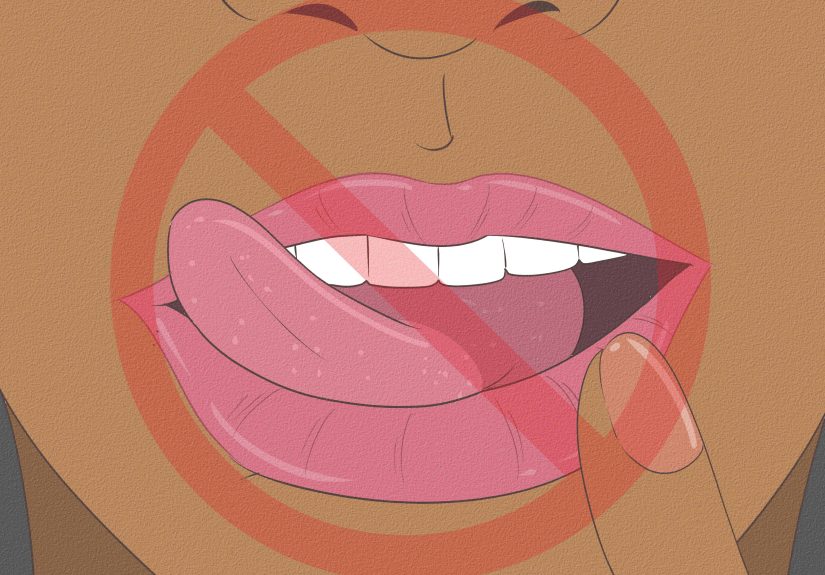
- Stop licking your lips. Saliva evaporates fast, leaving lips drier. It’s a trap.
- Pause “tingly” balms. Menthol/camphor/eucalyptus-type sensations can feel soothing but may irritate already-damaged lips.
- Go fragrance-free. Flavors, fragrances, and certain essential oils can trigger irritation or contact dermatitis in sensitive people.
- Watch toothpaste and mouthwash. Strong flavors (cinnamon/mint), whitening additives, or harsh detergents can bother the lip area for some folks.
- Hands off. Picking flakes restarts the injury cycle (and turns “mild dryness” into “why do I look like I fought a cheese grater?”).
This step is boring. It’s also the step that makes the other eight steps actually work.
-
Step 2: Pick the Right Petroleum Jelly
Keep it simple. You want plain, fragrance-free petrolatum (often labeled “white petroleum jelly” or “petrolatum”). If it smells like cupcakes, it’s probably doing too much.
A few practical tips:
- Choose an ointment texture. Ointments typically seal better than waxy sticks for severely dry, cracked lips.
- Use a clean container. If you’re using a jar, scoop with clean hands or a cotton swab to avoid contamination.
- Don’t share. Sharing lip products is basically speed-dating for germs.
If your skin is acne-prone around the mouth, keep the application on the lips and wipe excess from the skin border to avoid clogged pores.
-
Step 3: Apply It the “Seal the Deal” Way
Petroleum jelly works best as a top coat. Here’s the technique most people skip:
- Rinse lips with lukewarm water or take a shower.
- Pat lips so they’re slightly damp (not dripping).
- If you have it, apply a thin hydrating layer first (think: a gentle, fragrance-free lip moisturizer).
- Immediately apply a thin, even layer of petroleum jelly to seal moisture in.
If you apply petroleum jelly to bone-dry lips in a desert-dry room, you’re basically sealing in… dryness. Still protective, but not as effective.
Frequency: Start with 3–6 times per day for a few days (especially after meals, brushing teeth, and washing your face), then taper once your lips feel normal again.
-
Step 4: Use a Daytime Lip Strategy (Not Just Hope)
Your daytime goal is to prevent “evaporation events” and irritation. Consider this your “lip budget”: every coffee, outdoor walk, and meeting where you forget to drink water is a withdrawal.
Try this simple routine:
- Morning: Damp lips → thin layer of petroleum jelly.
- Midday: Reapply after lunch (or after a lot of talkingyes, that counts).
- Afternoon: If you’re outside, pair with an SPF lip product (more on that in Step 8).
- After brushing teeth: Rinse lips, pat damp, petroleum jelly again.
Pro tip: Put a small tube where you already live your lifedesk, car, bagso you’re not relying on memory (which is famously unreliable, like weather apps in spring).
-
Step 5: Build an Overnight Lip Mask
Nighttime is where healing happens because you’re not eating, talking, drinking coffee, or accidentally scraping your lips on a burrito. The goal is to create a gentle “overnight lip mask.”
Night routine (2 minutes):
- Wash face with a gentle cleanser (avoid strong acids/retinoids touching the lip area if you’re flaking).
- Rinse lips with water and leave them slightly damp.
- Apply a thin hydrating lip layer (optional but helpful).
- Apply a generous coat of petroleum jelly.
If you’re a mouth-breather at night (congestion, allergies, sleep habits), your lips dry out faster. Consider addressing nasal congestion or using a humidifier (Step 7). Petroleum jelly can still help, but it shouldn’t have to fight a wind tunnel all night.
-
Step 6: Exfoliate Gently (No Sandpaper, Please)
Exfoliation can help remove loose flakes, but it can also backfire spectacularly if your lips are cracked or raw. The rule: gentle and infrequent.
Do this 1–2 times per week (only if not bleeding):
- Soften lips first (warm shower or warm, damp washcloth for 30–60 seconds).
- Use a soft washcloth or very soft toothbrush with minimal pressure.
- Rinse, pat damp, then seal with petroleum jelly immediately.
Skip harsh scrubs (especially gritty sugar + aggressive rubbing) if your lips are already irritatedthose are better for cookie recipes than lip recovery.
-
Step 7: Hydrate Your Environment
Sometimes the real villain isn’t your lip balmit’s your environment. Cold weather, wind, and low indoor humidity pull moisture from the skin.
- Use a humidifier in your bedroom if the air is dry (especially in winter or air-conditioned rooms).
- Shield your lips outdoors with a scarf in windy/cold weather.
- Drink water consistently (not “I drank three cups at 9 p.m. and now I’m awake forever”).
Petroleum jelly is your barrier layer, but improving humidity reduces how hard your barrier has to work.
-
Step 8: Protect Your Lips From the Sun
Yes, your lips can get sun damageand dry, chapped lips can be more sensitive. If you’re outdoors, use a lip sunscreen (SPF 30+ is a common recommendation) and reapply it regularly.
How to combine SPF and petroleum jelly:
- Daytime: Use an SPF lip product as your primary protective layer outdoors.
- Indoors / after sun exposure: Use petroleum jelly to seal moisture and support barrier repair.
Important: petroleum jelly is not a sunscreen. It’s a raincoat, not a force field.
-
Step 9: Know When It’s Not “Just Chapped Lips”
Most flaky lips improve within days to a couple of weeks with consistent care. If they don’t, consider other causes:
- Allergic/irritant contact cheilitis: triggered by lip products, cosmetics, toothpaste, flavors, fragrances.
- Angular cheilitis: cracking at the corners of the mouth, sometimes linked to moisture pooling, irritation, or infection.
- Medication effects: some acne medications and other prescriptions can cause dryness.
- Cold sores or infection: tingling, clustered blisters, or crusting that keeps returning.
- Sun-related lip changes: persistent roughness or scaling that doesn’t heal.
If you have severe pain, oozing, spreading redness, fever, frequent recurrence, or no improvement after 2–3 weeks of smart care, it’s time for a professional evaluation.
Common Mistakes That Keep Lips Flaky (Even With Petroleum Jelly)
- Using “medicated” tingling balms nonstop and wondering why your lips feel like they’re auditioning for a cactus role.
- Only applying petroleum jelly once at night while lips are exposed to dry air, coffee, and wind all day.
- Exfoliating too often (daily scrubbing is not self-care; it’s a mild form of lip bullying).
- Ignoring SPF and treating sun damage as “mysterious dryness.”
- Not addressing mouth breathing (especially if you wake up with dry lips every morning).
FAQ: Petroleum Jelly for Chapped Lips
Is petroleum jelly safe to use on lips?
For most people, plain white petrolatum is considered a safe skin protectant when used as directed. Use it externally, keep it out of your eyes, and apply with clean hands.
How fast does petroleum jelly fix flaky lips?
Many people notice improvement in softness within 24–72 hours if they remove irritants and apply consistently. Deeper cracks can take longeroften a week or twoespecially if the environment is dry or you’re outdoors a lot.
Should I put petroleum jelly on cracked or bleeding lips?
A protective ointment layer can help reduce further water loss and friction, but if you have significant bleeding, signs of infection, or severe pain, get medical guidance. Also avoid harsh exfoliation until the skin is calm.
Can petroleum jelly make lips worse?
It can feel unhelpful if you apply it on totally dry lips without adding moisture first, or if the real cause is an allergy/irritant reaction. In those cases, identifying triggers matters as much as moisturizing.
Conclusion: Smooth Lips Are a System, Not a Single Product
Petroleum jelly is a simple, effective way to protect flaky lips because it seals in moisture and supports your lip barrier while it heals. But the real magic is the routine: remove irritants, hydrate, then sealand repeat like it’s your lips’ new favorite hobby.
Follow the 9 steps for one week and you’ll usually see a big difference. If not, treat it as useful information: persistent flaking often means there’s an underlying trigger (allergy, angular cheilitis, sun damage, medication dryness) that needs a different approach.
Real-Life Experience Notes (500+ Words): What Actually Works in the Wild
Let’s talk about real life, where you have meetings, coffee, spicy food, weather, and the unshakable urge to peel “just one tiny flake.” (Spoiler: it’s never one tiny flake.)
Experience #1: The “Desk Lip Kit” changed everything. People often swear petroleum jelly “doesn’t work,” but when you ask how they used it, it’s basically: one heroic application at bedtime… and then they raw-dog the rest of the day with zero reapplication. When you keep petroleum jelly at your desk and reapply after lunch and coffee, results show up fast. The biggest difference is consistency, not some magical brand. The trick is to make reapplication frictionlesskeep a small tube in your workspace so your lips don’t have to wait for you to remember.
Experience #2: “I exfoliated every day” is usually a confession. Over-exfoliation is one of the most common reasons lips stay irritated. If your lips are already inflamed, daily scrubbing can keep them in a constant state of micro-injury. The real-world sweet spot is gentle, occasional exfoliationlike using a warm washcloth once or twice a weekfollowed immediately by petroleum jelly. If your lips sting when you exfoliate, that’s your sign to stop and focus on barrier repair instead.
Experience #3: Toothpaste can be the silent antagonist. Some people do everything righthydration, petroleum jelly, humidifierand still peel. Then they switch from a super-minty/whitening toothpaste to a milder option and the problem suddenly improves. The point isn’t that toothpaste is “bad.” The point is that your lips might be sensitive to specific ingredients, flavors, or foaming agents. If your flaking is stubborn, try a 2-week experiment: keep your routine the same but swap to a gentle toothpaste and avoid letting toothpaste foam sit on your lips.
Experience #4: Nighttime mouth breathing is a turbo-dryer. If you wake up with lips that feel like they spent the night in a convection oven, petroleum jelly alone may be fighting the wrong battle. A humidifier can be surprisingly helpful, and addressing nasal congestion (seasonal allergies, colds) can reduce overnight dryness. People who combine humidifier + overnight petroleum jelly often notice faster improvement than either alone.
Experience #5: Petroleum jelly works better as a “top coat” than a solo act. When you apply it on slightly damp lipsor over a gentle, hydrating layerit can feel like your lips finally “hold” moisture instead of constantly losing it. Many people say their lips feel soft in the morning when they do the damp-lips-then-seal method, versus feeling coated-but-still-dry when they apply it on completely dry lips.
Experience #6: Weather and routines matter more than willpower. In winter, you may need more daytime reapplication; in summer, you may need more SPF. If you travel (especially by plane), your lips might flare up because cabin air is dry. The most effective “experience-based” strategy is to adjust the routine to the situation: reapply more when conditions are harsher, and always keep it accessible. Your lips don’t care about your schedule. They care about physics.
Bottom line: petroleum jelly can absolutely help get rid of flaky lipsbut it works best as part of a simple system you can repeat without thinking. Make the routine easy, remove irritants, and your lips will usually stop auditioning for the role of “crispy.”