Table of Contents >> Show >> Hide
- Why the Brain and Nervous System Matter So Much
- 11 Fascinating Brain and Nervous System Facts
- 1. Your nervous system is really two major systems working as one
- 2. Your brain contains roughly 86 billion neurons
- 3. Those neurons make more than 100 trillion connections
- 4. Learning literally changes your brain
- 5. Your brain keeps maturing well into your 20s
- 6. Your brainstem is the quiet hero keeping you alive
- 7. Your cerebellum is your body’s built-in movement coach
- 8. The spinal cord is a high-speed information highway
- 9. Myelin helps nerve messages travel faster and more efficiently
- 10. Your gut has its own “second brain”
- 11. Your autonomic nervous system has both a gas pedal and a brake
- What These Brain Facts Mean in Real Life
- Everyday Experiences That Make These Facts Feel Real
- Conclusion
- SEO Tags
The brain and nervous system are the ultimate overachievers. They run your breathing, help you remember your Wi-Fi password, warn you when coffee is too hot, and somehow let you walk, text, and think about lunch at the same time. In other words, this system is doing a lot, and it never really clocks out.
If you have ever wondered why stress makes your heart race, why practice makes skills feel easier, or why your stomach gets dramatic before a big moment, the answer usually lives somewhere in the conversation between your brain, spinal cord, and nerves. Together, they form a body-wide communication network that is fast, flexible, and occasionally a little weird in the most fascinating way.
Below are 11 interesting facts about the brain and nervous system that show just how extraordinary this system really is. Some are surprising, some are practical, and a few may make you look at your next yawn, shiver, or stomach flip very differently.
Why the Brain and Nervous System Matter So Much
The nervous system is your body’s command-and-communication center. It helps you think, move, feel, react, rest, digest, and survive. The brain handles the high-level decision-making, the spinal cord helps relay information, and the nerves spread those messages everywhere else. When this system works well, daily life feels smooth. When it gets disrupted, even simple tasks can suddenly feel complicated.
11 Fascinating Brain and Nervous System Facts
1. Your nervous system is really two major systems working as one
Most people talk about “the nervous system” like it is one giant thing, but it is better understood as a team effort. The central nervous system includes the brain and spinal cord, while the peripheral nervous system includes the nerves outside them. Think of the central system as headquarters and the peripheral system as the giant delivery network that carries messages to muscles, organs, skin, and more.
This setup is one reason the body can coordinate so much, so quickly. The brain does not have to personally visit your elbow to tell it that you bumped into a doorframe again. Nerves carry the memo.
2. Your brain contains roughly 86 billion neurons
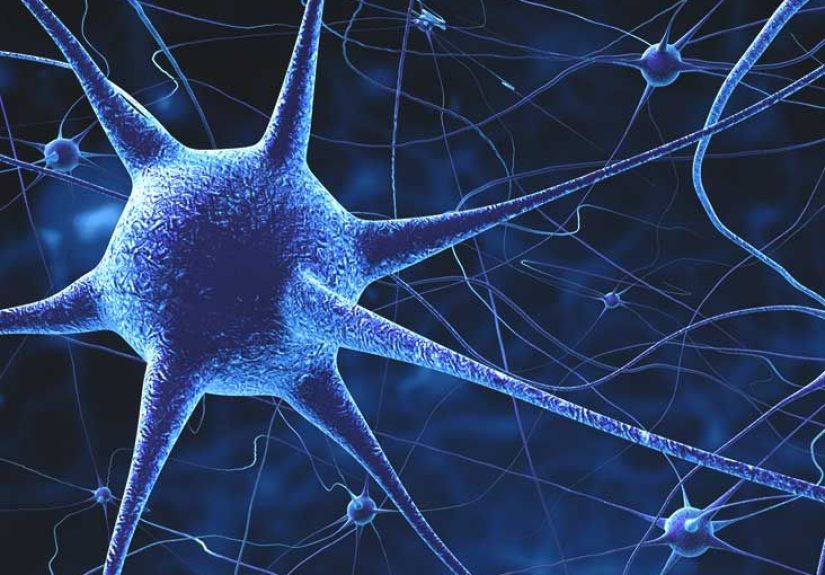
That number is wild enough on its own, but it gets even better. Those neurons do not sit around silently like guests at an awkward party. They are constantly sending and receiving signals, creating a communication web so complex that researchers still have not mapped all of it. The brain also contains huge numbers of supporting cells that help protect, nourish, and maintain the system.
So yes, your brain is only about the size of a couple of fists put together, but it is carrying an absurd amount of biological hardware. No pressure, right?
3. Those neurons make more than 100 trillion connections
Neurons communicate at junctions called synapses, and the number of these connections is mind-bending. The power of the brain is not just in how many cells it has, but in how richly connected those cells are. That is how you can recognize a face, remember a song lyric from years ago, and avoid stepping on a Lego all in the same lifetime.
The brain’s real magic lives in this wiring. The more efficiently those networks work together, the better the brain can process sensation, thought, movement, memory, and emotion.
4. Learning literally changes your brain
This is one of the coolest facts about the brain and nervous system: learning is physical. When you practice a skill, study new information, or repeat an experience, synapses can strengthen or weaken. In plain English, your brain is constantly remodeling itself based on what you do.
That process is often called neuroplasticity. It is why a beginner pianist feels clumsy at first and smoother later. It is why your favorite route home becomes automatic. It is also why cramming the night before an exam feels less impressive than it sounds. The brain likes repetition, not panic with a highlighter.
5. Your brain keeps maturing well into your 20s
A lot of brain development happens early in life, but the job is not finished in the teen years. One of the last regions to mature is the prefrontal cortex, which helps with planning, judgment, decision-making, and emotional regulation. In other words, the part of the brain that says, “Maybe this is not a great idea,” is still fine-tuning itself into the mid-to-late 20s.
That does not mean younger brains are broken. Far from it. It means the brain develops in stages, and some of the most advanced self-management skills take longer to fully come online.
6. Your brainstem is the quiet hero keeping you alive
The brainstem does not usually get the celebrity treatment that the cerebral cortex gets, but it deserves a standing ovation. This structure helps regulate breathing, heart rate, swallowing, and sleep-wake cycles. It handles a long list of automatic functions you probably never think about unless something goes wrong.
Basically, while your conscious mind is busy debating what to stream next, the brainstem is running the body’s life-support checklist in the background. No applause requested. It is just that dedicated.
7. Your cerebellum is your body’s built-in movement coach
The cerebellum, located toward the back of the brain, plays a major role in balance, posture, coordination, and fine motor control. If the cerebrum is the big planner, the cerebellum is the perfectionist editor making sure your movements look smooth instead of chaotic.
Everyday actions such as tying your shoes, typing, using utensils, painting, gaming, and catching yourself when you trip all rely on this system. It helps refine movement so you do not look like a confused marionette every time you reach for your phone.
8. The spinal cord is a high-speed information highway
The spinal cord is not just a support cable hanging under the brain. It is a major relay route that carries signals between the brain and the rest of the body. That is why communication can happen in a split second. Touch something hot, and the message moves fast. Very fast. Fast enough that your hand can be on its way back before you have fully formed the thought, “Well, that was a terrible choice.”
This rapid signaling is one reason the nervous system is so essential for safety. It helps coordinate movement, sensation, and protective responses almost instantly.
9. Myelin helps nerve messages travel faster and more efficiently
Many nerve fibers are wrapped in a protective coating called myelin. You can think of it as insulation around electrical wiring. It helps signals move quickly and helps preserve the strength of the message as it travels. Without healthy myelin, communication can become slower, weaker, or disrupted.
This matters in real life because some neurological diseases involve damage to myelin. Multiple sclerosis is one well-known example. When myelin is harmed, the brain’s instructions may not reach the body as clearly, which can affect movement, sensation, balance, and more.
10. Your gut has its own “second brain”
This one sounds like science fiction, but it is very real. The enteric nervous system, or ENS, is a large network of nerve cells lining the gastrointestinal tract. It contains more than 100 million nerve cells and helps control digestion, blood flow, enzyme release, and movement through the gut.
The ENS is not writing poetry or filing taxes, but it communicates back and forth with the brain in meaningful ways. That is part of why emotions can show up in your stomach. Butterflies before a speech? Sudden digestive rebellion before a big interview? Your gut and brain are absolutely talking about it.
11. Your autonomic nervous system has both a gas pedal and a brake
The autonomic nervous system manages body functions you do not consciously control, including breathing, blood pressure, heart rate, and digestion. It has two major sides that work together. The sympathetic nervous system is the gas pedal, helping trigger the fight-or-flight response. The parasympathetic nervous system is the brake, helping the body return to rest-and-digest mode.
This is why stress can make your heart pound, your palms sweat, and your breathing speed up. It is also why calming down is not just “in your head.” It is a real biological shift. Add good sleep to the mix, and things get even more interesting: sleep helps support memory and appears to be linked to the brain’s waste-clearance system, giving your nervous system something like an overnight cleanup crew.
What These Brain Facts Mean in Real Life
All of these facts point to one big truth: the brain and nervous system are not static. They are dynamic, adaptable, and deeply connected to everyday life. Sleep, stress, learning, movement, digestion, emotion, and memory are not separate little islands. They are part of the same living network.
That is why brain health is not just about avoiding disease. It is also about how you live day to day. Exercise can help keep the brain sharp. Sleep supports memory and recovery. Repetition helps build skill. Stress management matters because your nervous system is always listening. Your body may not send you a formal newsletter, but it definitely sends updates.
Everyday Experiences That Make These Facts Feel Real
If all of this still sounds a little abstract, daily life is full of examples that show the brain and nervous system in action. Forgetting why you walked into a room, suddenly remembering a song from middle school, getting goosebumps during a powerful movie scene, or feeling your stomach twist before a big event are all reminders that this system is always active. It is not only doing the dramatic jobs, like helping you jump away from danger. It is also managing the tiny moments that shape how life feels from one hour to the next.
Think about learning to drive, ride a bike, type faster, or use a new app without looking completely betrayed by technology. At first, every move takes effort. You think through each step. Then, after enough repetition, the task becomes smoother. That is neuroplasticity in everyday clothes. Your brain is not just storing information like a dusty filing cabinet. It is strengthening circuits through repetition until the skill becomes easier and more automatic.
Stress is another easy place to see the nervous system show off. Before a presentation, test, interview, or game, your heart may beat faster, your breathing may change, and your muscles may feel more alert. That is not weakness or random drama. That is your autonomic nervous system hitting the gas pedal. Then, once the event is over and you finally sit down, exhale, and realize you survived, the parasympathetic side starts helping bring things back to normal. The body loves balance, even if it sometimes takes the scenic route to get there.
The gut-brain connection also feels very real once you notice it. Many people lose their appetite when they are nervous, feel queasy when they are anxious, or suddenly need a bathroom at the worst possible moment. Charming, yes. But biologically, it makes perfect sense. Your digestive system has its own major nerve network, and it stays in constant contact with the brain. Emotions do not just happen “in your head.” They can echo through the body.
Sleep may be the most relatable example of all. After a bad night’s sleep, everything can feel harder. Focus slips. Memory gets foggy. Patience becomes a rare and endangered species. After solid sleep, thinking feels cleaner, reactions feel steadier, and even simple tasks feel less annoying. That is because sleep supports memory, mood, attention, and brain maintenance. Your brain does not treat sleep like downtime. It treats it like an essential work shift.
Even those odd little moments, like the phantom buzz of a phone that never rang or the instant reflex of pulling your hand away from a hot pan, show how predictive and protective the nervous system can be. It is always scanning, interpreting, updating, and responding. The amazing part is not that the brain and nervous system do incredible things once in a while. It is that they do incredible things all day long, often without asking for credit. Frankly, if any system in the body deserves better marketing, it is this one.
Conclusion
The more you learn about the brain and nervous system, the less ordinary they seem. This system powers thought, memory, movement, emotion, digestion, stress responses, sleep, and survival with breathtaking precision. From billions of neurons to the gut’s “second brain,” from myelin-wrapped nerve fibers to the brain’s ability to rewire itself through experience, the whole setup is astonishingly smart.
So the next time you catch a ball, calm your nerves, remember an old smell, or feel your stomach flip before something important, remember this: your brain and nervous system are not just keeping you alive. They are shaping how you experience the world, one signal at a time.