Table of Contents >> Show >> Hide
- What Makes a Zucchini Bread “Classic”?
- Classic Zucchini Bread Recipe (2 Loaves)
- Why This Recipe Works
- Pro Tips for the Best Moist Zucchini Bread
- Common Problems and How to Fix Them
- Classic Variations (Without Losing the “Classic” Feel)
- Storage, Freezing, and Make-Ahead
- How to Serve Classic Zucchini Bread
- Classic Zucchini Bread Experiences (Extended Baker’s Notes)
- Final Thoughts
There are two kinds of people in late summer: people who buy one zucchini and people who suddenly own fourteen.
If you’re in group two, welcome. Classic zucchini bread is your best move.
It’s easy, forgiving, freezer-friendly, and somehow feels wholesome even when you’re sneaking a second slice with butter at 10:47 p.m.
(No judgment. This is a safe space.)
This guide gives you a true classic zucchini bread recipe with the texture most home bakers want:
moist but not wet, tender but not crumbly, sweet but not cupcake-level sweet.
You’ll also get practical baking strategyhow to handle watery zucchini, how to avoid dense loaves,
and how to keep every slice soft for days.
What Makes a Zucchini Bread “Classic”?
Classic zucchini bread sits in the quick-bread family. That means no yeast, no proofing, no waiting around
while a dough debates life choices. You mix, pour, and bake.
The flavor profile is familiar and cozy: cinnamon-forward, lightly vanilla, optional walnuts, and a deep golden crust.
A classic loaf also uses pantry basics:
flour, sugar, eggs, oil, baking soda (sometimes a little baking powder), salt, and shredded zucchini.
Some versions add nutmeg, cloves, raisins, or citrus zest. The backbone stays the same.
Classic Zucchini Bread Recipe (2 Loaves)
Ingredients
- 3 cups all-purpose flour
- 1 teaspoon baking soda
- 1/2 teaspoon baking powder
- 1 teaspoon fine salt
- 2 teaspoons ground cinnamon
- 1/4 teaspoon ground nutmeg (optional, but lovely)
- 1 1/2 cups granulated sugar
- 3 large eggs, room temperature
- 1 cup neutral oil (canola or vegetable)
- 2 teaspoons pure vanilla extract
- 2 cups shredded zucchini (lightly squeezed if very watery)
- 3/4 cup chopped walnuts or pecans (optional)
- 1/2 cup raisins or chocolate chips (optional)
Equipment
- Two 8 1/2 x 4 1/2-inch loaf pans (or one 9 x 5-inch plus 4-6 muffins)
- Box grater
- Two mixing bowls
- Whisk and spatula
- Wire rack for cooling
Instructions
- Preheat and prep: Heat oven to 350°F. Grease pans and line with parchment for easier release.
- Shred the zucchini: Wash, trim ends, and grate on the large holes of a box grater.
If your zucchini looks very wet, gently squeeze once in a clean towel. Don’t wring it bone-dry. - Mix dry ingredients: In a large bowl, whisk flour, baking soda, baking powder, salt, cinnamon, and nutmeg.
- Mix wet ingredients: In another bowl, whisk sugar, eggs, oil, and vanilla until smooth and glossy.
- Combine: Add wet to dry. Stir just until almost combined. Fold in zucchini and optional add-ins.
Stop mixing when you no longer see dry flour streaks. - Fill pans: Divide batter evenly. Smooth tops lightly.
- Bake: 50-70 minutes, depending on your pan and oven.
Start checking at 50 minutes. A toothpick should come out with a few moist crumbs, not raw batter. - Cool properly: Let loaves rest in pans 10-15 minutes, then transfer to a rack.
Cool completely before slicing for the cleanest crumb.
Why This Recipe Works
1) Zucchini adds moisture without shouting “vegetable”
Zucchini is mostly water, so it keeps quick breads soft and tender.
That’s why the loaf stays moist for days instead of going dry by tomorrow afternoon.
The trick is balance: enough moisture for tenderness, not so much that the center turns gummy.
2) Oil keeps the crumb soft
Butter brings flavor, but oil usually keeps zucchini bread softer longer.
If you want a slightly richer taste, use half oil and half melted butter.
If your week is chaotic and you need dependable texture, full oil is the reliable friend.
3) Gentle mixing keeps it tender
Quick breads punish overmixing. Stirring too aggressively develops gluten and can make the loaf tight and chewy.
Mix with purpose, then stop early. Lumps are not failure; they are wisdom.
4) Cinnamon is the quiet hero
Classic zucchini bread is not a spice cake, but cinnamon gives it warmth and structure.
A little nutmeg or clove can deepen flavor, but keep it subtle so the loaf still tastes “classic.”
Pro Tips for the Best Moist Zucchini Bread
- Measure flour correctly: Spoon into the cup and level, or use a kitchen scale.
Too much flour is the fastest road to dry bread. - Use medium zucchini when possible: Giant, mature zucchini often carry more seeds and water.
- Adjust moisture by feel: If batter looks runny like pancake batter, squeeze zucchini a bit more.
If batter is thick and stiff, leave zucchini moisture as-is. - Rotate pan halfway: Helps even browning, especially in ovens with hot spots.
- Don’t slice hot: Warm loaves smell amazing, but slicing too soon compresses crumb and traps steam.
Common Problems and How to Fix Them
My zucchini bread is raw in the middle
Usually one of three culprits: underbaking, too much moisture, or incorrect pan size.
Bake longer in 5-minute increments and tent with foil if top browns quickly.
Next batch, lightly squeeze zucchini and verify your oven with an oven thermometer.
My loaf is dry
Most likely too much flour or overbaking. Measure flour carefully and pull loaf once the tester shows moist crumbs.
You can also reduce flour by 2 tablespoons next time or add 2-3 tablespoons applesauce.
It tastes bland
Add 1/2 teaspoon more cinnamon, a pinch of nutmeg, and a bit more salt.
Flavor often brightens on day two, so wrap tightly and taste again before declaring defeat.
It sank after baking
This can happen when batter is too wet, leaveners are old, or the center is underbaked.
Check baking soda freshness every 6 months and bake until center is fully set.
Classic Variations (Without Losing the “Classic” Feel)
Walnut-Cinnamon Classic
Add 3/4 cup toasted walnuts. Toasting adds a deeper, almost buttery nuttiness.
Lemon-Zest Zucchini Bread
Add zest of 1 lemon to the wet mix. Brightens the loaf without changing its identity.
Whole-Wheat Blend
Swap 1 cup all-purpose flour for whole-wheat flour. Keep the other 2 cups all-purpose for tenderness.
Less-Sweet Everyday Loaf
Reduce sugar from 1 1/2 cups to 1 1/4 cups for a breakfast-style loaf.
It’ll still taste sweet, just less dessert-like.
Storage, Freezing, and Make-Ahead
Room temperature: Wrap tightly and store up to 3-4 days.
Refrigerator: Up to 1 week (texture becomes slightly firmer).
Freezer: Wrap loaf (or slices) in plastic, then foil, and freeze up to 3 months for best quality.
Pro move: freeze slices with parchment between them.
Future-you can thaw one slice at a time, which is perfect for “I just need a little snack” moments
that somehow become two slices and tea.
How to Serve Classic Zucchini Bread
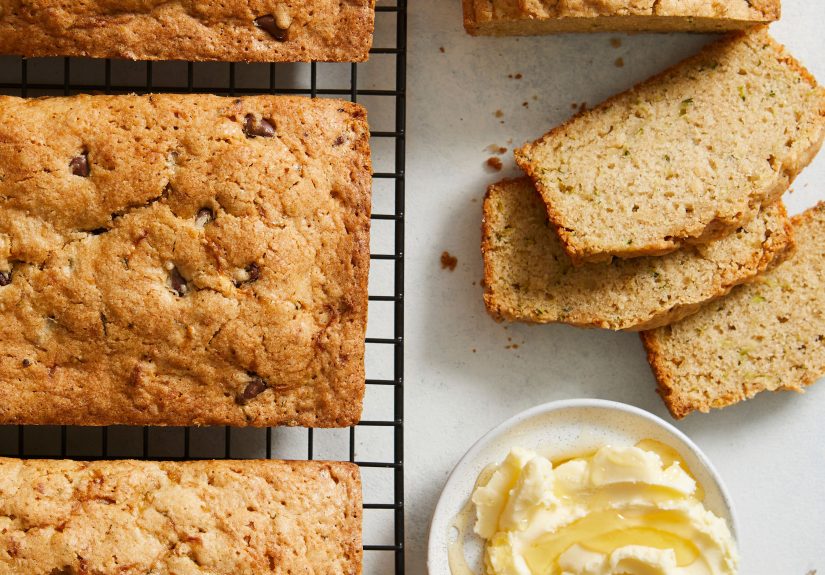
- Warm slice + salted butter
- Toasted slice + cream cheese + cinnamon dust
- Plain slice + strong coffee
- Cube leftovers into a quick bread pudding
- Pack slices for lunchboxes and road trips
Classic Zucchini Bread Experiences (Extended Baker’s Notes)
The first time I made classic zucchini bread, I was convinced I had ruined it.
The batter looked too wet, the loaf rose dramatically like it had big dreams, and the house smelled
so good that people started “just checking” the kitchen every seven minutes.
When I finally sliced it (after pretending I had patience), the center was perfect:
tender, fragrant, and just sweet enough to feel like a treat without tipping into cake territory.
I learned two lessons that day: trust the process, and never bake zucchini bread without making a second loaf.
One loaf is for “sharing.” The second loaf is for reality.
Batch number two taught me about flour measurement.
I used the old scoop-straight-from-the-bag method and accidentally packed in too much flour.
Result: a loaf that looked fine but ate like a polite brick.
Since then, I spoon and level (or weigh), and the difference is dramatic.
The crumb turns soft, slices stay flexible, and the crust gets that beautiful thin crackle.
It’s one of those tiny techniques that feels fussy until you taste what it fixes.
Now it’s muscle memorylike locking the door or pretending you’re only going to eat one slice.
Then came “the giant zucchini incident.”
You know the one: a neighbor hands you a squash the size of a toddler and says, “You can totally use this for bread!”
Technically true, but those huge zucchini can hold a lot of water and mature seeds.
I split it, scraped the seedy core, grated the rest, and squeezed it lightly in a towel.
That tweak saved the loaf. Moist, not soggy. Rich, not gummy.
It also taught me that good baking isn’t rigidit’s responsive.
Great bakers read the batter and adjust.
The recipe is the map; your zucchini is the weather.
My favorite memory is teaching a beginner bakersomeone convinced they were “bad at baking.”
We made this exact recipe side by side.
I had them mix until just combined, even though every instinct said, “one more stir.”
We checked doneness with a toothpick, cooled the loaf properly, and sliced it with the dramatic
seriousness of a cooking show finale.
Their face when they tasted it? Pure victory.
That loaf disappeared in a day, and now they bake zucchini bread every summer.
Nothing beats watching someone realize that consistency in baking is learnable, not magical.
Over time, classic zucchini bread became my “bridge bake”the thing I make for new neighbors,
friends with new babies, students in exam week, and relatives who say they don’t like vegetables.
(They do, apparently, when those vegetables are paired with cinnamon and sugar.)
I’ve made it for potlucks, road trips, and lazy Sundays when the goal is simply to make the kitchen feel kind.
It holds up, travels well, and tastes even better the next day.
If you want one recipe that turns surplus produce into pure comfort, this is it.
It’s practical enough for meal prep, cozy enough for family rituals, and easy enough to make on repeat.
Classic zucchini bread earns its spot in your recipe box because it solves a problem and creates a memory at the same time.
Final Thoughts
A great classic zucchini bread recipe is less about perfection and more about rhythm:
grate, mix gently, bake fully, cool completely, share generously.
Once you nail the base loaf, you can riff forevernuts, citrus, chocolate, whole-grain flour, or a lighter sugar profile.
But start here. Master the classic.
It’s the loaf you’ll come back to every season.