Table of Contents >> Show >> Hide
- Why Talking Objects Make Such Great Illustration Material
- What These 25 New Illustrations Would Say
- 1. The Alarm Clock
- 2. The Coffee Mug
- 3. The Phone Charger
- 4. The Umbrella
- 5. The Sock Without a Match
- 6. The Fridge Light
- 7. The Pencil
- 8. The Eraser
- 9. The Pizza Slice
- 10. The Ice Cube
- 11. The Candle
- 12. The Toothbrush
- 13. The Doormat
- 14. The Water Bottle
- 15. The Shopping Cart
- 16. The Laptop
- 17. The Houseplant
- 18. The Laundry Basket
- 19. The Mirror
- 20. The Bookmark
- 21. The Remote Control
- 22. The Frying Pan
- 23. The Stapler
- 24. The Towel
- 25. The Trash Can
- Why These Illustrations Work Beyond the Joke
- How to Build a Strong “If Things Could Talk” Illustration Series
- Experiences Related to Creating “If Things Could Talk” Illustrations
- Conclusion
Some art hangs quietly on a wall. This kind of art absolutely does not. It whispers, complains, panics, rolls its imaginary eyes, and occasionally says something so perfectly petty that you want to frame it and send it to a friend at 2 a.m. That is the joy of illustrations built around talking objects: they turn ordinary stuff into tiny comedians with strong opinions and suspiciously relatable personalities.
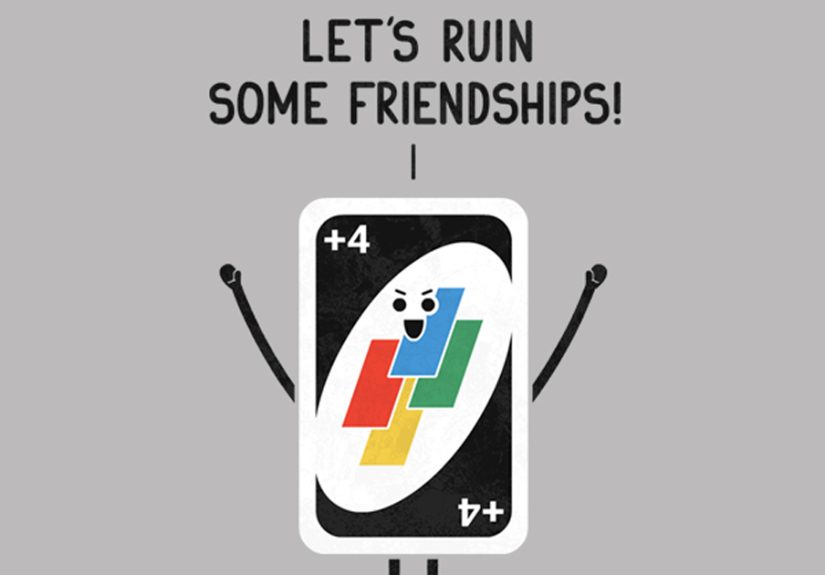
There is something wildly satisfying about looking at a sock, a coffee mug, or a slice of pizza and thinking, “Yep, that little guy definitely has a full emotional backstory.” A personified object can do in one panel what a full page of explanation sometimes cannot. It lands a joke, hints at a relationship, creates instant tension, and invites the viewer to finish the story in their own head. In other words, funny illustrations about talking things are not just cute. They are smart visual storytelling disguised as a snack-sized laugh.
This collection idea, If Things Could Talk This Is What They Would Say, works because it takes the most familiar objects in daily life and lets them reveal the drama we usually project onto them anyway. Your alarm clock is not neutral. Your dying phone battery is not innocent. Your umbrella absolutely believes you only remember it when the weather becomes personal. By giving common items a voice, these illustrations transform routine moments into visual puns, mini character studies, and little bursts of comic truth.
Why Talking Objects Make Such Great Illustration Material
The best funny illustrations do not depend on elaborate setups. They depend on recognition. You see an object, you understand what it does, and then the artwork twists that knowledge just enough to make it feel fresh. A fork can be judgmental. A candle can be dramatic. A toaster can have self-esteem issues. Once the audience accepts the premise, the joke arrives almost instantly.
That speed matters. In a crowded digital world, visual humor has to work fast. A strong personified illustration gives viewers a character, a mood, and a punchline in seconds. That is one reason anthropomorphic art and object-based comics travel so well online. They are easy to read, easy to share, and surprisingly memorable. More importantly, they tap into something deeply human: our tendency to see faces, motives, and emotions everywhere. Give an orange a worried eyebrow and suddenly it is not produce. It is a little actor in a citrus tragedy.
There is also a craft advantage here. When artists let objects talk, they do not need huge casts or complex worlds. A spoon and a bowl can carry a whole scene. A pencil and an eraser can have the kind of relationship some couples should probably discuss in therapy. The humor comes from contrast: a simple object paired with very human feelings. That tension creates a style of visual storytelling that feels both playful and sharp.
What These 25 New Illustrations Would Say
Below are 25 illustration ideas built around personified objects, visual puns, and everyday absurdity. Each one turns a familiar thing into a character with something to say, because apparently our household items have been waiting far too long for the mic.
1. The Alarm Clock
“I do not enjoy this either, but unlike you, I actually show up every morning.” A grumpy alarm clock with dark under-eye circles would make the perfect opening illustration for the whole series.
2. The Coffee Mug
“Let’s not talk until I’m full.” This one practically writes itself. A half-awake mug with a caffeine dependency would feel painfully relatable to anyone who has ever attempted conversation before coffee.
3. The Phone Charger
“Interesting how I am suddenly your best friend at one percent.” A slightly smug charger could capture the very one-sided nature of modern loyalty.
4. The Umbrella
“Oh, now you remember me.” The umbrella is the undefeated champion of neglected essentials, always ignored until the sky starts acting dramatic.
5. The Sock Without a Match
“I am not single. I am vintage.” Few objects carry more emotional chaos than the lonely sock, which makes it perfect material for funny illustrations and soft existential comedy.
6. The Fridge Light
“I see your midnight decisions, and frankly, I have concerns.” This illustration would thrive on the awkward intimacy between a glowing fridge interior and a snack-driven human.
7. The Pencil
“I create masterpieces, and that pink guy gets all the mistakes.” Pairing a proud pencil with a smug eraser gives you instant comic chemistry.
8. The Eraser
“Please. I am crisis management.” The eraser would answer the pencil like the exhausted co-worker who keeps fixing everyone else’s mess.
9. The Pizza Slice
“I was supposed to be shared. We both know how that ended.” One slightly betrayed slice on a near-empty box creates a joke that needs no further explanation.
10. The Ice Cube
“I would love to keep talking, but I’m going through something.” The visual pun is simple, but the emotional commitment is what sells it.
11. The Candle
“I bring ambiance, warmth, and an unreasonable amount of self-sacrifice.” Candles are naturally theatrical. All they need is a face and a tiny flame-powered ego.
12. The Toothbrush
“Twice a day, every day, and still no thank-you speech.” An overworked toothbrush belongs in any collection about talking things with justified resentment.
13. The Doormat
“I literally set boundaries, and people still walk all over me.” This one gives you wordplay, personality, and a joke that lands in one glance.
14. The Water Bottle
“You carry me everywhere and still forget to drink me.” The water bottle is wellness culture with abandonment issues.
15. The Shopping Cart
“You came in for toothpaste. Explain the candles, snacks, and waffle maker.” A suspicious cart could perfectly capture retail mission creep.
16. The Laptop
“I have twenty-seven tabs open, and so do you emotionally.” This one is tailor-made for modern life, where digital clutter and mental clutter basically share a lease.
17. The Houseplant
“I asked for sunlight, not a motivational speech.” A droopy plant with deadpan energy is a guaranteed crowd-pleaser in any anthropomorphic art collection.
18. The Laundry Basket
“I am a basket, not a long-term storage system.” Every home has one. Every home is guilty.
19. The Mirror
“I reflect. I do not edit. Please manage your expectations.” This illustration would thrive on the mirror’s brutal honesty and total refusal to participate in denial.
20. The Bookmark
“You said one chapter. We both know that was fiction.” A bookmark can be either patient or passive-aggressive, and honestly, both are correct.
21. The Remote Control
“I was on the couch the whole time. You just panicked theatrically.” The remote is less an object than a recurring domestic mystery.
22. The Frying Pan
“I can take the heat. Can you?” A confident frying pan brings a little swagger into the kitchen, where most culinary disasters begin with optimism.
23. The Stapler
“I hold things together, and nobody notices until I disappear.” Office supplies are criminally underrated when it comes to personified objects.
24. The Towel
“I had one job, and somehow I’m on the floor again.” A deeply offended towel is one of those ideas that feels funny because it is so avoidably tragic.
25. The Trash Can
“I accept everything, and yet somehow I’m still the messy one.” Ending the series with a trash can gives the collection one last sarcastic bow and a strangely philosophical aftertaste.
Why These Illustrations Work Beyond the Joke
What makes a collection like this more than a parade of punchlines is the combination of humor and emotional shorthand. The object is never just an object. It stands in for habits, frustrations, relationships, and those tiny daily moments people rarely talk about but instantly understand. The phone charger is about dependence. The houseplant is about neglect disguised as affection. The laundry basket is about procrastination wearing gym shorts.
That layered meaning is what gives personified illustrations their staying power. A viewer laughs first, then recognizes themselves second. That sequence matters. It keeps the art light, but not empty. The best talking-object artwork feels silly on the surface and sneakily observant underneath. It says, “Here is a joke,” while quietly adding, “Also, you are absolutely the problem.”
There is also a visual reason this format performs so well. Artists can simplify shapes, exaggerate expressions, and use color or composition to direct attention immediately. A banana peel does not need a ten-panel backstory if its face already communicates betrayal. A nervous teabag does not require a biography if one glance shows it entering hot water with the energy of someone opening a work email on Sunday night. Strong funny illustrations succeed when design and caption do equal work.
How to Build a Strong “If Things Could Talk” Illustration Series
If you are creating your own series around talking objects, the secret is not randomness. It is observation. Start with things people interact with all the time. Then ask what emotional role that object already plays in daily life. Is it helpful, ignored, blamed, overused, dramatic, clingy, or silently disappointed? Once you find the emotional angle, the joke tends to reveal itself.
It also helps to keep the language short. Talking-object humor works best when the line sounds like something the object has been wanting to say forever. Clean captions, readable expressions, and simple compositions usually beat overexplaining. You are not writing a monologue for a blender. You are catching it in one glorious, honest moment.
And finally, variety matters. A strong collection mixes sweet jokes, dark jokes, clever puns, and scenes that feel weirdly tender. One object can roast you. The next can break your heart a little. That emotional range keeps visual storytelling fresh and makes a 25-illustration set feel like a real world instead of one repeated trick.
Experiences Related to Creating “If Things Could Talk” Illustrations
Creating artwork like this changes the way you move through ordinary life. Once you begin imagining what objects would say, the world becomes less quiet and much more opinionated. Grocery stores turn into cast auditions. Kitchen counters become neighborhoods. A cracked plate is no longer just a cracked plate; it is an exhausted veteran with stories. A nearly empty toothpaste tube is a dramatic overachiever trying to deliver one final performance. The funniest part is that after a while, this stops feeling like a gimmick and starts feeling like a real creative habit.
One of the most interesting experiences in building a series like this is discovering how often humor comes from irritation. Many of the best ideas are born from tiny annoyances: tangled earbuds, dying batteries, disappearing pens, the one container lid that never matches anything. Those little frustrations already carry emotion, which means they already carry character. The artist’s job is not to invent life from nothing. It is to notice the personality that daily routines are practically begging to reveal.
Another experience that stands out is how quickly viewers connect with object-based humor. People may not agree on politics, fashion, or whether pineapple belongs on pizza, but hand them an illustration of a shopping cart judging impulse purchases and suddenly everybody is united. Talking-object art has a low barrier to entry because the cast is familiar. You do not need lore, backstory, or a map of an imaginary kingdom. You need a spoon, a sentence, and a sharp sense of timing.
There is also something unexpectedly personal about making these illustrations. Even when the subject is a banana, the joke often reveals the artist’s own habits, stress, routines, and emotional weather. The objects that get personified are usually the ones closest to daily life, which means the artwork becomes a sideways diary. A laptop complaining about too many tabs is not really about technology. It is about mental overload. A candle talking about self-sacrifice is not just décor with a face. It is a funny little metaphor sneaking into the room wearing vanilla scent.
Perhaps the best experience of all is realizing that whimsy and craft do not cancel each other out. A playful illustration can still be smart, polished, and emotionally precise. In fact, humor often requires more control than seriousness does. The line has to be short. The pose has to read instantly. The object has to remain recognizable while still feeling alive. When all of that clicks, the result feels effortless, even though it absolutely is not. That is the magic of a strong visual joke: it looks simple because the artist did the hard work before the laugh arrived.
And yes, after spending enough time with this concept, you may begin to suspect your coffee mug really is judging you. At that point, congratulations. The series is working.
Conclusion
If Things Could Talk This Is What They Would Say (My 25 New Illustrations) is such an appealing concept because it turns the everyday world into a cast of witty, flawed, surprisingly emotional characters. These funny illustrations are more than quick jokes. They are compact acts of visual storytelling that make ordinary objects feel expressive, memorable, and weirdly human. Whether the humor leans cute, sarcastic, or quietly existential, the format works because it reflects how people already experience life: full of feelings, full of projection, and full of moments when even a doormat seems one inconvenience away from giving a speech.
When object personification is done well, it creates art that is easy to enjoy and hard to forget. A single panel can make people laugh, feel seen, and immediately share it with someone who also forgets where the remote is every night. That is the sweet spot. Not just talking things, but talking things that tell the truth.