Table of Contents >> Show >> Hide
- What Is Rhodiola Rosea?
- 1. Rhodiola Rosea May Help Your Body Handle Stress Better
- 2. It Can Reduce Mental and Physical Fatigue
- 3. Rhodiola Rosea May Support Focus, Attention, and Mental Performance
- 4. It May Improve Mood and Mild Depressive Symptoms
- 5. Rhodiola Rosea May Enhance Exercise Endurance and Recovery
- 6. It May Help You Feel More Resilient During Demanding Periods
- 7. Rhodiola Rosea May Support a Healthier Relationship With Energy
- What the Science Still Does Not Prove
- Side Effects, Safety, and Who Should Be Careful
- How to Think About Rhodiola Rosea in Real Life
- Experiences People Commonly Report With Rhodiola Rosea
- Final Thoughts
- SEO Tags
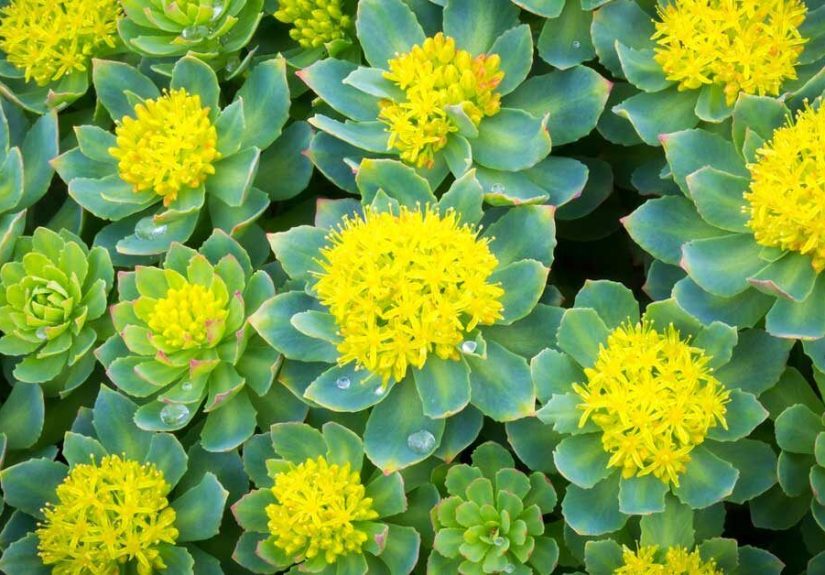
Rhodiola rosea has one of those names that sounds like it should belong to either a rare alpine flower or a glamorous opera singer. As it turns out, it is a little of both: a hardy plant that grows in cold, mountainous regions and a supplement that has become a star in the wellness world. People take it for stress, energy, focus, mood, and exercise support. That is a very ambitious résumé for one root.
So, does rhodiola actually deserve the hype? The honest answer is refreshingly boring and therefore trustworthy: sometimes, yes. Research suggests rhodiola may offer real benefits, especially for stress-related fatigue, mental performance under pressure, and overall resilience. But it is not a magic fix, not a substitute for sleep, and definitely not a permission slip to answer emails at midnight while calling it “self-care.”
This guide breaks down 7 proven health benefits of rhodiola rosea, what the science suggests, where the evidence is strongest, where it is shakier, and how to think about this adaptogenic herb like a sensible adult with a functioning browser history.
What Is Rhodiola Rosea?
Rhodiola rosea, sometimes called golden root or roseroot, is an adaptogenic herb. “Adaptogen” is the word supplement companies love because it sounds both scientific and mystical, but in practical terms it refers to substances that may help the body handle physical and mental stress more efficiently.
The compounds most often discussed in rhodiola extracts are rosavins and salidroside. These are believed to be the main active components linked to the herb’s potential effects on stress response, fatigue, mood, and cognitive function. Many supplements are standardized to specific amounts of these compounds, which matters because one rhodiola capsule can be very different from another. In supplement land, consistency is not always the default setting.
1. Rhodiola Rosea May Help Your Body Handle Stress Better
The biggest reason people reach for rhodiola is simple: modern life is a full-contact sport. Between work, school, family responsibilities, news alerts, traffic, bills, and the mysterious emotional damage caused by group chats, stress is practically a subscription service.
Rhodiola is best known for its role in stress support. Research suggests it may help regulate the body’s stress response, especially through systems linked to the hypothalamic-pituitary-adrenal axis, often shortened to the HPA axis. That is the same system involved in how your body reacts when life throws chaos, deadlines, and awkward social interactions in your direction.
What makes rhodiola interesting is that it does not work like a sedative. It usually is not described as making people sleepy or zoned out. Instead, it may help some people feel more balanced under pressure. That makes it appealing for those who want support without feeling like they took a nap in capsule form.
Why this benefit matters
When stress becomes chronic, it can ripple into sleep, energy, mood, concentration, cravings, and even exercise recovery. A supplement that helps people feel steadier under stress can have a surprisingly wide impact on day-to-day life. That does not make rhodiola a cure-all, but it does explain why this herb keeps showing up in conversations about natural stress relief.
2. It Can Reduce Mental and Physical Fatigue
If stress is the fire, fatigue is often the smoke. One of the most studied rhodiola benefits is its potential to reduce mental fatigue and physical tiredness, especially when that fatigue is tied to stress, poor recovery, or intense cognitive demands.
Several studies have found that people taking rhodiola reported improvements in tiredness, attention, and work capacity. This is one reason the herb is popular with students, busy professionals, shift workers, and anyone who has ever opened a laptop and immediately forgotten why.
Importantly, rhodiola does not usually act like caffeine. It is generally described as more subtle. Instead of creating a jolt, it may help reduce the sense of running on fumes. That difference matters. Some people do not need more stimulation; they need less friction between their brain and the tasks in front of them.
Not all fatigue is the same
Fatigue caused by iron deficiency, thyroid disease, sleep apnea, depression, infection, or medication side effects needs real medical evaluation. Rhodiola may support stress-related fatigue, but it should not become a decorative Band-Aid over a bigger issue.
3. Rhodiola Rosea May Support Focus, Attention, and Mental Performance
Another appealing rhodiola benefit is its possible effect on cognitive performance. Some research suggests it may improve attention, concentration, reaction time, and the ability to perform mentally demanding tasks under stressful conditions.
This does not mean rhodiola turns people into chess grandmasters or spreadsheet prophets. What it may do is help reduce the mental drag that stress and fatigue create. If your brain feels like it has too many tabs open, rhodiola may help a few of them stop autoplaying.
That makes rhodiola especially interesting for situations that demand sustained mental effort: exams, complex projects, night shifts, presentations, or long workdays where the coffee stopped helping three hours ago.
How this may work
Researchers think rhodiola may influence neurotransmitters and cellular energy systems involved in alertness and resilience. The full mechanism is still being studied, but the practical takeaway is easier to understand: when stress and fatigue go down, mental performance often goes up.
4. It May Improve Mood and Mild Depressive Symptoms
Rhodiola is also studied for mood support, including mild to moderate depressive symptoms. Here, the science gets interesting but also more nuanced. Some studies suggest rhodiola may help reduce low mood, emotional fatigue, and lack of motivation. However, it is not as effective as standard antidepressants in head-to-head comparisons.
That is not necessarily bad news. In some research, rhodiola appeared to be better tolerated than certain antidepressants, with fewer reported side effects. For people with mild symptoms who are exploring options with a clinician, that balance of gentler effect and better tolerability may be meaningful.
Still, rhodiola should not be marketed as a replacement for evidence-based mental health care. If someone is dealing with major depression, severe anxiety, panic, or persistent mood changes, the answer is not “just take an herb and vibe harder.” Professional care matters.
Where rhodiola may fit
Rhodiola may be most useful as part of a broader support plan that includes sleep, movement, therapy, stress management, and medical guidance when needed. Think of it as one supporting actor, not the entire cast.
5. Rhodiola Rosea May Enhance Exercise Endurance and Recovery
Ask around the supplement aisle and you will hear rhodiola described as an herb for endurance, stamina, and athletic performance. The research here is promising, though not perfectly consistent.
Some studies and reviews suggest rhodiola may improve endurance exercise performance, reduce perceived effort, and support recovery by limiting some exercise-related fatigue and muscle damage. In plain English, it may help workouts feel a little less brutal and recovery a little less dramatic.
That does not mean you swallow rhodiola and instantly become the person who enjoys hill sprints. Biology has limits. But for recreational exercisers and athletes under training stress, rhodiola may offer a modest edge, especially when fatigue is part of the performance problem.
Why athletes pay attention to it
Rhodiola is attractive because it sits at the intersection of stress resilience and physical performance. Hard training is a form of stress. If an herb helps the body cope with stress more efficiently, it makes sense that exercise performance might benefit, too.
6. It May Help You Feel More Resilient During Demanding Periods
This benefit overlaps with stress and fatigue, but it deserves its own spotlight because it is often what users notice first: a greater sense of overall resilience. Not necessarily “I can run a marathon barefoot,” but more like “I handled a packed week without falling apart over one mildly passive-aggressive email.”
Rhodiola may help improve how people function during intense periods of work, travel, training, or emotional strain. That broader sense of resilience is likely why it has been used traditionally for work capacity, stamina, and endurance in harsh environments.
When people say rhodiola helps them “cope better,” they usually mean a mix of steadier energy, clearer thinking, less overwhelm, and faster bounce-back after stress. That combination can feel subtle in theory but very noticeable in real life.
Why subtle benefits can still be valuable
Not every useful supplement has dramatic before-and-after effects. Sometimes the real benefit is that the day feels less jagged. You still have responsibilities. You still have deadlines. You still have laundry. But the friction is lower, and that can be a genuine quality-of-life improvement.
7. Rhodiola Rosea May Support a Healthier Relationship With Energy
One underrated benefit of rhodiola is that it may support energy without behaving like a classic stimulant. That distinction matters for people who do not tolerate caffeine well, get jittery with pre-workouts, or feel trapped in the daily loop of “coffee, crash, repeat.”
Rhodiola’s energy support is usually described as smoother and more adaptive. Rather than forcing alertness through brute chemical enthusiasm, it may help the body manage fatigue and stress in a way that feels steadier. For some people, that means better focus. For others, it means less afternoon collapse. For others still, it means they can think clearly without feeling like a hummingbird in business attire.
That makes rhodiola especially appealing for people who want a more balanced approach to natural energy support. It is not a replacement for sleep, food, hydration, or sane scheduling, but it may complement those basics rather well.
What the Science Still Does Not Prove
Now for the necessary reality check. Even though rhodiola has several promising benefits, the evidence is not perfect. Some studies are small. Some use different extracts and doses. Some have methodological limitations. And the best government-backed summaries still say the overall human evidence is not strong enough to make sweeping claims for every health use.
That means rhodiola sits in an interesting middle ground. It is not nonsense, but it is also not settled science. The fairest summary is this: rhodiola appears most useful for stress-related fatigue, mental performance under strain, and resilience, while benefits for mood and exercise look promising but need better-quality research.
Side Effects, Safety, and Who Should Be Careful
Rhodiola is generally considered possibly safe for short-term use in healthy adults, but “natural” does not mean “risk-free.” Reported side effects can include headache, dizziness, dry mouth, and insomnia. That last one is especially worth noting because some people take rhodiola too late in the day and then wonder why their brain is auditioning for a late-night radio show at 1 a.m.
You should be especially cautious if you:
- Take prescription medications, especially for blood pressure, seizures, or blood thinning
- Are pregnant or breastfeeding
- Have ongoing anxiety, depression, or another mental health condition and are considering it as self-treatment
- Use multiple supplements at once and cannot remember what is doing what
Because supplements are not regulated like prescription medications, quality can vary. A well-labeled product from a reputable brand is usually a smarter bet than whatever capsule has the loudest promises and the most lightning bolts on the bottle.
How to Think About Rhodiola Rosea in Real Life
If you are curious about rhodiola rosea benefits, the smartest approach is not to ask, “Will this change my life?” A better question is, “Could this help a little, in the right context, for the right reason?”
That framing is more useful because rhodiola seems to shine when stress and fatigue are the real problem. If your sleep is wrecked, your calendar is unhinged, and lunch was two crackers and hope, rhodiola will not fix the foundation. But if you already have decent habits and want extra support for resilience, focus, and steady energy, it may be worth discussing with a healthcare professional.
Experiences People Commonly Report With Rhodiola Rosea
To make this topic more practical, it helps to look at the kinds of experiences people often describe when they try rhodiola. This section is not proof, diagnosis, or a substitute for clinical data. Think of it as the human side of the conversation: what the supplement feels like in ordinary life when it seems to work, when it does not, and when it becomes obvious that expectations were doing a lot of heavy lifting.
A common experience is that rhodiola does not feel dramatic at first. Many people expect a burst of energy, almost like a clean version of an energy drink. Instead, they describe something more subtle: less mental drag in the morning, fewer stress spikes during the day, and a slightly easier time getting through tasks that normally feel overwhelming. It is often the absence of friction rather than the presence of fireworks.
Another recurring theme is improved focus during stressful periods. Someone juggling deadlines may notice that they are still busy, still under pressure, and still mildly offended by their inbox, but they are not mentally unraveling at 2 p.m. the way they usually do. The effect can feel less like “supercharge my brain” and more like “make my brain stop arguing with me while I try to finish one thing.”
People who use rhodiola for fatigue often describe a smoother kind of energy. Instead of a buzz, they report feeling steadier and more capable of moving through the day without the hard crash that sometimes follows caffeine or sugary pick-me-ups. That does not mean everyone suddenly becomes a morning person. Let us stay realistic. But some users do say their usual afternoon slump feels less intense.
Exercise-focused users sometimes report better endurance or an easier time recovering from demanding training blocks. In real life, that may show up as feeling less wiped out after a tough session, being more willing to train again the next day, or noticing that perceived effort is a little lower during cardio. It is not the kind of effect that turns a beginner into an Olympian by Tuesday, but it may be enough to matter over weeks of consistent training.
There are also less glamorous experiences, and those are important. Some people report that rhodiola does very little for them. Others say it makes them feel too alert, slightly wired, or restless, especially if they take it later in the day. A few learn the classic supplement lesson: if you throw a new capsule into a chaotic schedule, poor sleep, high stress, and five other supplements, it becomes nearly impossible to tell what is helping and what is just making your medicine cabinet look ambitious.
Then there is the expectation gap. Because rhodiola is often marketed with phrases like “energy,” “performance,” and “stress support,” some people expect instant transformation. When the result is simply “I handled a rough week a bit better,” that can sound underwhelming, even though it may actually be the most realistic and useful outcome. In the wellness world, modest but meaningful tends to lose the marketing battle to dramatic but questionable.
The most grounded experience-based takeaway is this: rhodiola seems most appreciated by people who want to feel more resilient, not superhuman. They want steadier energy, clearer focus, less stress-related fatigue, and a gentler relationship with daily demands. When used with reasonable expectations, quality products, and a bit of common sense, that is where rhodiola tends to make the most sense.
Final Thoughts
Rhodiola rosea earns its reputation best when it is discussed honestly. It is not a miracle root, not a cure for chronic exhaustion, and not a replacement for medical care. But it is also not empty hype. The most convincing evidence suggests it may help with stress, fatigue, focus, resilience, mood support, and exercise endurance, especially when those issues are linked to overload rather than a deeper untreated condition.
If you are looking for a supplement that may help you stay steadier under pressure, rhodiola is one of the more interesting options on the table. Just keep your expectations evidence-based, your product quality high, and your sense of humor fully intact. Wellness is serious business, but it does not have to be joyless.