Table of Contents >> Show >> Hide
- What Poison Ivy Rash Really Is
- The Best Home Remedies for Poison Ivy
- 1. Wash the Skin Fast, and Wash It Well
- 2. Use Cool Compresses for Fast Itch Relief
- 3. Take a Lukewarm Oatmeal Bath
- 4. Add Baking Soda to a Cool or Lukewarm Bath
- 5. Reach for Calamine Lotion
- 6. Try Hydrocortisone for Mild Cases
- 7. Use Aluminum Acetate Soaks for Weepy Blisters
- 8. Consider an Oral Antihistamine, Especially at Night
- 9. Keep the Skin Cool and Hands Busy
- What Not to Put on Poison Ivy
- When Home Remedies Are Not Enough
- How to Prevent the Next Poison Ivy Episode
- Real-World Experiences With Poison Ivy Home Remedies
- Final Thoughts
Poison ivy has a special talent: it can turn a perfectly normal afternoon outside into a scratchy little nightmare. One minute you are pulling weeds, hiking a trail, or rescuing a soccer ball from the bushes like a hero. The next minute, your skin is sending hate mail. The culprit is urushiol, an oily resin found in poison ivy, poison oak, and poison sumac. Once it touches skin, it can trigger an allergic rash that feels like your body has declared war over a leaf.
The good news is that many mild cases can be managed at home. The better news is that the best poison ivy remedies are not mysterious forest potions whispered about by your cousin’s neighbor. They are practical, dermatologist-backed steps that cool the skin, calm inflammation, reduce itching, and help you avoid getting re-exposed. In other words, there is a way through this besides standing in front of a fan and trying not to claw your own arm off.
Note: Home remedies work best for mild poison ivy rashes. If the rash is on your eyes, mouth, face, or genitals, covers a large part of your body, keeps getting worse, shows signs of infection, or comes with trouble breathing or swallowing, get medical care right away.
What Poison Ivy Rash Really Is
Before diving into the best home remedies for poison ivy, it helps to know what you are dealing with. Poison ivy rash is a form of allergic contact dermatitis. That means the rash is not caused by germs, and it is not contagious in the usual sense. You cannot “catch” it by touching someone’s blisters. The real problem is the leftover urushiol oil. If that oil is still on skin, clothes, shoes, tools, pet fur, or gardening gloves, it can keep causing new exposure and make it look like the rash is spreading.
That delayed, sneaky timing is part of what makes poison ivy so annoying. A rash may show up within hours for some people, while others do not react until a day or two later. It can appear in lines or streaks where the plant brushed the skin, and it often comes with redness, swelling, bumps, blisters, and intense itching. The fluid inside the blisters does not spread the rash. The oil does. Poison ivy is basically a lesson in why cleanup matters.
The Best Home Remedies for Poison Ivy
1. Wash the Skin Fast, and Wash It Well
If you think you touched poison ivy, your first and best move is simple: wash the area as soon as possible. Use soap and plenty of water, and do not forget under your fingernails. The goal is to remove the urushiol oil before more of it binds to the skin. This step will not always prevent a rash, but it can reduce how severe the reaction becomes. Think of it as damage control for the great leaf betrayal.
Do not stop with your skin. Wash the clothes you were wearing, the gloves you used, the garden tools you touched, and even your shoes. If your dog or cat bulldozed through the brush and then came home for cuddles, their fur may also carry the oil. If you skip cleanup, poison ivy can become the gift that keeps on re-gifting.
2. Use Cool Compresses for Fast Itch Relief
One of the most effective poison ivy home remedies is also one of the easiest. Soak a clean washcloth in cool water, wring it out, and place it over the itchy area for 15 to 30 minutes. Repeat several times a day. Cool compresses help soothe inflammation, calm the itch, and give you a break from the urge to scratch.
This is especially helpful when the rash is hot, swollen, or blistered. Just keep the compress cool, not icy. Your skin needs comfort, not a dramatic spa treatment from the frozen-food aisle.
3. Take a Lukewarm Oatmeal Bath
Colloidal oatmeal baths are one of the classic remedies for poison ivy for a reason: they work. Oatmeal helps calm irritated skin and can make the whole-body itch more bearable when the rash is scattered across multiple areas. Use a colloidal oatmeal product made for baths, follow the package directions, and soak in lukewarm water for a short session.
Keep the water lukewarm, not hot. Hot water may feel glorious for about five seconds, then it often makes itching worse. Poison ivy skin already feels offended. Do not escalate the argument.
4. Add Baking Soda to a Cool or Lukewarm Bath
Another solid home remedy for poison ivy is a baking soda bath. Adding baking soda to bathwater may help soothe itching and dry out irritated, oozy areas. This is a simple option when oatmeal is not in the cabinet or when you want another gentle way to take the edge off.
You can also make a baking soda paste with a small amount of water and dab it lightly on a small itchy patch, but baths tend to be easier and gentler for larger areas. The keyword here is gentle. Poison ivy is not the time to scrub like you are sanding a deck.
5. Reach for Calamine Lotion
Calamine lotion remains one of the best over-the-counter treatments for poison ivy because it helps dry weepy blisters and reduces itching. It is not glamorous, and yes, it can leave you looking slightly pastel, but poison ivy is not a beauty pageant. It is survival.
Apply a thin layer to the rash as directed. Many people find it especially helpful during the first few days when the rash is inflamed and itchy. It is a simple, old-school option that still earns its place in modern medicine cabinets.
6. Try Hydrocortisone for Mild Cases
If the rash is mild and not too widespread, a low-strength over-the-counter hydrocortisone cream may help reduce itching and inflammation. This works best early in the rash, especially before blisters become severe. Use it as directed and avoid slathering it on huge areas without medical advice.
Hydrocortisone is not the right choice for every situation, and it is not enough for a severe reaction. But for smaller patches, it can be a useful addition to your poison ivy treatment routine at home.
7. Use Aluminum Acetate Soaks for Weepy Blisters
When the rash is blistery, damp, or especially irritated, aluminum acetate solution soaks can be helpful. Products such as Domeboro are often recommended to dry the rash and soothe inflamed skin. This remedy does not get as much fame as calamine lotion, but it deserves a polite round of applause.
Use it exactly as directed on the label. It is especially useful for poison ivy that feels raw or keeps oozing. If your rash looks like it is trying to become its own weather system, this is one of the better home-care tools to know about.
8. Consider an Oral Antihistamine, Especially at Night
Poison ivy itching can wreck sleep, patience, and any attempt at acting like a reasonable person. An oral antihistamine may help some people, especially at bedtime when the itching feels extra dramatic. The sedating kind can make nighttime a little easier.
What you should not do is apply topical antihistamine cream to the rash unless a clinician specifically tells you to. That can irritate the skin further and make the rash even angrier. Poison ivy does not need encouragement.
9. Keep the Skin Cool and Hands Busy
Heat and sweating can make poison ivy itch worse. Wear loose, soft clothing. Keep the room cool if you can. Skip intense workouts for a day or two if they leave you sweaty and miserable. And trim your nails, because scratching can break the skin and invite a bacterial infection. Suddenly, the rash that was merely annoying becomes a two-problem situation.
If you need a practical trick, keep your hands occupied when the itching spikes. Hold a cool washcloth, tap the area lightly instead of scratching, or reapply a compress. It sounds simple, but poison ivy often becomes a battle of self-control against your own fingertips.
What Not to Put on Poison Ivy
Not every “home remedy” deserves a spot in your bathroom. Some popular ideas are more folklore than fact, and some are downright irritating.
- Do not use bleach, hydrogen peroxide, or harsh disinfectants on the rash. They can irritate already inflamed skin.
- Do not take hot baths or hot showers if they make the itching worse.
- Do not scrub the rash aggressively once it has formed. Gentle care is better than trying to out-tough a plant oil.
- Do not assume every “natural” fix is effective. Some folk remedies, including jewelweed-based treatments, have mixed or weak evidence compared with simple washing and proven soothing measures.
- Do not ignore contaminated objects. A perfect oatmeal bath means very little if your gloves, shoelaces, and dog leash are still carrying urushiol like tiny traitors.
When Home Remedies Are Not Enough
Most mild poison ivy rashes improve within one to three weeks. But there are times when home care should step aside and let a medical professional take over. Get medical help if the rash affects your eyes, lips, mouth, or genitals; covers a large area of your body; causes severe swelling; keeps you awake because the itching is unbearable; or shows signs of infection such as pus, yellow crusting, increasing pain, foul odor, fever, or spreading redness.
You should also seek urgent help if you have trouble breathing or swallowing, especially after being near burning brush. Inhaling smoke from burning poison ivy, poison oak, or poison sumac can cause a serious reaction. That is not a “let’s see how this goes” situation. That is a “get help now” situation.
How to Prevent the Next Poison Ivy Episode
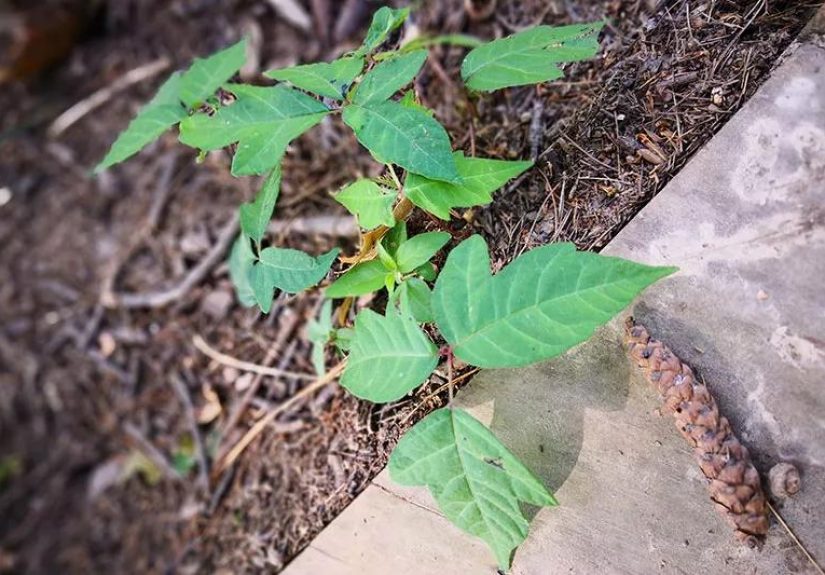
The best remedy is still prevention. Learn to identify poison ivy: the classic “leaves of three” warning exists for a reason. Wear long sleeves, pants, socks, and gloves when gardening, clearing brush, or hiking in overgrown areas. Barrier products with bentoquatam may help protect skin when exposure is likely. After outdoor work, wash up quickly, clean tools, and toss clothes into the laundry.
And remember this important myth-buster: poison ivy is not seasonal drama. These plants can cause reactions year-round, even when the leaves are gone. Stems, roots, and dead plant material can still carry urushiol. Poison ivy does not care what month it is.
Real-World Experiences With Poison Ivy Home Remedies
A lot of people discover the best home remedies for poison ivy the hard way, usually after trying three bad ideas and one good one. A common story starts with someone doing ordinary outdoor chores. They pull weeds without gloves, brush against a vine while trimming hedges, or pick up firewood from a brushy area. At first, nothing seems wrong. Later that evening or the next day, the itching begins. Then comes the classic thought: “Maybe it’s just a mosquito bite.” By the following morning, that theory is no longer winning.
Many people say the biggest lesson is that fast washing matters more than they expected. Those who showered quickly and washed exposed skin, clothing, and gear often describe milder rashes than the times they ignored it and carried on with life. Gardeners, hikers, and parents of outdoorsy kids often mention the same surprise: poison ivy is not only on the plant. It can linger on gloves, shoelaces, backpacks, pet fur, and the handle of the pruners that were casually tossed back in the garage. In real life, the second wave of rash often comes from forgotten objects, not fresh contact with the plant.
Another common experience is how much difference cooling remedies can make. People who use cool compresses several times a day often say the rash becomes more manageable, even if it does not vanish overnight. The relief is not magical, but it is real. Oatmeal baths also get frequent praise because they help when the rash is spread out over arms, legs, or the torso. A compress works great on one patch. A bath works better when it feels like the rash filed a change-of-address form and moved into half your body.
Calamine lotion is another repeat favorite in real-world stories, mostly because it is simple and dependable. People often describe it as the remedy they return to after experimenting with too many internet suggestions. Hydrocortisone gets mixed reviews, usually because it seems to help small, early patches more than severe blistery areas. For oozy rashes, some people find drying soaks especially helpful. The takeaway from experience is not that one remedy works for everybody in exactly the same way. It is that the most reliable results usually come from the boring, evidence-based basics: wash fast, cool the skin, use proven anti-itch products, and do not keep re-exposing yourself.
One more recurring lesson is about myths. People often assume the rash is spreading because they scratched it or because the blisters leaked. In practice, what usually happened is delayed reaction timing or oil left behind on objects. Once people understand that, they stop blaming the blisters and start washing the baseball glove, phone case, dog collar, and gardening tools. Poison ivy may be stubborn, but it is also predictable. When people follow the same smart steps each time, the whole experience becomes a lot less chaotic and a lot more manageable.
Final Thoughts
If you want the short version, here it is: the best home remedies for poison ivy are not flashy. Wash the oil off quickly. Clean anything that touched the plant. Use cool compresses, oatmeal or baking soda baths, calamine lotion, and mild hydrocortisone when appropriate. Consider aluminum acetate soaks for weepy blisters and an oral antihistamine if nighttime itching is making you question your life choices.
Most cases get better with patience and good skin care, even though poison ivy loves to make a week feel like a month. The trick is to soothe the rash without irritating it further, avoid repeat exposure, and know when the situation has crossed the line from “annoying” to “call the doctor.” When you do that, poison ivy becomes less of a disaster and more of a rude outdoor inconvenience with a very temporary lease.