Table of Contents >> Show >> Hide
- What Healthy Eating Really Means
- Why Healthy Eating Matters
- The Foods to Emphasize More Often
- What to Limit Without Becoming Miserable
- How to Read a Nutrition Label Without Losing the Will to Live
- Healthy Eating in Real Life
- Healthy Eating on a Budget
- How to Build Healthy Eating Habits That Last
- Common Mistakes People Make
- Experiences People Often Have When They Start Eating Healthier
- Conclusion
- SEO Tags
Healthy eating sounds wonderfully simple until you’re standing in a grocery aisle comparing three yogurts, four granolas, and one suspicious “fitness cookie” that somehow contains more sugar than a birthday cupcake. The good news is that healthy eating does not require a perfect pantry, a celebrity chef, or a refrigerator full of kale arranged like a museum exhibit. In real life, it is less about chasing a flawless diet and more about building a repeatable pattern of better choices.
At its core, healthy eating means choosing foods that give your body useful fuel: fiber, protein, vitamins, minerals, and healthy fats. It also means making room for flexibility, culture, budget, schedule, and taste. A balanced way of eating should support your energy, mood, digestion, and long-term health without turning every meal into a math problem. In other words, dinner should not feel like a final exam.
What Healthy Eating Really Means
The biggest misunderstanding about healthy eating is that it is a strict list of “good” foods battling a dramatic army of “bad” foods. Real nutrition is not that theatrical. Healthy eating is an overall pattern built mostly around whole or minimally processed foods, with sensible limits on items that are high in added sugar, sodium, and saturated fat.
A useful way to think about it is this: most meals should include a mix of vegetables or fruit, a quality protein source, smart carbohydrates, and some healthy fat. That combination tends to keep you fuller, steadier, and less likely to raid the pantry like a raccoon at midnight. When you eat this way consistently, you create a routine that supports both daily well-being and long-term health.
The Building Blocks of a Balanced Plate
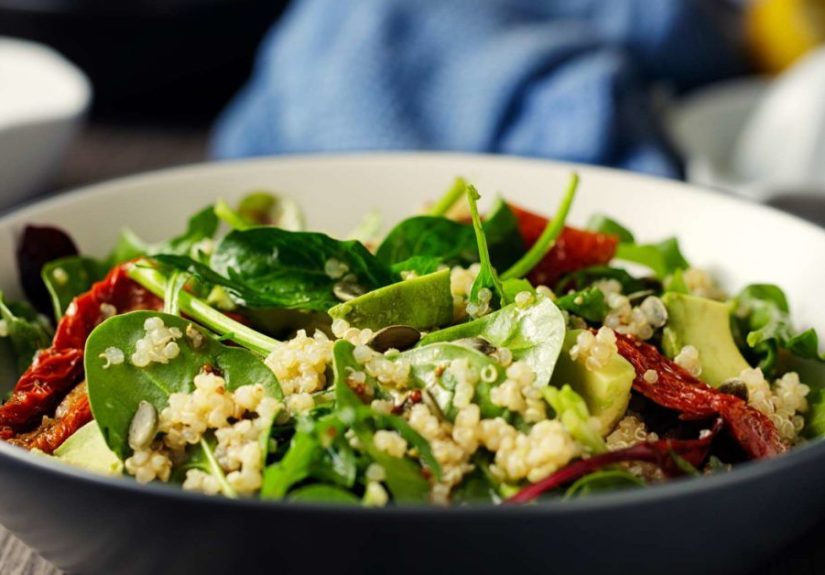
Start with produce. Vegetables and fruits bring color, fiber, hydration, and important nutrients to the plate. Fresh is wonderful, but frozen, canned, and dried options can also work beautifully when chosen with care. Then add whole grains such as oats, brown rice, quinoa, or whole-wheat bread for longer-lasting energy. Include protein from beans, lentils, eggs, fish, poultry, yogurt, tofu, nuts, or seeds. Finish with healthy fats like olive oil, avocado, nuts, seeds, or nut butter.
If you want a simple visual, imagine half your plate filled with vegetables and fruits, one quarter with whole grains or other high-quality carbs, and one quarter with protein. It is not a rigid rule, but it is a practical starting point that makes meal planning much easier than staring into the fridge and hoping inspiration arrives on a white horse.
Why Healthy Eating Matters
Healthy eating supports far more than body weight. It plays a role in heart health, blood sugar control, digestion, bone strength, immune function, and steady energy throughout the day. A nutritious eating pattern can also help reduce the risk of chronic conditions linked to diets high in refined carbs, excess sodium, saturated fat, and added sugars.
There is also a quality-of-life angle that often gets ignored. People who eat balanced meals regularly tend to describe fewer energy crashes, better concentration, improved meal satisfaction, and fewer moments of “Why did I just eat crackers for lunch again?” Healthy eating can make day-to-day life feel more stable and less chaotic.
The Foods to Emphasize More Often
Vegetables and Fruits
These deserve starring roles, not background cameos. Leafy greens, berries, carrots, peppers, oranges, tomatoes, broccoli, apples, and dozens of other choices offer fiber and a wide range of nutrients. Variety matters because different colors often signal different beneficial compounds. A beige-only diet may be comforting, but it rarely wins nutrition awards.
Whole fruit is generally a better everyday choice than juice because it provides fiber and tends to be more filling. A bowl of berries or an apple with peanut butter does more work for your appetite than a glass of juice that disappears in three cheerful gulps.
Whole Grains
Whole grains help provide fiber, B vitamins, and more sustained energy than many refined grains. Oatmeal, brown rice, barley, popcorn, and whole-grain breads or pastas can all fit into a healthy eating plan. The goal is not to fear carbs; it is to choose carbs that come with more nutritional value and staying power.
Protein Foods
Protein helps with fullness, muscle maintenance, and overall meal balance. Beans, lentils, fish, eggs, yogurt, tofu, chicken, nuts, and seeds are all strong options. Plant-forward eating can be especially helpful because it often increases fiber while keeping meals satisfying. You do not have to become best friends with chickpeas overnight, but giving plant proteins more space on your plate is a smart move.
Healthy Fats
Healthy fats are not villains wearing dramatic capes. They support satiety, flavor, and nutrient absorption. Olive oil, nuts, seeds, nut butters, and avocado can make meals more satisfying and enjoyable. The key is balance, not drowning a salad in dressing until it becomes soup.
What to Limit Without Becoming Miserable
Healthy eating is not built on fear, but it does involve paying attention to the foods and drinks that can crowd out better options. Sugary drinks are a major one. Soda, sweet teas, energy drinks, and oversized coffee-shop desserts disguised as beverages can add a surprising amount of sugar without doing much for fullness.
Highly processed snacks, desserts, packaged meals, and fast foods also tend to be high in sodium, saturated fat, or added sugars. They can absolutely appear in real life, but they should not be the default setting. Think of them as occasional guests, not permanent roommates.
Another useful distinction is between total sugar and added sugar. Foods like plain yogurt, milk, and fruit naturally contain sugars. Added sugars are the ones put into foods during processing or preparation. That difference matters because nutrient-dense foods can contain natural sugars while still being healthy choices.
How to Read a Nutrition Label Without Losing the Will to Live
The Nutrition Facts label can be one of the best tools in your cart, especially when comparing packaged foods. Start with serving size, because everything on the label is based on that amount. Then check added sugars, sodium, saturated fat, fiber, and protein.
If you are choosing between two cereals, for example, it is usually smart to lean toward the one with more fiber and less added sugar. If you are picking soup, compare sodium. If you are buying yogurt, look at both protein and added sugar. You do not need to inspect every label with detective-level intensity, but a quick scan can save you from buying foods that wear a health halo and behave like dessert.
Healthy Eating in Real Life
At Breakfast
A balanced breakfast might be oatmeal with berries and nuts, eggs with whole-grain toast and fruit, or Greek yogurt with chia seeds and sliced banana. The aim is to combine protein, fiber, and some healthy fat so you are not hungry again 47 minutes later.
At Lunch
Lunch works well when it is built around a simple formula: produce, protein, smart carbs, and flavor. Think grain bowls, bean salads, turkey and veggie wraps, lentil soup with fruit, or leftovers from dinner that were lucky enough to survive the night.
At Dinner
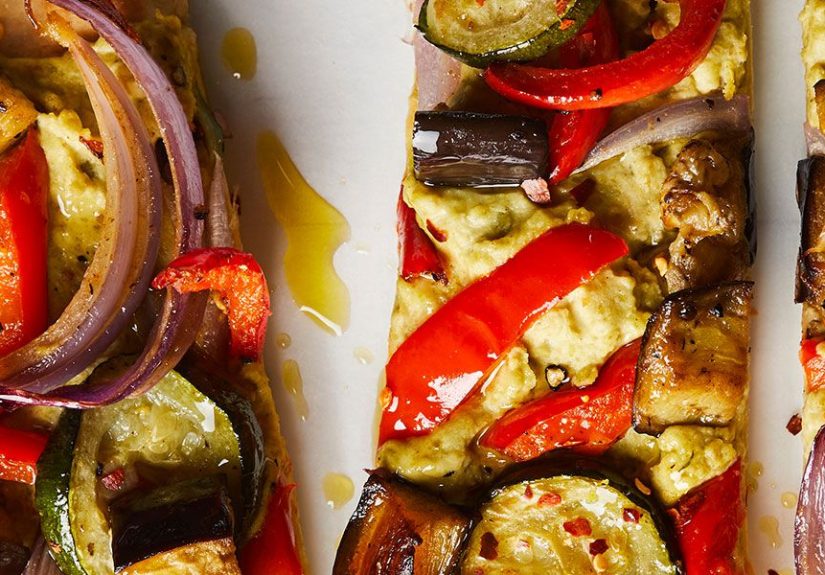
Dinner does not need to be complicated. A sheet-pan meal with salmon, sweet potatoes, and broccoli; a stir-fry with tofu and brown rice; or grilled chicken with roasted vegetables and quinoa can all be nutritious and realistic. Healthy meals should fit into a Tuesday night, not just a wellness retreat in the mountains.
For Snacks
Good snacks bridge the gap without turning into a second lunch. Try fruit with nut butter, yogurt, hummus with vegetables, trail mix, cottage cheese, or whole-grain crackers with cheese. A smart snack should calm hunger, not invite a second snack five minutes later.
Healthy Eating on a Budget
One of the most persistent myths is that healthy eating always costs more. It can cost more if every grocery trip turns into an organic truffle festival, but plenty of nutritious foods are budget-friendly. Beans, lentils, oats, brown rice, eggs, frozen vegetables, canned tuna, plain yogurt, peanut butter, and seasonal produce are often strong values.
Planning helps more than people think. A short grocery list, a few repeatable meals, and strategic use of frozen or canned produce can reduce waste and save money. Buying no-salt-added canned vegetables or fruit packed in juice, rather than syrup, is also a practical way to keep nutritious options on hand. Healthy eating gets much easier when your freezer is stocked by your practical self instead of your overly ambitious weekend self.
How to Build Healthy Eating Habits That Last
Lasting change usually happens through small adjustments, not dramatic overhauls. One helpful method is to reflect, replace, and reinforce. First, notice your current habits without judging them like a reality-show panel. Then replace one or two habits with better options. Finally, reinforce those new routines until they become easier and more automatic.
For example, you might swap soda for sparkling water at lunch, add fruit to breakfast, or include one vegetable at dinner every night. Those changes sound almost too simple, which is exactly why they often work. Consistency beats intensity when it comes to nutrition.
Smart Habit Ideas
- Keep washed fruit visible and ready to eat.
- Plan two or three balanced breakfasts you actually enjoy.
- Cook once and use leftovers for lunch.
- Choose water more often than sugary drinks.
- Read labels on foods you buy regularly.
- Add before you subtract by increasing vegetables, beans, or whole grains first.
Common Mistakes People Make
One mistake is aiming for perfection. A single indulgent meal does not ruin a healthy eating pattern any more than one salad turns you into a nutrition guru. Another mistake is under-eating during the day and then feeling mysteriously drawn to every snack in the house at night. That is not a character flaw. That is biology with good timing.
People also get tripped up by “health” products that are mostly clever marketing with attractive fonts. Granola bars, smoothies, low-fat snacks, flavored yogurts, and cereal can range from excellent to glorified candy. Reading the label is often the fastest way to tell the difference.
Experiences People Often Have When They Start Eating Healthier
One of the most common experiences people report when they begin healthy eating is surprise. Not the dramatic, movie-trailer kind of surprise, but the quiet realization that balanced meals actually make the day easier. Many expect healthy eating to feel restrictive, bland, or exhausting. Instead, they often discover that eating more protein, fiber, and produce helps them feel fuller for longer, snack less impulsively, and think about food with less panic and more planning.
Another common experience is the awkward transition period. The first week or two can feel clunky. People may miss ultra-salty snacks, crave sugar in the afternoon, or feel frustrated by meal prep. This does not mean the habit is failing. It usually means the body and routine are adjusting. Once people start finding easy go-to meals they genuinely like, healthy eating becomes less of a project and more of a rhythm.
Energy changes are also frequently mentioned. Some people notice fewer afternoon crashes after switching from pastries or sugary drinks to breakfasts with protein and fiber. Others find that a balanced lunch prevents the sleepy fog that follows a heavy, low-fiber meal. The change is not always dramatic on day one, but over time people often describe feeling more even, less ravenous, and more in control of their choices.
Healthy eating also teaches people what “convenience” really means. At first, packaged snack foods seem faster. Then someone keeps hard-boiled eggs, fruit, yogurt, chopped vegetables, or leftovers in the fridge and realizes that real convenience is having decent options ready before hunger starts making terrible decisions. Convenience is not just what is quick to buy. It is what is easy to choose when life gets chaotic.
There is also a social and emotional side. People often notice that healthy eating works better when they stop treating it like punishment. Meals become more enjoyable when there is room for favorite foods, family traditions, restaurant meals, and dessert without guilt. The healthiest eaters are not always the strictest. Very often, they are the ones who have learned balance. They eat vegetables because they care about feeling good, not because they are trying to win a purity contest against bread.
Perhaps the most meaningful experience is confidence. Once people learn how to build a balanced plate, read a label, shop with a plan, and recover from less-than-perfect days, food becomes less confusing. That confidence matters. It turns healthy eating from a temporary challenge into a practical life skill. And that is when the magic happens: not when meals become flawless, but when they become sustainable.
Conclusion
Healthy eating is not about being perfect, trendy, or morally superior because you bought chia seeds. It is about building a pattern that helps you feel good now while protecting your health later. Focus on more vegetables and fruits, better carbs, satisfying proteins, healthy fats, smarter drinks, and simple routines you can actually maintain.
The best healthy eating plan is the one that fits real life. It leaves room for joy, culture, budget, flexibility, and the occasional slice of cake without emotional fireworks. Eat well most of the time, learn from your habits, and keep going. Nutrition does not need perfection to work. It just needs consistency.