Table of Contents >> Show >> Hide
- The “$6k Leica” everyone’s talking about
- Why “monochrome-only” is not the same as “just shoot color and convert”
- The Q2 Monochrom recipe: a 28mm lens, a big sensor, and one stubborn artistic constraint
- What you gain when you give up color
- The trade-offs (because your camera can’t be “perfect” if it’s trying to be a philosophy)
- So… why would anyone choose this over a “normal” camera?
- If the idea intrigues you, but the price doesn’t: smarter ways to get the vibe
- Conclusion: the most expensive constraint you might actually enjoy
- Experiences: Living with a Leica that refuses to see color (extra )
- SEO Tags
Imagine paying roughly six grand for a camera and the salesperson cheerfully says, “Congratsyour colors have been deleted.” Not as a setting. Not as a filter. Not as a “you can switch it back later.” Just… gone. Permanently. Like your phone’s headphone jack, but somehow more expensive.
That’s the delightfully unreasonable premise behind Leica’s monochrome-only Q-series camera: a luxury compact that insists on black-and-white photography (and black-and-white video) all day, every day. It’s a niche product with a big price tag and a surprisingly practical point: committing to monochrome changes how you see, how you shoot, and how you editsometimes for the better.
The “$6k Leica” everyone’s talking about
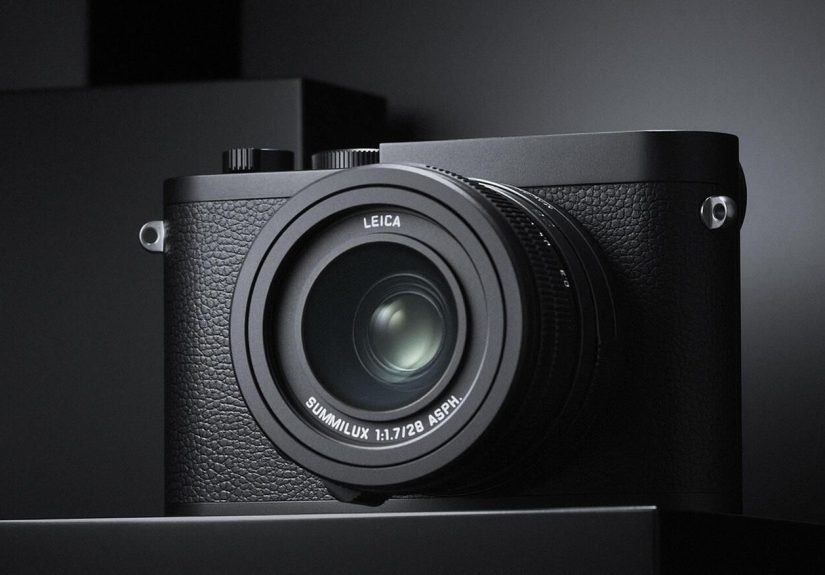
When people say “Leica’s $6k black-and-white-only camera,” they’re usually pointing to the Leica Q2 Monochromthe monochrome variant of Leica’s fixed-lens full-frame compact. It launched around $5,995, which is close enough to $6,000 that your wallet won’t care about the missing five bucks.
The Q2 Monochrom takes the familiar Q ideafull-frame sensor, a permanently attached fast 28mm lens, and a clean, minimalist bodyand swaps the sensor for a dedicated monochrome one. Leica also leaned into the stealth vibe: no red dot up front, subdued markings, and a matte-black look that says “I’m not here to be noticed,” while simultaneously being a Leica that costs the same as a used car.
One important reality check for 2026 shoppers: the Q2 Monochrom has largely moved into “discontinued / hard to find new” territory, so it’s often a used-market camera now. But the core idea remains the same, and it has newer siblings (like the Q3 Monochrom) carrying the monochrome torch at an even higher price.
Why “monochrome-only” is not the same as “just shoot color and convert”
Most digital cameras capture color using a color filter array (often called a Bayer array) laid over the sensor. Each pixel “sees” only one color, and the camera (or your software) reconstructs a full-color image by interpolating data across neighboring pixels. When you convert that photo to black and white later, you’re working with a grayscale version of a color reconstruction.
A true monochrome sensor skips the color filter array entirely. Each pixel records luminance information directlypure light levelswithout the demosaicing step. In plain English: it’s a sensor built to measure brightness and tone, not hue. The practical benefits people chase include:
- More apparent detail and crispness (no color interpolation)
- Smoother tonal transitions in midtones (great for skin, fog, or moody skies)
- Potentially stronger low-light performance (more light reaching each photosite)
- Micro-contrast that feels “Leica-ish” in a way that’s hard to mimic exactly
Leica has even claimed increased dynamic range on monochrome models versus their color counterparts. Whether the difference is “life-changing” or “mostly visible when you zoom to 200% and squint” depends on your shooting style, your editing habits, and your tolerance for internet arguments.
The Q2 Monochrom recipe: a 28mm lens, a big sensor, and one stubborn artistic constraint
Leica didn’t build a monochrome-only camera to be weird for the sake of weird. They built it around a very specific kind of photographer: someone who wants premium image quality, a simple kit, and a fast workflowwithout the complexity of interchangeable lenses.
A fixed 28mm f/1.7 lens that does a lot of heavy lifting
The Q line’s permanently attached Summilux 28mm f/1.7 is the whole point. Wide enough for street scenes and travel, fast enough for low light, and sharp enough that cropping doesn’t feel like a sin. If you’re used to shooting with a 35mm lens, 28mm might feel a little “too much scene” at firstbut it’s incredibly flexible once you learn how to step closer and embrace context.
Digital “crop modes” that feel like built-in focal lengths
Leica added crop options that simulate tighter framingscommonly described as 35mm, 50mm, and 75mm equivalents. These aren’t optical zoom; they’re smart framing tools. The camera shows bright-line frames in the viewfinder/LCD, saves a cropped JPEG if you want it, and still keeps a full-resolution RAW (DNG) for maximum editing freedom. It’s a clever way to make a one-lens camera feel like a small toolkit.
Macro mode for when you suddenly care about coffee foam art
The lens includes a macro setting that shortens the minimum focusing distancedown to about 17 cmwhich can turn everyday details (hands, textures, signage, food, rainy windows) into strong monochrome subjects. It’s not a dedicated macro lens, but it’s enough to make the camera feel like it’s always ready for “one more idea.”
What you gain when you give up color
Color is helpful. Color is beautiful. Color is also a distractor that can make you lazyin the nicest possible way. A vivid red jacket can become the whole photo even if the light is flat and the composition is messy.
A monochrome-only camera forces a different priority list:
- Light direction matters more than subject color.
- Texture becomes a feature, not background noise.
- Shadows stop being “problems” and start being compositional tools.
- Separation comes from tone and contrast, not hue.
That’s why the Q2 Monochrom is so often framed as a “street photography” camera. Street work thrives on quick decisions, clean storytelling, and striking light. By removing color, you’re nudged into stronger habits: watching highlights on faces, waiting for a subject to step into the bright patch on the sidewalk, composing with negative space, and letting contrast guide attention.
The trade-offs (because your camera can’t be “perfect” if it’s trying to be a philosophy)
1) No channel-mixing magic in post
Converting a color photo to black and white gives you a powerful editing trick: you can adjust how different colors translate into brightness. That’s how you make a blue sky darker, brighten skin tones, or separate a subject from a similarly toned background. With a monochrome sensor, you don’t have color channels to remix. If you want that classic “filter” look, you’ll often use physical color filters on the lens (yellow/orange/red/green), just like film shooters did. They workbut they also cut light, and they require intention.
2) A fixed lens is freeing… until it isn’t
One lens can be a creative superpower. It can also be a limitation if your life includes kids’ sports, wildlife, or any situation where “just step closer” ends with security escorting you out. Crop modes help, but they don’t replace a true telephoto perspective.
3) The price is not a joke, even if the premise sounds like one
At around $6k at launch (and still pricey used), the Q2 Monochrom lives in luxury territory. For many photographers, that budget could buy a modern full-frame body, two excellent lenses, a backup camera, and still leave enough for a weekend trip to actually take photos. Leica fans will argue that the experience, build quality, and output justify it. Skeptics will argue that you’re paying for a logo you can’t even see because this model removes the red dot. Both groups will be correct in ways that are annoying.
So… why would anyone choose this over a “normal” camera?
Here’s the honest reason the monochrome-only Leica keeps winning hearts: it makes photography feel simple again.
A lot of modern cameras are incredible, but they can encourage a certain indecision: shoot in color “just in case,” fix it later, try seven crops, add a preset, remove the preset, add a different preset, and eventually forget why you took the photo. A monochrome-only camera is a commitment device. It pushes you to decide what you mean while you’re still standing in front of the scene.
Reviewers often describe Monochrom models as “fun,” and that sounds suspiciously un-technicaluntil you use a camera that removes distractions and makes you pay attention to the basics. Fun, in this case, is the feeling of making clearer choices with fewer knobs to spin.
If the idea intrigues you, but the price doesn’t: smarter ways to get the vibe
Want the monochrome mindset without signing up for the full Leica tax? A few practical routes:
- Shoot RAW in color and convert thoughtfully. Use channel mixing to emulate classic filters, then focus on tone and contrast. (This is the “learn the craft” option.)
- Use a dedicated B&W workflow. Set your camera to monochrome preview (while still saving RAW color), and commit to editing in a consistent, minimalist style.
- Consider other compact street cameras. There are excellent fixed-lens or small-lens systems that excel at candid, everyday photography and rumors/announcements about more affordable monochrome-only compacts have been floating around recently.
- Rent before you buy. Monochrome-only cameras are intensely personal. Some people fall in love in 20 minutes. Others feel trapped by lunch.
Conclusion: the most expensive constraint you might actually enjoy
Leica’s $6k black-and-white-only camera isn’t trying to be the best camera for everyone. It’s trying to be the best camera for a very specific person: someone who wants a premium, simple, always-ready tool that turns the world into tone, texture, and light.
If you love black and white photography, the Q2 Monochrom’s dedicated sensor, 28mm f/1.7 lens, crop modes, and minimalist design can feel like a creative shortcutnot because it makes photography easier, but because it makes your decisions clearer. And if you don’t love monochrome? Don’t worrycolor still exists everywhere else. Including on cameras that cost less than a semester of college.
Experiences: Living with a Leica that refuses to see color (extra )
The first “experience” most people have with a monochrome-only Leica is psychological: you lift the camera, look through the viewfinder, and the world becomes instantly quieter. Not literally quietstreet traffic remains aggressively loudbut visually quiet. Bright signs stop screaming. A distracting blue sky stops being a shortcut to “interesting.” You’re left with shapes, faces, reflections, and contrast. It feels like someone turned off the internet inside your eyeballs.
That shift changes what you chase. In color, you might photograph a street corner because the neon is fun. In monochrome, you start noticing that the neon was masking boring light. Suddenly, you’re waiting for the right moment: a person stepping into a shaft of sun, a cyclist cutting through a shadow pattern, steam rising from a food cart, or rain turning asphalt into a mirror. You begin photographing events of light, not just objects.
The Q2 Monochrom-style setup also changes how you move. A fixed 28mm lens encourages you to walk closer, align yourself with the scene, and commit to a framing instead of zooming from a distance like you’re trying to stay emotionally unavailable. In practice, this makes your photos feel more present. People in the frame occupy space. Background elements become part of the story. And when you do use the crop frames, it feels like a deliberate choice rather than a panicked “I’ll fix it later.”
Another experience that surprises new users is how different “editing” feels. With monochrome-only files, you’re not constantly negotiating color casts, mismatched white balance, or the curse of mixed lighting turning skin tones into something unprintable. Instead, your attention goes to exposure, highlight roll-off, and the relationship between midtones. You might spend more time on small contrast moves than on big stylistic effects. It’s less about making the photo look like a vibe and more about making it look like light.
The downsides show up in real life, too. There will be scenes that you know would sing in colorsunset gradients, festival lights, certain travel moments where color carries cultural meaning. With a monochrome-only camera, you can’t hedge. You either shoot it as tone and accept a different story, or you put the camera down and live like a person for a minute. Oddly, that can be a feature: it teaches you to stop photographing everything and start photographing what matters to your chosen style.
Over time, many shooters report that monochrome-only work bleeds into the way they see even without the camera. You start noticing how window light shapes a face, how a white shirt pops against a dark wall, how fog simplifies a messy background, how harsh noon sun can be used instead of avoided. The “experience” isn’t just using a fancy camerait’s training yourself to recognize photographs before you take them. If that sounds like your kind of fun, Leica’s stubborn, colorless Q suddenly makes a weird amount of sense.