Table of Contents >> Show >> Hide
- Introduction: The City House That Deserves a Coffee Break
- What Makes a House “Hard-Working” in the City?
- The Urban Entry: A Tiny Room With a Very Big Personality
- The Kitchen: Command Center, Café, Workshop, and Snack Court
- Storage: The Unsung Hero of Urban Living
- Energy Efficiency: Let the House Work Smarter, Not Hotter
- Indoor Air Quality: The Invisible Luxury
- Water-Wise Design for Small Urban Lots
- Resilience: Because City Houses Have to Be Tough
- Design Style: Warm, Durable, and Not Too Precious
- Room-by-Room Ideas for a Hard-Working City House
- Common Mistakes to Avoid
- Conclusion: The Best City House Is a Reliable Teammate
- Experience Notes: What Living With a Hard-Working City House Teaches You
- SEO Tags
Note: This article synthesizes current U.S. housing, design, energy-efficiency, indoor-air-quality, remodeling, and urban-living guidance from reputable public and industry sources. It is written as original editorial content for web publication.
Introduction: The City House That Deserves a Coffee Break
A hard-working house in the city is not the biggest house on the block, the loudest renovation on Instagram, or the one with a marble island large enough to land a helicopter. It is the home that quietly does everything: welcomes muddy shoes, hides the recycling, cools down after a blazing sidewalk afternoon, absorbs work-from-home chaos, makes dinner feel possible, and still offers one peaceful corner where nobody asks where the scissors went.
In today’s urban neighborhoods, homes are being asked to perform like tiny civic superheroes. Lots are smaller, housing costs are higher, and homeowners want more function from every square foot. A city home may need to serve as a family base camp, office, guest suite, pantry, gym, pet zone, laundry station, and sanity-preservation chamber. The best ones do not fight those demands. They organize them.
This is where the idea of a hard-working city house becomes more than a cute phrase. It is a practical design philosophy. It blends flexible floor plans, smart storage, energy efficiency, indoor air quality, durable finishes, water-wise fixtures, and small outdoor spaces that work harder than their square footage suggests. In short, it is less “look at me” and more “watch me solve six problems before breakfast.”
What Makes a House “Hard-Working” in the City?
A hard-working urban home is designed around real life, not fantasy life. Fantasy life has spotless counters, silent children, and a dog that wipes its paws. Real life has backpacks, bikes, grocery bags, laptop cords, dinner smoke, wet umbrellas, and that one mysterious drawer full of batteries, tape, and keys to unknown doors.
The goal is not to create a perfect house. The goal is to create a house that helps its people recover quickly from ordinary chaos. In a city, where space is valuable and streets are busy, that means every room should earn its keep.
1. Every Square Foot Has a Job
Urban homes cannot afford “decorative dead zones.” A hallway can become a library wall. A stair landing can become a reading nook. A kitchen island can offer prep space, storage, casual dining, homework headquarters, and the occasional emotional support surface for takeout bags.
Smaller homes are gaining attention as affordability pressures push buyers and builders toward more efficient layouts. That does not mean people want cramped houses. They want smarter houses. A compact home can feel generous when circulation is clear, storage is planned, and rooms can flex between tasks.
2. The Floor Plan Supports Change
The best city homes are not frozen in one lifestyle stage. A guest room may need to become a nursery, then a study, then a rental-friendly bedroom, then a hobby room. A dining area may host Sunday pancakes, Tuesday spreadsheets, and Friday board games. A flexible house accepts that life changes faster than wall framing.
Sliding doors, pocket doors, built-in desks, convertible furniture, and rooms with multiple access points can make a home feel adaptable without constant renovation. Flexibility is not just a design trend; it is a survival tactic with better lighting.
The Urban Entry: A Tiny Room With a Very Big Personality
If the kitchen is the heart of the home, the entry is the bouncer. It decides what gets in: shoes, raincoats, pollen, scooters, mail, packages, sports gear, pet leashes, and occasionally a neighbor’s casserole dish that must be returned “soon,” meaning possibly never.
A hard-working city house needs an entry zone, even if it is not a formal mudroom. In older townhouses, rowhouses, apartments, and compact single-family homes, the entry may be only a few feet wide. That is enough if the design is disciplined.
Smart Entry Ideas for City Homes
Start with hooks at different heights so adults, kids, and guests can actually use them. Add a bench with storage below for shoes or delivery overflow. Use closed cabinets for visual calm and open cubbies for daily grab-and-go items. A washable runner, durable tile, or scuff-resistant wall finish can protect the home from city grit.
The entry should also handle the modern package parade. A narrow shelf, basket system, or lockable delivery box near the front door can prevent the foyer from becoming a cardboard sculpture garden. Nobody moved to the city to live inside a shipping warehouse, unless the rent was incredible.
The Kitchen: Command Center, Café, Workshop, and Snack Court
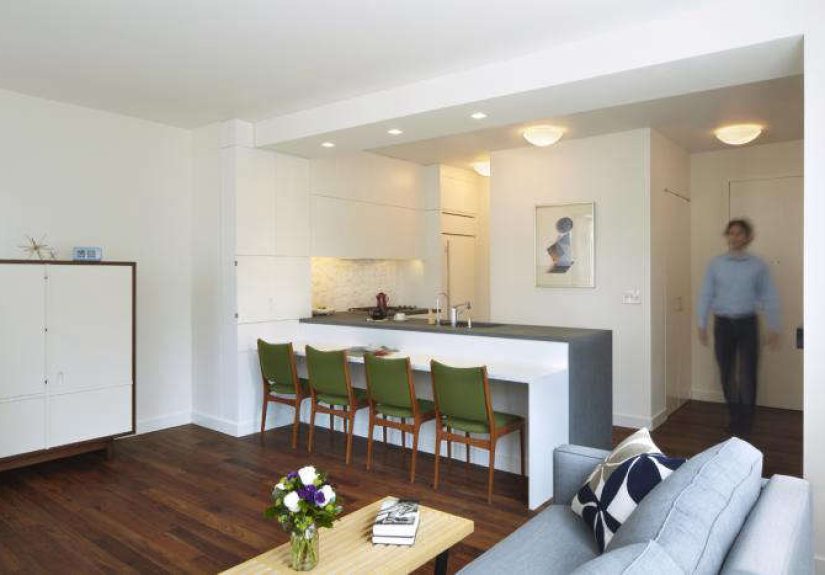
In a hard-working house in the city, the kitchen is rarely just a kitchen. It is where meals happen, conversations start, bills get opened, school forms disappear, and someone always stands directly in front of the drawer you need. Good kitchen design reduces friction.
Modern kitchen planning increasingly emphasizes storage, zones, and function over pure open-plan drama. A beautiful kitchen that cannot store a Dutch oven is not a kitchen; it is a photo shoot with plumbing.
Create Zones Instead of One Giant Work Triangle
The classic work triangle still matters, but city homes often benefit from smaller zones: a coffee zone, prep zone, cooking zone, cleanup zone, lunch-packing zone, and charging zone. When each task has a home, the kitchen becomes easier to share.
For compact kitchens, vertical storage is essential. Tall pantry cabinets, ceiling-height shelves, toe-kick drawers, magnetic knife strips, rail systems, and appliance garages can make a small kitchen work like a much larger one. The secret is not having more stuff. The secret is giving the right stuff a place to live.
Choose Appliances That Work With the House
Energy-efficient appliances, induction cooking, heat-pump dryers, and properly vented range hoods can improve comfort and indoor air quality. For homes with tight building envelopes, ventilation matters because cooking, cleaning products, moisture, and combustion appliances can affect the air people breathe every day.
A hard-working kitchen should be easy to clean, easy to move through, and easy to ventilate. Bonus points if the trash, recycling, and compost bins are not having a public meeting in the middle of the floor.
Storage: The Unsung Hero of Urban Living
Storage is not glamorous until you do not have it. Then it becomes the only thing anyone talks about. In the city, where garages are rare and basements may be damp, shared, or imaginary, storage has to be intentional.
A hard-working house uses built-ins, vertical space, hidden compartments, and furniture with double lives. Beds can have drawers. Benches can hide boots. Stairs can conceal cabinets. Walls can hold shelves. Even the space above doors can become seasonal storage if designed safely and attractively.
Storage Should Match Daily Habits
The best storage is not simply abundant; it is located where behavior already happens. Put keys near the door. Put cleaning supplies near the mess. Put linens near bedrooms and baths. Put pet supplies near feeding areas. Put recycling near the kitchen, not three rooms away behind an obstacle course.
Good storage also reduces decision fatigue. When the house clearly communicates where things belong, everyone becomes slightly more competent. Not perfect. Just competent enough to stop asking where the tape is every eight minutes.
Energy Efficiency: Let the House Work Smarter, Not Hotter
A city home works hardest when weather gets dramatic. Brick walls absorb heat. Flat roofs bake. Narrow lots limit cross-breezes. Traffic noise discourages open windows. A high-performing urban house must manage comfort without wasting energy.
Energy efficiency begins with the building envelope: insulation, air sealing, windows, doors, and roofing. Once the house leaks less air and gains less unwanted heat, mechanical systems can operate more efficiently. It is the home-design version of putting a lid on the pot before complaining that the water will not boil.
Practical Energy Upgrades
For existing city homes, useful improvements may include attic insulation, weatherstripping, duct sealing, smart thermostats, efficient windows, cool roofing materials, LED lighting, and high-performance HVAC equipment. Air-source heat pumps are especially attractive because they can provide both heating and cooling from one system.
Solar panels may be possible on some urban roofs, but shading, roof age, historic district rules, and structural limits should be reviewed first. The smartest approach is usually to reduce energy demand before adding renewable energy. A leaky house with solar panels is still a leaky house; it just has better accessories.
Indoor Air Quality: The Invisible Luxury
Many homeowners think of luxury as stone counters, custom lighting, or a bathroom mirror that makes everyone look suspiciously refreshed. But in a hard-working city house, clean indoor air is one of the greatest luxuries.
Urban homes face unique air challenges: traffic pollution, wildfire smoke events, moisture, cooking fumes, attached neighbors, older building materials, and limited ventilation. The solution is not panic; it is layered design.
Control, Ventilate, Filter
A strong indoor-air strategy has three parts. First, control sources of pollution where possible. Choose low-VOC paints, safer cleaning products, and properly maintained appliances. Second, ventilate intentionally with bath fans, range hoods that exhaust outdoors, and balanced fresh-air systems where appropriate. Third, filter indoor air with high-quality HVAC filters or portable HEPA units during smoke, dust, or allergy seasons.
Moisture control is equally important. Bathrooms, laundry zones, kitchens, and basements need ventilation and materials that resist mold. In a small city home, one damp corner can become a whole-house personality problem.
Water-Wise Design for Small Urban Lots
A hard-working city house should save water without making daily life feel like a camping trip. Efficient toilets, faucets, showerheads, dishwashers, and washing machines can reduce waste while still performing well. The key is choosing certified fixtures and installing them correctly.
Outside, small urban yards, courtyards, balconies, and roof terraces can also be water-smart. Native or climate-appropriate plants, drip irrigation, mulch, rain barrels where allowed, and permeable paving can help reduce runoff and maintenance.
The Mighty Small Outdoor Space
City outdoor space does not need to be huge to be valuable. A ten-foot patio can hold a café table, herbs, a grill, and one excellent chair for pretending not to hear the group chat. A balcony can become a morning coffee zone. A front stoop can create neighborly connection. A tiny backyard can host pollinator plants, bike storage, and a surprisingly emotional tomato plant.
The most useful outdoor spaces are designed like rooms. They have flooring, lighting, seating, shade, privacy, and a purpose. Without those elements, they become places where broken planters go to retire.
Resilience: Because City Houses Have to Be Tough
Resilience is the grown-up cousin of style. It may not always get the magazine cover, but it keeps the house standing, dry, cool, and repairable. Urban homes face floods, heat waves, power outages, storms, aging infrastructure, and sometimes the thrilling surprise of a sewer backup at the worst possible moment.
A hard-working house plans for trouble before trouble rings the bell. That may include backflow prevention, sump pumps, flood-resistant basement materials, raised mechanical equipment, battery backup, shade trees, cool roofs, stormwater management, and durable exterior materials.
Design for Repair, Not Just Display
Homes that are easy to maintain are more sustainable over time. Accessible shutoff valves, labeled electrical panels, removable access panels, serviceable appliances, and durable finishes all matter. A house should not require a treasure map and a philosophy degree just to change a filter.
In dense neighborhoods, resilience can also be social. A front porch, stoop, shared garden, or visible entry helps neighbors know one another. During storms, heat waves, or emergencies, that human network can be as valuable as any upgrade.
Design Style: Warm, Durable, and Not Too Precious
A hard-working city house does not have to look utilitarian. In fact, the best ones feel warm, layered, and personal. The trick is choosing materials and finishes that can handle real life.
Think washable paint, performance fabrics, solid hardware, easy-clean tile, sealed wood, durable countertops, and lighting that supports different moods. A city house often benefits from a mix of old and new: original trim with modern storage, vintage brick with efficient windows, classic cabinetry with updated appliances.
Personality Belongs in the Plan
Function does not mean beige surrender. Color, art, books, plants, textiles, and collected objects make a home feel alive. The hard-working house simply asks those elements to participate in the larger mission. A colorful runner can protect floors. A gallery wall can animate a narrow hallway. A beautiful basket can hide winter gloves with more dignity than a plastic bag from 2017.
Room-by-Room Ideas for a Hard-Working City House
Living Room
Use furniture that floats rather than blocks circulation. Add closed storage for games, cables, and blankets. Choose nesting tables or ottomans with storage. Layer lighting with floor lamps, sconces, and dimmers so the room can shift from work call to movie night without emotional whiplash.
Bedroom
Prioritize sleep. Blackout shades, acoustic curtains, under-bed drawers, wall-mounted lights, and a calm color palette can make a city bedroom feel restorative. A small desk may work if it can disappear visually at night. Nobody sleeps better staring at a laptop that looks guilty.
Bathroom
Use recessed medicine cabinets, wall hooks, built-in niches, strong ventilation, and easy-clean surfaces. In small bathrooms, a glass shower panel, floating vanity, and large-format tile can reduce visual clutter. Good lighting around the mirror is not vanity; it is public service.
Laundry
If laundry lives in a closet, give it shelves, a folding surface, hooks, and a place for detergent. If it lives near the entry, combine it with a drop zone. The goal is to keep laundry from colonizing the sofa, though every household must fight that battle in its own way.
Home Office
A city home office does not need a full room. It needs a defined work surface, good lighting, power access, a supportive chair, and a way to close the workday. A cabinet desk, hallway niche, or bedroom corner can work if storage and cable management are planned.
Common Mistakes to Avoid
The first mistake is copying suburban design into an urban footprint. Oversized furniture, huge kitchen islands, wide hallways, and underused formal rooms can make a city house feel smaller, not grander.
The second mistake is ignoring storage until the end. Storage should be designed early, along with plumbing, electrical, and circulation. Otherwise, homeowners end up buying random bins and calling it a system. It is not a system. It is a cry for help with lids.
The third mistake is choosing fragile materials in high-impact zones. City homes work hard at the edges: entryways, stairs, kitchens, baths, laundry areas, and outdoor transitions. Spend durability dollars there first.
The fourth mistake is underestimating comfort systems. Heating, cooling, ventilation, shading, and acoustics shape daily happiness. A gorgeous room that is too hot, too loud, or too stuffy will not feel luxurious. It will feel like a waiting room with better throw pillows.
Conclusion: The Best City House Is a Reliable Teammate
A hard-working house in the city is not about squeezing life into less space. It is about designing space that respects real life. It supports routines, absorbs mess, saves energy, protects air quality, handles weather, stores what matters, and gives people room to breathe.
The most successful urban homes are not necessarily the most expensive. They are the most thoughtful. They understand that a narrow hallway can become storage, a small patio can become a retreat, a kitchen can become a command center, and a front stoop can become a neighborhood connection point.
In a world where homes are expected to do more than ever, the hard-working city house offers a refreshing idea: good design should make daily life easier. It should not require perfection from the people living inside it. It should help them find the keys, cook the meal, finish the meeting, water the basil, and sit down for five quiet minutes before someone asks, “What’s for dinner?”
Experience Notes: What Living With a Hard-Working City House Teaches You
Spend enough time in city homes and you begin to notice a pattern: the houses that feel best are not always the largest or most polished. They are the ones that seem to understand their owners. They have a hook exactly where a bag naturally lands. They have a shelf near the door for sunglasses and mail. They have a kitchen drawer that actually opens when someone is standing at the sink. These details sound small until you live without them; then they become the stuff of dramatic dinner conversation.
One of the biggest lessons is that urban living rewards honesty. You have to be honest about how you enter the house, where clutter forms, how often you cook, whether you really need a formal dining room, and how many coats one household can own before becoming a weather museum. A hard-working house begins with observing habits instead of pretending everyone will suddenly become organized because a designer specified oak cabinetry.
Another experience that stands out is the importance of transition zones. In a city, the outside world is intense. There is traffic, dust, rain, heat, noise, and the occasional mystery puddle that everyone silently agrees not to investigate. A good entry gives people a moment to shift from public mode to home mode. Shoes come off. Bags land. The dog gets wiped down. The house takes a deep breath before the rest of the day follows everyone inside.
Small outdoor spaces also teach humility. A compact patio or balcony will never become a grand estate garden, and that is perfectly fine. The goal is not grandeur; it is usefulness. A chair, a small table, a planter, and warm lighting can change how a home feels. Suddenly there is a place for coffee, phone calls, herbs, or watching the neighborhood perform its daily theater. In the city, even a tiny outdoor room can feel like a private vacation if it is designed with care.
Storage, of course, becomes a daily referendum on household peace. Open shelves look charming until every object on them begins auditioning for attention. Closed storage can be magical, but only if it is easy to reach. The most successful city homes usually combine both: open storage for frequently used items and closed storage for visual quiet. The house should not make people feel like they are living inside a hardware store.
Finally, a hard-working city house teaches that comfort is deeply practical. Good ventilation, steady temperatures, quiet bedrooms, strong task lighting, and easy-to-clean surfaces improve daily life more than many flashy upgrades. Beauty matters, but beauty works best when it has a job. A home that supports its people through rushed mornings, long workdays, messy dinners, rainy evenings, and lazy Sundays is doing something remarkable. It is not just shelter. It is a partner with walls, wiring, plumbing, and hopefully enough hooks by the door.