Table of Contents >> Show >> Hide
- The Milestone TV News That Sparked the Buzz
- Why Fans Took It Personally, in the Sweet Way
- What Happened on the 1,000th Episode
- How Fans Reacted Online
- Why the Show Reached This Point in the First Place
- The Bigger Daytime TV Picture
- Why This Milestone Still Matters Now
- Experiences Related to the Topic: What It Feels Like When Fans Watch Milestone TV News Unfold
- Conclusion
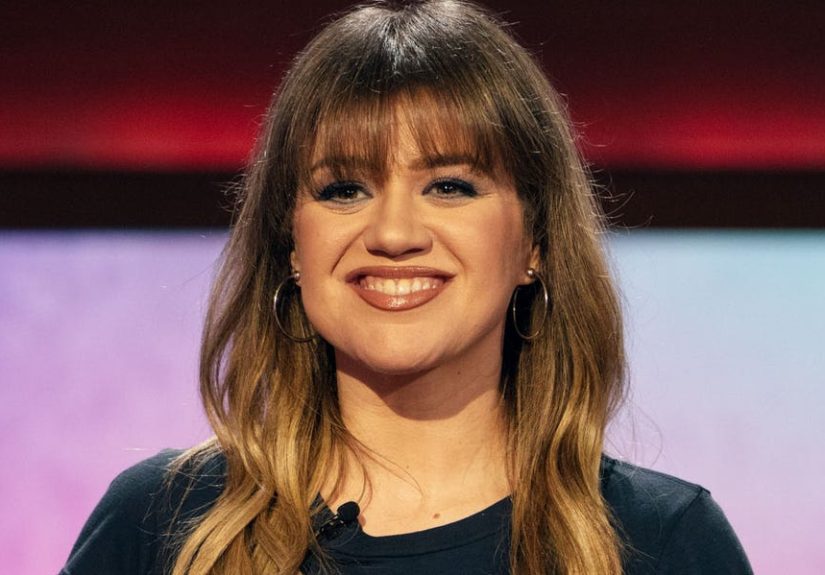
Some TV milestones are neat little industry facts. Others feel like a confetti cannon going off in your group chat. The milestone TV news surrounding The Kelly Clarkson Show landed squarely in the second category. When fans learned the daytime hit had reached its 1,000th episode, the reaction was immediate, emotional, and very online in the best possible way. Viewers celebrated not just a big round number, but the staying power of a show that built its identity on music, warmth, surprise, and the kind of daytime chaos that somehow always feels charming instead of messy.
That reaction makes perfect sense. In a television landscape where viewers have approximately 700 streaming choices and the attention span of a golden retriever who just heard the treat bag open, lasting matters. Reaching 1,000 episodes is not a casual achievement. It signals consistency, loyalty, and a format that has become part of people’s routines. For many fans, The Kelly Clarkson Show is not just another celebrity interview series. It is a comfort watch, a sing-along session, a mid-day mood reset, and occasionally proof that Kelly Clarkson can make almost any song sound like it was secretly written for her in the first place.
The Milestone TV News That Sparked the Buzz
The headline that got fans talking was simple but significant: The Kelly Clarkson Show hit its 1,000th episode. That kind of milestone is a big deal in any format, but in daytime television it carries special weight. These shows live and die by habit. Viewers invite them into kitchens, waiting rooms, living rooms, and lunch breaks. When a series reaches four digits, it means it did more than debut well. It endured.
By the time the milestone episode rolled around, the show had already built a reputation for mixing celebrity interviews with genuinely human moments. It was never just about famous guests dropping by to promote projects and exit before the coffee cools. The series gave just as much room to community stories, everyday heroes, uplifting surprises, and, of course, the now-famous opening music segment that fans lovingly treat like a daily event. That formula helped the show stand out in a crowded daytime field, and fans clearly knew they were watching something that had grown bigger than a standard talk-show template.
What made the milestone TV news especially resonant was timing. The 1,000th episode was more than a numerical victory lap. It arrived after years of change, including a pandemic-era stretch that forced almost every daytime show to rethink how to connect with audiences, plus the production move from Los Angeles to New York. In other words, this was not a smooth, sleepy stroll to 1,000. It was a cross-country, occasionally emotional, definitely musical marathon.
Why Fans Took It Personally, in the Sweet Way
Fans did not react like casual observers reading a trade headline and moving on with their day. They reacted like people who felt invested. That is because The Kelly Clarkson Show has always sold a version of access that feels unusually sincere. Clarkson’s appeal as a host comes from the fact that she does not project polished distance. She projects recognition. She laughs hard, cries when something gets her, admits when life is heavy, and can pivot from interviewing a superstar to celebrating a regular person with zero change in energy.
That matters in daytime TV. Viewers tend to reward hosts who feel present rather than performatively perfect. Clarkson built her brand around being talented enough to be impressive and relatable enough to be trusted. It is a rare combination. Plenty of celebrities can do charming. Fewer can do charming while also sounding like they might roast themselves before anyone else gets the chance.
So when fans saw milestone TV news about the show, their reaction was not just, “Nice, good for her.” It was closer to, “We were here for this.” That emotional ownership is part of what keeps a talk show alive. The audience does not simply consume the program. It develops rituals around it. Fans wait for the opening song, trade favorite clips, talk about standout interviews, and celebrate the show’s big moments as if they are part of a long-running shared routine. In the streaming era, that kind of collective habit is valuable gold.
What Happened on the 1,000th Episode
The milestone episode itself gave fans plenty to celebrate. It was designed like a proper occasion rather than a lazy “wow, can you believe it?” segment stretched across 41 minutes. The show welcomed Tyler Perry and Alicia Vikander for interview appearances, while Mau y Ricky brought musical energy to the episode. There was reflection, celebration, and the unmistakable sense that the production team knew this was a landmark worth marking with more than a quick applause break and a sheet cake from the grocery store.
Clarkson also reflected on the road to the milestone with unusual candor. That is part of why fan reaction was so strong. The show did not treat 1,000 episodes like a corporate accomplishment in a shiny box. It treated the milestone like the result of years of laughter, pressure, adaptation, setbacks, and persistence. The emotional tone mattered. Fans were not just celebrating volume. They were celebrating survival, growth, and a sense of connection that had held up over time.
Even the musical choices added to that feeling. On a show where music is not a side dish but one of the main reasons many viewers show up in the first place, a milestone episode without a meaningful vocal moment would have felt illegal. Clarkson’s music-forward approach has always separated the show from more conventional talk formats. She is not a host who occasionally sings. She is a singer who built a hosting platform around performance, personality, and conversation. That distinction gave the 1,000th-episode celebration extra weight, because it honored the very thing fans most strongly associate with the show’s identity.
How Fans Reacted Online
The fan response to the milestone TV news was enthusiastic, affectionate, and full of the kind of digital cheerleading that actually feels deserved. Social media comments celebrated Clarkson, the crew, and the show’s long run. Many fans framed the moment as a reward for hard work, while others focused on how much joy the show had brought into their daily lives. Some comments read like simple congratulations. Others sounded more like grateful notes from viewers who had made the show part of their routine over the years.
That range matters because it shows how audiences experience daytime television differently from prestige dramas or splashy reality finales. Fans are not only reacting to plot or gossip. They are reacting to familiarity. A milestone like 1,000 episodes invites people to think back on where they were when they started watching, what phases of life overlapped with the show, and how many mornings or afternoons it quietly kept them company. In that way, fan reaction becomes less about entertainment news and more about lived memory.
It also helps that The Kelly Clarkson Show has a social-media-friendly personality. The clips travel well. The musical performances are easy to share. The funny, sincere, and occasionally chaotic moments work in bite-size form without losing their charm. So when milestone TV news hits, the fandom already has the online muscle memory to turn that moment into a larger celebration.
Why the Show Reached This Point in the First Place
Let’s be honest: not every talk show makes it to 1,000 episodes. Plenty arrive with hype, a photogenic couch, and a host who looks great in a promo package, only to fizzle because the chemistry never clicks. The Kelly Clarkson Show avoided that fate for a few important reasons.
1. It found a lane and stayed flexible inside it.
The show knows what it is. It is upbeat without being empty, emotional without becoming syrupy, and celebrity-driven without acting like celebrity is the only thing worth showing. That mix gave producers room to adapt over time without losing the core appeal.
2. Kelly Clarkson is the format.
Some talk shows feel like they were engineered first and then assigned a host. This one feels built around Clarkson’s actual strengths: singing, storytelling, quick humor, emotional openness, and genuine curiosity. That makes the series feel less manufactured and more organic.
3. “Kellyoke” became a real signature, not a gimmick.
The opening performances are a huge part of the show’s identity. They give the program a built-in hook and create a daily moment fans can look forward to, revisit, and share. In a crowded media environment, repeatable signature moments matter.
4. The show balanced star power with heart.
Yes, viewers tune in for celebrity guests. But they also tune in for stories that feel grounded, funny, and unexpectedly moving. That balance helped the show earn loyalty rather than just attention.
The Bigger Daytime TV Picture
The milestone TV news also underscored something larger about the state of daytime television. Reaching 1,000 episodes proved that there is still room for a broadly appealing syndicated show with personality. That should not be taken for granted. The daytime landscape has changed dramatically, with shifts in local programming strategy, streaming competition, and audience habits constantly pressuring traditional formats.
And yet, The Kelly Clarkson Show kept going. It won awards, secured renewal momentum, and maintained a brand strong enough to carry through major changes. At one point, the series had also stacked up multiple consecutive Daytime Emmy wins in the talk category, which reinforced that this was not just fan-approved television. It had real industry respect too. Later developments, including the show’s Season 7 renewal and the announcement that the current season will be its last, only make the 1,000-episode mark feel more meaningful in retrospect. It now reads as both an achievement and a legacy marker.
That context adds depth to the fan reaction. Viewers were not only celebrating a milestone episode. They were celebrating what the show had managed to preserve in a TV ecosystem that often rewards noise over warmth. The Kelly Clarkson Show made room for both talent and tenderness. That is not a small thing.
Why This Milestone Still Matters Now
Looking back from the show’s final stretch, the milestone TV news feels even more important. The 1,000th episode was not just a happy headline in the middle of a long run. It was one of the clearest snapshots of what made the show work. You had the music, the emotion, the celebrity guests, the audience affection, and the sense that Clarkson was not faking her relationship with viewers. For longtime fans, that episode now feels like a symbolic checkpoint in the show’s larger story.
And really, that is why fan reaction was so strong. People were not reacting to math. They were reacting to meaning. One thousand episodes represented years of trust, routine, talent, reinvention, and emotional honesty. It represented a show that figured out how to be polished without losing warmth and how to feel big without losing intimacy.
In a media world packed with disposable content, that kind of longevity is worth applauding. Loudly. Possibly while singing along.
Experiences Related to the Topic: What It Feels Like When Fans Watch Milestone TV News Unfold
There is a particular kind of experience that comes with watching milestone TV news around a show like The Kelly Clarkson Show, and it is different from the experience of following prestige dramas, reality-show scandals, or blockbuster franchise announcements. Daytime TV milestones feel domestic in the best sense of the word. They arrive in the middle of ordinary life. Someone hears the news while folding laundry, scrolling on lunch break, sitting in a salon waiting chair, or pretending to answer emails while quietly watching clips with the sound too high. The experience is less red carpet and more real life, which may be exactly why it sticks.
For many viewers, the reaction begins with recognition. “Wait, 1,000 episodes already?” That first response is usually followed by memory. Fans start thinking about when they first watched the show, which musical covers they replayed, which interviews made them laugh, and which emotional segments stayed with them longer than expected. Milestone TV news turns casual viewing history into something more personal. Suddenly the show is not just content. It becomes a timeline marker. Viewers remember where they were in 2019, what changed during the pandemic years, and how the show kept showing up through all of it like a reliable friend who also happens to have absurd vocal range.
Then comes the communal part. Fans jump online and realize thousands of other people are having roughly the same emotional reaction. One person is celebrating Kelly. Another is praising the crew. Someone else is saying they have watched since day one. Someone inevitably asks for 1,000 more episodes because the internet loves optimism and round numbers. That shared response creates a small pop-culture event. Even viewers who do not watch every single day understand the significance. It feels like collective appreciation, not just hype.
There is also something uniquely satisfying about seeing a show built on warmth receive warm feedback. Fans are often skeptical of TV milestones that feel overly branded or self-congratulatory. But when the host has earned goodwill, the audience usually leans in instead of rolling its eyes. That was part of the experience here. People did not respond as if they were being sold a celebration. They responded as if they were being invited into one.
Finally, milestone TV news tends to sharpen the emotional meaning of everyday entertainment. It reminds viewers that the shows they casually welcome into their routines can matter more than they realize. They can provide comfort, laughter, rhythm, and familiarity during years that feel unpredictable. That is the deeper experience behind the reaction. Fans were celebrating a talk show, yes, but they were also celebrating continuity. And in television, continuity is no small miracle.
Conclusion
The Kelly Clarkson Show did not inspire such a strong fan response to milestone TV news just because it reached 1,000 episodes. It inspired that reaction because the number stood for something bigger. It stood for consistency in a changing daytime market, for a host whose personality translated into real audience loyalty, and for a format that blended music, celebrity, humor, and heart without feeling forced. Fans saw the milestone and responded the way audiences do when a show has genuinely become part of their lives: with excitement, affection, and a little bit of disbelief that time moved that fast.
Viewed now, the moment feels even richer. It captured the show at a point where its success was undeniable and its legacy was still actively unfolding. That is why the milestone landed. It was not merely TV news. It was a celebration of connection, and fans reacted exactly the way a beloved daytime institution hopes they will: like they meant it.