Table of Contents >> Show >> Hide
- The Biggest Change: A Three-Round Finale Instead of the Usual Two
- Why the Instant Dance Twist Changes Everything
- The Finale Is Also Becoming a Bigger TV Event
- Season 34 Restored Stakes Before the Finale Even Began
- Why the Show Is Making This Move Now
- How the New Format Helps Different Types of Finalists
- What This Means for Fans Watching at Home
- The Experience of a Bigger, Tougher Finale
- Final Take
- SEO Tags
For a show built on sequins, spray tans, and the occasional judge’s eyebrow raise powerful enough to register on nearby satellites, Dancing With the Stars knows how to make a finale feel important. But Season 34 is not settling for “important.” It is going for “clear your schedule, charge your phone, and tell the group chat to hush for three hours.”
This year’s finale is changing in a big way, and not just with a fresh coat of glitter. ABC’s long-running ballroom juggernaut is expanding the format, adding more pressure, and leaning harder into the kind of live-TV chaos that makes fans yell at their screens like they’re coaching from the couch. The result is a finale designed to feel bigger, faster, riskier, and a whole lot more dramatic.
So what exactly is different about the DWTS Season 34 finale? In short: more dances, more suspense, more live-wire unpredictability, and a much larger event feel than the show usually brings to its final episode. If previous finales felt like a championship game, this one feels more like a championship game, halftime show, reunion special, and stress test rolled into one sparkly package.
The Biggest Change: A Three-Round Finale Instead of the Usual Two
The headline change is simple, but it completely alters the rhythm of the night: Season 34’s finalists are tackling three rounds of competition instead of the more familiar two-round setup. That may sound like a small tweak on paper, but in practice, it is a major format shift. More rounds mean more preparation, more stamina, more costume changes, more opportunities to shine, and, yes, more opportunities to panic beautifully under hot studio lights.
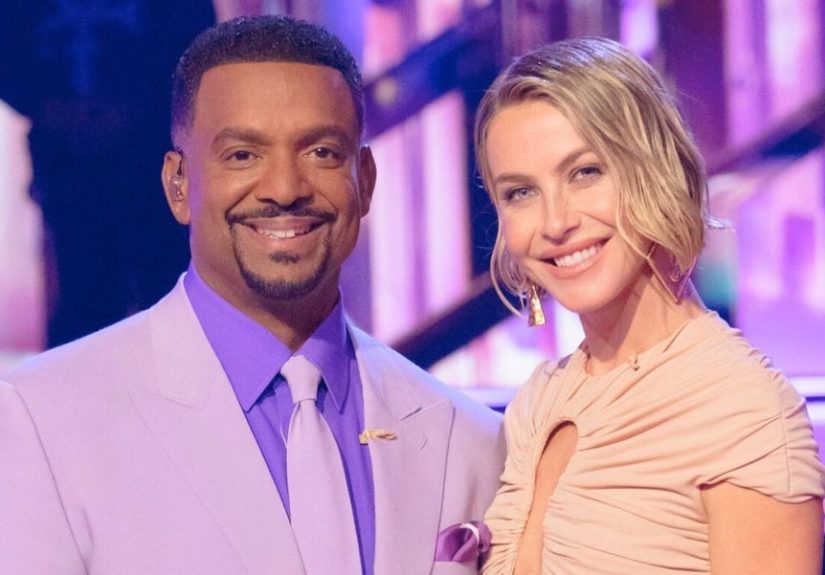
Co-host Alfonso Ribeiro described it as the show’s most demanding finale yet, and honestly, that tracks. A standard finale already asks celebrities to deliver polished, emotionally satisfying, high-scoring performances under intense pressure. Adding a third round turns the last episode into a miniature decathlon in rhinestones.
Round One: Judges’ Choice
In the first round, the judges hand each couple a style they have not yet performed during the season. That makes this part of the finale less about comfort and more about range. It is a way of asking, “Sure, you can sell a freestyle with pyrotechnic confidence, but can you also handle a style that doesn’t come as naturally?” It is a smart opening move because it immediately tests versatility before the night gets swallowed by spectacle.
Round Two: Instant Dances
Here is where the finale really starts acting like it had too much espresso. The new centerpiece is the Instant Dances round, which requires couples to prepare for multiple possibilities and then perform a dance to a surprise song during the live show. The twist is brutal in the best reality-TV way: they do not know which combination they will actually have to perform until the moment arrives. Translation: less time to overthink, more time to sweat through your contour.
While the instant-dance concept has appeared on the show before in other contexts, using it in the finale changes the emotional stakes. A challenge that once felt like a fun chaos grenade in the middle of the season now becomes part of the championship itself. That makes the finale feel less pre-packaged and more alive.
Round Three: Freestyle
The freestyle round remains the emotional crown jewel. This is the no-rules, swing-for-the-fences portion of the night where finalists get to show personality, storytelling, ambition, and, if they’re smart, the exact kind of routine viewers will remember while voting. Freestyles are where technical discipline meets theatrical “let’s just go for it” energy. They can be joyful, sentimental, explosive, goofy, or all four in the same two minutes.
By placing freestyle after two punishing competitive rounds, the show is essentially asking finalists to finish a marathon with a fireworks display. It is ambitious, and that ambition is the point.
Why the Instant Dance Twist Changes Everything
If the three-round structure is the architecture of the Season 34 finale, the instant-dance twist is the feature that gives it real personality. It changes the viewing experience because it introduces something finales usually try to avoid: genuine unpredictability.
Traditional finales can sometimes feel a little too polished. The routines are rehearsed endlessly, every emotional beat is carefully engineered, and by the time the freestyles hit the floor, you can almost feel the producers whispering, “And now, please cry on cue.” That formula works, but it can also make the last episode feel more ceremonial than suspenseful.
Instant Dances break that pattern. They demand adaptability, musicality, quick recall, and nerves of steel. Viewers are not just watching who dances best; they are watching who can think fastest under pressure. That matters because the finale is supposed to reveal the most complete performer, not merely the contestant with the cleanest rehearsal footage.
It also gives fans something fresh to talk about in real time. Social media lives for this kind of challenge. One surprise song, one frantic costume scramble, one moment where a couple either nails the brief or looks like they are internally bargaining with the universe, and suddenly the finale has meme fuel, debate fuel, and voting fuel all at once.
The Finale Is Also Becoming a Bigger TV Event
Season 34 is not just changing how the finale works. It is also changing how big the finale feels. The episode expands into a supersized, three-hour primetime event, which gives the show more room to behave like a full-scale television celebration instead of a simple crowning ceremony.
That extra time matters. It allows the ballroom to welcome back eliminated couples, fold in more production numbers, spotlight the touring pros, and bring back the previous season’s champions for an additional performance. In other words, the finale is no longer just the end of the competition. It is being framed as a reunion, a showcase, a victory lap, and a live entertainment spectacle.
For viewers, that bigger event feel makes the finale more emotionally satisfying. Fans who stuck with the whole season do not just want the final leaderboard. They want closure. They want callbacks. They want one last look at the couples they rooted for, argued about, defended online, and possibly overanalyzed like sports analysts with glitter allergies.
The return of previously eliminated contestants adds that sense of full-circle celebration. It tells the audience that the finale is not only about the last five pairs standing; it is about the full season’s journey and the cast dynamic that made the season memorable in the first place.
Season 34 Restored Stakes Before the Finale Even Began
One underrated reason the finale format change lands so well is that Season 34 rebuilt some competitive tension on the way there. In the semifinals, the show actually eliminated a couple instead of sending everyone through, which had happened in the prior two seasons. That may sound like a minor procedural note, but for longtime viewers, it matters.
When everybody gets a finale ticket, the semifinal can feel like a dress rehearsal wearing a fake mustache. By sending one pair home and limiting the field to five finalists, Season 34 gave the finale a sharper edge. These couples did not just survive; they earned one of a smaller number of spots.
That makes the expanded finale format feel deserved rather than bloated. The show trimmed the field, then raised the difficulty level. It is a cleaner competitive story. The message is obvious: if you are in this finale, you are here to work.
Why the Show Is Making This Move Now
The timing is not random. Season 34 arrived with strong momentum, heavy fan engagement, and the kind of live-viewing energy TV executives probably frame and hang on the wall. By the end of the season, the show was talking about enormous voting totals and one of its tightest final races in years. That kind of response invites producers to go bigger, not safer.
Put another way: when audiences are showing up in large numbers, voting like it is a civic duty, and treating the ballroom like appointment television, producers have every reason to turn the finale into a larger cultural moment. A three-round finale is not just a creative experiment. It is a confidence move.
It also fits the modern competition-show playbook. Today’s reality TV audience wants both mastery and mess. They want stunning performances, but they also want real pressure, visible stakes, and a little uncertainty. The Season 34 finale seems built around that balance. It still offers the polished spectacle DWTS is known for, but it injects more risk so the live aspect actually feels live.
How the New Format Helps Different Types of Finalists
A two-round finale can sometimes favor contestants who peak at exactly the right moment or who are especially good at delivering one huge, emotional freestyle. A three-round finale opens the door wider. It gives technically strong dancers more room to prove consistency, gives versatile contestants more chances to show range, and gives crowd favorites more time to connect with voters.
That matters in a season with a varied final group. A celebrity who thrives on performance charisma might shine brightest in freestyle. A contestant with athletic discipline may benefit from the speed and pressure of Instant Dances. Someone with clean ballroom fundamentals could use Judges’ Choice to remind everyone they are not just popular; they are polished.
In other words, the new structure broadens the path to victory. It does not make the finale easier. It makes it more complete. The champion has to be more than one good routine and a nice montage.
What This Means for Fans Watching at Home
For the audience, the Season 34 finale format is a pretty obvious upgrade. There is more suspense, more variety, and more reason to stay locked in for the full broadcast. Instead of building to one obvious emotional climax, the finale now has multiple peaks. A strong Judges’ Choice routine can create early momentum. An Instant Dance can flip the narrative in seconds. A freestyle can seal the deal or leave fans passionately typing in all caps.
The format also encourages more active viewing. Because live votes combine with judges’ scores, fans are not just consuming the episode; they are participating in it. And because the margin at the top can be incredibly tight, every performance feels like it might actually matter. That makes the finale feel less like a coronation and more like a contest.
And honestly, that is the smartest change of all. People do not just watch Dancing With the Stars for ballroom technique. They watch for investment. They want to root. They want to gasp. They want to text a friend, “Did you SEE that?” before the commercial break even starts.
The Experience of a Bigger, Tougher Finale
What does a finale like this actually feel like? For contestants, it likely feels like living inside a blender filled with choreography notes, garment bags, adrenaline, and very supportive chaos. A normal finale week is already brutal. Add a third competitive round, surprise-song pressure, and a packed live show, and the entire experience becomes less “victory lap” and more “survive beautifully.”
Think about the mental load. Finalists are not just learning one or two routines. They are juggling a judges-assigned dance, a freestyle that has to deliver emotional impact, and multiple possible instant-dance scenarios. That means rehearsal is no longer about polishing a fixed set of numbers. It becomes a rehearsal maze. Dancers need memory, flexibility, stamina, and the ability to pivot quickly without looking like they just received difficult tax news.
For the professional partners, the pressure may be even wilder. They have to choreograph strategically, manage energy levels, keep their celebrity calm, and somehow make every number feel distinctive. One routine has to show growth. Another has to prove versatility. Another has to scream, “Vote for us right now, America, while we are still sparkling.”
For viewers, the experience is deliciously tense. A longer finale means more investment, but it also creates a roller coaster effect. One minute, you are admiring the elegance of a judges’ choice ballroom routine. The next, you are watching contestants scramble through the instant-dance challenge and wondering whether stress is now an official accessory in the ballroom. Then comes freestyle, when the show hands over the keys and says, “Go be iconic.”
There is also something uniquely satisfying about seeing the whole season come back into the room. Returning couples, extra pro numbers, and callbacks to earlier episodes make the finale feel communal rather than isolated. It is not just the end of a contest; it is the closing night of a very glittery play in which everyone gets one last bow.
And that is probably why the Season 34 finale format feels smart instead of gimmicky. The changes are flashy, yes, but they are also purposeful. The added round is not there simply to make the show longer. It is there to make the final result feel more earned. The surprise element is not there merely to manufacture panic. It is there to reveal composure under real pressure. The larger production is not just extra frosting. It reflects how much the season itself connected with fans.
Ultimately, the experience of this finale is about compression: all the growth, nerves, fan loyalty, rehearsal pain, confidence, doubt, and joy of an entire season squeezed into one supersized night. That is why it works. It feels like the ballroom version of a season finale should feelbigger than life, slightly chaotic, emotionally overclocked, and impossible to watch casually while pretending to answer emails.
If Season 34 proves anything, it is that Dancing With the Stars still understands a core truth about live television: viewers will always show up for excellence, but they stay for uncertainty. Give them skill, give them stakes, and give them one beautifully unpredictable moment where anything could happen. Then toss in a mirrorball and let the internet do the rest.
Final Take
Season 34 is changing the Dancing With the Stars finale by turning it into a more demanding competition and a larger entertainment event at the same time. The three-round format raises the difficulty. The Instant Dances inject live unpredictability. The extended runtime and returning performers make the night feel like a full celebration of the season rather than a quick race to the trophy.
That combination is exactly why the shake-up works. It honors what fans already love about the showemotion, spectacle, growth, and big performanceswhile removing some of the formula that can make finales feel too neat. Season 34’s finale wants to be exciting, exhausting, and memorable. In ballroom terms, that is a pretty strong scorecard.