Table of Contents >> Show >> Hide
- What Are “Furries” in Art and Fandom?
- Why Furry Characters Take So Long to Draw
- The Hidden Craft Behind Furry Character Design
- Why Furry Commissions Can Be So Detailed
- The Furry Fandom and the Art Economy
- Why Furry Conventions Matter
- Why the Best Furry Art Feels Alive
- Common Mistakes When Drawing Furries
- How Artists Can Speed Up the Process Without Losing Quality
- Why “It Took Forever” Is Sometimes a Compliment
- Personal Experience: What It Feels Like When Drawing Furries Takes Forever
- Conclusion
There are drawings that politely ask for an afternoon. Then there are furry characters: charming little chaos goblins with paws, tails, expressive ears, layered fur, custom outfits, dramatic backstories, and enough tiny details to make an artist question every life choice that led to owning a pressure-sensitive stylus.
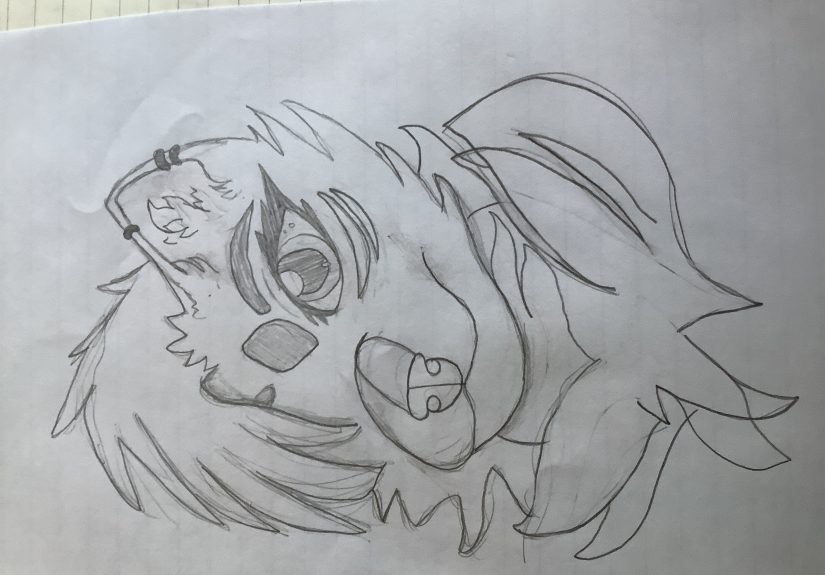
“It Took Forever To Draw These Furries” is more than a funny complaint from a tired illustrator. It is a surprisingly accurate summary of why anthropomorphic animal art can be so time-consuming, so rewarding, and so wildly addictive. A simple wolf character may begin as a circle, a muzzle, and two ears. Three hours later, the artist is zoomed in at 400 percent, carefully deciding whether the eyebrow fluff should curve upward like confidence or downward like “I forgot my homework.”
Furry art sits at the intersection of animal anatomy, human expression, cartoon exaggeration, costume design, color theory, digital painting, and fandom storytelling. That is a lot of ingredients for one visual soup. And unlike instant noodles, this soup does not cook in three minutes.
What Are “Furries” in Art and Fandom?
In everyday online culture, “furries” usually refers to fans of anthropomorphic animal characters: animals or animal-inspired beings with human-like traits, such as speech, emotions, posture, clothing, jobs, hobbies, and personalities. A fox detective in a trench coat, a dragon barista with anxiety, or a raccoon skateboarder who absolutely owns too many stickers could all fit under the furry umbrella.
The broader idea comes from anthropomorphism, which means giving human qualities to non-human beings, objects, or forces. Humans have been doing this for a very long time. We give storms names, imagine animals talking, and create stories where rabbits are clever, lions are royal, owls are wise, and cats are apparently in charge of every household they enter. Furry art builds on that ancient creative habit and turns it into a modern visual language.
Why Furry Characters Take So Long to Draw
Drawing a furry character is not simply drawing an animal standing upright. That would be too easy, and art apparently enjoys making us humble. A good furry design has to feel like a believable character, not just a dog wearing jeans because laundry day got weird.
1. Artists Must Balance Animal Anatomy and Human Personality
One of the hardest parts of furry illustration is deciding how animal-like or human-like the character should be. A wolf character might have digitigrade legs, paw pads, a long muzzle, and pointed ears. But the same character may also need human-like hands, readable facial expressions, and body language that communicates sarcasm, joy, shyness, or “please stop asking if I bite.”
This balance takes planning. Too realistic, and the character may lose expressiveness. Too human, and the animal identity may feel like a costume instead of a design foundation. The sweet spot is different for every species, art style, and story purpose.
2. Fur Is Beautiful, Annoying, and Everywhere
Fur looks soft because it is made of countless tiny visual cues: direction, texture, shadows, highlights, clumps, edges, and color variation. Drawing it well means avoiding the dreaded “spiky carpet monster” effect. Artists often have to suggest fur without drawing every single strand, because drawing every single strand is how you accidentally age five years during one commission.
A fluffy chest tuft, cheek ruff, tail gradient, or striped pattern can add personality and charm. It can also double the workload. Every marking has to wrap around the body, follow the form, and stay consistent from sketch to final render. A tiger character, for example, is not just orange with stripes. Those stripes need rhythm, direction, spacing, and personality. Congratulations, the cat has become homework.
3. Expressions Need Extra Translation
Human faces are already tricky. Now give that face a muzzle, whiskers, a nose bridge, huge ears, and possibly horns. Suddenly, a simple smile becomes a design negotiation. How much should the mouth curve? Where do the cheeks lift? Do the eyes squint? Do the ears perk up, fold back, tilt sideways, or perform emotional semaphore?
Furry artists often rely on ears, tails, posture, and silhouette to communicate emotion. A happy dog character might wag, lean forward, and show bright eyes. A suspicious fox might narrow the eyes, angle the ears, and curl the tail like a question mark with trust issues. These details make the art expressive, but they also take time.
The Hidden Craft Behind Furry Character Design
Furry art is often playful, but the craft behind it is serious. Many artists study real animals, animation principles, fashion, gesture drawing, and digital painting techniques. They also borrow from concept art and character design, where shape language matters.
Shape Language: The Secret Sauce
Round shapes often feel friendly and approachable. Sharp shapes can feel fast, clever, intense, or dangerous. Square shapes suggest strength, stability, or stubbornness. A bear character with big rounded paws and a soft belly may read as warm and huggable. A sleek jackal with long triangles in the ears, snout, and shoulders may feel mysterious or elegant.
This is why two characters of the same species can look completely different. One rabbit may be a cheerful bakery owner with round cheeks and pastel colors. Another rabbit may be a cyberpunk courier with angular goggles, a torn jacket, and the posture of someone who has never paid for parking.
Color Palettes Tell a Story
Furry characters often use bold color palettes, from natural browns and grays to electric blues, neon greens, sunset oranges, and cotton-candy pinks. The color choice is rarely random. Warm colors can feel energetic or friendly. Cool colors can feel calm, mysterious, or futuristic. High contrast can make a character pop in a crowded convention badge or social media feed.
The challenge is harmony. A character with five fur colors, three outfit colors, glowing accessories, and rainbow hair can work beautifully, but only if the artist controls contrast and visual hierarchy. Otherwise, the design may look like a sticker sheet exploded in a blender.
Why Furry Commissions Can Be So Detailed
Many furry artworks are character commissions, which means the artist is drawing someone’s personal character, often called a fursona. A fursona may represent a favorite animal, an ideal self, a playful alter ego, or simply a character the owner enjoys using in art, games, stories, and online communities.
Because these characters are personal, details matter. A client may care deeply about the exact tail rings, ear spots, eyebrow shape, scar placement, hoodie color, glasses style, paw pad shade, and whether the character’s expression says “friendly chaos” rather than “tax accountant with secrets.”
Reference Sheets Are Their Own Mini-Projects
A furry reference sheet may include front view, back view, side view, color swatches, facial expressions, outfit notes, accessories, and written personality details. These sheets help future artists draw the character consistently. They also take a long time because they require clarity, accuracy, and clean design.
Think of a reference sheet as a character’s visual passport. If the tail stripes are wrong, customs will notice.
Badges, Icons, Stickers, and Full Illustrations
Furry artists create many types of artwork: profile icons, convention badges, digital stickers, comic panels, full-body poses, scene illustrations, animation loops, and merchandise designs. Each format has different priorities. A tiny icon needs a strong silhouette and readable face. A full illustration needs pose, lighting, background, and mood. A badge needs personality at a glance, because it may be viewed from several feet away in a busy convention hall.
The Furry Fandom and the Art Economy
The furry fandom has become a lively creative ecosystem. Artists sell commissions, prints, stickers, badges, adoptable character designs, digital bases, comics, plush concepts, and more. Some create part-time income. A smaller number build full creative businesses around their art.
This connects furry art to the larger world of digital art and illustration. Modern artists use software, tablets, online storefronts, social media platforms, livestreams, and community events to reach audiences. The U.S. Bureau of Labor Statistics notes that many craft and fine artists use different materials and techniques, and digital artists often rely on design and production software. Furry artists fit naturally into that broader creative landscape, even when their specialty includes more tails than the average gallery wall.
Why Furry Conventions Matter
Large furry conventions such as Anthrocon show how much the fandom values art, community, performance, and charity. These events often include artist alleys, dealer rooms, panels, costume parades, social meetups, and opportunities for creators to sell directly to fans. For artists, conventions can be part marketplace, part networking event, part inspiration buffet.
Seeing hundreds or thousands of character designs in one place can teach an artist more than a week of scrolling. You notice what reads clearly from a distance, what colors photograph well, how accessories tell stories, and how different artists solve the same design problems. Also, you learn that large tails require spatial awareness. This is not an art tip, exactly, but it is wisdom.
Why the Best Furry Art Feels Alive
The strongest furry drawings do not only show what a character looks like. They show who the character is. A raccoon mechanic should not stand like a royal deer prince. A shy moth librarian should not gesture like a pirate captain unless something fascinating is happening in that library.
Pose, expression, costume, props, and background all work together. A coffee mug with bite marks, a backpack covered in patches, a cracked phone screen, or a favorite scarf can reveal personality. These little storytelling details are why furry art can take forever. They are also why people love it.
Common Mistakes When Drawing Furries
Making Every Species Look the Same
A fox, wolf, husky, coyote, and German shepherd should not all share the same head with different colors. Species have different muzzle lengths, ear shapes, neck structures, body proportions, and movement styles. Stylization is fine, but variety keeps designs fresh.
Ignoring the Hands and Feet
Paws are expressive. Hands are useful. Hybrid paw-hands are complicated little gremlins. Many beginners focus on the face and then panic when the character needs to hold a phone, wave, or wear sneakers. Strong furry art usually pays attention to hands, feet, claws, pads, and how they support the pose.
Overloading the Design
Not every character needs horns, wings, twelve markings, glowing eyes, three tails, a sword, a hoodie, earrings, goggles, and a mysterious prophecy. Some do, and we respect their ambition. But visual clarity matters. A memorable design often has one or two standout features supported by simpler elements.
How Artists Can Speed Up the Process Without Losing Quality
Furry art may take forever, but it does not have to take forever plus a weekend. Artists can save time by building a reliable workflow.
Start With Clear References
Before rendering fur, gather references for the animal species, pose, outfit, mood, and lighting. Reference is not cheating. Reference is what keeps a horse from looking like a tall dog with hooves and regrets.
Use Big Shapes First
Work from simple forms before adding details. A strong silhouette makes the character readable. If the pose, proportions, and expression work in the sketch, the final art will be much easier to polish.
Save Fur Texture for the Right Moment
Do not render every hair during the sketch stage. Block in the major masses first: head, torso, limbs, tail, ears, clothing, and accessories. Add fur detail after the lighting and forms are clear. This keeps the drawing from turning into a fuzzy swamp.
Create Reusable Brushes and Color Swatches
Digital artists can save time with custom brushes, organized layers, clipping masks, and saved palettes. A good brush will not magically fix anatomy, but it can make repeated fur textures, soft shading, and line variation faster.
Why “It Took Forever” Is Sometimes a Compliment
When an artist says, “It took forever,” they may be tired, but they may also be proud. Time is visible in careful linework, balanced colors, polished lighting, readable emotions, and all those tiny choices viewers may not consciously notice. The finished character feels alive because the artist cared enough to make it feel alive.
Furry art rewards patience. It rewards curiosity. It rewards the willingness to redraw a muzzle eight times because the first seven versions looked like a confused toaster. It also rewards humor, because without humor, no one survives drawing symmetrical ears.
Personal Experience: What It Feels Like When Drawing Furries Takes Forever
The first thing you learn when drawing furries is that the sketch always lies. At the beginning, everything feels easy. You draw a circle for the head, add a muzzle, place the ears, drop in a tail, and think, “Wonderful. I am a genius. The museums will call by Tuesday.” Then the real work begins.
The muzzle is slightly too long. The eyes are cute, but now the character looks younger than intended. The ears are expressive, but one of them appears to be listening to a conversation in another zip code. The tail has a beautiful curve, except it now blocks the arm. The arm was holding a coffee cup. The coffee cup was important. The coffee cup had lore.
One of the biggest experiences related to drawing furry characters is learning how much personality lives in tiny details. A regular portrait can rely heavily on the face. Furry characters use the whole body. Ears act like emotional subtitles. Tails become punctuation. Fur tufts can make a character look gentle, wild, fancy, sleepy, dramatic, or freshly electrocuted. A small change in the brow or nose bridge can shift the character from “confident fox hero” to “fox who just remembered rent is due.”
Another memorable part is the coloring stage. Flat colors seem simple until markings enter the room. Stripes, spots, gradients, socks, masks, countershading, and tail rings all need to follow the body’s form. A marking that looks cool on the front view may become a puzzle on the side view. This is when artists begin whispering to themselves like detectives in a crime drama: “If the stripe starts at the shoulder, it must reappear near the spine.”
Rendering fur is where time truly disappears. You sit down after dinner to add “a few highlights.” Suddenly it is midnight, your hand hurts, and you have developed strong opinions about cheek fluff direction. The trick is learning restraint. The best fur rendering often suggests texture instead of explaining every strand like a nervous tour guide. A few confident strokes in the right places can do more than hundreds of tiny lines scattered everywhere.
The emotional experience is funny because frustration and affection happen at the same time. You may complain about the character for hours, but you are also attached to them. By the end, the character has a mood, a posture, a favorite jacket, and probably a playlist. They are no longer “a drawing.” They are someone’s wolf bard, dragon gamer, cat scientist, deer florist, or hyena drummer. That personal connection makes the slow process feel worthwhile.
There is also a social side. Furry art often gets shared in communities where people notice details. Someone may compliment the paw shape, the expression, the species accuracy, or the color palette. That kind of feedback can be incredibly motivating. It reminds artists that all those extra minutes spent adjusting the tail curve were not wasted. Someone saw it. Someone appreciated it. Somewhere, a raccoon with a tiny jacket has done its job.
So yes, it took forever to draw these furries. It took forever because the art asked for anatomy, expression, design, texture, storytelling, and patience. It took forever because every ear tilt mattered. It took forever because fur is basically nature’s way of saying, “Good luck with your deadline.” But when the final image works, when the character looks back from the screen with personality and charm, the time feels less like a delay and more like proof that the artist built something with care.
Conclusion
“It Took Forever To Draw These Furries” sounds like a joke, but it captures a real truth about anthropomorphic character art. Furry illustration is demanding because it combines animal reference, human emotion, stylized design, digital painting, and personal storytelling. Every successful character has to be readable, memorable, expressive, and consistent. That takes time.
Still, the effort is exactly what makes the art special. Whether the final piece is a simple icon, a detailed reference sheet, a convention badge, or a full cinematic illustration, furry art gives artists a chance to build characters that feel alive. It is weird, wonderful, technical, heartfelt, and occasionally responsible for making someone spend forty minutes fixing one ear. Honestly, that is art.
Note: This article was written in original language for web publication and synthesized from real information about anthropomorphic art, furry fandom culture, digital art workflows, and convention-based creative communities. No source-link blocks or unnecessary citation placeholders are included in the article body.