Table of Contents >> Show >> Hide
- Why a Sand Outdoor Entry Doormat Works So Well
- What the Best Outdoor Entry Doormats Actually Do
- Best Materials for a Sand Outdoor Entry Doormat
- How to Choose the Right Sand Outdoor Entry Doormat
- Best Places to Use a Sand Outdoor Entry Doormat
- The Smartest Setup: One Mat Outside, One Mat Inside
- How to Clean a Sand Outdoor Entry Doormat
- Style Tips for a Sand-Toned Outdoor Mat
- Common Mistakes to Avoid
- Final Thoughts
- Experience and Real-Life Use: What People Notice After Living With One
- SEO Tags
If your front door is where the outside world barges in wearing muddy boots, sandy flip-flops, and the occasional “I swear I wiped my feet” attitude, a good outdoor entry doormat is not a decorative extra. It is a tiny gatekeeper with a big job. And when that mat comes in a sand-toned colorway, things get even better: you get a warm, relaxed look that hides everyday dust better than stark white and feels right at home on porches, patios, coastal entries, and modern front steps.
A sand outdoor entry doormat is basically the overachiever of entryway decor. It looks calm and neutral, but it works hard. The best ones scrape grit off shoes, catch loose debris, handle moisture, and stay put while people shuffle, stomp, and march through the front door carrying groceries, soccer gear, or enough beach sand to start a tiny dune reserve in the hallway.
This guide breaks down what makes a sand outdoor entry doormat worth buying, which materials perform best, how to match the mat to your climate and traffic level, and how to keep it from turning into a sad rectangle of trapped dirt. We will also get into real-life experiences at the end, because in theory every mat sounds amazing. In practice, some mats fold, fade, shed, slide, or tap out after one rainy week. Nobody wants that kind of drama from a rectangle.
Why a Sand Outdoor Entry Doormat Works So Well
The phrase sand outdoor entry doormat can describe both a color and a purpose. Color-wise, sand is one of the easiest shades to style. It plays nicely with black hardware, white siding, brick, natural wood, stone steps, and coastal or minimalist decor. Function-wise, “sand” also hints at exactly the kind of mess many homeowners are trying to stop at the door: grit, dust, fine debris, dried soil, and beach residue.
That combination is what makes this category so useful. A sand-toned mat looks softer and more elevated than harsh dark rubber, but it can still be practical enough for everyday use. It feels less like “industrial supply closet,” more like “someone here has taste and also dislikes sweeping the foyer six times a week.”
What the Best Outdoor Entry Doormats Actually Do
A high-performing outdoor entry doormat should do three things well:
1. Scrape shoes effectively
The mat needs enough texture to loosen dirt, grit, and debris from soles. This is especially important in sandy areas, where fine particles sneak into every tread pattern like they pay rent.
2. Manage moisture
Not every mat is absorbent, and not every mat should be. Some are better at knocking off debris and drying fast, while others are designed to trap water before it reaches your floors. The right choice depends on your weather and how exposed your entry is.
3. Stay stable underfoot
A doormat that slides around is not charming. It is a trip hazard wearing a neutral color palette. Outdoor mats need weight, grip, or a rubber backing that helps them stay in place during heavy foot traffic.
Best Materials for a Sand Outdoor Entry Doormat
Material matters more than the cute greeting printed on top. A mat can say “hello,” but if it cannot handle dirt, it is mostly just a very polite disappointment.
Coir: Best for scraping off dry dirt and sand
Coir is made from coconut husk fibers, and it is the classic choice for outdoor doormats. It has that rough, bristly texture that does a great job scraping shoe soles. If your main battle is against sand, dry soil, leaves, and dusty debris, coir is often the front-runner.
Why people like it:
It looks natural, feels classic, and works well at exposed front doors. It is especially handy for homes in dry climates, suburban entries, garden-facing doors, and beach houses where gritty feet are basically part of the dress code.
What to watch for:
Coir can shed a bit, especially when new. It also does best when it can dry between wet conditions. In constantly soaked areas, it may need more attention than synthetic options.
Rubber: Best for durability and drainage
Rubber mats are the no-nonsense workhorses of the doormat world. They hold up in rough weather, resist slipping, and often feature open patterns or raised textures that let debris fall through or get trapped until cleaning day.
Why people like it:
Rubber is durable, easy to hose off, and excellent for rainy, muddy, or high-traffic entryways. It is also great under layered setups, where a decorative mat sits on top of a sturdier base.
What to watch for:
Some all-rubber mats look more utilitarian than stylish. If aesthetics matter, look for rubber-and-coir combinations or patterned rubber designs in a warm sand, beige, or natural palette.
Polypropylene and recycled synthetic fibers: Best for easy care
If you want something lower maintenance, synthetic mats are hard to beat. Many are designed to trap dirt and moisture while drying quickly, resisting mildew, and cleaning up with less fuss than natural-fiber mats.
Why people like it:
These mats often come in low-profile styles, modern patterns, and washable constructions. They are useful for families, pet owners, and anyone who prefers “hose it down and move on” over a high-maintenance cleaning ritual.
What to watch for:
Some synthetic mats are better at holding moisture than scraping grit, while others lean more toward style than serious debris control. Read the construction details, not just the marketing adjectives. “All-weather” is nice. “Crush-resistant with scraper fibers” is better.
Teak or slatted wood: Best for very sandy locations
For extremely sandy spaces, like beachside homes or poolside entries, slatted wood mats can be surprisingly smart. Sand falls between the slats instead of building up on the surface, and the mat dries quickly. They also look fantastic, which never hurts.
The tradeoff is that wood mats are usually more of a sand-release solution than a moisture-absorbing one. If your entry deals with both wet shoes and sandy feet, a two-mat system may work better.
How to Choose the Right Sand Outdoor Entry Doormat
Match the mat to your climate
If your area is dry and dusty, a coir or scraper-style mat is usually ideal. If it is rainy, snowy, or humid, look for a mat with quick-drying fibers, molded channels, or raised borders that help contain water. If your front door is covered, you have more freedom with materials. If it is fully exposed, durability becomes the star of the show.
Think about foot traffic honestly
Not “Pinterest front porch” honestly. Real-life honestly. Do kids blast through the house at full speed? Does the dog treat every puddle like a personal mission? Do guests actually wipe their feet, or do they perform a ceremonial half-step and call it a day? Heavy use calls for a bigger, sturdier mat with strong backing and visible texture.
Pick the right size
A tiny mat in front of a wide doorway is like offering one napkin at a barbecue. It technically exists, but it is not enough. A good outdoor entry mat should allow at least one or two full steps across it. Double doors, sliding entries, and family homes usually benefit from wider sizes. If your doorway is generous, your mat should not look like it arrived late to the party.
Check thickness and door clearance
A thick, plush mat sounds luxurious until your door refuses to open over it. Measure clearance before buying, especially if you are placing the mat under an outward-swinging screen or storm door.
Consider a layered look carefully
A sand-colored outdoor doormat layered over a striped or patterned outdoor rug can look beautiful, but outdoor styling should still be functional. If the layered rug slides, bunches, or stays soggy, the whole setup becomes a design choice made against your own peace.
Best Places to Use a Sand Outdoor Entry Doormat
This type of mat works especially well in these spots:
Front porch: the classic placement, ideal for curb appeal and daily use.
Back door: often the real dirt entrance, thanks to gardens, grills, pets, and kids.
Patio door: perfect for stopping debris before it hits indoor flooring.
Beach house or lake cabin: sand, grit, and damp feet make a strong case for a hardworking mat.
Mudroom threshold: especially effective when paired with an indoor mat for a double-defense setup.
The Smartest Setup: One Mat Outside, One Mat Inside
If you want a cleaner house without becoming the neighborhood’s official floor police, use two mats. Place a tougher scraper mat outside and a moisture-absorbing mat just inside the door. The outdoor mat removes grit and larger debris. The indoor mat catches whatever escapes the first checkpoint.
This setup works especially well for sand, which has a magical ability to ignore all house rules. One mat can help. Two mats make a point.
How to Clean a Sand Outdoor Entry Doormat
A doormat cannot keep doing its job if it is already full of last month’s mess. Regular maintenance is the difference between “useful home essential” and “flat dirt museum.”
For coir mats
Shake them out, vacuum them, and brush off packed debris. Avoid over-soaking unless the care instructions allow it. Let them dry thoroughly before placing them back down.
For rubber mats
Hose them off and scrub with mild soapy water when needed. They are usually the easiest option for messy climates.
For synthetic or washable mats
Follow the care label. Some can be machine washed, while others just need vacuuming, rinsing, and air drying. Air drying is usually the safe bet for longevity.
Do not forget underneath
Lift the mat regularly and let the surface below dry out. Moisture trapped underneath any mat can lead to grime, staining, or unwanted funk. No one wants their front porch to smell like a wet sponge with unresolved feelings.
Style Tips for a Sand-Toned Outdoor Mat
A sand outdoor entry doormat has one major style advantage: versatility. It works with modern, coastal, farmhouse, Scandinavian, transitional, and minimalist exteriors. To get the most from it, pair it with matte black planters, light wood accents, warm metal finishes, terracotta pots, or a simple wreath in muted tones.
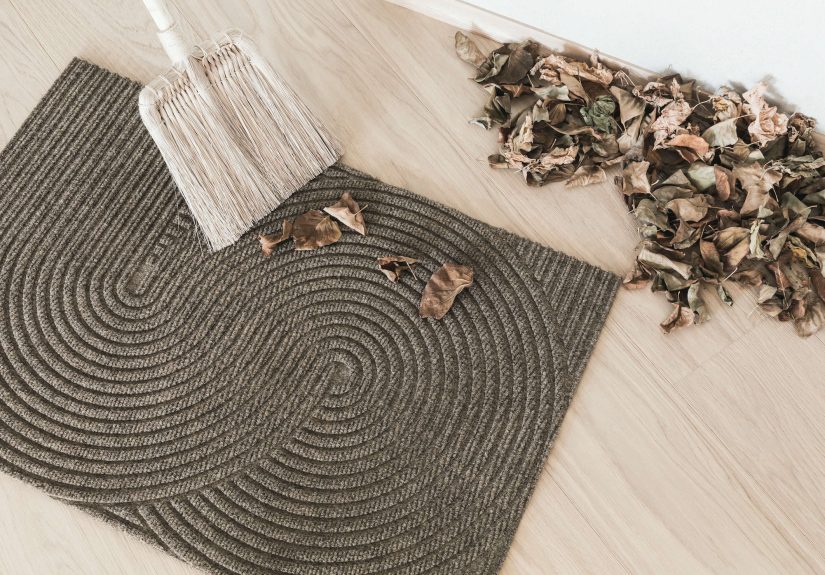
If you like a cleaner look, go for a textured solid mat in sand, flax, beige, oatmeal, or natural coir. If you want personality, choose a subtle geometric pattern, stripe, or carved design. The key is balance. Your mat can be interesting without looking like it is auditioning for a reality show.
Common Mistakes to Avoid
Buying for looks only: A pretty mat that cannot trap dirt is just front-door optimism.
Choosing the wrong material for your climate: Not every mat is built for nonstop rain, blazing sun, or wet snow.
Ignoring size: Too small, and people step right over the useful part.
Skipping maintenance: Even the best mat loses effectiveness when packed with debris.
Forgetting slip resistance: Safety matters, especially on smooth porch surfaces.
Final Thoughts
A great sand outdoor entry doormat does more than greet guests. It protects floors, cuts down on cleanup, handles daily traffic, and gives your entryway a polished, welcoming look. The right mat can make your home feel more finished on the outside and noticeably cleaner on the inside.
If your main challenge is dry grit and dusty shoes, coir is a strong choice. If you need weather resistance and easy cleanup, rubber or synthetic fibers may serve you better. If your doorway sees both sand and water, think in layers and function first. The best mat is not the one with the cutest phrase. It is the one still doing its job three seasons later while quietly making your life easier.
That is the real beauty of a sand outdoor entry doormat. It looks calm. It lives neutral. It fights chaos at the threshold.
Experience and Real-Life Use: What People Notice After Living With One
Once a sand outdoor entry doormat is in daily use, the small details start to matter more than the product photos ever suggested. One of the first things homeowners notice is how much debris they were previously dragging inside without realizing it. Fine dust, tiny pebbles, grass clippings, and sandy grit do not always announce themselves dramatically. They just appear later on hallway floors, under benches, and in the corners of the entryway like uninvited tiny houseguests. A good outdoor mat changes that fast.
In homes with kids, the mat usually becomes less of a decor piece and more of a first line of defense. After school, sports practice, backyard play, and rainy-day stomping, families tend to appreciate mats with visible texture and some weight. Lightweight mats may look fine on day one, but real life includes running feet, uneven steps, and people who absolutely do not pause to gently align the mat after each use. A sturdier mat wins that battle.
Pet owners often have a similar experience. Dogs rarely arrive home with delicately curated paws. They bring enthusiasm, mystery moisture, and enough yard debris to suggest they have been doing landscaping on the side. A sand-toned outdoor mat can help disguise day-to-day mess better than a very dark or very light option, especially between cleanings. It still needs maintenance, of course, but it tends to look less defeated in the meantime.
At beach homes or houses near parks and trails, people often discover that sand behaves differently from ordinary dirt. It is finer, sneakier, and somehow more emotionally committed to getting indoors. That is why textured scraper mats or slatted designs feel so useful in those settings. Users quickly learn that even a stylish mat needs enough surface structure to interrupt sandy soles before the grit reaches wood floors or tile.
Another common real-world takeaway is that maintenance does not have to be complicated, but it does have to be regular. The happiest doormat owners are usually not the ones performing a weekly deep-cleaning ceremony with orchestral music in the background. They are the ones who remember to shake out the mat, vacuum it, hose it down when needed, and let it dry fully. Small routines make a big difference in how long the mat stays attractive and functional.
Finally, people often end up caring more about comfort and appearance than they expected. A sand outdoor entry doormat softens the look of a doorway. It feels warmer than harsh black mats and more forgiving than bright, high-contrast patterns. Over time, that neutral tone becomes part of the home’s rhythm: calm, practical, and quietly effective. It is not flashy, but that is exactly the point. It works hard without asking for applause, which is honestly more than can be said for most household items.