Table of Contents >> Show >> Hide
- What the birth control pill actually does
- Common side effects of the birth control pill
- The benefits people forget to mention
- Serious risks: uncommon, but worth knowing
- Who may need a different option
- The birth control shot: how it compares
- Alternatives to the pill
- How to choose the right method
- Common experiences people report with the pill and the shot
- Conclusion
Birth control has a funny way of sounding simple in commercials and wildly complicated at 2 a.m. when you are doom-scrolling side effects on your phone. One minute it is “take one tiny pill every day,” and the next minute you are trying to decode words like progestin, estrogen, breakthrough bleeding, and whether your headache is just a headache or a dramatic monologue from your hormones.
The good news is that modern birth control is not one-size-fits-all, and that is actually a feature, not a bug. The birth control pill works well for many people, but it is not the only option on the table. Some people love the daily routine. Some absolutely do not. Some want lighter periods and clearer skin. Others want to avoid estrogen. And some would rather get one shot every few months and not think about birth control again until the next season rolls around.
This guide breaks down the birth control pill in plain English: the common side effects, the serious risks, the benefits people often forget to mention, the main alternatives, and how the birth control shot compares. Think of it as a practical tour through the contraception aisle, minus the confusing fine print and minus the weird internet panic.
What the birth control pill actually does
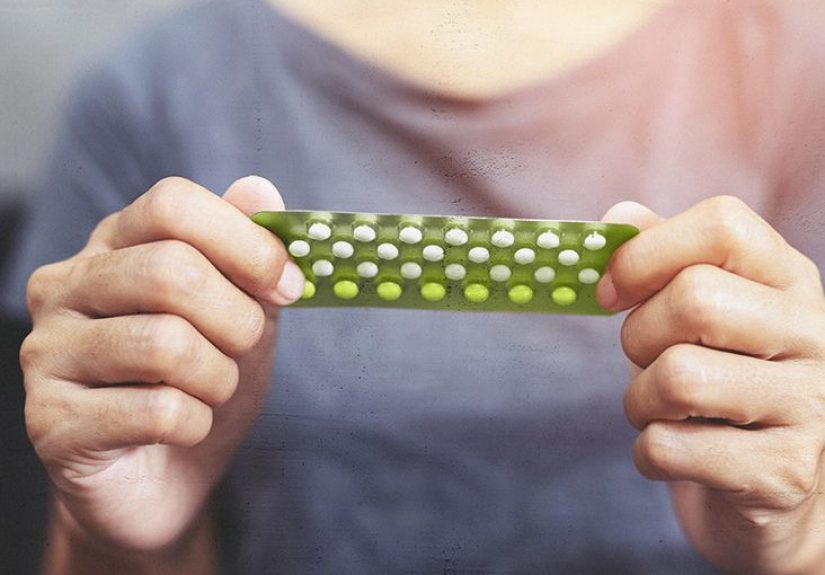
The birth control pill prevents pregnancy mainly by stopping ovulation, thickening cervical mucus so sperm have a harder time getting through, and making the lining of the uterus less welcoming to a fertilized egg. There are two main types:
1. Combination pills
These contain estrogen and progestin. They are the most commonly prescribed pills and often help regulate periods, reduce cramps, and make bleeding lighter and more predictable.
2. Progestin-only pills
Often called the mini pill, these do not contain estrogen. They can be a smart choice for people who cannot or should not use estrogen, including some who have migraine with aura, certain blood pressure issues, or other risk factors.
In real life, the pill works best when you actually remember to take it. Revolutionary concept, I know. With typical use, the pill is effective for most users, but missed pills are the reason its real-world performance is lower than its perfect-use reputation. That daily habit matters more than the glamorous packaging ever will.
Common side effects of the birth control pill
Most pill side effects are not dangerous, but they can be annoying enough to make people quit before their bodies adjust. The most common ones tend to show up in the first few months and often improve over time.
Spotting and breakthrough bleeding
This is one of the most common complaints, especially during the first two or three months. It can also happen if pills are taken late, missed, or if someone is using an extended-cycle formula. It is inconvenient, yes. It is usually not a sign that something is terribly wrong, also yes.
Nausea, bloating, and breast tenderness
Some people feel a little queasy when they first start the pill, particularly with combination pills. Taking it with food or at bedtime may help. Breast tenderness and a “why do my jeans suddenly feel personally offensive?” bloating phase can also happen early on.
Headaches and mood changes
Headaches can happen with hormonal shifts, and some users report mood changes. That does not mean the pill causes the same emotional effect in everyone. Hormones are less like a universal script and more like improv theater: the same medication can feel totally different from one person to another.
Changes in periods
Many people start the pill hoping for calmer periods and get exactly that. Others may notice lighter bleeding, shorter periods, or even no monthly withdrawal bleed with some regimens. Progestin-only pills are more likely to cause irregular bleeding patterns.
Skin and weight concerns
Some combination pills can improve acne, while others may not make much difference. Weight gain is often blamed on the pill the way bad Wi-Fi gets blamed on weather, ghosts, and Mercury retrograde. Some people notice changes in appetite, bloating, or fluid retention, but dramatic weight gain is not a universal pill experience.
The benefits people forget to mention
The birth control pill is not only about pregnancy prevention. It is also often prescribed for medical reasons that have nothing to do with contraception at all.
- Lighter, shorter, or more predictable periods
- Less painful cramps
- Reduced heavy menstrual bleeding
- Improvement in acne for some users
- Relief for certain symptoms linked to PCOS or endometriosis
- Lower risk of endometrial and ovarian cancer with use over time
For some patients, those benefits are the whole reason the pill is on the prescription list. When someone says, “The pill worked great for me,” they may not just mean birth control. They may mean, “It finally stopped my periods from acting like a tiny monthly coup.”
Serious risks: uncommon, but worth knowing
Now for the serious part without the drama soundtrack. The pill is safe for many people, but some risks deserve attention, especially with estrogen-containing pills.
Blood clots, stroke, and heart attack
Combination pills slightly increase the risk of blood clots, stroke, and heart attack. These problems are still uncommon in healthy younger users, but the risk matters more if you smoke, have high blood pressure, have certain clotting disorders, or have migraine with aura. That is why a prescription visit should include health history questions instead of a casual shrug and a coupon.
Blood pressure changes
Estrogen-containing pills can raise blood pressure in some users. That is one reason blood pressure should be checked before starting combination hormonal contraception.
Cancer-related questions
This topic gets oversimplified constantly. Here is the nuanced version: birth control pills are linked with lower risks of endometrial and ovarian cancer, but research has also found a small increase in certain risks, such as breast cancer while currently using hormonal contraception and cervical cancer risk with longer-term oral contraceptive use. This is exactly why personal risk factors matter. There is no honest one-line answer that fits everyone.
When to call a clinician fast
Seek prompt medical attention for warning signs such as chest pain, shortness of breath, severe leg pain or swelling, sudden vision changes, trouble speaking, weakness on one side, or a severe new headache. Those are not “wait and see if it vibes out” symptoms.
Who may need a different option
The combination pill is not ideal for everyone. A clinician may steer you toward another method if you:
- Smoke heavily and are older
- Have migraine with aura
- Have uncontrolled high blood pressure
- Have a history of blood clots, stroke, or certain heart conditions
- Have certain liver conditions or medication interactions
- Need a method that does not rely on daily memory
That is where progestin-only methods or long-acting methods often step in and save the day.
The birth control shot: how it compares
The birth control shot, often known by the brand name Depo-Provera, is a progestin-only injection given about every three months. If the pill is a daily alarm, the shot is more like a quarterly appointment with consequences.
Why some people love the shot
- No daily pill to remember
- No estrogen
- Often leads to lighter periods or no periods over time
- Private and low-maintenance between injections
Common side effects of the shot
The shot can cause irregular bleeding, spotting, headaches, breast tenderness, nausea, mood changes, and weight gain in some users. Menstrual changes are especially common in the first year. For some people, periods become lighter and disappear. For others, the first several months can feel like their cycle lost the map.
Important downsides of the shot
The shot can delay the return of fertility after stopping it. That does not mean it causes permanent infertility. It means that if someone wants to become pregnant soon after stopping birth control, the shot may be less convenient than the pill, IUD, or implant. Another concern is bone mineral density loss with longer use, although evidence suggests this loss is substantially or fully reversible after discontinuation in many users. That risk should be weighed against the benefits and the person’s overall health situation.
In short, the shot is a solid option for people who want estrogen-free contraception and do not want the daily responsibility of a pill, but it is not the best “I might want pregnancy soon” method.
Alternatives to the pill
If the pill is not a match, there are plenty of other options. Birth control today is basically a menu, which is great, because nobody should be forced to order the same entrée.
IUDs
Hormonal IUDs can last for years and often make periods lighter. Copper IUDs are hormone-free and long-lasting, but they may make periods heavier or crampier for some users. Both are among the most effective reversible methods because they remove user error from the equation.
The implant
A small rod placed in the upper arm releases progestin for years. It is one of the most effective reversible methods available. The trade-off is that irregular bleeding can happen, especially early on.
The patch and the ring
These contain estrogen and progestin like combination pills, but you do not have to take them daily. The patch is changed weekly, and the ring is typically used monthly. They can be great for people who want combined hormonal benefits without a daily reminder.
Condoms
Condoms are essential if STI protection matters, because the pill, shot, implant, patch, ring, and IUD do not protect against sexually transmitted infections. Many people use condoms along with another method for extra pregnancy prevention and STI protection.
Emergency contraception
This is not an everyday method, but it is an important backup option after unprotected sex, missed pills, or contraceptive problems. It is the fire extinguisher of the birth control world: not your main plan, but very good to have when things go sideways.
How to choose the right method
The best birth control method is not the one your friend swears by, the one a celebrity mentions in a podcast, or the one that came with the cutest case. It is the one that fits your health history, your schedule, your tolerance for side effects, your plans for pregnancy, and your comfort level.
Ask these questions:
- Can I realistically remember a pill every day?
- Do I need to avoid estrogen?
- Do I want lighter periods, fewer periods, or no hormones at all?
- How soon might I want pregnancy after stopping?
- Do I want a method I can stop on my own, or one that lasts for years?
- Do I also need STI protection?
If you tend to forget daily medications, long-acting options like IUDs and the implant are worth a serious look. If you want more control and quick reversibility, the pill may still be a strong choice. If you cannot use estrogen, the mini pill, the shot, the implant, or a hormonal IUD might make more sense.
Common experiences people report with the pill and the shot
When people talk about birth control, their stories often sound wildly different, and that can be confusing until you realize both things can be true at once. One person starts the pill and says, “My skin improved, my cramps chilled out, and my periods finally arrived on schedule like they learned manners.” Another starts the same month and says, “Why am I spotting, why am I hungry, and why do my emotions feel like they downloaded a trial version of chaos?”
That range is normal. A common early experience on the pill is a short adjustment period. Someone may have mild nausea for a week or two, notice breast tenderness, or get spotting between periods. Then, by month three, things often calm down. Many users end up liking the predictability. They know when bleeding will happen, cramps are often easier to manage, and there is a sense of routine that can feel reassuring.
Others find the daily schedule harder than expected. Missing one pill may not seem like a big deal until it turns into three missed pills, a panic search for emergency contraception, and a renewed respect for phone alarms. For busy students, shift workers, parents, or anyone whose routine is basically “survive and improvise,” the pill can become more mental labor than expected.
The mini pill has its own reputation. People who need to avoid estrogen may appreciate it, especially if they are breastfeeding or have a medical reason to skip combination pills. But users often describe it as less forgiving about timing, which means a small delay can feel oddly high-stakes for a pill that looks so harmless sitting in a tiny packet.
The shot tends to attract people who are tired of daily maintenance. A lot of users love that part. They get the injection, mark the next date, and move on with life. Some say their periods get lighter or disappear, which can feel like winning a small lottery. Others have the opposite experience at first: random spotting, longer bleeding, or the sense that their cycle is now operating according to a secret plan it refuses to share.
Weight concerns come up often in conversations about the shot. Some users notice changes, some do not, and some are more bothered by appetite shifts than by the number on a scale. Mood changes can also be part of the conversation, which is why follow-up matters. A method should work for your life, not just on paper.
One of the most practical experiences people mention after stopping the shot is waiting for cycles to return to their usual pattern. This can be frustrating for someone who wants pregnancy sooner rather than later. By contrast, many people stop the pill and return to their usual fertility more quickly, though timing still varies from person to person.
The biggest takeaway from real-world experience is simple: side effects are personal, adjustment periods are common, and the “best” method is the one you can use consistently without feeling miserable. Birth control is healthcare, not a personality test. If one option does not suit you, that is not failure. That is data.
Conclusion
The birth control pill remains a popular option for good reason. It can be effective, reversible, and helpful for everything from pregnancy prevention to acne, cramps, and heavy periods. But it is not side-effect free, and it is not risk free, especially when estrogen is involved. The shot offers a useful estrogen-free alternative with fewer daily demands, though it comes with its own trade-offs, including irregular bleeding, possible weight gain, delayed return to fertility, and bone health considerations.
The smartest approach is not picking the method with the loudest online fan club. It is choosing the method that fits your body, your routine, and your health history. When birth control works well, it can feel gloriously boring, and honestly, boring is underrated.