Table of Contents >> Show >> Hide
- What Is a Throw-Up in Graffiti Art?
- Before You Start: Materials You’ll Need
- How to Create a Graffiti-Style Throw-Up: 12 Steps
- Step 1: Pick a Short Word
- Step 2: Sketch Basic Letter Shapes
- Step 3: Puff Up the Letters
- Step 4: Let the Letters Touch and Overlap
- Step 5: Refine the Outline
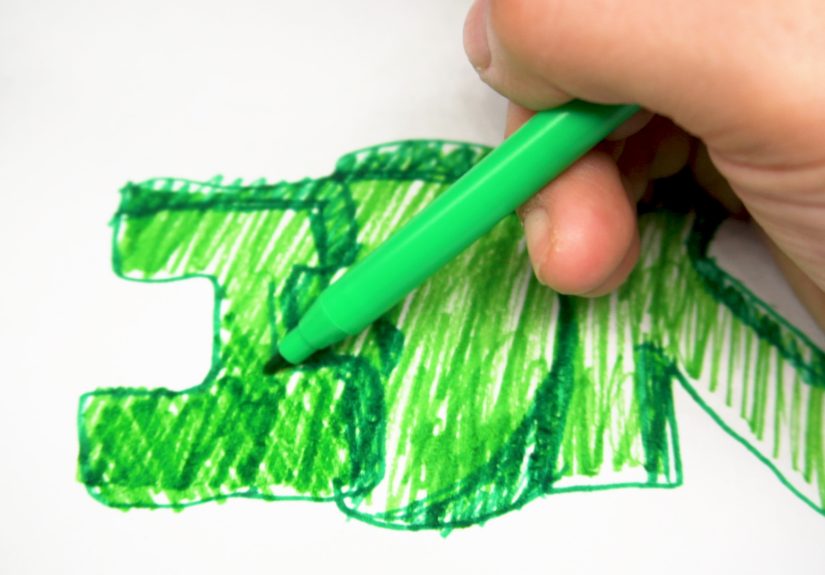
- Step 6: Add a Simple Color Fill
- Step 7: Create an Outer Outline
- Step 8: Add Depth With a Shadow
- Step 9: Use Negative Space Wisely
- Step 10: Add Highlights for Shine
- Step 11: Build a Clean Background
- Step 12: Step Back and Edit
- Common Mistakes Beginners Make
- Tips to Improve Your Throw-Up Style Faster
- Where to Practice Legally
- Final Thoughts
- Artist Experiences: What It Feels Like to Learn Throw-Up Style
If you love the bold bubble letters, fast energy, and larger-than-life attitude of graffiti, you are probably curious about the classic throw-up style. A throw-up is known for simple shapes, quick flow, and strong visual impact. But let’s keep it smart and legal: this guide is about creating a graffiti-style throw-up on a canvas, design board, sketchbook, or a wall where you have explicit permission to paint. That way, you get all the fun, color, and swagger without also starring in a very disappointing conversation with a property owner.
Below, you’ll learn 12 practical steps to create a clean, eye-catching throw-up style piece, from choosing a word to adding highlights and finishing touches. Whether you are a beginner experimenting with street art lettering or an artist trying to sharpen your style, this step-by-step guide will help you build confidence while keeping your work polished, readable, and full of personality.
What Is a Throw-Up in Graffiti Art?
A throw-up is a classic graffiti lettering style that sits between a simple tag and a more detailed piece. It usually uses rounded, inflated letters, quick outlines, limited color fills, and high contrast. The goal is not to make every letter look like it earned a PhD in decoration. The goal is impact: readable, bold, and full of movement.
In legal art settings, a throw-up style is popular on:
- Canvas panels
- Poster boards
- Sketchbooks
- Murals on approved walls
- Digital graffiti illustrations
If you want to learn how to do a throwie in a way that is creative and responsible, the best path is to practice the style legally and focus on letter structure, spacing, color, and consistency.
Before You Start: Materials You’ll Need
You do not need a mountain of gear to make a solid throw-up style artwork. A modest setup works just fine.
Basic supplies
- Pencil and eraser
- Sketchbook or paper
- Markers or paint markers
- Acrylic paint or spray paint for legal surfaces
- Canvas, poster board, or a permitted wall
- Painter’s tape or drop cloth if needed
- Reference photos of graffiti lettering styles for inspiration
If you are working with spray paint on an approved wall or outdoor art board, wear proper safety gear and work in a well-ventilated area. Looking cool is nice. Breathing comfortably is even nicer.
How to Create a Graffiti-Style Throw-Up: 12 Steps
Step 1: Pick a Short Word
The best throw-up words are usually short and easy to shape. Think 3 to 6 letters. Short words are easier to balance, easier to remember, and much easier to fit into a pleasing composition. If you choose something like “THUNDERCLOUDMEGABLAST,” you may end up needing a second wall and a nap.
Look for letters that naturally create rhythm, such as O, S, B, C, R, M, or A. Repeated shapes can help the design feel more unified.
Step 2: Sketch Basic Letter Shapes
Start with simple block letters in pencil. Do not jump into wild curves right away. First, make sure the word is readable and evenly spaced. Think of this stage as the skeleton of your graffiti lettering.
Pay attention to:
- Letter height
- General width
- Space between letters
- The overall length of the word
This rough layout matters more than beginners often realize. If the base structure is messy, no amount of later sparkle will rescue it.
Step 3: Puff Up the Letters
Now turn those plain letters into bubble letters. A throw-up style usually relies on soft, inflated forms. Round the corners. Thicken the lines. Let the letters feel plump and energetic.
At this stage, imagine each letter as if it has been gently inflated like a balloon. You want volume, but not chaos. The letters should still be easy to read at a glance.
Step 4: Let the Letters Touch and Overlap
One hallmark of a good throw-up is that the letters feel connected. Slight overlaps can make the word look cohesive and powerful. This is where the piece starts to feel less like ordinary writing and more like graffiti art.
Try tucking one letter behind another or allowing curves to nest together. Just do not overlap so much that the word becomes a puzzle nobody asked for.
Step 5: Refine the Outline
Once the inflated letter shapes look right, refine the outer edge. Your outline should feel clean and confident, not wobbly and uncertain. A strong outline is one of the most important parts of a throw-up style piece because it defines the whole form.
Ask yourself:
- Are the letters balanced?
- Does one letter look too skinny or too huge?
- Does the word flow from left to right smoothly?
Fix those issues now. This is the best time to make corrections.
Step 6: Add a Simple Color Fill
Traditional throw-up styles often use a limited color palette. Usually, one fill color and one contrasting outline color work beautifully. For example:
- White fill with black outline
- Yellow fill with purple outline
- Light blue fill with dark navy outline
- Pink fill with charcoal outline
Choose colors with strong contrast so the letters pop. If everything blends together, your throw-up loses its punch. High contrast helps readability and makes the design more visually dramatic.
Step 7: Create an Outer Outline
After filling the letters, add a crisp outer line around the whole word. This separates the artwork from the background and makes the piece feel finished. In graffiti-inspired work, this outline often does the heavy lifting when it comes to visibility.
If you are painting on canvas or a legal wall, let the fill dry enough first so the outer line stays sharp. Smudged outlines can make even a great design look half-awake.
Step 8: Add Depth With a Shadow
A simple drop shadow can instantly make your throw-up more dynamic. Pick one direction for the shadow and stay consistent. For example, if the shadow falls down and to the right on the first letter, it should do the same for every other letter.
The shadow does not need to be complicated. A clean secondary line or block of darker color is enough. The goal is to create depth, not to launch the letters into another dimension.
Step 9: Use Negative Space Wisely
Good graffiti lettering is not just about what you paint. It is also about what you leave open. Negative space helps letters breathe and keeps the composition from becoming muddy.
Check the counters and openings inside letters like A, O, P, and R. Make sure they remain clear enough to read. If everything is packed too tightly, the artwork can start looking like a colorful potato cloud.
Step 10: Add Highlights for Shine
Highlights are a simple way to make bubble letters feel glossy and alive. Add small white or lighter-colored marks along the upper curves of letters. These highlights suggest light hitting a rounded surface.
Keep them minimal and consistent. A few well-placed highlights make a huge difference. Too many, and the piece starts looking like it moisturized excessively.
Step 11: Build a Clean Background
A throw-up does not always need a complicated background, but a little support helps. Depending on your surface, you can add:
- A flat contrasting background color
- A soft halo around the letters
- Simple drips or splashes
- Minimal arrows, stars, or spark effects
Keep it controlled. The throw-up should remain the star of the show. Background details should support the piece, not stage a hostile takeover.
Step 12: Step Back and Edit
This is the step many artists skip, and it shows. Walk back a few feet and look at the whole piece. Ask yourself:
- Can I read it quickly?
- Do the letters feel balanced?
- Is the color contrast strong enough?
- Are the outline and shadow consistent?
- Does anything feel too crowded or awkward?
Make final touch-ups, sharpen edges, clean stray marks, and reinforce any lines that need more confidence. Sometimes the difference between “pretty good” and “wow” is ten extra minutes of editing.
Common Mistakes Beginners Make
When learning how to create a throw-up style, beginners often make the same few mistakes. The good news is they are very fixable.
Making letters too complicated
A throw-up is supposed to be bold and efficient. Overdecorating can reduce readability and weaken the design.
Ignoring letter structure
Style matters, but structure comes first. If the base letters are off, the finished piece will feel off too.
Using too many colors
A simple palette often looks stronger than a rainbow explosion with commitment issues.
Inconsistent shadows
If the shadow direction changes from letter to letter, the illusion of depth breaks immediately.
Poor spacing
Letters that are too cramped or too far apart make the word feel awkward and unbalanced.
Tips to Improve Your Throw-Up Style Faster
- Practice the same word several times to develop consistency.
- Study classic bubble letter forms and notice how simple they really are.
- Experiment on paper before painting larger surfaces.
- Use thick and thin line contrast carefully.
- Take photos of your work so you can review spacing and balance later.
- Compare early sketches with later versions to track improvement.
The more you repeat, refine, and simplify, the better your graffiti-style lettering becomes. Great throw-ups often look effortless, but that smooth confidence usually comes from a lot of sketchbook miles.
Where to Practice Legally
If you want to build real skill, practice in places where you are welcome to create. That can include:
- Your sketchbook
- Canvas boards
- Wood panels
- Digital art apps
- Community mural programs
- Permitted walls or art spaces
Legal practice gives you room to experiment, improve, and make mistakes without pressure. That is where your style gets stronger. You can take your time, test color combinations, and actually enjoy the process instead of worrying about everything except the art.
Final Thoughts
Learning how to create a graffiti-style throw-up is really about mastering a few fundamentals: clean letter structure, rounded forms, strong outlines, simple color choices, and confident finishing touches. When you break it into steps, the style becomes much less mysterious and a lot more approachable.
Start small. Pick a short word. Sketch it often. Refine your bubble letters. Add color, outline, shadow, and highlights. Then do it again, a little better each time. That is how a rough idea turns into a style you can recognize as your own.
Most of all, remember this: bold art does not need bad decisions to be exciting. You can get the visual punch of a classic throw-up style while working legally, safely, and proudly. Your future self will appreciate both the improved lettering and the lack of awkward legal stories at dinner.
Artist Experiences: What It Feels Like to Learn Throw-Up Style
For many beginners, the first experience with a throw-up style is humbling. On paper, bubble letters look easy. In reality, they can wobble, tilt, and puff up in weird directions like bread dough with trust issues. A lot of new artists start with too much confidence, then stare at their sketch and realize their “R” somehow looks like a sleepy potato wearing sunglasses. That early frustration is normal, and honestly, it is part of the fun.
One common experience is discovering that speed is not the first skill you need. People often assume graffiti-style art is all about being quick, but in a legal practice setting, the real lesson is control. Artists who improve fastest usually slow down at the beginning. They spend more time on letter structure, making sure the overall shape reads well before they worry about flair. Once the structure feels solid, style starts showing up naturally.
Another big milestone happens when an artist begins repeating the same word over and over. At first, this feels boring. By the tenth sketch, though, something clicks. The curves get smoother. Spacing becomes more intentional. Certain letters begin to “talk” to each other visually. The artist starts noticing where one letter can overlap another, where extra width improves balance, and where a tiny change to the top bar or bottom curve suddenly makes the whole word look stronger. Repetition is where confidence is born.
There is also a surprisingly emotional side to painting a finished throw-up style piece on a legal surface. Many artists describe that moment when the outline goes on and the letters finally snap into focus. Before the outline, the work may look uncertain or unfinished. After the outline, it has attitude. Add a shadow and a few highlights, and suddenly the piece feels alive. It is one of those satisfying creative moments that makes you want to take a picture immediately, even if your hands are still messy.
Color choice is another area where experience teaches powerful lessons. Beginners often want to use every exciting color they own, which is understandable. Paint is fun. Markers are fun. Neon anything feels like a good idea at first. But artists usually learn that a simple two-color or three-color combination often looks bolder than a crowded palette. The experience of stripping back unnecessary extras can be eye-opening. Strong contrast wins more often than chaos.
Many artists also talk about how practicing graffiti-style lettering improves other creative skills. It sharpens the eye for spacing, rhythm, and composition. It teaches patience without making the process feel stiff. It encourages experimentation while still rewarding discipline. Even people who start out only wanting to make cool bubble letters often end up becoming better illustrators, painters, or designers because the practice trains them to think more carefully about shape and flow.
Perhaps the most rewarding experience is realizing that style develops slowly, then suddenly feels personal. One day, you are copying influences and figuring things out. A few weeks or months later, you notice that your letters have a certain bounce, tilt, or thickness that feels distinctly yours. That is the moment many artists fall in love with the process. Not because every piece is perfect, but because the work starts reflecting their own visual voice.
In the end, learning throw-up style legally is not just about making bold letters. It is about building skill, taste, patience, and identity. The journey includes awkward sketches, surprising breakthroughs, color experiments, and plenty of moments where you laugh at your own mistakes before fixing them. That is what makes the process memorable. The artwork looks cool, sure, but the real payoff is the growth that happens each time you return to the page or wall and try again a little smarter than before.