Table of Contents >> Show >> Hide
- What Actually Clogs a Septic Leach Field?
- Way #1: Reduce the Water Load and Give the Field a Chance to Recover
- Way #2: Fix the Real Bottleneck in the System
- Way #3: Rehabilitate the Field or Replace It When the Biomat Is the Problem
- How to Keep a Septic Leach Field From Clogging Again
- Final Thoughts
- What This Looks Like in Real Life: Common Homeowner Experiences
A septic leach field is one of those home systems people barely think about until it starts acting like a moody swamp. One day the sinks are fine. The next day the shower drains like it is trying to set a world record for slowness, the yard smells suspicious, and the patch of grass over the drainfield suddenly looks like it has joined a fitness program.
If that sounds familiar, take a breath. A clogged septic leach field is serious, but it is not always a “sell the house and move into the woods” kind of problem. In many cases, the right fix depends on why the field is clogging in the first place. Sometimes the issue is hydraulic overload. Sometimes it is a blocked filter, crushed line, root intrusion, or saturated soil. And sometimes the truth is less fun: the field is failing because the biomat in the soil has become too thick, and a quick DIY trick will not magically bring it back to life.
This guide breaks down three realistic ways to unclog a septic leach field, what each method can and cannot do, and how to avoid the expensive mistakes that turn a manageable septic problem into a backyard horror movie. Around the septic world, the terms leach field, drainfield, and soil absorption field are often used interchangeably, so you will see all three here.
What Actually Clogs a Septic Leach Field?
Before talking fixes, it helps to know what is going wrong under your lawn. Your septic tank separates solids from wastewater. The clarified liquid then flows to the leach field, where it slowly filters through soil. That soil does the real cleanup work. Over time, a biological layer called a biomat forms where wastewater meets the soil. A healthy biomat is useful. An overloaded or neglected system can create a biomat so thick that water no longer moves through the soil the way it should.
In plain English, the field gets overwhelmed. That can happen because solids escaped the tank, too much water is entering the system, the soil is saturated from rain or runoff, roots have invaded the pipes, the distribution box is off-level, or heavy vehicles compacted the soil and damaged the lines. At that point, wastewater may back up into the house, rise to the surface, or create soggy, smelly ground above the field.
Common signs your leach field may be clogged
- Drains, tubs, or toilets are slow throughout the house
- Gurgling sounds show up in the plumbing
- Sewage odors appear indoors or around the yard
- The soil over the drainfield feels wet, soft, or spongy during dry weather
- You see standing water or unusually bright green grass over the field
- Wastewater backs up into sinks, showers, or floor drains
If sewage is surfacing or backing up into the home, treat it like a real health issue, not a weekend project. Reduce water use immediately and call a licensed septic professional.
Way #1: Reduce the Water Load and Give the Field a Chance to Recover
The first and most realistic way to unclog a septic leach field is also the least glamorous: stop overfeeding it. A lot of “clogging” problems are really overload problems. When more water hits the field than the soil can absorb, the trenches stay wet, oxygen drops, the biomat thickens, and the field stops accepting effluent efficiently.
This approach works best when the field is stressed but not completely dead. Think of it as taking your septic system off the treadmill before it collapses dramatically in front of everyone.
What to do right away
- Cut household water use immediately. Postpone long showers, marathon laundry days, and dishwasher binges. Spread water use across the week instead of dumping it all into the system in one heroic Saturday cleaning session.
- Fix leaks. A running toilet or dripping faucet can keep sending water into the field 24/7, which is exactly the kind of sneaky overload that shortens a system’s life.
- Redirect extra water away from the drainfield. Roof drains, downspouts, sump discharge, and irrigation should never saturate the field area. Clean water can still ruin septic performance if it keeps the soil too wet to accept wastewater.
- Schedule tank pumping and filter service if the system is due. Pumping helps prevent more solids from reaching the field, and a clogged effluent filter can mimic or worsen drainfield trouble.
Here is the important truth that too many homeowners hear too late: pumping the tank is necessary maintenance, but it is not a magic reset button for a fully clogged leach field. If the soil biomat is already severely clogged, pumping may buy you a little breathing room, but it does not remove the clogging layer in the field itself.
When this method helps most
This method is most helpful when the problem is tied to too much water entering the system, a recently saturated yard, a blocked outlet filter, or a drainfield that is stressed but not permanently failed. In those cases, lowering the hydraulic load can let the field drain down and function better again.
What not to do
- Do not keep doing five loads of laundry “to see if it gets better.” It will not.
- Do not route hot tub water, water softener backwash, or sump discharge toward the septic area.
- Do not pour drain cleaners, mystery treatments, or random chemicals into the system hoping for a miracle.
Way #2: Fix the Real Bottleneck in the System
Sometimes the leach field is not the main villain. Sometimes the real problem is upstream. A septic system can act like the field is clogged when the actual issue is a blocked effluent filter, damaged pipe, tilted distribution box, root intrusion, or crushed lateral line.
That is why the second way to unclog a septic leach field is to identify and repair the specific bottleneck. In other words, do not blame the whole orchestra when the problem is one trumpet player passed out in the corner.
Possible trouble spots
- Effluent filter or outlet baffle: If the filter is clogged, wastewater may back up before it ever reaches the field properly.
- Distribution box: If it is tilted or settled unevenly, one trench can get overloaded while the others sit underused.
- Pipes and laterals: Crushed sections, offsets, or root intrusion can restrict flow.
- Compacted soil: Vehicles, heavy equipment, patios, sheds, or even repeated traffic can compress the soil and reduce infiltration.
- Localized clogging: Some systems can be professionally cleaned or jetted, depending on pipe type, age, condition, and local rules.
What a septic professional may do
A licensed septic contractor may inspect the tank, check the effluent filter, examine the distribution box, confirm whether flow is reaching all trenches evenly, and look for broken or blocked lines. If the system design and condition allow it, the pro may clean filters, repair piping, remove roots, level the distribution box, or use approved cleaning methods for the laterals.
The key word there is approved. Not every system should be jetted. Not every old pipe should be blasted with high-pressure anything. Some jurisdictions allow certain remediation methods only with permits or contractor documentation, and some older systems can be damaged by aggressive cleaning attempts.
Why this matters
If one line is broken, one box is tilted, or one filter is blocked, replacing the whole field may be unnecessary. On the flip side, assuming you have a “simple clog” when the soil is already failing can waste money and precious time. The diagnosis matters just as much as the repair.
DIY line to never cross
Do not enter a septic tank. Ever. Do not open the system and start poking around like you are auditioning for a plumbing reality show. Septic tanks contain dangerous gases and disease-causing organisms. Even the wet ground around a failing system can pose safety hazards. Inspection and repair belong to trained professionals with the right equipment.
Way #3: Rehabilitate the Field or Replace It When the Biomat Is the Problem
If the field is truly clogged at the soil interface, the third way to “unclog” it is the honest one: rehabilitation or replacement. This is not the answer most homeowners want, but it is often the correct one when the drainfield has advanced biomat clogging or long-term hydraulic failure.
That does not always mean bulldozers tomorrow morning. In some systems, especially those designed with multiple cells or alternating fields, part of the field can be rested while flow is diverted elsewhere. A rested field has time to drain, dry, and regain some infiltrative capacity as the clogging layer breaks down. In systems built for alternating use, switching flow on a schedule can help extend service life.
Rehabilitation options that may be possible
- Resting an existing field or trench line: This only works if the system has reserve capacity, multiple cells, or an alternate field that can take the flow.
- Adding or restoring laterals: A contractor may be able to increase effective dispersal area or repair damaged components.
- Installing a new field in the reserve area: Many properly permitted systems have a designated replacement area for exactly this reason.
- Upgrading pretreatment: In some cases, an advanced treatment unit may be recommended before a new or restored soil area is used.
What usually does not work
Miracle septic additives, “shock” chemicals, and internet folklore are where septic budgets go to die. Products marketed as bacteria boosters, enzyme saviors, or field reopeners are not generally recommended by major public agencies for routine domestic use, and some may actually make clogging or environmental contamination worse. The same goes for random chemical drain openers. Your leach field is not a kitchen sink, and it does not need a science experiment from aisle seven.
If the soil absorption area is completely clogged, aging out, or poorly located in unsuitable soil, a new field or professionally designed upgrade may be the only durable fix. It is expensive, yes, but so is ignoring surfacing sewage and pretending optimism is a plumbing tool.
How to Keep a Septic Leach Field From Clogging Again
Once you get the system under control, the goal is simple: do not make it do push-ups while wearing ankle weights.
Smart septic habits that actually matter
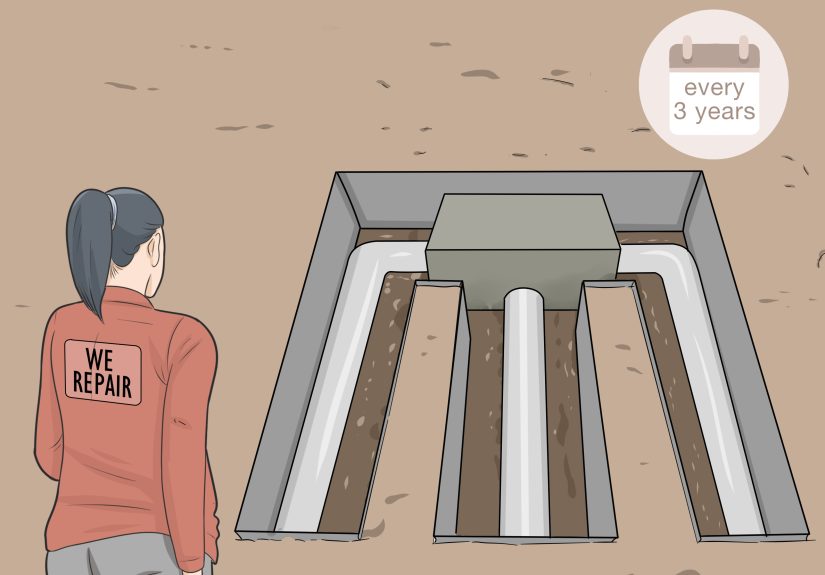
- Have the septic system inspected on a regular schedule and pump the tank as recommended for your household size and use.
- Clean the effluent filter when serviced.
- Flush only human waste and toilet paper.
- Keep grease, wipes, hygiene products, cat litter, coffee grounds, and harsh chemicals out of the system.
- Do not park, drive, build, or place heavy objects over the drainfield.
- Keep the area planted in grass, not shrubs or thirsty trees with ambitious roots.
- Direct stormwater and irrigation away from the field.
- Spread out water use instead of flooding the system in short bursts.
Final Thoughts
If you were hoping for a single weird trick to unclog a septic leach field with pantry items and positive thinking, sorry. Septic systems are not impressed by internet confidence. The good news is that there are real ways to address a clogged leach field. First, reduce the water load and eliminate excess moisture. Second, fix the actual bottleneck, whether that is a filter, box, root, or line issue. Third, if the field is genuinely biomat-clogged, pursue professional rehabilitation, alternating use, or replacement.
The biggest mistake homeowners make is waiting too long and treating a system failure like a minor annoyance. The second biggest mistake is throwing additives and chemicals at the problem because the bottle made a big promise in shiny letters. Septic systems reward boring, consistent maintenance and punish neglect with expensive drama. Choose boring. Your lawn, wallet, and nose will all appreciate it.
What This Looks Like in Real Life: Common Homeowner Experiences
The most common experience starts small. A homeowner notices the shower draining slowly and assumes it is hair. Then the toilet gives a lazy little gurgle. Then the washing machine drains and suddenly the downstairs tub burps like it has opinions. In many service calls, that pattern points to a system under hydraulic stress. The lesson homeowners often learn is that septic trouble usually whispers before it screams.
Another common experience is the “mystery wet patch” in the yard. Someone sees greener grass over the drainfield and thinks they accidentally became excellent at lawn care. A week later, the spot stays damp even though it has not rained. What felt like a landscaping win becomes a septic warning sign. Many owners say they wish they had called sooner, because the cost of an inspection would have been a lot friendlier than the cost of waiting for backup inside the house.
Then there is the overload story. A house fills up for a holiday weekend, the laundry runs nonstop, long showers happen back-to-back, and the dishwasher enters its overtime era. Systems that were barely keeping up can cross the line fast. Homeowners are often surprised to learn that nothing “broke” in the dramatic sense. The field simply got more water than the soil could handle, and the resulting saturation made everything look like a clog.
Root intrusion also shows up more often than people expect. A tree that looked charming ten years ago can become a pipe-hunting monster with excellent aim. Owners are usually shocked to discover that the prettiest shade tree in the yard is quietly trying to become part of the plumbing system. In those cases, the experience is frustrating because the problem feels invisible until the lines restrict flow and the symptoms start.
One of the most valuable experiences homeowners report is finally getting a real system map and maintenance record. Once they know where the tank, distribution box, and field are located, they stop parking trailers in the wrong place, stop planting shrubs where they should not, and stop guessing. That knowledge sounds boring, but boring is gold in septic ownership.
There is also the classic additive regret story. Someone buys a product advertised as a septic saver, field restorer, or miracle bacteria boost. They pour it in, feel hopeful for about two days, and then call a professional anyway. The system may seem a little better for a short time simply because water use changed or the tank was pumped, but the underlying field condition remains. Many homeowners later say the lesson was simple: a marketing label is not the same thing as wastewater engineering.
And finally, there is the best kind of septic experience: the boring success story. The owner spaces out laundry, pumps on schedule, keeps runoff away, plants only grass over the field, and never treats the toilet like a trash chute. Nothing dramatic happens. No swampy patch. No backup. No surprise excavation bill. In the septic universe, that quiet ending is basically a standing ovation.