Table of Contents >> Show >> Hide
- Why Open House Preparation Matters
- Start With a Pre-Game Plan
- Declutter First, Because Space Sells
- Depersonalize Without Making It Feel Lifeless
- Deep Clean Like Buyers Are Bringing White Gloves
- Fix the Small Stuff Before It Becomes Big Drama
- Stage the Home to Highlight Its Best Features
- Do Not Ignore Curb Appeal
- Light, Smell, and Temperature Matter More Than You Think
- Have a Safety Plan
- Make a Great Exit
- Last-Minute Open House Checklist
- Common Open House Mistakes to Avoid
- Conclusion
- Experiences and Lessons From Real Open House Preparation
If your home is about to host an open house, congratulations: your house is officially entering its “please pretend nobody actually lives here” era. Suddenly, the coffee maker has to disappear, the dog’s favorite squeaky toy has become a security threat, and you’re wondering whether buyers really do open closets. Spoiler alert: yes. Yes, they do.
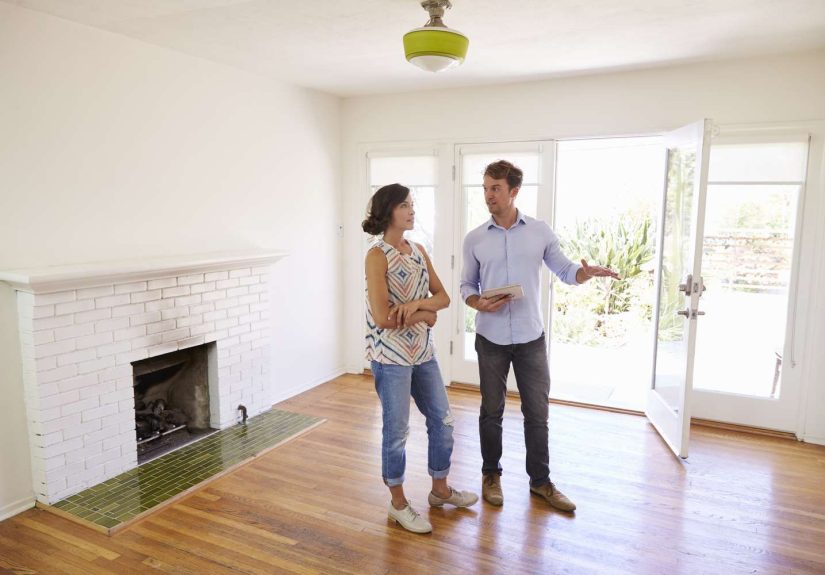
Learning how to prepare for an open house is part strategy, part elbow grease, and part theater. The goal is not to make your home look like a museum where no one is allowed to breathe. It is to help buyers walk in, relax, and think, “I could live here.” That means creating a clean, bright, spacious, neutral environment that shows off the home’s best features without distracting people with clutter, odors, unfinished repairs, or signs that three humans and two cats had cereal here an hour ago.
In this guide, you’ll learn exactly how to get open-house ready, from smart repairs and staging tricks to safety steps and a last-minute checklist for the big day. Whether you are working with a real estate agent or selling on your own, these tips can help your home make a stronger first impression and encourage serious buyers to come back for a second look.
Why Open House Preparation Matters
An open house is more than a casual weekend event with balloons, a sign-in sheet, and hopeful energy. It is one of your best opportunities to create momentum right after your home hits the market. Buyers usually start online, but photos can only do so much. Once people step inside, they start judging the flow, the light, the smell, the storage, and the overall feeling of the space. In other words, your home has about five seconds to stop them from mentally saying, “Nope.”
That is why preparation matters so much. A well-prepared home can feel bigger, brighter, cleaner, and more valuable. It can also help buyers focus on the house itself instead of your overflowing entry bench, mystery hallway smell, or bedroom painted the exact shade of “teenage rebellion.” Great open house prep supports better photos, better online interest, better in-person reactions, and sometimes better offers.
Start With a Pre-Game Plan
Before you start shoving random objects into the garage and calling it organizing, make a plan. The smartest way to prepare for an open house is to work backward from the event date.
Two to Four Weeks Before
- Walk through the house like a buyer, not like the person who knows the faucet only whistles when the moon is full.
- Ask your real estate agent for honest feedback on what needs attention first.
- Make a list of minor repairs, deep-cleaning tasks, and staging updates.
- Schedule professionals if needed for cleaning, carpet shampooing, yard work, painting, or handyman jobs.
- Gather property documents, upgrade records, permits, and appliance information in case buyers have questions.
One Week Before
- Finish repairs and touch-up work.
- Reduce clutter room by room.
- Pack away excess furniture, family photos, and highly personal decor.
- Refresh curb appeal.
- Confirm your open house schedule, signs, marketing materials, and showing plan with your agent.
The Day Before
- Deep clean the house from top to bottom.
- Wash windows and mirrors.
- Put away valuables, medications, financial papers, spare keys, and mail.
- Plan where pets will go.
- Set out fresh towels, make the beds, and give every room a final reset.
Declutter First, Because Space Sells
If you do only one thing before an open house, declutter. Buyers love space, and clutter makes even a decent-sized home feel cramped. The point is not just tidiness. It is visual breathing room.
Start with the obvious trouble spots: kitchen counters, bathroom vanities, entry tables, bookshelves, laundry areas, and bedroom surfaces. Remove anything that makes the room feel busy, crowded, or too personalized. That includes stacks of mail, fridge magnets, excess small appliances, extra chairs, toy baskets, pet supplies, and enough decorative objects to open a gift shop.
Closets matter, too. People open them. Then they judge them. A stuffed closet tells buyers the house does not have enough storage, even if that is not true. Aim to keep closets only partly full, neatly arranged, and easy to scan.
And no, the garage is not a magical vortex where all clutter becomes invisible. Buyers look there, too. If you need somewhere to stash packed items, a temporary storage unit is often the better move.
Depersonalize Without Making It Feel Lifeless
One of the classic open house tips is to depersonalize, and for good reason. Buyers need room to picture their life in the home, not feel like they are trespassing through yours.
Take down most family photos, kids’ artwork on the fridge, highly specific collections, diploma walls, and bold personal-style statements that may not appeal to a broad audience. If you have a themed room that screams “pirate office” or “pink flamingo meditation lounge,” tone it down a notch.
That said, do not strip the house of all warmth and personality. The home should still feel inviting. Keep a few tasteful accessories, some simple artwork, fresh towels, and maybe a plant or two. The sweet spot is neutral, clean, and welcoming, not cold and soulless.
Deep Clean Like Buyers Are Bringing White Gloves
You may think your house is clean. Buyers may think otherwise. Open-house clean is a different species of clean. It is not “we wiped the counters.” It is “the baseboards look emotionally supported.”
Focus on kitchens and bathrooms first, since buyers tend to judge these hardest. Scrub sinks, faucets, shower glass, grout lines, mirrors, appliances, cabinet fronts, and floors. Make stainless steel shine. Empty trash cans. Replace any grungy bath mats or tired shower curtains.
Then move on to the rest of the house:
- Dust ceiling fans, vents, blinds, light fixtures, and window sills.
- Vacuum rugs, under furniture, and along edges.
- Mop hard floors.
- Clean interior windows for more natural light.
- Wipe fingerprints off doors, knobs, and switch plates.
- Freshen up laundry and utility spaces.
If the budget allows, hiring a professional cleaning crew before the open house is often money well spent. Buyers may not compliment a spotless house out loud, but they absolutely notice when it is not spotless.
Fix the Small Stuff Before It Becomes Big Drama
An open house is not the time to debut your home’s “quirks.” Minor defects can make buyers wonder what bigger issues are hiding beneath the surface. Walk through your home and fix the things that quietly suggest neglect.
That usually means:
- Touching up chipped paint
- Tightening loose cabinet hardware
- Replacing burned-out lightbulbs
- Repairing dripping faucets
- Silencing squeaky doors
- Patching small wall holes
- Repairing torn screens
- Fixing sticky doors or drawers
Major renovations are not always necessary, and some projects do not pay off before a sale. Focus first on visible issues that affect first impressions, function, and cleanliness. Buyers are much more forgiving of an older kitchen than a home that looks poorly maintained.
Stage the Home to Highlight Its Best Features
Home staging is really about editing. You are helping each room show its purpose, scale, and flow. A buyer should immediately understand what the room is for and how to move through it comfortably.
Living Room
Remove extra furniture if the room feels crowded. Create a conversational seating arrangement. Hide cords, remotes, and everyday clutter. Let the windows and focal points shine.
Kitchen
Keep counters mostly clear except for one or two simple items, such as a bowl of fruit or a coffee-table-worthy cookbook. Organize the pantry if buyers might see it. Clean appliances inside and out. Yes, even the refrigerator. Especially the refrigerator.
Bedrooms
Make the beds neatly with simple bedding. Clear dressers and nightstands. Bedrooms should feel calm, spacious, and restful, not like command centers for laundry and charging cables.
Bathrooms
Display fresh towels, hide personal toiletries, and make everything sparkle. A small plant, a new soap dispenser, or crisp white towels can make a basic bathroom feel more polished.
Home Office or Bonus Space
If you have a flex room, stage it clearly. Buyers should not have to guess whether it is an office, a guest room, a gym, or a storage annex gone rogue.
Do Not Ignore Curb Appeal
The open house begins before buyers reach the front door. If the exterior looks tired or neglected, people bring that disappointment inside with them.
Mow the lawn, trim shrubs, edge walkways, sweep the porch, and remove dead plants. Put away hoses, tools, and bins. Add a fresh doormat. If your front door could use a facelift, a fresh coat of paint can work wonders. Clean house numbers, exterior light fixtures, and the mailbox. In many cases, a simple, tidy exterior reads as “well cared for,” and that is exactly the impression you want.
Light, Smell, and Temperature Matter More Than You Think
Buyers respond emotionally to atmosphere. A bright, fresh, comfortable home simply feels better.
Open blinds and curtains to maximize natural light. Turn on lamps and overhead lighting in darker areas so nothing feels gloomy. Replace mismatched bulbs so the lighting looks intentional rather than chaotic.
Next, pay attention to odor. You may be nose-blind to your own home, but buyers are not. Avoid cooking strong-smelling foods before the open house. Clean litter boxes, pet bedding, drains, and garbage cans. If weather allows, crack the windows for a while before the event. Keep scent subtle. You want “fresh and clean,” not “someone panic-bought 12 vanilla candles.”
Finally, make sure the temperature is comfortable. If the house feels stuffy, freezing, or overly warm, buyers may rush through instead of lingering.
Have a Safety Plan
Open houses bring strangers into your home, so safety matters. Before the event, remove or lock up valuables, jewelry, checkbooks, prescription medication, passports, financial documents, spare keys, and anything with personal information on it. That includes mail, school schedules, and travel notes pinned to the fridge.
If possible, let your agent host the event rather than staying home yourself. Buyers tend to feel more comfortable exploring when sellers are not present, and your agent can watch sign-ins, answer questions, and manage the flow of visitors. After the open house, check doors, windows, and gates to make sure everything is secure.
Make a Great Exit
One of the hardest parts of preparing for an open house is the part where you actually leave. But leave you must. Buyers need space to talk honestly, imagine themselves in the home, and open cabinets without feeling like they are being graded.
Plan ahead for kids and pets. Take the dog for a very long walk. Visit a coffee shop. Go see a movie. Wander Target responsibly. Whatever you choose, make sure the house is empty, calm, and ready before the first visitors arrive.
Last-Minute Open House Checklist
- Open blinds and curtains
- Turn on lights
- Make beds
- Hide dirty laundry
- Clear countertops
- Put away dishes
- Empty trash cans
- Check mirrors for streaks
- Do a quick vacuum
- Freshen the air
- Set the thermostat to a comfortable temperature
- Lock away valuables and documents
- Remove pets and pet gear
- Park cars away from the house if possible
- Do one final walk-through from the front door inward
Common Open House Mistakes to Avoid
Even gorgeous homes can lose momentum if sellers make a few avoidable mistakes. Here are the big ones:
- Overdoing fragrance: Heavy scents make buyers suspicious that you are hiding something.
- Leaving the house too personal: Buyers get distracted by your life instead of focusing on the home.
- Ignoring repairs: Small issues can make buyers worry about major ones.
- Cramming closets and storage areas: Full spaces look small.
- Staying during the open house: Buyers are less comfortable and less honest.
- Forgetting exterior presentation: First impressions start outside.
- Using every room for storage: Each space needs a clear purpose.
Conclusion
Preparing for an open house is really about removing barriers between your home and a buyer’s imagination. When the house is clean, bright, uncluttered, well-staged, and easy to explore, buyers can stop focusing on distractions and start picturing their future there. That is the moment you are aiming for.
You do not need perfection. You need thoughtful preparation. Tackle the obvious repairs, edit the rooms, boost curb appeal, protect your privacy, and create a calm, welcoming atmosphere. Done well, an open house can turn a simple showing into the moment someone falls in love with your property and starts mentally measuring where their couch will go. That is when things get interesting.
Experiences and Lessons From Real Open House Preparation
One of the most common experiences sellers talk about is realizing their home felt perfectly normal to them right up until they looked at it through a buyer’s eyes. A hallway table that had become a landing pad for keys, chargers, sunglasses, receipts, and unopened mail suddenly looked like clutter central. A cozy den suddenly looked small because it had one chair too many. That shift in perspective is often the biggest breakthrough. Once sellers stop thinking, “This is how we live,” and start thinking, “This is how we want buyers to feel,” the whole preparation process gets easier.
Another frequent lesson is that deep cleaning pays off more than flashy gimmicks. Many homeowners assume they need expensive upgrades before an open house, but often the biggest improvements come from simpler work: washing windows, brightening bulbs, repainting a scuffed entryway, and making the kitchen look clean enough to inspire irrational optimism. Buyers notice polish. They notice care. They notice when a house feels maintained rather than merely occupied.
Pets are another area where sellers learn quickly. People love their animals, but open houses and pets rarely mix well. Even adorable pets can create odor, mess, allergy concerns, noise, or awkward distractions. Sellers who arrange pet care ahead of time almost always say the day runs more smoothly. The same goes for children’s gear, oversized pet beds, food bowls, and litter boxes. Removing those items, even temporarily, helps the home feel more open and neutral.
Many sellers also discover that less furniture is better. Rooms tend to photograph better, feel larger in person, and flow more naturally when bulky or extra pieces are removed. That can feel strange at first because an emptier room may seem less “lived in,” but buyers are not shopping for your current layout. They are shopping for possibility. Space is persuasive.
Finally, one of the most practical lessons is this: the last hour matters a lot. Sellers who leave enough time for a final walk-through usually catch the little things that can chip away at a good impression, like a streaky mirror, a half-full trash can, a burnt-out bulb, or cereal boxes still camped out on the counter. The homes that feel effortless during an open house are usually the result of very intentional effort beforehand. That is the real secret. A successful open house does not happen by accident. It happens because someone planned well, edited ruthlessly, cleaned thoroughly, and then had the good sense to take the dog and disappear for two hours.