Table of Contents >> Show >> Hide
- What “Urban Rusticity” Means in a New York Restaurant
- The West Village Chapter: August on Bleecker Street
- The Food: Pan-European Comfort with a New York Accent
- Why August Became a Date-Night Favorite
- Closure, Rent Pressure, and the Reality of NYC Restaurant Life
- The Upper East Side Rebirth
- Café August: A Smaller Modern Echo
- Design Lessons from August Restaurant
- Why Urban Rusticity Still Works in NYC
- August Restaurant and the Neighborhood Story
- Experience Notes: Dining Through the Idea of Urban Rusticity
- Conclusion
- SEO Tags
New York City has never been short on restaurants that look like they were designed by someone with a black Amex, a mood board, and an urgent desire to make you say “wow” before the bread basket arrives. But every so often, a place comes along that understands a deeper truth: the best dining rooms do not always sparkle. Sometimes they glow.
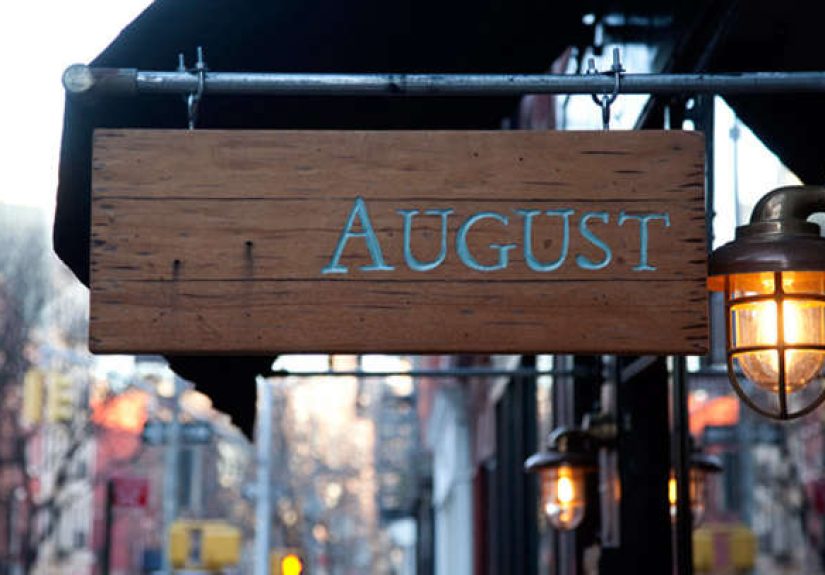
That was the magic of August Restaurant, a beloved New York dining name whose story begins on Bleecker Street in the West Village and continues, in a smaller modern form, through Café August on the Upper East Side. August was not merely a place to eat; it was a case study in urban rusticitya style that blends city sophistication with countryside warmth. Think brick, cork, wood-fired aromas, snug tables, unfussy hospitality, and food that feels like it wants you to loosen your scarf and stay awhile.
In a city famous for speed, August offered slowness. In neighborhoods obsessed with reinvention, it built its charm around texture, memory, and appetite. And in the ongoing conversation about NYC restaurants, it remains a useful example of how design, food, neighborhood identity, and emotional comfort can work together without shouting over dinner.
What “Urban Rusticity” Means in a New York Restaurant
Urban rusticity is not simply “put a wooden table in Manhattan and call it a farmhouse.” If only design were that easy, half the city would be serving soup from decorative watering cans. True urban rusticity balances opposites. It takes the density, polish, and theatrical energy of city dining and softens them with materials and moods that suggest age, craft, and human touch.
In restaurant terms, that can mean cracked plaster walls, brick ovens, burnished wood, iron cookware, candlelight, pew-style seating, cozy corners, preserved fruits, house-baked bread, and a menu that leans toward warmth rather than spectacle. It is rustic, but not rough. It is stylish, but not cold. It feels curated, yet somehow lived in.
August Restaurant became memorable because it understood this balance. The original location at 359 Bleecker Street was small, romantic, and tactile. It had the kind of room that made New Yorkers forgive tight tables and wait times. The reward was not just dinner. It was atmospherean increasingly rare luxury in a city where some restaurants appear to have been designed primarily for overhead lighting and phone cameras.
The West Village Chapter: August on Bleecker Street
August opened in the West Village in 2004, when Bleecker Street was already transforming from an old neighborhood corridor of antique shops, bakeries, cafes, and local characters into a more polished shopping strip. The timing mattered. August arrived as the neighborhood was negotiating its own identity: part bohemian memory, part luxury retail runway, part dining destination.
The restaurant’s original address placed it in one of New York’s most storied food-and-culture zones. Bleecker Street has long carried the mythology of Greenwich Village: music clubs, literary ghosts, old cafes, pizza institutions, cheese shops, bakeries, and the kind of sidewalks that make even tourists walk more slowly, as if the pavement might start telling stories.
Against that backdrop, August did something smart. It did not try to out-glamour the new Bleecker. Instead, it leaned into warmth. Reviewers remembered the garlic-scented pull of its wood-burning oven, the cork-lined ceiling, the glassed-in patio, and the feeling of being tucked away from the city’s sharper edges. It was downtown, but it had the spirit of a European taverna. You could almost imagine the restaurant wearing a wool sweater.
A Room Built for Appetite
The original August dining room had personality without becoming a prop closet. Cracked plaster, pew seating, jars of preserves, a domed cork ceiling, and a brick oven created a setting that felt imperfect in the best possible way. The materials suggested age and use, even if carefully arranged. That is a major reason the restaurant stuck in people’s memories.
Many restaurants are remembered by dish. August was remembered by feeling. Guests recalled the warmth, the smell of the oven, the little tables, the intimate scale, and the romantic mood. The space helped tell the story before the first plate landed. It said: you are not here for a corporate lunch with fluorescent energy. You are here to eat something smoky, sip something interesting, and maybe fall a tiny bit in lovewith a person, with New York, or with carbs. Ideally all three.
The Food: Pan-European Comfort with a New York Accent
August’s early menu drew from Mediterranean and pan-European comfort traditions rather than one rigid national cuisine. Chef Tony Liu, who had experience at Babbo, brought a style that felt robust, seasonal, and deeply compatible with the room. This was food made for a wood-burning oven, cast-iron pans, and diners who did not mind garlic announcing itself like a confident dinner guest.
Signature impressions from the restaurant’s early years included dishes like white gazpacho, grilled octopus, gnocchi with rapini, walnuts, and Italian sausage, tarte flambée with creamy cheese and bacon, Irish stew with lamb and barley, house-baked bread, cheeses, simple desserts, and rustic sweets. The menu moved between refinement and comfort. It knew how to be charming without dressing every plate like it was auditioning for a museum.
That food worked because it matched the design. A sleek, chrome-heavy room might have made the same dishes feel oddly theatrical. At August, they felt inevitable. The cork ceiling, smoky oven, and snug patio made tartes, stews, branzino, sablefish, short ribs, and warm chocolate cake feel like part of one complete story.
Why August Became a Date-Night Favorite
Some restaurants become date spots because they are expensive enough to signal effort. August became a date spot because it felt emotionally intelligent. It was intimate but not stiff, attractive but not intimidating, romantic but not so dim you had to identify your appetizer by faith.
The best date-night restaurants create gentle drama. They provide enough atmosphere to rescue an awkward silence but not so much noise that conversation becomes a competitive sport. August’s small scale, warm textures, oven glow, and unpretentious service helped it become the kind of place where diners could relax into the evening.
That kind of romance is especially powerful in New York. The city is full of grand gestures, but locals often prefer places that feel discovered rather than advertised. August had that neighborhood-gem quality: a place you might recommend carefully, because sharing it felt generous but also slightly dangerous. Too many people knowing about your favorite cozy restaurant is how wait times are born.
Closure, Rent Pressure, and the Reality of NYC Restaurant Life
The story of August also reflects a harder truth about New York dining: charm does not pay rent by itself. In 2014, the original Bleecker Street location closed after a reported rent spike. For longtime fans, it was another example of how beloved neighborhood restaurants can become vulnerable when real estate economics change faster than menus can adapt.
This is part of the larger New York restaurant cycle. A restaurant helps make a block desirable; the block becomes more expensive; the restaurant that helped build the vibe can no longer afford to remain. It is a plot twist so common in NYC that it deserves its own sad violin soundtrack, preferably played outside a locked storefront.
August’s departure from Bleecker Street mattered because the restaurant was not just another tenant. It represented a certain kind of West Village dining: cozy, independent-feeling, romantic, and deeply tied to the neighborhood’s texture. When places like that leave, the loss is not only culinary. It changes the emotional map of a street.
The Upper East Side Rebirth
Later in 2014, August reopened at 791 Lexington Avenue on the Upper East Side. The move shifted the restaurant from downtown mythology to uptown elegance. The new version was described as carrying forward the spirit of the original while adapting to its new neighborhood.
That adaptation is important. The Upper East Side has its own dining personality: classic, residential, museum-adjacent, polished, and increasingly energetic. It is a neighborhood of old institutions and new arrivals, where a restaurant has to speak both to regulars who know exactly what they like and to younger diners looking for warmth without fuss.
The uptown August kept the romantic association alive. New York Magazine’s listing described it as an Upper East Side version of the downtown date spot, with a full bar, civilized noise level, and dishes that preserved the restaurant’s culinary spirit. The move proved that a restaurant identity can survive relocation if its core values are clear: warmth, hospitality, seasonal comfort, and an atmosphere that encourages lingering.
Café August: A Smaller Modern Echo
By 2024, the August name had entered another chapter with Café August at 145 East 62nd Street. Unlike the full-service restaurant of earlier years, Café August is a smaller, more casual concept. The official information lists its Upper East Side address, daytime-to-evening hours, and contact details, while local reporting describes it as a cozy modern retreat with a compact footprint and a menu focused on accessible pleasures such as baked goods, salads, sandwiches, waffles, and simple mains.
This transition from full restaurant to café says a lot about contemporary dining. Not every beloved hospitality idea needs to return in its original size. Sometimes the smarter move is to shrink the frame while keeping the feeling. Café August appears to preserve the name’s essential appeal: neighborhood warmth, easy elegance, coffee, comfort, and a room that feels designed for regular use rather than one-night spectacle.
That matters on the Upper East Side, where the strongest neighborhood spots often become part of daily routine. A full dinner restaurant may create memories once a month. A café can become part of someone’s week: the after-school snack stop, the casual lunch, the coffee before errands, the low-key meeting place, the “I need one good pastry before I answer emails” sanctuary.
Design Lessons from August Restaurant
For restaurateurs, designers, and hospitality writers, August offers several useful lessons. First, atmosphere must match the food. A rustic menu in a sterile room feels confused. A cozy room serving overly fussy food can feel like a costume party. August worked because its design and menu spoke the same language.
Second, smallness can be an advantage. In New York, square footage is expensive, but intimacy is valuable. A compact room can create energy that a large dining hall struggles to manufacture. The key is to make the tightness feel intentional rather than uncomfortable. Cork ceilings, warm lighting, textured walls, and a strong focal point like an oven can help transform limited space into character.
Third, imperfections are powerful. The most memorable rustic interiors rarely look brand new. They have surfaces that suggest touch, age, and use. In an era when many restaurants have leaned into clean minimalism, the return of cozy, nostalgic, tavern-like design shows that diners still crave rooms with a pulse.
Why Urban Rusticity Still Works in NYC
New York diners are sophisticated, but sophistication does not always mean formality. After long workdays, subway delays, tiny apartments, and inboxes that reproduce like rabbits, many people want restaurants that feel restorative. Urban rusticity offers exactly that. It gives the city diner a sense of retreat without asking them to leave the city.
That is why wood-fired ovens, brick walls, handmade ceramics, candlelit tables, vintage mirrors, dark wood, leather banquettes, and farmhouse-adjacent details keep returning to restaurant design. They offer emotional shorthand. They tell guests: this place has warmth; this place has history; this place wants you to eat properly.
August understood this before “cozy dining” became a trend headline. Its strongest design features were not gimmicks. They were sensory anchors: smell, warmth, texture, sound control, and intimacy. These are the details that make a dining room live in memory.
August Restaurant and the Neighborhood Story
Restaurants in New York are never just restaurants. They are neighborhood arguments, real estate case studies, first-date settings, regular tables, design experiments, and memory machines. August’s journey from the West Village to the Upper East Sideand then into the more compact Café August formatshows how a hospitality idea can evolve with the city.
In the West Village, August was part of a street balancing bohemian heritage and luxury transformation. On the Upper East Side, it joined a neighborhood known for culture, shopping, museums, and a mix of classic and newly energized dining. In café form, it reflects a modern desire for flexible, approachable spaces that can serve coffee, lunch, sweets, casual dinners, and neighborhood connection.
That evolution makes August more interesting than a simple restaurant profile. It becomes a lens for understanding what New Yorkers want from dining rooms. Yes, they want good food. Yes, they want service that remembers water refills exist. But they also want places that make the city feel softer for an hour or two.
Experience Notes: Dining Through the Idea of Urban Rusticity
To experience the spirit of August Restaurant is to understand that a meal can begin before the menu opens. Imagine stepping off a busy New York sidewalk, where taxis are impatient, delivery bikes move like caffeinated dragonflies, and someone nearby is having a very public phone call about a very private breakup. Then you enter a room that slows everything down. The light is warmer. The materials have texture. The air carries coffee, butter, garlic, toast, or something gently smoky. Your shoulders drop before you even sit.
That is the real experience August represents. It is not only about whether one plate is better than another, though the food absolutely matters. It is about how a restaurant can create a pocket of calm inside an overactive city. The rustic details are not decorative extras; they shape the guest’s mood. A wood-fired aroma suggests generosity. A snug table encourages conversation. A small dining room makes the meal feel personal. A café counter with pastries can turn a five-minute errand into a tiny ritual of pleasure.
For visitors exploring New York, this kind of restaurant experience is often more memorable than the biggest, loudest, most famous reservation. A place like August teaches you to look for the emotional architecture of dining. Is the room inviting? Does the menu fit the neighborhood? Do the materials make the space feel human? Can you imagine returning on an ordinary Tuesday, not just for a special occasion? These questions matter because the best restaurants become useful in people’s lives.
In the West Village, the August experience would have paired naturally with an evening walk along Bleecker Street, past old storefronts, bakeries, boutiques, and the lingering mythology of downtown Manhattan. It was the kind of meal that could feel like part of a movie, except with better bread and fewer dramatic monologues in the rain. The restaurant’s intimate atmosphere made sense there because the West Village itself is intimate: angled streets, short blocks, hidden corners, and buildings that seem to hold secrets politely.
On the Upper East Side, the August idea changes flavor. The neighborhood is more polished, more residential, and more connected to museums, shopping, and classic New York elegance. A rustic café or restaurant in this context can feel like a relief valve. After Madison Avenue windows, museum galleries, school pickups, appointments, and errands, a warm neighborhood spot offers the luxury of informality. You do not always need a white tablecloth. Sometimes you need coffee, a well-made sandwich, a slice of cake, and a chair that lets you briefly pretend your schedule is not chasing you with a tiny pitchfork.
For locals, the best way to enjoy the August spirit is to treat it as part of a rhythm rather than a checklist. Go when you can linger. Notice the room. Order something comforting. Let the place be a pause, not just a transaction. For writers, designers, and restaurant lovers, August is a reminder that hospitality lives in the details: the ceiling that softens noise, the oven that perfumes the room, the staff that makes a small space feel generous, and the menu that understands comfort does not have to be boring.
That is the beauty of urban rusticity in NYC. It is not an escape from the city. It is a better way to inhabit it. August Restaurant, across its different chapters, shows that rustic warmth can belong in Manhattan just as naturally as glass towers, brownstones, corner delis, and impossible dinner reservations. In a city that constantly edits itself, that kind of warmth is worth rememberingand, whenever possible, worth ordering dessert for.
Conclusion
August Restaurant remains a compelling example of how New York dining can feel both urban and rustic, polished and homey, stylish and deeply comforting. From its original West Village charm to its Upper East Side evolution and the smaller Café August chapter, the August name carries a story about warmth, adaptation, and neighborhood hospitality.
Its legacy is not only about specific dishes or addresses. It is about the kind of restaurant atmosphere that stays with diners: the glow of a wood-burning oven, the intimacy of a small room, the pleasure of food that feels generous, and the rare New York miracle of feeling unhurried. In the end, August proves that rusticity does not require a barn, a meadow, or a rooster with strong opinions. Sometimes all it needs is Manhattan, a good room, and the confidence to make people feel at home.