Table of Contents >> Show >> Hide
- Start Strong: Soil, Sun, and Smart Planning
- Water, Mulch, and Feed Without Overdoing It
- Plant Smarter for Better Results
- Keep Pests, Diseases, and Weeds From Running the Show
- Prune, Maintain, and Think Beyond This Weekend
- Why These Gardening Tips Matter
- Extra Experience: What Gardening Teaches You After the First Few Seasons
- Conclusion
- SEO Tags
Note: Clean body-only HTML for web publishing; no source links or citation artifacts included.
Gardening is one of those hobbies that starts with a tomato plant and somehow ends with you lecturing strangers about mulch thickness. If that sounds familiar, welcome. If it does not, give it a season. It will. The good news is that great gardens are usually built on a handful of smart habits, not on magic products, expensive gadgets, or whispered advice from a mysterious neighbor named Gary.
Whether you grow vegetables, flowers, herbs, shrubs, or a little bit of everything, the basics still matter: healthy soil, the right plant in the right spot, thoughtful watering, and consistent care. Below are 25 practical gardening tips that can save you time, money, and a surprising amount of frustration. Think of them as the gardener’s version of life hacks, only with more compost and fewer questionable internet trends.
Start Strong: Soil, Sun, and Smart Planning
1. Test your soil before you throw random products at it
A soil test tells you what your soil actually needs, which is far better than guessing and hoping for the best. pH, nutrient levels, and organic matter all affect plant growth. If your tomatoes are struggling, the answer might not be “more fertilizer.” It might be a pH issue, poor drainage, or compacted soil. Testing first helps you avoid wasting money and turning your garden into a chemistry experiment gone rogue.
2. Build soil with compost, not wishful thinking
Compost improves soil structure, supports beneficial microbes, helps sandy soil hold moisture, and loosens up heavy clay. In other words, it is the overachiever of the garden world. Add finished compost to beds regularly instead of relying on quick fixes. Over time, healthier soil means healthier roots, and healthier roots usually mean happier plants.
3. Do not work wet soil
If the soil is soggy and sticks to your shovel like peanut butter, step away. Digging or tilling wet soil destroys structure and leaves behind dense clods that can take weeks to recover. A simple rule: squeeze a handful of soil. If it forms a slick, muddy lump that does not crumble, wait a bit longer.
4. Learn your garden’s sunlight patterns
“Full sun” is not a poetic suggestion. It usually means around six or more hours of direct sun. Before planting, watch how light moves across your yard. That adorable shady corner may be perfect for ferns and terrible for peppers. Matching plants to real conditions saves you from months of confusion and passive-aggressive muttering at seed catalogs.
5. Put the right plant in the right place
This tip sounds boring until you realize it solves half of all gardening problems. Group plants with similar water, light, and space needs together. A thirsty hydrangea and a drought-tolerant lavender do not want the same lifestyle. When plants are well matched to their location, they need less fussing and perform better with less stress.
6. Read the seed packet and plant tag
Yes, really. Those little packets are tiny instruction manuals. They tell you when to plant, how deep to sow, how far apart to space seedlings, and how long germination usually takes. Ignoring them is like assembling furniture without directions, except the furniture is alive and judges you silently.
7. Plan before you plant
Sketch your beds, note mature plant sizes, and think about access paths before you start digging. A tidy plan helps you avoid overcrowding and makes watering, weeding, and harvesting easier. It also prevents the classic gardener mistake of planting twelve zucchini because optimism temporarily overpowered reason.
Water, Mulch, and Feed Without Overdoing It
8. Water deeply, not constantly
Frequent shallow watering encourages shallow roots. Deep watering encourages plants to root farther down, where soil moisture lasts longer. Instead of giving the garden a tiny daily sprinkle, water thoroughly so moisture reaches the root zone. Strong roots make plants more resilient during heat and dry spells.
9. Check the soil before watering
The soil surface can look dry while the root zone is still moist. Stick your finger or a trowel a couple of inches into the soil before reaching for the hose. If it is still damp below the surface, wait. Watering by habit instead of need is one of the fastest ways to waste water and stress plants.
10. Water early in the day whenever possible
Morning watering reduces evaporation and gives leaves time to dry, which can help limit disease problems. Evening watering is sometimes necessary, but keeping foliage wet overnight can invite trouble. If you use overhead watering, morning is especially important.
11. Mulch like you mean it, but do not smother stems
A good layer of mulch helps conserve moisture, reduce weeds, moderate soil temperature, and protect soil from splash-up that can spread disease. Organic mulches like shredded leaves, straw, or bark also improve the soil as they break down. Just keep mulch a few inches away from plant stems and tree trunks. Mulch volcanoes are not majestic. They are plant sabotage.
12. Use compost and fertilizer differently
Compost builds soil. Fertilizer feeds plants more directly. They are teammates, not substitutes. Rich soil can reduce how much fertilizer you need, but some plants still benefit from extra nutrients at the right time. The key is balance. Too much fertilizer can produce lush leaves and very little fruit, which is wonderful if you are growing bragging rights and disappointing if you wanted tomatoes.
13. Give containers extra attention
Containers dry out faster than in-ground beds and usually need more frequent watering and feeding. Use a quality potting mix, make sure pots have drainage holes, and do not assume rain handled the job. Summer container gardens can go from thriving to dramatic in one hot afternoon.
Plant Smarter for Better Results
14. Harden off seedlings before moving them outdoors
Seedlings raised indoors need time to adjust to sun, wind, and cooler temperatures. Introduce them gradually over about a week instead of tossing them outside like tiny green interns on their first day. Hardening off reduces transplant shock and gives young plants a much better chance of settling in.
15. Give plants enough space
Crowded plants compete for light, water, and nutrients. They also trap humidity and reduce airflow, which can encourage disease. Proper spacing may look sparse at first, but mature plants fill in quickly. Trust the spacing guide, even if your empty bed makes you feel emotionally abandoned for a few weeks.
16. Plant at the proper depth
Seeds planted too deep may never emerge, while transplants set too shallow may dry out or flop over. Most plants should go in at the same depth they were growing before, with a few famous exceptions like tomatoes, which can root along buried stems. Proper depth helps plants establish faster and grow more evenly.
17. Rotate crops in vegetable beds
If you grow vegetables, do not plant the same crop family in the same place year after year. Crop rotation helps reduce the buildup of pests and diseases and can balance nutrient demands. For example, moving tomatoes, peppers, and eggplants to different beds from one season to the next is a smart long-term strategy.
18. Choose some native plants
Native plants are often better adapted to local conditions and can require less water and fertilizer once established. They also support pollinators and other beneficial wildlife. That does not mean every plant in your yard needs to be native, but adding native flowers, grasses, or shrubs can make your garden more resilient and more alive in the best possible way.
Keep Pests, Diseases, and Weeds From Running the Show
19. Weed early, not heroically
Small weeds are easier to remove than giant weeds with deep roots and big dreams. Weed when the soil is moist but not soggy, and remove annual weeds before they set seed. A few minutes of regular weeding beats a weekend-long wrestling match with crabgrass and mystery invaders.
20. Mulch to reduce both weeds and disease
Mulch does more than save water. It also blocks light that weed seeds need to sprout and prevents soil from splashing onto leaves during watering or rain. That splash matters because some plant diseases move from soil to foliage this way, especially in crops like tomatoes.
21. Inspect plants often
Catch problems early and you have options. Wait until leaves are skeletonized, fruit is scarred, and aphids have formed a tiny empire, and everything gets harder. Look at both sides of leaves, check stems, and pay attention to sudden color changes, spots, chewing damage, or distorted growth. A quick weekly check can save an entire bed.
22. Use integrated pest management instead of panic
Not every bug is an emergency. Integrated pest management starts with identifying the problem, monitoring damage, and choosing the least disruptive solution first. That might mean hand-picking pests, improving watering practices, increasing airflow, or tolerating minor damage. The goal is control, not chemical drama.
Prune, Maintain, and Think Beyond This Weekend
23. Deadhead and prune at the right time
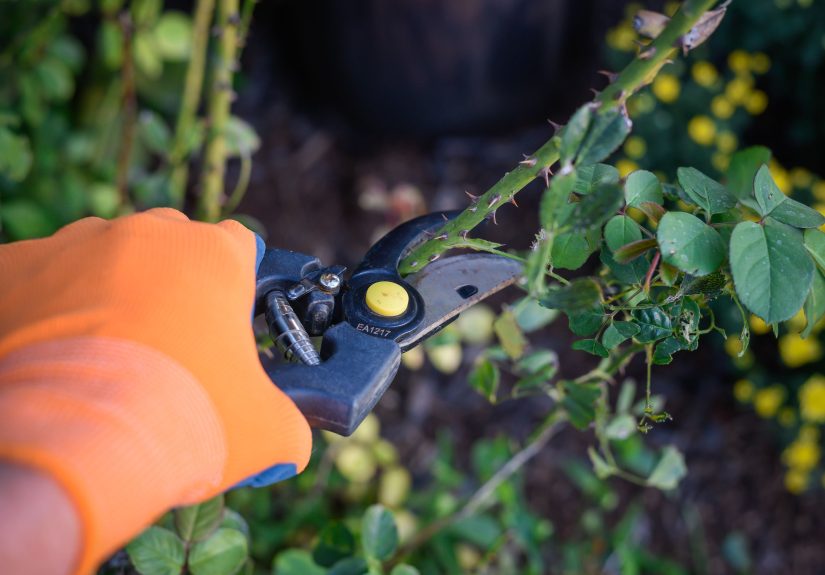
Removing spent flowers can encourage more blooms and keep plants looking tidy. Pruning, however, is all about timing. Some shrubs should be pruned after flowering, while fruit trees are often pruned during dormancy. Random snipping whenever you feel inspired can remove flower buds or weaken the plant. Good pruning is strategic, not emotional.
24. Keep a garden journal
Write down planting dates, varieties, weather patterns, pest issues, and which plants performed well. A garden journal turns vague memories into useful data. Next year, instead of thinking, “I vaguely recall the cucumbers doing something weird,” you will know exactly when the heat wave hit, which variety bolted, and what you want to change.
25. Be patient and observe before making big changes
Gardens do not mature overnight. Perennials need time to establish. New shrubs may look underwhelming at first. Soil improves gradually. Even mistakes are useful if you pay attention. The best gardeners are not the ones who never fail. They are the ones who notice patterns, adjust, and keep going.
Why These Gardening Tips Matter
The common thread in all 25 tips is simple: gardening works better when you cooperate with nature instead of trying to overpower it. Healthy soil holds water better. Smart spacing improves airflow. Mulch reduces work. Native plants support wildlife. Crop rotation prevents recurring problems. Observation saves money. None of these habits are flashy, but they build a garden that becomes easier to manage and more productive over time.
If you are a beginner, focus on a few core practices first: improve the soil, plant for the site you have, water deeply, mulch well, and check your plants regularly. If you are more experienced, think about refining your system. Add record-keeping, rotate crops more carefully, or expand your use of pollinator-friendly and native plants. Good gardening is rarely about doing everything. It is about doing the important things consistently.
Extra Experience: What Gardening Teaches You After the First Few Seasons
Here is the part many gardeners learn the slow way: the garden will humble you, usually right after you start feeling confident. One year your basil explodes with growth and makes you feel like an herbal genius. The next year it sulks, gets chewed by something invisible, and refuses to become pesto. That is normal. Gardening is part science, part observation, and part accepting that weather has a sense of humor.
Most experienced gardeners eventually realize that success often comes from paying attention to small details. You notice which bed dries out first after a hot week. You learn that the corner by the fence gets morning sun but turns into an oven after lunch. You discover that one row of lettuce bolts every time because it is planted where reflected heat bounces off the patio. None of that knowledge comes from buying another shiny tool. It comes from showing up and noticing.
You also learn that restraint is a gardening superpower. Beginners often want to fix every problem immediately. Leaves yellow? Add fertilizer. Something droops? Water everything. Spots appear? Panic. But with time, you get better at pausing. Maybe the yellowing leaves are just old leaves. Maybe the drooping plant is thirsty only because the afternoon is hot. Maybe the spots are cosmetic, not catastrophic. Observation first, reaction second. That habit alone saves countless plants from “helpful” overcare.
Another hard-earned lesson is that the garden is always better with systems. A soaker hose saves more time than ten heroic watering sessions. A mulch layer saves more work than a weekend of furious weeding. A notebook saves more frustration than trying to remember which pepper variety actually tasted amazing last August. Systems feel less exciting than impulse purchases, but they quietly make everything easier.
Experienced gardeners also stop chasing perfection. Not every leaf will be flawless. Not every carrot will be straight. Not every bed will look magazine-ready in July. Real gardens are active places full of insects, weather damage, fading blooms, volunteer seedlings, and occasional chaos. That is not failure. That is life. A few holes in a kale leaf may simply mean the garden is functioning as an ecosystem, not a plastic display.
Then there is the emotional side. Gardening teaches patience in a world that does not reward it much. You plant seeds and wait. You water and wait. You amend the soil and wait. You prune and wait. The payoff is rarely instant, but when it comes, it feels earned. The first ripe tomato, the first sunflower opening, the first bee visiting a flower bed you built yourself, these moments land differently because you were part of the process.
Over time, your garden starts reflecting your personality. Some gardeners become efficient vegetable strategists with maps and crop rotations. Some turn into flower collectors who absolutely did not mean to buy six more coneflowers, yet here we are. Some become protectors of pollinators, proudly leaving stems and leaf litter in place while the rest of the neighborhood tidies everything into sterile submission. There is room for all of it.
If there is one big takeaway from real gardening experience, it is this: consistency beats intensity. A little weeding every few days beats a once-a-month marathon. Regular checking beats crisis management. Modest improvements to soil beat seasonal desperation. Gardens reward people who keep showing up, even imperfectly. So do not worry about becoming a flawless gardener. Become an observant one. That is where the magic actually happens.
Conclusion
The best gardening tips are the ones that make the entire season easier, not just prettier for a weekend. Start with soil, plant for the conditions you actually have, water wisely, mulch generously, stay ahead of weeds, and keep learning from what your garden tells you. Do that, and your yard, beds, containers, or vegetable patch will become more productive and less stressful every year.
And if all else fails, remember this timeless truth: every gardener has killed a plant, bought one more plant than planned, and sworn that this year they would definitely stay organized. You are not failing. You are participating.