Table of Contents >> Show >> Hide
- What It Usually Means When a Car Pulls to the Right
- 10 Common Causes Your Car Pulls to the Right
- 1. Uneven Tire Pressure
- 2. Bad Wheel Alignment
- 3. Tire Conicity or a Mismatched Tire
- 4. Uneven Tire Wear or Internal Tire Damage
- 5. Road Crown or Pavement Design
- 6. Brake Drag or a Sticking Caliper
- 7. Worn Tie Rods, Ball Joints, or Bushings
- 8. Weak Struts, Shocks, or Ride Height Problems
- 9. Bent Wheel or Rim Damage
- 10. Rear Alignment, Axle, or Hidden Collision Damage
- How to Narrow Down the Cause Quickly
- When You Should Stop Driving and Get It Checked
- Final Takeaway
- Driver Experiences: What This Problem Feels Like in Real Life
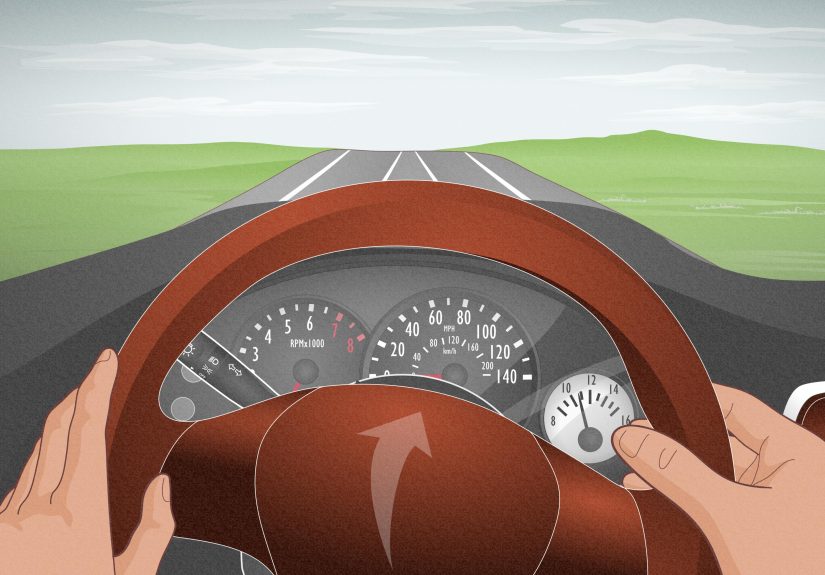
If your car keeps drifting or tugging to the right, it is not being dramatic. It is trying to tell you something. Sometimes the message is harmless, like a road crown nudging the car toward the shoulder. Other times, it is your vehicle waving a mechanical red flag and hoping you notice before your tires, brakes, or patience wear out first.
A car that pulls to the right can feel subtle at first. You may notice the steering wheel is no longer centered, or you need constant correction to stay in your lane. Then one morning, after a pothole the size of a kiddie pool, the pull becomes impossible to ignore. The good news is that this problem usually comes from a short list of causes, and many of them can be diagnosed by paying attention to when the pull happens. Does it happen only while braking? Only on certain roads? After replacing tires? All the time?
In this guide, we will break down the 10 most common reasons your car pulls to the right, what each one feels like behind the wheel, and how to tell whether you need air in a tire, a wheel alignment, or a serious inspection. Because “it’s probably fine” is not a maintenance strategy. That is just a personality trait.
What It Usually Means When a Car Pulls to the Right
When a vehicle pulls to one side, the root cause usually falls into one of four big categories: tires, alignment, brakes, or suspension and steering. The trick is not assuming it is always an alignment issue. Plenty of drivers pay for an alignment when the real problem is a damaged tire, a sticking brake caliper, a worn suspension part, or even a bent wheel. In other words, a wheel alignment can fix a misalignment, but it cannot fix a tire with a bad attitude.
That is why the smartest approach is to treat “car pulls right” as a symptom, not a diagnosis.
10 Common Causes Your Car Pulls to the Right
1. Uneven Tire Pressure
This is the easiest cause to check and one of the most common. If the right-front tire has lower air pressure than the left-front tire, the vehicle may pull toward the lower-pressure side. That happens because an underinflated tire changes shape, rolling resistance, and how it contacts the road.
This kind of pull can show up gradually, especially during temperature swings or after a slow leak starts. You may not notice anything dramatic at first, just that the steering feels slightly heavier and the car needs more correction to go straight. Before you start pricing alignments, check all four tires when they are cold and compare the readings with the sticker inside the driver’s door jamb, not the number molded into the tire sidewall. The sidewall number is the tire’s maximum pressure, not your daily target.
2. Bad Wheel Alignment
If your car pulls to the right on a flat road and the steering wheel is off-center, poor wheel alignment is a leading suspect. Alignment refers to the angles at which your wheels point and meet the road. If toe, camber, or caster is out of spec, the car can drift or pull instead of tracking straight.
Alignment problems often show up after hitting a pothole, brushing a curb, replacing suspension parts, or driving for months on worn components. A mild alignment issue may feel like a slow drift. A bigger one can make the car wander, wear out tires unevenly, and make highway driving more tiring than it should be. If the vehicle recently had front-end work or tire replacement, an alignment check is money well spent.
3. Tire Conicity or a Mismatched Tire
Now we enter the surprisingly weird world of tire behavior. Sometimes a car pulls right even though the alignment is fine. The culprit can be tire conicity, also called tire pull or lateral force. In plain English, one front tire may naturally want to roll slightly to one side because of how it was built or how it wears.
This issue can also happen when tires are mismatched side to side in brand, size, tread design, or wear level. The result is a steering pull that looks like alignment trouble but really is not. A common shop test is to swap the front tires left to right and see whether the pull changes direction. If it does, the problem likely follows the tire, not the alignment. Tires are supposed to roll, not make executive decisions.
4. Uneven Tire Wear or Internal Tire Damage
Even if your tires are properly inflated, they can still cause a pull if one has uneven wear, feathering, cupping, or internal damage. A separated belt, flat spot, or badly worn shoulder can change how the tire contacts the pavement, which can make the car drift right or feel unstable.
This type of issue often comes with other symptoms. You might feel a vibration in the steering wheel, hear rhythmic road noise, or notice the car gets worse at highway speed. If one tire looks more worn than the others, or the tread feels jagged when you run your hand lightly across it, pay attention. Tires are often both the symptom and the source. A worn tire may be revealing an alignment or suspension problem, but it can also create the pull all by itself.
5. Road Crown or Pavement Design
Here is the cause that can trick even careful drivers: sometimes the car is not broken at all. Most roads are built with a slight slope from the center toward the shoulder so water drains away. This is called road crown, and it can make many vehicles drift slightly to the right.
A normal road-crown drift is usually mild, predictable, and less noticeable on flatter roads or in parking lots. If your car only pulls right on certain streets but feels fine elsewhere, the pavement may be the real culprit. Grooved pavement, heavy crosswinds, and worn road surfaces can exaggerate the effect. The key difference is consistency: a mechanical pull follows you almost everywhere, while a road-crown drift changes with the road itself.
6. Brake Drag or a Sticking Caliper
If the car pulls to the right mainly when you brake, start thinking brakes before alignment. A sticking right-front caliper, uneven brake pad wear, a restricted brake hose, or brake drag can make the vehicle pull toward the side that is grabbing harder. This problem can also show up as a hot wheel, a burning smell, reduced fuel economy, or brake dust that is much heavier on one side.
Brake-related pull is a safety issue, not an inconvenience. If the pull gets stronger during braking or the steering jerks when you slow down, have the system inspected promptly. Brake drag can overheat parts, damage rotors, and make stopping distances less predictable. That is not the kind of surprise anyone wants at the end of a freeway off-ramp.
7. Worn Tie Rods, Ball Joints, or Bushings
Steering and suspension components are what keep your wheels pointed where the alignment machine says they should be. When tie rods, ball joints, control-arm bushings, or related parts wear out, the wheels can shift under load. That means the car may pull right while driving even if the alignment looked acceptable during a quick check.
These worn parts often create other clues too: clunks over bumps, vague steering, looseness in the wheel, or uneven tire wear that keeps coming back after alignment work. This is why some cars get aligned, drive straight for a week, and then return to their old nonsense. If the hardware holding the geometry in place is worn, the geometry will not stay in place.
8. Weak Struts, Shocks, or Ride Height Problems
Most drivers think of shocks and struts as comfort parts, but they also affect stability, tire contact, and alignment behavior. A weak strut, sagging spring, or uneven ride height can make the vehicle lean, transfer weight unevenly, and feel like it is pulling to one side, especially during braking, acceleration, or rough-road driving.
When this is the issue, the car may also bounce more than usual, dive when braking, or feel unsettled in turns. One side of the vehicle may sit lower than the other. If the pull is worse on bumpy roads or around curves, worn suspension damping deserves a close look. The car is not just being fussy. It may literally be struggling to keep its tires planted evenly.
9. Bent Wheel or Rim Damage
Hit a pothole hard enough, and you may not just knock the alignment out. You can bend a wheel. A bent rim can make the car pull to the right, create vibration, damage a tire, or cause air loss that slowly turns Cause No. 9 into Cause No. 1.
Wheel damage is especially common when the pull appears suddenly after an impact. If the steering wheel shakes at certain speeds, the tire keeps losing pressure, or you can actually see a dent in the rim lip, do not ignore it. A bent wheel changes how the tire rolls and can keep the car from tracking straight even if everything else is healthy.
10. Rear Alignment, Axle, or Hidden Collision Damage
Many drivers assume a right pull must come from the front of the car. Not always. Rear toe, rear suspension damage, a bent axle, or hidden frame and collision damage can create a thrust-angle problem that makes the vehicle steer slightly sideways down the road. In that situation, the front wheels may be trying to compensate for the rear of the vehicle not following straight.
This cause is easy to miss because the symptoms can mimic front alignment trouble. If the car still pulls after repeated alignments, or the problem started after a crash, pothole impact, or curb strike, ask for a full four-wheel alignment reading and an inspection for structural damage. Sometimes the front end is innocent and the rear end is the one causing all the drama.
How to Narrow Down the Cause Quickly
You can save time and money by noticing when the pull shows up:
- Pulls all the time: Think tire pressure, alignment, tire conicity, tire wear, or bent wheel.
- Pulls mostly when braking: Think sticking caliper, uneven braking, worn bushings, or brake drag.
- Started after a pothole or curb hit: Think bent wheel, alignment shift, tire damage, or suspension damage.
- Feels worse on certain roads only: Think road crown or pavement grooves.
- Comes with clunks, looseness, or bounce: Think worn steering or suspension parts.
- Changed after new tires: Think tire conicity, mismatched tires, or a missed alignment.
One more modern wrinkle: if your vehicle has lane-centering or steering-assist features and the problem started after windshield, suspension, or alignment work, ask whether the system needs calibration. On newer vehicles, software and sensors can sometimes make a steering issue feel mechanical.
When You Should Stop Driving and Get It Checked
A mild drift can wait until tomorrow morning. A strong pull should not. Get the car inspected soon if any of these show up with the right pull:
- The pull is sudden or severe
- The steering wheel shakes or vibrates
- One wheel feels hot after driving
- You smell burning near a wheel
- The vehicle pulls hard during braking
- You hear clunks, humming, or grinding noises
- The car started pulling right after a major pothole or minor collision
Those signs suggest the issue is more than a minor annoyance. It could affect braking, tire failure risk, or control in an emergency.
Final Takeaway
If your car pulls to the right, do not assume it is “just alignment” and do not assume it will fix itself. Start with the basics: tire pressure, tread condition, and whether the problem changes from road to road. If the pull is steady, worsening, or tied to braking, get a professional inspection. The real cause is usually one of the 10 issues above, and catching it early can save tires, suspension parts, and a much larger repair bill later.
A car should go straight when you ask it to. That is a pretty reasonable boundary.
Driver Experiences: What This Problem Feels Like in Real Life
Many drivers first notice a right pull in a very ordinary moment. They are on the way to work, coffee in the cupholder, brain only half online, and suddenly they realize they keep nudging the steering wheel left to stay centered. At first, it feels tiny, like maybe the road is weird or the wind is pushing the car. Then they switch roads, and the car still wants to wander right. That is usually the moment the suspicion begins.
One of the most common experiences happens after a tire-pressure change in cold weather. A driver may leave the house on a chilly morning and feel the car dragging right more than usual. Nothing sounds wrong. There is no warning light yet. The vehicle just feels slightly lazy on one side. Later, a quick pressure check reveals the right-front tire is several PSI lower than the others. Add air, and suddenly the car stops acting like it has a personal vendetta against the shoulder line.
Another classic story starts with a pothole. You hit it, wince immediately, and spend the next five minutes pretending it probably was not that bad. Then the steering wheel is crooked. The car feels off on the highway. Maybe there is a little vibration now that was not there yesterday. In real life, this is where alignment issues, bent rims, and tire damage often enter the chat all at once. Drivers often describe it as the car feeling “not planted” or “like I’m steering slightly left just to go straight.”
Brake-related pull has its own signature. Drivers often say the car feels mostly okay until they slow down for a light or exit ramp. Then the nose tugs right, and the steering wheel needs correction during braking. Sometimes there is also a faint burning smell or one wheel seems unusually dusty. That combination often points toward a sticking caliper or uneven braking force, and it tends to get more obvious over time instead of less.
Tire conicity is one of the strangest experiences because it fools people so well. A driver gets new tires, expects the car to feel perfect, and instead the vehicle starts pulling right on flat roads. They assume the alignment shop missed something. But then a tire rotation or side-to-side swap changes the direction or intensity of the pull, which makes the whole thing feel like an automotive magic trick. It is not magic. It is just a tire generating more lateral force than it should.
Drivers dealing with worn suspension usually describe the pull differently. They say the car does not just pull right, it feels loose, floaty, or unsettled. On bumpy roads, it may dart slightly. On the highway, it may require constant correction. In turns, it does not feel confident. That combination of drift plus instability is often what separates a simple air-pressure issue from a deeper steering or suspension problem.
The biggest real-world lesson is this: the way the pull feels matters. A constant drift, a braking tug, a post-pothole change, and a new-tire pull are not all the same problem. Paying attention to those details helps drivers explain the issue more clearly and helps technicians find the cause faster. So yes, your car pulling to the right is annoying. But it is also useful information. Your vehicle is giving you clues. The smart move is to listen before those clues turn into a bigger repair, a ruined tire set, or a white-knuckle drive home.