Table of Contents >> Show >> Hide
- What Are Belgian French Linen Panels, Exactly?
- Why People Love the Look
- How to Choose the Right Belgian French Linen Panels
- Best Colors for Belgian French Linen Panels
- How to Hang Them So They Actually Look Expensive
- Where Belgian French Linen Panels Work Best
- How to Care for Belgian French Linen Panels
- Common Mistakes to Avoid
- What Living With Belgian French Linen Panels Feels Like
- Final Thoughts
- SEO Tags
Note: This article is based on real product and design guidance synthesized from reputable U.S. sources. Source links are intentionally omitted by request.
Some home upgrades scream for attention. Belgian French linen panels do the exact opposite, which is probably why so many people love them. They do not stomp into a room wearing sequins and demanding applause. They drift in quietly, soften the light, make the ceiling feel taller, and somehow convince the whole space to act more expensive. It is a very smug talent for a piece of fabric.
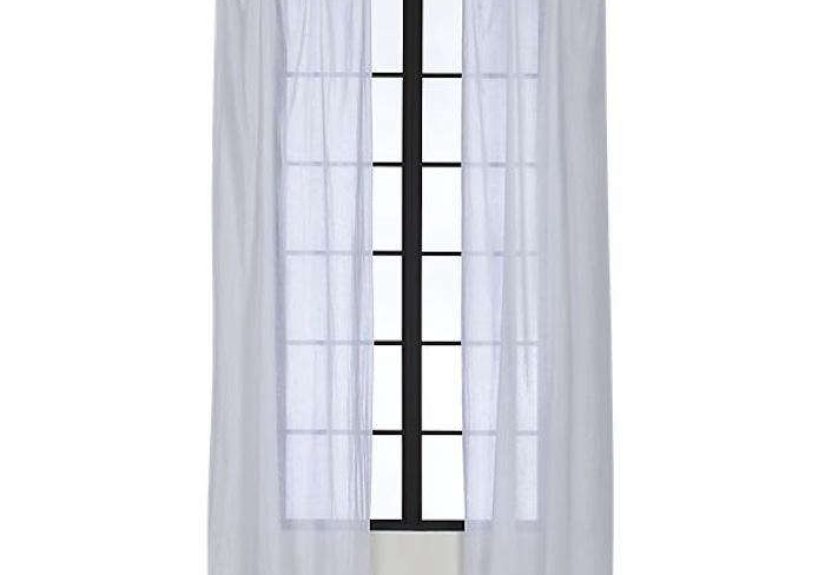
If you have been browsing window treatments and keep running into phrases like Belgian flax linen, European flax panels, French linen curtains, or linen drapes, you are not imagining things. These terms often overlap in the home world. In practice, Belgian French linen panels usually describe full-length curtain panels with a relaxed, tailored, softly wrinkled look associated with Belgian linen fabric and French-inspired interiors. Think airy but not flimsy, elegant but not uptight, polished but still willing to let the dog nap nearby.
The appeal is easy to understand. Linen has natural texture, beautiful drape, and a lived-in look that works in modern, farmhouse, coastal, minimalist, traditional, and French country spaces. The trick is choosing the right version. Not all linen panels behave the same way, and one wrong choice can leave you with sad, skimpy curtains that look like they were purchased during a panic.
What Are Belgian French Linen Panels, Exactly?
At their core, these are curtain panels made from linen or linen-front fabric, often marketed as Belgian flax, European flax, or washed linen. The “Belgian” part usually points to the premium reputation of flax grown or associated with Belgium and nearby European linen traditions. The “French” part usually describes the style mood: understated luxury, relaxed tailoring, neutral colors, and that casually elegant “I definitely own a stone farmhouse somewhere” energy.
Most panels sold today fall into a few common categories:
1. Sheer linen panels
These are the lightest and breeziest option. They let in plenty of daylight, soften glare, and add texture without making a room feel closed off. They are excellent for living rooms, breakfast nooks, and any space where privacy is helpful but sunlight is still the star of the show.
2. Light-filtering linen panels
This is the sweet spot for many homes. You still get the soft, natural look of linen, but the panel is substantial enough to mute harsh sun and provide moderate privacy. If you want a room to feel bright without putting your furniture on full roast, this is often the best pick.
3. Room-darkening linen panels
These usually include an added lining that cuts down on light and increases privacy, but does not create total darkness. They work well in bedrooms, offices, and media rooms where you want comfort and softness without turning noon into midnight.
4. Blackout linen panels
These have the linen look on the face fabric but are backed with a heavier liner designed to block much more light. They are ideal for bedrooms, nurseries, and anyone who takes sleep seriously enough to hold a grudge against sunrise.
Why People Love the Look
Belgian French linen panels have become a favorite because they balance structure and softness better than many other window treatments. Cotton can read crisp and casual. Velvet can read formal and dramatic. Polyester can be practical but sometimes looks a little too eager to please. Linen lands in a sweet middle zone.
It brings a room texture without visual clutter. It filters light beautifully. It can look coastal in white, earthy in flax, moody in olive, or quietly luxurious in warm stone and mushroom shades. Even better, linen does not need to be perfectly pressed to look right. In fact, a few wrinkles are part of the charm. Belgian French linen panels are basically the rare home item that says, “Relax, I look good on purpose.”
They also layer well. Designers often pair linen panels with woven shades, Roman shades, or sheers to create better light control and a more finished appearance. This layered look adds depth and can make windows feel larger and more intentional.
How to Choose the Right Belgian French Linen Panels
Look at the fabric first
If the label says 100% linen, you will usually get the most authentic texture and drape. Linen-blend panels can still look great, but the hand feel and movement may be less refined. Some of the most shopper-friendly options also use linen on the front with cotton or blackout linings behind it, which gives you the softness of linen with better performance.
Pay attention to lining
Lining changes almost everything: how the panels hang, how much privacy you get, how much light enters the room, and how formal the drapes feel. Unlined or sheer panels look airy and relaxed. Cotton-lined panels often feel richer and more tailored. Room-darkening and blackout panels add privacy, help control glare, and can make bedrooms feel more restful.
Do not ignore the panel count
Many linen panels are sold individually, not as a pair. This is where optimism goes to die. Shoppers think they are getting a full window treatment and then discover they have bought one lonely panel for one side of one window. Always check whether the price is for a single panel or a set.
Choose the right width
Beautiful curtains need fullness. If the total fabric width is too narrow, the finished look is flat and stingy. A common rule is to aim for about 1.5 to 2 times the width of your window so the panels stack nicely and still look generous when closed. Linen especially benefits from a little extra volume because its texture looks best when it can fold and drape naturally.
Choose the right length
Floor-length is usually the winner. Panels that just kiss the floor or float slightly above it tend to look polished and designer-friendly. A slight puddle can feel romantic and formal, but it is less practical in busy households. If pets, kids, or dust are major characters in your home, a clean skim above the floor is usually the smarter choice.
Match the header style to your room
Rod pocket panels feel softer and more casual. Back tabs offer a more tailored ripple. Grommets look modern and easy. Rings and clips often feel the most custom, especially with linen, because they help create a cleaner pleated fall. If your goal is that elevated Belgian-French look, rings or a neatly tailored header often get you there faster.
Best Colors for Belgian French Linen Panels
The classic palette is easy to love: ivory, white, flax, oatmeal, sand, mushroom, greige, stone, and soft gray. These shades let the texture of linen do the heavy lifting. They also work with changing décor, which matters if your design style changes every six months after one dramatic Pinterest session.
That said, richer tones can be gorgeous too. Deep olive, dusty blue, warm clay, and charcoal linen panels can anchor a room without feeling heavy. The natural slub and weave of linen keep darker colors from looking flat.
Where each color tends to work best
White and ivory: bright, airy, clean, and classic.
Natural flax and oatmeal: warm, organic, easy to pair with wood tones and antique finishes.
Stone and mushroom: sophisticated neutrals with a quieter, more European mood.
Blue and green tones: calming, layered, and ideal for bedrooms or collected living spaces.
Charcoal or espresso: dramatic but still soft, especially in rooms with high ceilings or abundant light.
How to Hang Them So They Actually Look Expensive
You can buy gorgeous Belgian French linen panels and still sabotage the entire look with poor placement. Curtain hanging is where style dreams either bloom or trip over the rod.
Hang them high
Mount the rod several inches above the window frame, or even closer to the ceiling if the room allows. This makes the ceiling feel taller and gives the windows more presence.
Hang them wide
Extend the rod beyond the window frame so open panels do not block the glass. This makes the window appear wider and lets more light into the room.
Measure more than once
Floors are not always perfectly level, and linen can be sensitive to care methods. Measure in several spots before committing to a length. A panel that is perfect on one side of the window and oddly hovering on the other can quickly ruin the illusion.
Let the panels touch the floor
Short curtains are rarely flattering in main living spaces. Belgian French linen panels shine when they reach the floor with intention. That is when they stop looking like fabric and start looking like architecture’s softer, better-dressed cousin.
Where Belgian French Linen Panels Work Best
Living rooms
This is their natural habitat. Linen panels soften light, add height, and make even builder-grade windows feel deliberate. Pair them with woven shades for a layered, collected look.
Bedrooms
Use lined, room-darkening, or blackout versions if sleep matters more than sunrise poetry. Linen keeps the room from feeling too heavy, even when the panels are functional.
Dining rooms
Linen adds polish without stiffness, which is ideal for spaces that should feel inviting rather than museum-like. Oatmeal, stone, or soft gray panels work especially well here.
Home offices
Light-filtering linen can reduce glare while keeping the room bright and calm. That is useful when your job involves staring at a screen and pretending your inbox is not plotting against you.
Small rooms
Yes, they can work beautifully. Choose lighter colors, hang the panels high and wide, and keep the treatment simple. Linen’s texture adds interest without the visual heaviness of bulkier fabrics.
How to Care for Belgian French Linen Panels
Linen is durable, but it is still a natural fiber with opinions. Some panels are machine washable, some prefer gentle laundering, and others recommend dry cleaning to prevent shrinkage or preserve linings. Always check the care instructions for the exact product because lining, finish, and fabric weight all matter.
In general, these habits help:
- Vacuum or shake out dust regularly.
- Spot-clean small marks quickly.
- Avoid high heat when washing or drying unless the manufacturer explicitly says it is safe.
- Expect some wrinkling. Linen is being linen, not misbehaving.
- Steam instead of ironing when possible for a softer finish.
If a panel has blackout backing or specialty lining, follow the brand instructions carefully. Performance features are wonderful until someone decides to “just toss them in hot water” and invents a new curtain length by accident.
Common Mistakes to Avoid
Buying panels that are too narrow
This is the most common issue. The fabric should look generous, not stretched thin like it is rationing itself.
Choosing the wrong lining
Sheer linen in a bedroom may look dreamy until dawn arrives like a personal insult. Match the lining to the room’s job.
Hanging the rod too low
Low rods shrink the room visually. Linen panels look most refined when they have vertical presence.
Expecting wrinkle-free perfection
If you want a crisp, pin-straight finish every day, linen may test your patience. Its beauty is in the relaxed drape and natural texture.
Skipping swatches
Linen colors change with light, and screens are famously dramatic. A flax tone that looks creamy online may lean gray in your room, or vice versa.
What Living With Belgian French Linen Panels Feels Like
Here is the part glossy product pages do not always explain well: Belgian French linen panels change not just how a room looks, but how it feels during ordinary, unglamorous life. The difference shows up in small moments. Morning light comes in softer. Afternoon glare feels less aggressive. Corners that used to look a little sharp suddenly seem calmer, almost edited. The room stops shouting and starts speaking in complete sentences.
If you install them in a living room, one of the first things you notice is the movement. Linen does not hang like stiff costume fabric. It shifts with air from an open window, the HVAC kicking on, or someone walking by. That movement gives the room life. It sounds ridiculous until you see it, and then you realize why people get oddly emotional about drapery. Yes, this is a sentence about curtains making people emotional. Home design is a slippery slope.
In bedrooms, the experience is even more obvious. Lined linen panels can make the whole room feel quieter and more protected, even when the actual noise difference is modest. There is a cocoon effect. The bed feels more intentional, the walls seem softer, and the room starts acting like a retreat instead of just a place where laundry occasionally visits.
Another experience people talk about is how forgiving linen can be visually. Dust shows less dramatically than on shiny fabrics. Mild creasing often blends into the texture instead of looking like a crisis. And because the fabric already has that relaxed, organic character, the panels do not need to look military-grade perfect to feel high-end. You can steam them, fluff them, let them fall, and they still manage to look like you know what you are doing.
There is also the long-term experience of styling flexibility. Belgian French linen panels rarely trap you in one trend. If you swap out pillows, rugs, wall colors, lamps, or furniture, good neutral linen usually keeps up. It can lean coastal one year, modern rustic the next, and quietly traditional after that. Few décor purchases are this adaptable, which is useful because most of us do not want to rebuy window treatments every time we change our minds about who we are aesthetically.
Perhaps the most relatable experience is this: once linen panels are up correctly, many people realize their old curtains were the problem all along. The room did not need a total makeover. It needed height, softness, and a little grace around the windows. Suddenly the sofa looks better. The paint color looks more expensive. The light looks friendlier. It is deeply annoying when one smart design choice makes everything else look more competent, but here we are.
That is the quiet power of Belgian French linen panels. They do not transform a home with fireworks. They do it with texture, proportion, and mood. And honestly, that kind of confidence is far more stylish.
Final Thoughts
Belgian French linen panels are popular for a reason. They offer softness without fuss, elegance without stiffness, and texture without visual noise. Whether you want sheer lightness in a sunny room or lined privacy in a bedroom, the best panels combine the natural beauty of linen with the right width, length, lining, and hanging style for your space.
If you choose well, these panels do more than cover a window. They frame the room, flatter the light, and make the whole home feel calmer and more finished. That is a lot of work for fabric, but linen has always been an overachiever.