Table of Contents >> Show >> Hide
- What Is Apple Butter (and why it’s not butter)
- Pick Your Apples Like a Pro (or at least like someone who reads labels)
- Equipment You’ll Want (and what you can fake)
- Old-Fashioned Apple Butter Ingredients
- How to Make Old-Fashioned Apple Butter (Stovetop Method)
- Slow Cooker Apple Butter (Hands-Off, Still Old-School)
- Shortcut Method: Apple Butter from Applesauce (When time is not your love language)
- Water-Bath Canning Apple Butter (Safe, Tested, and Not Based on Vibes)
- How to Store Apple Butter
- How to Use Apple Butter (Besides on toast, though yes… on toast)
- Troubleshooting: Fixes for Common Apple Butter Drama
- Apple Butter Stories From the Kitchen (Experience, Lessons, and a Few Sticky Truths)
- Final Thoughts
Apple butter is what happens when applesauce decides to glow up, put on a cozy sweater, and develop a personality.
It’s thicker, darker, more intensely apple-y, and basically tastes like fall got promoted to “spread you can eat with a spoon.”
If you’ve ever wanted your toast to taste like a warm hug (with cinnamon), you’re in the right kitchen.
What Is Apple Butter (and why it’s not butter)
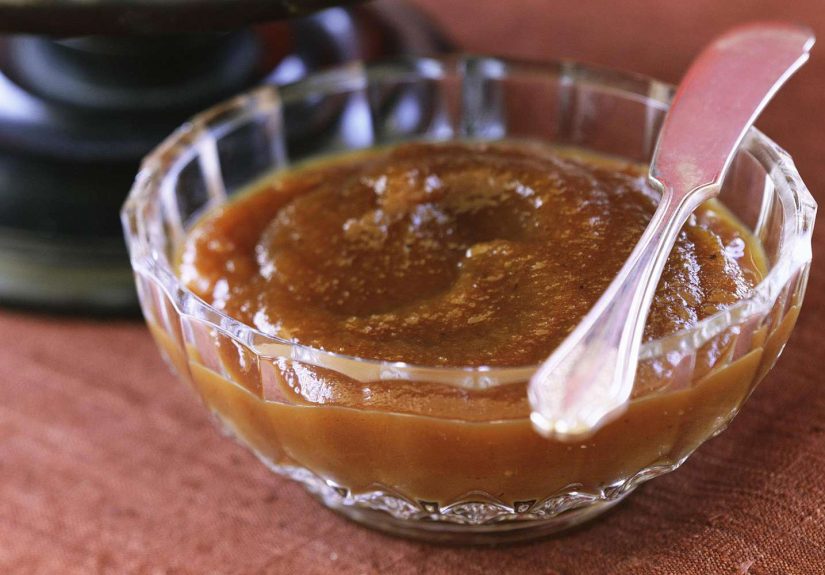
Apple butter is a slow-cooked fruit spread made by cooking apples down into a purée, then reducing that purée until most
of the water evaporates. As it reduces, the natural sugars concentrate and the color deepens into that signature
caramel-brown shade. The result: a smooth, spoon-standing spread that’s less “chunky applesauce” and more “apple pie
filling’s sophisticated cousin.”
Old-fashioned apple butter is usually flavored with warm spices like cinnamon and cloves, sometimes with a little tang
from cider vinegar or lemon juice to keep the flavor bright and balanced.
Pick Your Apples Like a Pro (or at least like someone who reads labels)
The secret to truly great homemade apple butter isn’t a mystical spice blend… it’s using a mix of apples.
Sweet apples bring mellow flavor and body; tart apples bring zing. Mixing varieties creates a deeper, more “wow, what IS that?”
apple flavor.
- Great sweet options: Fuji, Gala, Golden Delicious
- Great tart options: Granny Smith, McIntosh, Cortland
- Best move: Use 2–3 varieties if you can.
Bonus: slightly underripe apples can still work for apple butter. You may just want to cook a bit longer and sweeten to taste.
Equipment You’ll Want (and what you can fake)
- Big pot or Dutch oven: Thick-bottomed helps prevent scorching.
- Slow cooker: For the “set it and forget it (mostly)” crowd.
- Blender/immersion blender: For silky-smooth texture.
- Food mill or fine strainer (optional): Especially helpful if you leave peels on.
- Splatter screen (highly recommended): Apple butter “blorps” are real.
- If canning: Canning jars, lids, bands, and a boiling-water canner.
Old-Fashioned Apple Butter Ingredients
This is a classic, big-batch “farmstand-style” formula with traditional spice and that signature tang. It makes a rich,
old-fashioned fruit spread that’s fantastic on toast and also dangerously snackable straight from the jar.
Classic Ingredients (makes about 9–10 pints)
- 8 pounds apples (a mix of sweet and tart is ideal)
- 2 cups apple cider (or apple juice)
- 2 cups cider vinegar (for classic tang)
- 2 1/4 cups white sugar
- 2 1/4 cups packed brown sugar
- 2 tablespoons ground cinnamon
- 1 tablespoon ground cloves (potentdon’t freestyle too hard)
- Pinch of salt (optional, but it makes flavors pop)
Flavor Tweaks (choose your own adventure)
- Maple: Replace part of the sugar with a few tablespoons of maple syrup.
- Vanilla: Stir in 1–2 teaspoons at the end for bakery vibes.
- Chai-style: Add a pinch of ginger and allspice; go easy with nutmeg.
- Extra apple punch: A splash of concentrated boiled cider (if you have it) is a flavor cheat code.
How to Make Old-Fashioned Apple Butter (Stovetop Method)
This is the classic approach: cook the apples until soft, purée, then reduce low and slow until thick and glossy.
It’s simplejust a little time, a little stirring, and a lot of “why does my house smell like a candle store in the best way?”
Step 1: Prep the apples
- Wash apples well, remove stems.
- Quarter and core. You can peel if you want, but you don’t have to if you’ll use a food mill later.
Step 2: Cook until soft
- In a large pot, combine apples with the apple cider and vinegar.
- Cook slowly until the apples are very soft and falling apart, stirring occasionally to prevent sticking.
Step 3: Purée for smoothness
- Press the cooked apples through a food mill/strainer, or blend until smooth (carefullyhot fruit is basically lava with feelings).
- Return the smooth pulp to the pot.
Step 4: Reduce into apple butter
- Stir in the sugars, cinnamon, cloves, and (optional) salt.
- Simmer uncovered on low heat, stirring frequently, until thick, spreadable, and deep brown. This can take a whiledon’t rush it.
- Use a splatter screen if you value your forearms.
Step 5: Know when it’s done (no guessing games)
Apple butter is ready when it’s thick enough to mound and hold its shape:
- Spoon test: Scoop a spoonful, hold it away from steam for about 2 minutes. If it stays mounded, you’re there.
- Plate test: Spoon a little onto a plate. If liquid doesn’t weep and form a rim around the edge, it’s ready.
Slow Cooker Apple Butter (Hands-Off, Still Old-School)
If stovetop apple butter feels like babysitting a delicious toddler, the slow cooker version is like hiring a responsible aunt.
You still check in, but you’re not chained to the stove.
- Load your slow cooker with prepped apples and your sugars/spices. Add a bit of cider (or water) to get things started.
- Cook on low for a long stretch (often 8–10+ hours), stirring when you can.
- Once apples are very soft, blend until smooth.
- Continue cooking uncovered (or with the lid slightly ajar) until thick and dark.
Important note: if you’re preserving for shelf-stable storage, use a tested canning recipe and proper processing.
Otherwise, keep it refrigerated or frozen.
Shortcut Method: Apple Butter from Applesauce (When time is not your love language)
Want apple butter without peeling, coring, or taking your pot on an emotional journey? Start with plain applesauce.
Simmer applesauce with brown sugar, cinnamon, and a pinch of salt until it reduces and darkensoften in minutes, not hours.
It’s perfect for quick batches meant for the fridge, baking projects, or “I need apple butter tonight” situations.
Water-Bath Canning Apple Butter (Safe, Tested, and Not Based on Vibes)
Apple butter is commonly processed in a boiling-water canner when you follow a tested recipe. Use clean hot jars,
leave proper headspace, and process for the correct time based on jar size and altitude.
Quick canning checklist
- Fill hot apple butter into hot jars, leaving 1/4-inch headspace.
- Wipe rims, apply lids, and tighten bands to fingertip-tight.
- Process in a boiling-water canner; adjust time for altitude and jar size.
- Cool undisturbed 12–24 hours; check seals; label and store in a cool, dark place.
- Refrigerate after opening.
Typical processing times (boiling-water canner)
- Half-pints or pints: 5 minutes (0–1,000 ft), 10 minutes (1,001–6,000 ft), 15 minutes (above 6,000 ft)
- Quarts: 10 minutes (0–1,000 ft), 15 minutes (1,001–6,000 ft), 20 minutes (above 6,000 ft)
Reduced-sugar batches
Reduced-sugar or sugar-substitute versions can have different processing times and may lose quality faster.
If you’re experimenting, start with smaller batches and store sealed jars properlyor keep it refrigerated/freezer-bound.
How to Store Apple Butter
- Refrigerator: Great for small batches; use within about 1–2 weeks for best flavor.
- Freezer: Excellent for longer storage. Freeze in freezer-safe containers with a little headspace.
- Pantry (shelf-stable): Only if properly processed in a boiling-water canner using a tested recipe and sealed jars.
How to Use Apple Butter (Besides on toast, though yes… on toast)
- Breakfast: Swirl into oatmeal, yogurt, or cottage cheese; spread on pancakes or waffles.
- Baking: Use as a cake filling, muffin mix-in, or quick bread “moist-maker.”
- Cheese board magic: Pair with sharp cheddar, brie, or aged gouda.
- Savory twist: Brush on pork chops or roasted chicken as a sweet-spiced glaze.
- Sandwich upgrade: Apple butter + cheddar grilled cheese is unfairly good.
Troubleshooting: Fixes for Common Apple Butter Drama
“It’s too thin.”
Keep simmering uncovered. Apple butter thickens as water evaporates, and it thickens more as it cools.
“It tastes flat.”
Add a pinch of salt, a splash of vinegar/lemon, or a touch more cinnamon. Salt and acid sharpen flavor.
“It’s scorched.”
Immediately transfer the unburned portion to a clean pot without scraping the bottom. Next time: lower heat, stir more,
and consider a heavy-bottomed pot (and a podcast).
“It’s grainy.”
Blend longer or push through a food mill. Smooth texture usually comes down to thorough puréeing/straining.
Apple Butter Stories From the Kitchen (Experience, Lessons, and a Few Sticky Truths)
The first time you make old-fashioned apple butter, you learn something important: the recipe is simple, but the experience
is a whole mood. It starts with optimistic energylike “I have eight pounds of apples and a dream!”and quickly becomes a
sensory marathon where your house smells incredible and your spoon becomes your new best friend.
My favorite apple butter memories always begin with “too many apples.” You go apple picking, and suddenly you’re carrying
bags like you’re stocking a pioneer wagon. At home, the apples pile up on the counter, and you swear you’ll eat them all
“as snacks.” Two days later, you’re staring at a slightly wrinkly mountain of fruit and thinking, “Okay. We’re doing this.”
Apple butter is the delicious solution to apple abundanceand it feels like a small domestic victory.
The most old-school part isn’t even the spices; it’s the patience. The pot simmers gently, and you learn to respect low heat.
Turn it up, and apple butter will punish you with scorching (and a smell that instantly ruins your fall fantasy). Keep it low,
stir often, and it rewards you with deeper color and a richer, almost caramel-like flavor. There’s a moment when it shifts:
the bubbling changes, the texture looks glossy, and you realize you’re no longer making applesauce. You’re making apple butter.
There’s also the “splat factor.” Apple butter bubbles like a tiny volcano with opinions. If you’ve ever leaned too close to check
thickness, you know the mixture can pop and fling a dot of cinnamon-scented lava onto your wrist. After one or two incidents,
you start using a splatter screen and treating the pot with the same caution you’d give a cat that’s pretending to be friendly.
And then comes the taste-testingarguably the best part. A warm spoonful on a piece of bread is dangerously good. It’s sweet,
tangy, spiced, and so concentrated that it tastes like apples have been training for this their entire lives. It’s also where you
learn what you like: maybe a little more cinnamon, maybe less clove, maybe a tiny splash of lemon to brighten it up. The recipe
gives you structure; your taste buds give you the signature.
If you decide to jar it, the experience becomes a ritual: hot jars lined up, lids ready, towels everywhere. You feel both practical
and slightly heroic. Then you hear the best sound in home preserving: the ping of a lid sealing. It’s tiny, but it hits like a
standing ovation. And if one jar doesn’t seal? That’s not failurethat’s “the jar we eat first,” which is honestly the best jar anyway.
The best part is how apple butter keeps giving after it’s made. A spoonful in oatmeal turns breakfast into something you’d pay for
at a café. A smear on a biscuit makes you believe in weekends again. A dollop next to sharp cheddar feels fancy even if you’re
eating it in sweatpants. It’s old-fashioned, yesbut it’s also timeless, practical, and kind of funny in the way it transforms a humble
apple into a spread you want to put on everything you own.
Final Thoughts
Old-fashioned apple butter is less about perfection and more about the slow, cozy magic of turning simple fruit into something
deeply flavorful. Use good apples, reduce patiently, and trust the thickness tests. Whether you go stovetop traditional, slow cooker
easy, or applesauce shortcut, you’ll end up with a jar of fall you can spread on breakfast.