Table of Contents >> Show >> Hide
- What Is Green Tahini Dip?
- Why This Is the Best Green Tahini Dip Recipe
- Ingredients for Green Tahini Dip
- How To Make Green Tahini Dip
- Common Mistakes and How To Fix Them
- Best Foods To Serve With Green Tahini Dip
- Variations on Green Tahini Dip
- How To Store Green Tahini Dip
- Conclusion
- Kitchen Experiences With Green Tahini Dip
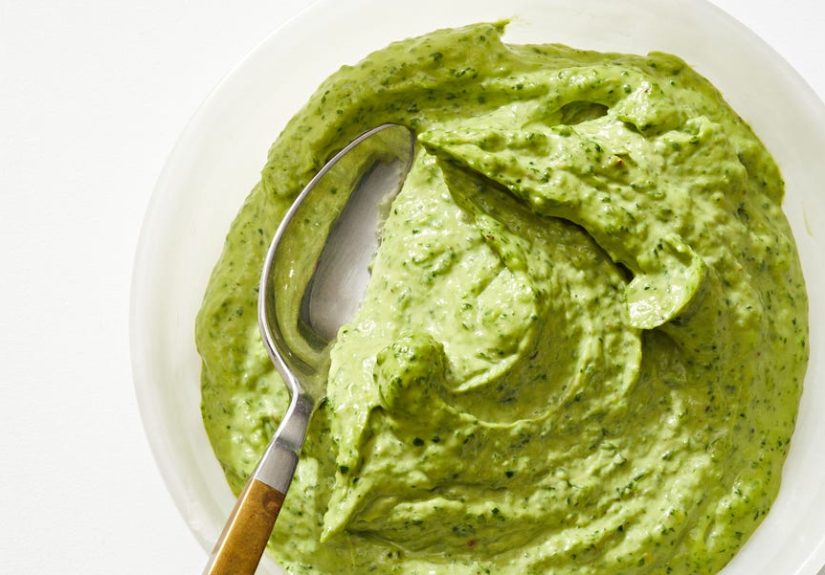
Some dips show up politely at the party. Green tahini dip kicks the door open, tosses a handful of herbs in the air, and somehow makes carrots feel exciting again. Creamy, bright, nutty, lemony, and gloriously green, this is the kind of dip that can rescue a snack board, wake up a grain bowl, and make plain roasted vegetables taste like they finally got the memo.
If you have ever stared at a jar of tahini and thought, “You look useful, but mysterious,” good news: this recipe is simple, fast, and wildly forgiving once you know the trick. The trick, by the way, is that tahini often gets thick and weird before it turns smooth and luxurious. That is not failure. That is the plot twist.
In this guide, you will learn exactly how to make the best green tahini dip recipe at home, what ingredients matter most, how to fix texture problems, what to serve it with, and how to tweak it for your own kitchen mood. Whether you want a thick veggie dip, a spoonable sandwich spread, or a silky sauce for falafel and grilled chicken, this green tahini dip can do the job without asking for applause. Though frankly, it deserves some.
What Is Green Tahini Dip?
Green tahini dip is a fresh herb version of classic tahini sauce. Traditional tahini sauce usually combines tahini, lemon juice, garlic, salt, and water until smooth and creamy. The green version adds a serious handful of herbs such as parsley, cilantro, mint, basil, or even watercress. That gives the dip a brighter flavor, a deeper color, and a fresher, more summery feel.
The result lands somewhere between a Mediterranean dip, a green goddess dressing, and a sauce you will start putting on absolutely everything. It works as a dip for raw vegetables and pita, but it is also excellent drizzled over roasted cauliflower, grain bowls, salmon, chicken, lamb, shawarma, or crispy chickpeas.
Why This Is the Best Green Tahini Dip Recipe
There are plenty of versions out there, but the best green tahini dip recipe needs to hit a few non-negotiables. First, it must taste balanced. Tahini is deeply nutty and slightly bitter, so it needs enough lemon and salt to taste lively rather than heavy. Second, it needs the right texture: thick enough to scoop, smooth enough to feel luxurious, and loose enough that it does not sit in the bowl like edible drywall. Third, it needs a fresh herb combination that tastes vivid without becoming grassy or muddy.
This version checks all those boxes. Parsley brings a clean, peppery backbone. Cilantro adds bold freshness. A little mint gives the dip lift without turning it into toothpaste for vegetables. Garlic adds punch, lemon wakes everything up, and cold water transforms the tahini into a creamy emulsion that feels almost fluffy.
Ingredients for Green Tahini Dip
Main Ingredients
- 1/2 cup smooth tahini
- 1 cup packed fresh flat-leaf parsley
- 1/2 cup packed fresh cilantro
- 2 tablespoons fresh mint leaves
- 1 small garlic clove
- 1/4 cup fresh lemon juice
- 6 to 8 tablespoons ice-cold water
- 1/2 teaspoon kosher salt
- 1/4 teaspoon ground cumin
- 1 teaspoon olive oil, optional
- Pinch of red pepper flakes or a small green chile, optional
Why These Ingredients Work
Tahini is the heart of the dip. Use a smooth, pourable tahini if possible. A bitter, dry, or separated jar can still work, but you may need more whisking and a little emotional resilience.
Parsley gives the dip its classic green color and clean flavor. Cilantro adds brightness and a slightly citrusy note. Mint is optional but highly recommended for freshness. Lemon juice cuts through the richness, and garlic gives the dip backbone. Cold water is not just filler; it changes the texture, turning thick tahini into something silky and spoonable.
How To Make Green Tahini Dip
Step 1: Prep the Herbs
Wash and dry the parsley, cilantro, and mint well. Extra water clinging to the leaves will not ruin the recipe, but properly dried herbs make the flavor more concentrated and the texture more controlled. Roughly chop the herbs so your blender or food processor does not have to work like it is training for a marathon.
Step 2: Blend the Flavor Base
Add the parsley, cilantro, mint, garlic, lemon juice, salt, cumin, and optional chile to a food processor or blender. Pulse until the herbs are finely chopped and the mixture looks vivid and aromatic. Scrape down the sides as needed.
Step 3: Add the Tahini
Add the tahini and pulse again. At this stage, the mixture will probably look thick, dull, and a little grumpy. That is normal. Tahini likes a dramatic entrance.
Step 4: Stream in Cold Water
With the machine running, slowly add 6 tablespoons of ice-cold water. Stop and check the texture. If you want a thick dip for pita and sliced cucumbers, you may be done. If you want it looser for drizzling or spreading, add another 1 to 2 tablespoons. The dip should become paler, creamier, and smoother as the water blends in.
Step 5: Taste and Adjust
Taste the dip with something neutral like a cucumber slice or plain pita. Add more lemon if it tastes flat, more salt if it tastes dull, or another tablespoon of water if it feels too thick. A teaspoon of olive oil can soften the edges and round out the flavor, though it is optional.
Step 6: Chill or Serve Right Away
You can serve green tahini dip immediately, but it gets even better after a short rest in the refrigerator. Ten to twenty minutes lets the garlic settle in and the herbs mingle with the sesame flavor like they were always meant to be roommates.
Common Mistakes and How To Fix Them
The Dip Is Too Thick
This is the most common issue, and thankfully the easiest fix. Add cold water one tablespoon at a time and blend or whisk well after each addition. Tahini can absorb liquid like it is trying to prove a point, so go gradually.
The Dip Tastes Bitter
A little bitterness is natural in tahini, but too much can make the dip feel harsh. Add a bit more lemon juice and a pinch more salt first. If it still tastes too intense, stir in a tiny drizzle of maple syrup or honey. Not enough to make it sweet, just enough to calm it down.
The Garlic Is Too Strong
Raw garlic can go from “pleasantly punchy” to “wow, I can hear colors” very quickly. Start with one small clove. If you are sensitive to garlic, let the chopped garlic sit in the lemon juice for a few minutes before blending. That softens the sharpness.
The Color Is Dull
Use more tender herbs, especially parsley and cilantro leaves, and do not overdo the cumin. If you want a brighter green, add a little more parsley or a handful of baby spinach. It is a practical little cheat, and frankly, kitchen cheating is just strategy wearing an apron.
Best Foods To Serve With Green Tahini Dip
This dip is wonderfully versatile, which is a polite way of saying you will start putting it on things that did not ask for it. Here are some of the best pairings:
- Warm pita, naan, or flatbread
- Carrots, cucumbers, radishes, celery, and bell peppers
- Falafel and roasted chickpeas
- Grilled chicken, salmon, shrimp, or lamb
- Roasted cauliflower, sweet potatoes, eggplant, or Brussels sprouts
- Rice bowls, quinoa bowls, and grain salads
- Wraps, sandwiches, and burgers
It is especially good with foods that are earthy, crispy, or smoky. Think roasted vegetables, charred meat, or anything that benefits from a cool, creamy contrast.
Variations on Green Tahini Dip
Spicy Green Tahini Dip
Add half a serrano, jalapeño, or a pinch of red pepper flakes. This version is excellent with grilled chicken or crispy potatoes.
Mint-Forward Green Tahini
Increase the mint and reduce the cilantro for a fresher, cooler flavor that works beautifully with lamb or cucumber salads.
Green Goddess-Style Tahini Dip
Add basil and chives for a more American herb profile. This version leans toward dressing territory and is fantastic spooned over lettuce, tomatoes, or roasted salmon.
Extra-Lemony Tahini Dip
If you love bright sauces, increase the lemon juice slightly and add a little zest. The flavor gets sharper, sunnier, and especially good with grilled vegetables.
How To Store Green Tahini Dip
Store the dip in an airtight container in the refrigerator. It should keep well for several days. As it chills, it may thicken, so stir in a little cold water or lemon juice before serving if needed. The color is usually brightest on the first day, but the flavor often deepens by day two.
If the dip separates a bit, do not panic and do not write a farewell letter. Just stir or whisk it back together. Tahini is resilient stuff.
Conclusion
The best green tahini dip recipe is not complicated. It is just smart. You start with quality tahini, brighten it with lemon, sharpen it with garlic, flood it with herbs, and bring it all together with cold water until it becomes creamy and irresistible. The result is a dip that tastes fresh, rich, and adaptable enough for everything from snack trays to dinner plates.
If you want a homemade dip that feels a little sophisticated but takes less effort than a dramatic sigh, green tahini dip is the answer. It is quick, colorful, naturally dairy-free, and endlessly useful. Once you learn how to make green tahini dip, you will probably stop buying random refrigerated dips that taste vaguely of disappointment and start making this instead.
Kitchen Experiences With Green Tahini Dip
One of the most relatable experiences with green tahini dip is the moment right after you add the tahini and think you have somehow ruined dinner. The mixture gets thick. Sometimes it looks grayish before it turns green again. It can cling to the spoon like cement with self-esteem. Then you start adding cold water, one spoonful at a time, and suddenly the whole thing relaxes. It softens, lightens, and turns creamy. That little transformation is half the magic of the recipe. It feels like a save, but really it is how tahini works.
Another common experience is discovering that green tahini dip is not really a “special occasion” recipe. It becomes a “what can I put this on now?” recipe. Someone makes it for a mezze platter, then the leftovers end up in a wrap the next day. Then it gets spooned over roasted sweet potatoes. Then it somehow appears next to eggs, grilled chicken, rice bowls, and raw cucumbers. Before long, the dip is less of a recipe and more of a refrigerator personality trait.
People also tend to notice how much the herb balance changes the vibe. A parsley-heavy batch tastes classic and clean. More cilantro gives it a bolder personality. Extra mint makes it feel cooler and brighter. Add basil and it leans into green-goddess territory. In other words, green tahini dip has range. It can be dinner-party elegant or weekday “I found a carrot and I am doing my best” practical.
There is also the texture lesson. Home cooks often start by making it too thick because tahini is deceptive. It looks like it only needs a little water, then absorbs more like a sponge with ambition. The second or third time around, most people loosen it more confidently, knowing that a scoopable dip should still feel soft and creamy, not stiff and stubborn. That tiny bit of experience changes everything.
Then there is the color factor. Freshly made green tahini dip is vivid and beautiful, the kind of sauce that makes a plate look smarter than it really is. Even very simple meals seem more intentional with a spoonful on the side. A basic grilled chicken breast suddenly looks composed. Roasted vegetables look restaurant-adjacent. A plain pita-and-cucumber lunch starts acting fancy. The dip does not just add flavor; it adds visual confidence.
And finally, there is the universal experience of watching guests ask what it is after they have already taken a second scoop. That is usually the sign of a keeper. Green tahini dip feels familiar enough to be approachable, but different enough to be memorable. It is easy, flexible, and quietly impressive. In real kitchens, that combination tends to earn a recipe a permanent spot.