Table of Contents >> Show >> Hide
- Why These Funny Parenting Tweets Hit So Hard
- What These 50 Parenting Experiences Really Reveal
- 1. Sleep Deprivation Is the Unofficial Family Mascot
- 2. Snacks Have Replaced Currency
- 3. The House Is Never Truly Clean
- 4. School Life Comes With Its Own Special Madness
- 5. Screen Time Is the New Frontier of Negotiation
- 6. Toddlers and Young Kids Are Tiny Philosophers of Chaos
- 7. Parenting Is Equal Parts Love and Logistics
- Why November Parenting Humor Feels Extra Real
- The Hidden Value of Laughing About Parenthood
- More Parenting Experiences Behind the Laughs
- Final Thoughts
Parenting is the only job where you can be a chef, chauffeur, therapist, janitor, event coordinator, snack investor, and hostage negotiator before 8:00 a.m. And if November has taught parents anything, it is this: the kids are somehow both tired and fully powered by chaos at the exact same time.
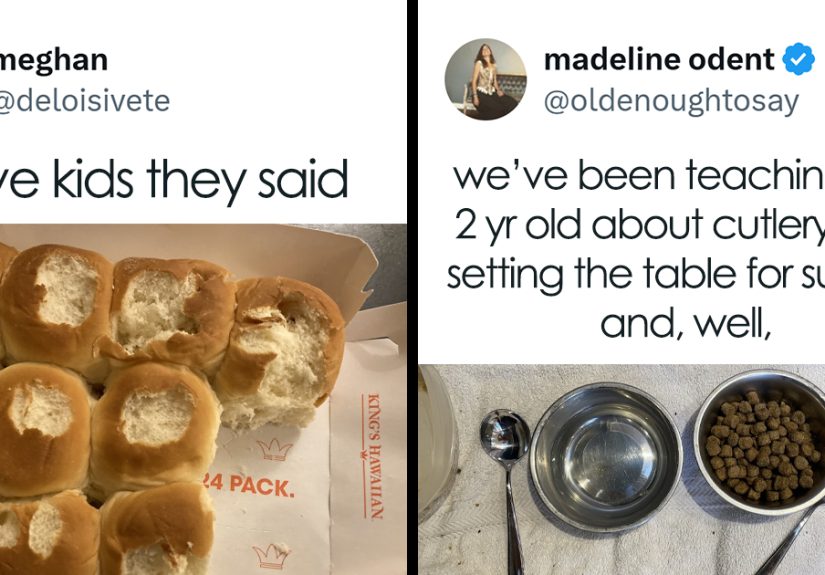
That is why funny parenting tweets keep spreading like leftover glitter in a minivan. They turn the daily madness into something shareable, recognizable, and blessedly laughable. One parent jokes about bedtime taking longer than a cross-country flight. Another sums up the family dinner experience as a high-stakes summit on why the noodles are “wrong.” A third realizes the suspicious silence in the next room is never a gift from the universe. It is a trap.
This November edition energy feels especially relatable because the season itself is basically a pressure cooker with cinnamon sprinkled on top. The weather shifts. School schedules get crowded. Holiday planning starts tapping you on the shoulder like an unpaid intern with too many ideas. Kids are overstimulated, under-slept, and somehow deeply offended by socks. Parents, meanwhile, are expected to remember spirit days, refill toothpaste, answer work emails, find a missing water bottle, and have meaningful family moments before dinner.
So when a roundup of funny parenting posts makes the rounds online, people click for the laughs, but they stay for the emotional validation. These jokes are not just jokes. They are tiny dispatches from the front lines of family life. They are proof that across kitchens, carpools, playrooms, and pediatric waiting rooms, parents are all living in the same absurd little universe.
Why These Funny Parenting Tweets Hit So Hard
The magic of parenting humor is not that it exaggerates reality. It is that it barely needs to. The modern parent is juggling an incredible amount of invisible labor: school communication, meal planning, schedule management, health concerns, emotional coaching, digital boundaries, and the endless task of finding out who left a banana peel in the car door pocket. Funny tweets work because they turn that invisible labor into a visible punchline.
And November is a perfect setting for that kind of comedy. It is the month when routines start wobbling. Bedtimes get weird. Family calendars get crowded. Colder weather pushes more action indoors, which means more noise, more mess, and more sibling diplomacy failures. Parents are trying to keep everyone healthy, fed, warm, cooperative, and preferably wearing pants. Comedy is not optional. It is practically a household utility.
That is also why parenting humor online feels less like performance and more like solidarity. These posts say, “Yes, your child also asked for a snack while holding a snack.” They say, “Yes, your laundry pile is now a geological formation.” They say, “No, you are not the only one who has heard the phrase ‘but I wanted the blue cup’ as though civilization depends on it.”
What These 50 Parenting Experiences Really Reveal
Even without quoting the posts directly, the patterns are easy to spot. The funniest parenting content tends to circle the same emotional neighborhoods because those neighborhoods are permanently under construction.
1. Sleep Deprivation Is the Unofficial Family Mascot
Parents of babies are tired. Parents of toddlers are tired. Parents of school-age kids are tired in a more administrative way. Parents of teens are tired because the child who would not sleep in kindergarten has now evolved into a night owl with opinions. Many of the funniest parenting jokes begin with one simple truth: no one in the house is getting exactly the kind of sleep they need, and everyone is handling that fact with the emotional grace of a raccoon in a rainstorm.
The humor lands because fatigue makes everything feel one degree more ridiculous. A spilled cup becomes a federal emergency. A delayed bedtime routine feels like a limited series with too many episodes. A child waking up at dawn on a weekend can feel like a personal betrayal. Parents joke about it because otherwise they might stare into the distance while reheating coffee for the fourth time.
2. Snacks Have Replaced Currency
If aliens studied human parenting through social media, they would conclude that raising children is mostly a matter of distributing snacks under increasingly unreasonable conditions. Snack before dinner. Snack after dinner. Snack while deciding whether they want a snack. The funniest parenting posts understand that food in family life is never just food. It is negotiation, mood regulation, scheduling, bribe-adjacent diplomacy, and occasionally abstract performance art.
Children can reject the exact meal they requested six minutes earlier with the confidence of Michelin inspectors. They can bite a sandwich once and declare the entire day ruined. They can insist they are starving while standing in front of a full refrigerator as though it is a cursed artifact. Parents joke about it because they know mealtime is rarely a calm domestic tableau. It is more like a startup trying to pivot during a fire drill.
3. The House Is Never Truly Clean
One of the most common themes in parenting humor is the impossible dream of a tidy home. You clean the kitchen. Someone appears and generates crumbs with supernatural efficiency. You organize the playroom. A child walks in and turns it into a scene investigators would describe as “active.” You fold laundry. It waits in a basket long enough to become emotionally significant.
These jokes are funny because they expose a universal truth: for many parents, cleaning is not a completed task. It is a recurring event, like weather. And November only heightens the effect. More indoor time means more toys underfoot, more jackets in the wrong place, more school papers multiplying on every flat surface, and more tiny socks entering the witness protection program.
4. School Life Comes With Its Own Special Madness
Parenting tweets also love school logistics because school logistics are one of the great unspoken endurance sports of adulthood. There are drop-offs, pickups, lunch packing, homework negotiations, forgotten forms, spirit days, themed outfits, library books, permission slips, and last-minute announcements sent at the exact moment you are trying to cook something that should not be left alone.
Funny posts about school life work because they capture the feeling that parents are perpetually one email away from discovering they were supposed to send in orange-colored snacks and a historical costume by 8:15 a.m. tomorrow. It is not that parents do not care. It is that the operational complexity of modern family life can make even highly competent adults feel like they are losing a game whose rules were explained in a noisy hallway.
5. Screen Time Is the New Frontier of Negotiation
Another rich source of parenting comedy is screen time. Parents want balance. Kids want one more episode, five more minutes, and a constitutional amendment guaranteeing unlimited access to devices during dinner, homework, and bedtime. Humor thrives here because everyone knows the contradiction: screens can be incredibly useful, wildly entertaining, vaguely guilt-inducing, and occasionally the only reason a parent gets to sit down for seven uninterrupted minutes.
That tension shows up again and again in funny parenting posts. The modern family is always trying to draw the line between healthy habits and practical survival. That is why jokes about hiding chargers, monitoring volume, enforcing device-free meals, or discovering a child has learned advanced negotiation tactics from a cartoon feel instantly familiar.
6. Toddlers and Young Kids Are Tiny Philosophers of Chaos
No group has contributed more to parenting humor than toddlers. They are dramatic, sincere, unpredictable, affectionate, and completely willing to collapse over the structural injustice of having their banana broken in half after requesting the banana be broken in half. The funniest parenting stories are often funny because young children operate with total emotional commitment and very little concern for logic, timelines, or your plans.
They ask profound questions at wildly inconvenient times. They form intense attachments to objects that should not be emotionally meaningful. They create household rules no one agreed to. They can make a parent laugh and lose patience in the same thirty-second window. The internet did not invent this comedy, but it did give parents a place to compare notes.
7. Parenting Is Equal Parts Love and Logistics
Beneath every good parenting joke sits a simple truth: family life runs on love, but it also runs on systems. Bedtime systems. Homework systems. Shoe-finding systems. Cold-and-flu systems. Holiday-travel systems. Backup-snack systems. Parents laugh online because the emotional work and the practical work are always happening together. You are not just comforting a child. You are comforting a child while searching for a missing backpack, answering a text, and wondering whether anyone remembered to move the elf or sign the form or thaw the chicken.
That double burden is what makes the humor so rich. Parenting is deeply meaningful, but it is also absurdly operational.
Why November Parenting Humor Feels Extra Real
November has its own special flavor of family chaos. The holiday season is visible on the horizon, but the regular responsibilities have not gone anywhere. Kids may be more excited, more distracted, or more tired. Parents may be juggling travel plans, family gatherings, gift budgets, school events, and the annual realization that “simple holiday magic” is suspiciously labor-intensive.
This is also the season of sensory overload. The weather turns. Daylight shifts. Illnesses start circulating. Schedules tighten. Children spend more time inside, which means they are either inventing games at full volume or asking for entertainment with the urgency of people stranded at sea. That is why funny parenting tweets in November often feel sharper and warmer at the same time. They acknowledge stress, but they coat it in recognition and humor.
And honestly, that may be the healthiest part of the whole genre. These posts give parents permission to admit that family life is precious and hilarious, heartwarming and exhausting, beautiful and deeply sticky. The laugh is not a denial of difficulty. It is a way through it.
The Hidden Value of Laughing About Parenthood
Parenting humor lasts because it does more than entertain. It reduces isolation. It turns private frustration into public recognition. It reminds moms, dads, stepparents, grandparents, guardians, and caregivers that the hard parts of raising kids are not proof of failure. They are often proof that real life is happening at full volume.
A funny post about a bedtime battle can help another parent feel less alone after a rough evening. A joke about school pickup chaos can make someone exhale after a long day. A laugh about mismatched socks, impossible snack requests, or children who mysteriously lose every water bottle can create a brief but meaningful sense of community.
In that way, these parenting tweets do something oddly generous. They make people feel seen without requiring a polished speech or a dramatic confession. They just say, “This happened in my house too, and I survived long enough to make it funny.” That is not small. That is modern folklore in sweatpants.
More Parenting Experiences Behind the Laughs
There is also something wonderfully democratic about funny parenting stories: they do not depend on a perfect family, a trendy house, or an expert-approved routine. They come from ordinary moments that go sideways in ways only kids can manage. A parent spends twenty minutes making a lunch that returns home almost untouched except for one bite and a mysterious damp napkin. Another finally sits down after cleaning the living room and immediately hears the unmistakable sound of LEGOs being redistributed across the floor like confetti with edges. Someone else discovers that the reason the house was quiet was not peaceful independent play, but a child giving the dog a makeover with yogurt.
Then there is the emotional whiplash of parenting, which the funniest online posts understand perfectly. Kids can make you laugh so hard you nearly cry, and then actually make you cry because they poured shampoo into the humidifier. They can deliver a spontaneous “I love you” seconds after causing a problem that requires a screwdriver, stain remover, and a calm tone you do not currently possess. Parents live inside that contradiction all the time. It is one reason the jokes feel so honest: affection and exasperation are roommates.
November adds another layer because it often highlights family rituals. Parents are trying to create warm memories while still functioning like competent adults. That means cooking while refereeing. Hosting while cleaning. Traveling while packing medicines, chargers, comfort items, backup clothes, wipes, snacks, and the one stuffed animal apparently required for emotional stability. Holiday photos are especially funny in this context because they promise a serene image while concealing the reality that at least one child was sticky, one was defiant, and one adult had just whispered, “Please, for the love of all things festive, smile.”
Even the sweetest parenting moments have comedy built into them. Kids misunderstand grown-up phrases. They ask brutally direct questions in public. They confuse song lyrics, invent household rules, and deliver accidental wisdom with the confidence of philosophers who still need help opening string cheese. Parents know these moments are fleeting, which may be why they laugh so hard at them. Humor becomes a way to preserve the chaos without being crushed by it.
That is the real brilliance behind collections of funny parenting tweets. They are not merely lists of jokes. They are miniature portraits of family life in all its unpredictability. They capture the mental load, the tenderness, the mess, the repetition, and the weirdly heroic act of showing up every day for people who may reject the sandwich you cut into triangles because they wanted squares. Parents laugh because they recognize themselves. They share because they want someone else to feel less alone. And they keep reading because beneath every punchline is a truth every caregiver understands: parenting is hard, hilarious, and somehow still worth every absurd minute.
Final Thoughts
The best funny parenting tweets are not funny because parents are failing. They are funny because parents are trying. Trying to keep the schedule moving, the meals coming, the emotions regulated, the homework finished, the shoes matched, the screens limited, and the household vaguely standing. That effort is messy. It is repetitive. It is occasionally ridiculous. And that is exactly why it makes such great material.
So if this November edition of parenting humor feels painfully accurate, that is probably a good sign. It means the jokes are coming from real life, and real life with kids is rarely polished. It is noisy, tender, exhausting, surprising, and full of scenes no one would believe if parents did not keep posting about them online. Thank goodness they do.
Because sometimes the difference between “I am overwhelmed” and “I can handle this” is just one very good joke about a child who asked for toast, rejected toast, and then cried because the rejected toast looked lonely.