Table of Contents >> Show >> Hide
- What Is Carbon Banks, Exactly?
- How the Concept Works
- Why Furniture Sustainability Needs New Ideas
- Why the NFT Angle Is More Clever Than It Sounds
- The Circular Economy Connection
- But Wait, Aren’t NFTs Bad for the Environment?
- Why This Could Matter for Furniture Brands
- Why Consumers Might Actually Care
- The Bigger Idea Hidden Inside the Hype
- Experience: What Living With a Concept Like This Could Feel Like
- Final Thoughts
Most people do not look at a chair and think, “You know what this needs? A digital tree and a blockchain passport.” Usually we just think, “Please don’t wobble during dinner.” And yet, that strange little leap between furniture and Web3 is exactly what makes Carbon Banks such a fascinating sustainability idea.
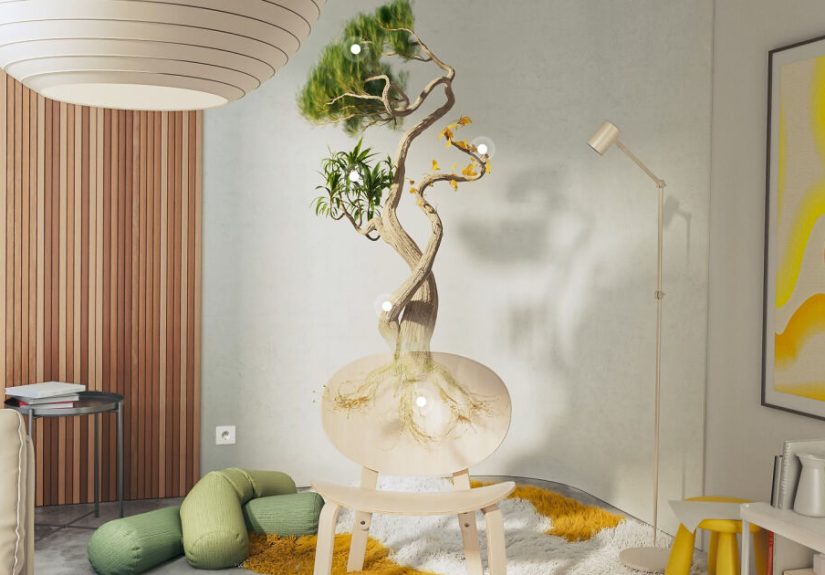
Originally explored by SPACE10 with collaborators including WINT Design Lab and Zünc Studio, Carbon Banks imagines a future in which a physical piece of wooden furniture is paired with a living digital asset. In this case, the asset is not some random pixelated monkey in sunglasses. It is a tree that grows as the furniture is cared for, maintained, repaired, resold, and kept in use over time. The longer the furniture survives in the real world, the richer the digital tree becomes in the virtual one.
That may sound a little sci-fi, a little weird, and just the right amount of “someone definitely pitched this in a very stylish room.” But beneath the shiny NFT wrapper is a serious sustainability question: Can digital incentives help people take better care of physical things? In a world drowning in cheap, disposable home goods and “fast furniture,” that question is far more practical than it first appears.
This is why the Carbon Banks concept matters. It is not really about turning your dining chair into a crypto bro. It is about emotional durability, circular design, better ownership, and a smarter relationship between people and the products they bring into their homes.
What Is Carbon Banks, Exactly?
At its core, Carbon Banks is a speculative design concept that links furniture circularity with blockchain-backed digital ownership. The idea begins with a physical wooden chair that carries a unique visual pattern. When the owner scans that pattern, the product is authenticated and paired with a personalized digital tree. That tree starts as a seedling, then evolves as the furniture continues its life in the physical world.
In plain English, the chair gets a digital sidekick.
But this is not just digital decoration. The tree acts like a growing record of stewardship. If the chair is kept in use, repaired, or passed on to a new owner rather than dumped on the curb beside a suspicious mattress, the digital asset continues to grow. The concept turns longevity into something visible, collectible, and oddly lovable.
That emotional angle is the heart of the project. Carbon Banks suggests that when people feel more attached to an object, they are more likely to keep it, care for it, and avoid replacing it too quickly. It is a design strategy dressed up as an NFT experiment.
How the Concept Works
1. A physical item gets a unique identity
Each piece of furniture would carry a distinct identifier, such as a printed or engraved pattern. That pattern is not just branding. It becomes the key that connects the real-world object to its digital twin.
2. A digital tree is minted
Once scanned, the item unlocks a generative digital asset: a tree rooted to that specific object. The tree becomes a living visual record tied to the furniture’s journey.
3. Care creates value
If the chair stays in use, receives maintenance, and avoids premature disposal, the digital tree grows wilder, fuller, and more unique. In other words, sustainability stops being abstract and starts looking like progress you can actually see.
4. Ownership can transfer
When the furniture is resold or traded, the digital asset moves with it. That opens the door to a more meaningful secondhand market, where an older item is not “used up,” but enriched by its history.
5. The object gains a story
Instead of being just another chair, it becomes a chair with a traceable life, a digital presence, and a record of care. That story is where the concept becomes surprisingly powerful.
Why Furniture Sustainability Needs New Ideas
The furniture industry has a waste problem large enough to make your overstuffed garage look adorable. According to U.S. EPA data, furniture and furnishings generated about 12.1 million tons of municipal solid waste in 2018, and the majority of that category was landfilled. That is a mountain of sofas, tables, chairs, dressers, and mattresses taking the least glamorous route imaginable.
Part of the problem is design. A lot of modern furniture is made for quick turnover, low prices, and short product lives. It is easy to assemble, easy to buy, and unfortunately often easy to abandon. Once a leg loosens, a veneer peels, or a move to a new apartment makes the piece inconvenient, many people replace rather than repair.
Part of the problem is also psychology. We tend to protect what feels meaningful and neglect what feels generic. That is why an old wooden chair from a grandparent is more likely to be repaired than a flimsy particleboard table bought during a weekend panic-shopping spree.
This is where Carbon Banks gets interesting. Instead of relying only on eco-friendly messaging, it tries to reshape the emotional relationship between people and everyday furniture. That is a smarter angle than it first appears. Sustainability campaigns often ask consumers to act responsibly out of guilt. Carbon Banks experiments with something else: pride, attachment, identity, and a sense of guardianship.
Why the NFT Angle Is More Clever Than It Sounds
Let us be honest: the letters “NFT” can still trigger eye-rolls from orbit. The market became associated with speculation, absurd prices, and enough hype to power a small nation. So why attach an NFT concept to furniture sustainability at all?
Because the underlying technology can do something useful when it is not busy trying to sell JPEGs like they are buried treasure. A blockchain-linked asset can provide traceability, proof of ownership, transfer history, and a durable digital record. In the Carbon Banks concept, that record is given emotional and aesthetic value through the growing tree.
The brilliance here is not that it makes furniture collectible in a financial sense. It is that it makes furniture collectible in a personal sense. The age of the object, the care it receives, and the journey it takes from one owner to another all become part of its value.
That lines up with a bigger trend in sustainable design: people tend to keep products longer when those products feel irreplaceable, expressive, or memory-rich. Carbon Banks turns an ordinary object into something more like a companion, a record, or a little household legend.
In short, it uses digital scarcity and self-expression to fight physical waste. That is a strange sentence, yes. It is also a pretty good one.
The Circular Economy Connection
The Carbon Banks idea fits neatly into the logic of the circular economy, which focuses on reducing material use, keeping products in circulation longer, and recovering value rather than sending everything to the landfill after a single ownership cycle.
For furniture, circularity can mean designing products for durability, repair, refurbishment, resale, reuse, and eventual recycling. It also means treating products less like disposable purchases and more like assets with a long life ahead of them.
That is why the concept goes beyond artful visuals. If furniture carried trustworthy, portable records of ownership, maintenance, material composition, and care history, resale could become easier. Repair could become more rewarding. Brands could build services around refurbishment instead of pushing constant replacement. Consumers could see old furniture as proven, not outdated.
Fast Company has covered how circular furniture models already aim to keep products in use through repair, refurbishment, rental, and resale. Carbon Banks adds a cultural layer to that business logic. It says a chair should not only be durable. It should be desirable to keep.
But Wait, Aren’t NFTs Bad for the Environment?
That is the fair question, and it deserves a fair answer.
Historically, NFTs raised major environmental concerns because blockchain transactions could require significant energy use, especially on proof-of-work networks. That criticism was not imaginary, and any serious discussion of sustainable NFTs has to admit that upfront.
However, the landscape changed dramatically when Ethereum moved to proof-of-stake, cutting its electricity consumption by a huge margin. That does not mean every NFT is magically green, nor does it erase the broader issues around digital infrastructure, storage, speculation, and hardware use. It does mean the environmental argument is now more nuanced than it was during the early peak-hype years.
Carbon Banks also matters because it points toward a more grounded use case. Instead of using blockchain to manufacture artificial excitement around purely digital collectibles, it proposes a digital layer that could support longer product lifespans in the physical world. If a low-energy network and sensible system design are used, the trade-off becomes more defensible.
So yes, the tension is real. But the concept is not pretending otherwise. It is exploring whether newer, lower-energy blockchain systems can be aimed at circular behavior rather than speculation. That is at least a better conversation than “What if this ape wore a captain’s hat?”
Why This Could Matter for Furniture Brands
For brands, Carbon Banks opens up several intriguing possibilities.
Digital product passports
A furniture item could carry a verified history showing its materials, age, repairs, ownership changes, and sustainability information. That could improve trust in resale and refurbishment markets.
Better secondhand value
If ownership history and care records are attached to the item, used furniture could become easier to evaluate and easier to sell. Instead of losing identity after the first owner, it gains one.
Repair incentives
Brands could reward maintenance and repair with digital upgrades, service credits, warranties, or reputation perks. Suddenly, fixing the chair leg is not just the responsible thing to do. It is the cool thing to do.
Emotional branding
Most sustainability marketing still sounds like homework. Carbon Banks hints at something more engaging: sustainability as storytelling, status, and personal expression.
That could be especially valuable for younger consumers who already move fluidly between physical and digital identities. If people decorate virtual spaces, curate online selves, and value visible signals of taste, a digital artifact attached to a real-world object starts to make more sense.
Why Consumers Might Actually Care
Consumers do not need a lecture on sustainability every time they buy a chair. They need products and systems that make better behavior feel intuitive, rewarding, and maybe even a little delightful.
Carbon Banks taps into several things people already care about:
- Ownership: People like proof that something is uniquely theirs.
- Story: Items feel more valuable when they have a visible history.
- Self-expression: A digital tree that evolves with your furniture is a lot more fun than a boring receipt.
- Pride: Caring for an object becomes part of your identity, not just a household chore.
That emotional design layer matters. A repaired chair can feel shabby, or it can feel seasoned. A secondhand table can feel old, or it can feel proven. Carbon Banks is trying to shift the story toward the second option.
The Bigger Idea Hidden Inside the Hype
The most valuable part of this NFT furniture concept is not the token. It is the worldview behind it.
Carbon Banks imagines products as ongoing relationships rather than one-time purchases. It asks what happens when physical objects gain digital histories, visible identities, and transferable memories. It suggests that sustainability is not just about using better materials. It is also about building stronger reasons not to throw things away.
That matters far beyond furniture. The same thinking could influence fashion, appliances, consumer electronics, and home goods. In each case, the goal would be similar: make durability more visible, make repair more meaningful, and make ownership more responsible without making it feel like punishment.
If that happens, the future of sustainable design may not be less emotional. It may be more emotional, more traceable, and more connected across physical and digital life.
Experience: What Living With a Concept Like This Could Feel Like
Imagine buying a wooden chair and knowing it is not supposed to be temporary. Not “temporary until your lease is up.” Not “temporary until your taste changes.” Not “temporary until one screw mysteriously vanishes into another dimension.” Actually built and intended to stay with you for years.
Now imagine that on the day you bring it home, you scan a subtle pattern on the surface and unlock a digital tree connected to that exact chair. At first, the tree is small and almost humble, like it knows it still has to earn your trust. It is not flashy. It is not screaming for attention. It is simply there, beginning its life when the chair begins its life with you.
Over time, the object in your apartment stops feeling like background furniture and starts feeling more personal. The first scratch is annoying, but instead of thinking the chair is “ruined,” you think of it as part of the item’s biography. When a joint loosens, you fix it because the product still feels alive in the system. When you clean it, oil it, or repair it, those actions do not just preserve utility. They reinforce a story.
That is the emotional shift Carbon Banks seems to be chasing. Not guilt. Not perfection. Stewardship.
It also changes how you might feel about age. In today’s furniture culture, “new” is often treated like the highest form of value. But with a concept like this, age becomes visible in a more flattering way. The digital tree grows fuller. The chair gains proof that it has lasted. Longevity starts to look like an achievement rather than a compromise.
Even resale begins to feel different. Let us say you move to a smaller place or change your layout and decide to pass the chair on. Under the Carbon Banks model, the next owner does not just get a used chair. They inherit a record, a living digital companion, and evidence that the object was worth caring for. That makes the handoff feel less like disposal and more like succession. Dramatic? Slightly. Effective? Also yes.
There is something deeply human in that. We already attach stories to heirlooms, old books, instruments, and handmade objects. Carbon Banks simply asks whether design and technology can help everyday furniture earn that same kind of loyalty before it becomes “vintage” enough to deserve respect.
Would every shopper want this? Probably not. Some people just want a chair that holds their body and their burrito bowl without incident. Fair enough. But for people who care about sustainability, design, and meaningful ownership, the experience could be compelling. It turns maintenance into participation. It turns resale into continuity. It turns a practical household item into something closer to a shared project between person, object, and system.
And maybe that is the most sustainable idea of all: not convincing people to own less by making products feel disposable, but encouraging them to own better by making products feel worth keeping.
Final Thoughts
This unique NFT furniture concept is memorable because it does something rare in sustainability design: it makes responsible behavior feel imaginative. Carbon Banks is part thought experiment, part design provocation, and part blueprint for how digital tools might support a circular economy.
Will every chair in the future come with a blockchain-linked tree? Probably not. Will the exact Carbon Banks model become a mainstream product tomorrow? Also probably not. But the idea behind it is strong: if we want people to keep, repair, and pass along furniture, we need to design systems that reward care, not just preach it.
And if one of those systems happens to involve a digital forest growing quietly behind your favorite chair, well, that is at least a lot more charming than another pile of furniture heading to the landfill.