Table of Contents >> Show >> Hide
- Why Quinoa and Vegetables Work So Well Together
- What You Need for the Best Quinoa and Vegetables Recipe
- How to Cook Quinoa So It Is Fluffy, Not Sad
- Step-by-Step: Recipe for Quinoa and Vegetables
- Flavor Variations That Keep This Recipe Interesting
- Tips for Better Texture and Bigger Flavor
- Is Quinoa and Vegetables Good for Meal Prep?
- Storage, Leftovers, and Food Safety
- Serving Ideas for a Complete Meal
- Why This Recipe Deserves a Spot in Your Rotation
- Experiences with Recipe: Quinoa and Vegetables
- Conclusion
Some recipes are flashy. Some recipes are dramatic. And then there is quinoa and vegetables: the dependable, wholesome, surprisingly tasty meal that shows up like a friend who helps you move and also brings snacks. It is colorful, flexible, easy to customize, and ideal for busy weeknights, lazy Sundays, meal prep Mondays, or those evenings when your refrigerator is giving “mystery ingredients, but make it dinner.”
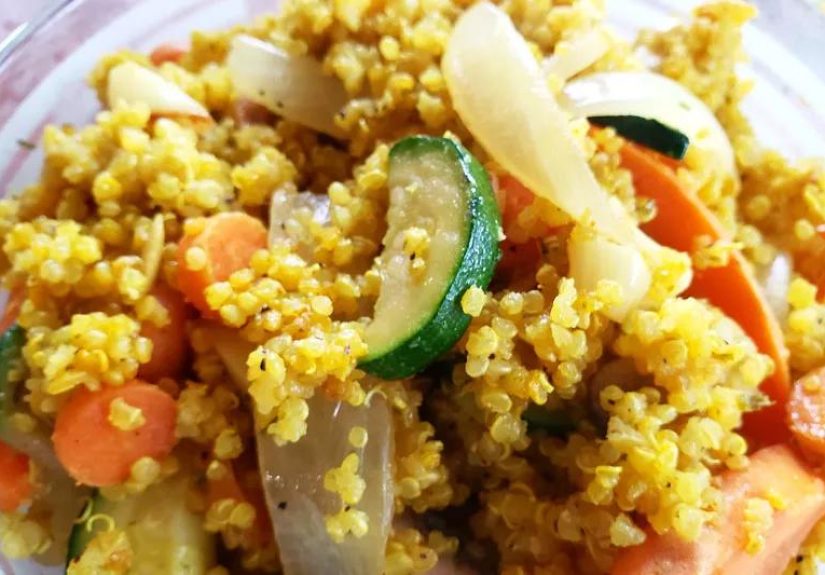
This quinoa and vegetables recipe is simple at its core: fluffy quinoa, tender-crisp vegetables, olive oil, garlic, a squeeze of lemon, and enough seasoning to keep things interesting. But simple does not mean boring. Quite the opposite. When cooked well, quinoa has a light, nutty flavor and a pleasantly fluffy texture that plays beautifully with roasted or sautéed vegetables. Add herbs, a little crunch, maybe a handful of chickpeas or feta, and suddenly you have a meal that tastes like you tried much harder than you actually did.
Even better, this dish fits beautifully into modern healthy eating habits. Quinoa brings whole-grain goodness and satisfying texture, while vegetables add flavor, color, and the kind of “I’m making smart choices” energy that balances out dessert later. Because let’s be realistic: balance is the goal, not sainthood.
Why Quinoa and Vegetables Work So Well Together
There is a reason quinoa vegetable bowls and salads keep showing up everywhere. Quinoa cooks relatively quickly, tastes great warm or cold, and pairs with nearly every vegetable under the sun. Bell peppers, zucchini, broccoli, carrots, spinach, mushrooms, corn, peas, tomatoes, cauliflower, Brussels sproutsyou really have to work hard to make quinoa dislike a vegetable.
Quinoa is especially appealing because it is hearty without feeling heavy. It gives the dish substance, while vegetables keep it fresh and lively. The result is a meal that lands in the sweet spot between comfort food and clean eating. In other words, it feels responsible, but not smug.
Another reason this recipe is so popular is that it can move effortlessly between categories. It can be a main dish, side dish, meal-prep lunch, potluck contribution, picnic salad, or fridge-cleanout miracle. Warm it up for dinner, eat it cold the next day, stuff it into peppers, spoon it into lettuce cups, or top it with an egg. Quinoa and vegetables are not needy. They are team players.
What You Need for the Best Quinoa and Vegetables Recipe
Main Ingredients
- 1 cup quinoa
- 1 3/4 to 2 cups water or vegetable broth
- 2 tablespoons olive oil
- 3 cloves garlic, minced
- 1 small onion, diced
- 1 red bell pepper, chopped
- 1 zucchini, chopped
- 1 cup broccoli florets
- 1 cup carrots, sliced thin
- 1 cup spinach or kale
- Salt and black pepper, to taste
- 1 teaspoon Italian seasoning or dried oregano
- Juice of 1 lemon
- 2 tablespoons chopped parsley or dill
Optional Add-Ins
- Chickpeas or white beans for extra staying power
- Feta or goat cheese for a creamy, tangy finish
- Red pepper flakes for a little heat
- Toasted almonds, walnuts, sunflower seeds, or pepitas for crunch
- Avocado for richness
- A drizzle of tahini, vinaigrette, or yogurt sauce
The beauty of this recipe is that you can use what is in season, what is on sale, or what is lurking in the produce drawer trying to look innocent. It is one of the most practical healthy quinoa recipes because it welcomes substitutions instead of punishing them.
How to Cook Quinoa So It Is Fluffy, Not Sad
If you have ever made quinoa that tasted bitter or turned into a mushy blob, do not worry. You are not cursed. You just need a few small tweaks.
First, rinse the quinoa in a fine-mesh strainer under cool running water. This helps wash away its natural coating, which can give it a bitter or soapy taste. It only takes a minute, and it is absolutely worth it.
Second, use the right amount of liquid. Many cooks like somewhere between 1 3/4 and 2 cups of liquid per 1 cup of quinoa. Water works perfectly well, but vegetable broth adds more flavor. Bring the liquid to a boil, stir in the quinoa, reduce the heat to low, cover, and let it simmer gently until the liquid is absorbed. That usually takes about 15 minutes.
Third, let it rest off the heat for a few minutes before fluffing with a fork. This little pause makes a big difference. Think of it as quinoa’s spa moment.
Step-by-Step: Recipe for Quinoa and Vegetables
1. Cook the quinoa
Rinse the quinoa well. Add it to a saucepan with the water or broth and a small pinch of salt. Bring to a boil, reduce the heat, cover, and simmer until tender and the liquid is absorbed. Remove from the heat, let it stand for 5 minutes, then fluff.
2. Prep the vegetables
While the quinoa cooks, chop the onion, bell pepper, zucchini, broccoli, and carrots into bite-size pieces. Try to keep them fairly uniform so they cook evenly. This is not the moment for giant broccoli trees next to tiny zucchini confetti.
3. Sauté for flavor
Heat the olive oil in a large skillet over medium heat. Add the onion and carrots first, since they need a bit more time. Cook for 3 to 4 minutes, then add the bell pepper, zucchini, and broccoli. Stir often until the vegetables are tender but still have a bit of bite. Add the garlic, salt, pepper, and Italian seasoning during the final minute so the garlic becomes fragrant instead of dramatically burned.
4. Add the greens
Stir in the spinach or kale and cook just until wilted. This step adds color, freshness, and the satisfying feeling that you are definitely eating vegetables on purpose.
5. Combine and finish
Add the cooked quinoa to the skillet and toss everything together. Squeeze in the lemon juice and sprinkle with chopped parsley or dill. Taste and adjust seasoning. Add any extras you like, such as chickpeas, feta, nuts, or red pepper flakes.
6. Serve warm or chilled
Serve immediately as a main dish or side, or let it cool for a make-ahead quinoa vegetable salad. It is one of those rare dishes that behaves beautifully at different temperatures.
Flavor Variations That Keep This Recipe Interesting
One of the best things about a quinoa and vegetables bowl is that it can travel the world without leaving your kitchen.
Mediterranean Style
Add cucumbers, tomatoes, olives, parsley, feta, and a lemony vinaigrette. Suddenly lunch feels much more glamorous.
Roasted Vegetable Version
Instead of sautéing, roast the vegetables at high heat until caramelized. Broccoli, cauliflower, carrots, Brussels sprouts, and red onion become sweeter and deeper in flavor, making the final dish extra satisfying.
Southwest Twist
Mix in black beans, corn, cilantro, lime juice, and a little cumin. Top with avocado and maybe a spoonful of salsa if the mood strikes.
Garlic Herb Comfort Bowl
Keep it simple with garlic, parsley, dill, lemon, and olive oil. This version is fresh, bright, and goes well with grilled chicken, salmon, tofu, or a fried egg.
Asian-Inspired Bowl
Use sesame oil, scallions, edamame, shredded carrots, snap peas, and a splash of soy sauce or tamari. It is fast, flavorful, and very weeknight-friendly.
Tips for Better Texture and Bigger Flavor
Want your vegetable quinoa recipe to taste like something you would happily pay for? These small details help.
- Season in layers. Salt the quinoa lightly and season the vegetables as they cook.
- Do not overcook the vegetables. Mushy vegetables can make the whole dish feel sleepy.
- Use acid at the end. Lemon juice or a splash of vinegar wakes everything up.
- Add contrast. Creamy avocado, crunchy seeds, tangy cheese, or fresh herbs make the bowl more exciting.
- Consider broth instead of water. It gives the quinoa a deeper savory flavor.
Texture matters more than people think. A good quinoa dish should have fluffiness from the grain, tenderness from the vegetables, and one or two little surpriseslike crunch, brightness, or creaminessto keep each bite interesting.
Is Quinoa and Vegetables Good for Meal Prep?
Absolutely. In fact, this recipe might be one of the best meal-prep champions in the kitchen. Quinoa holds up well in the refrigerator, vegetables can be mixed and matched, and the whole dish reheats nicely. Pack it into containers for lunches, keep dressing on the side if you want maximum freshness, and rotate toppings throughout the week so it does not feel repetitive.
You can also batch-cook quinoa and prepare vegetables separately. Then all you have to do is mix different combinations together. One day it is lemon and herbs. The next day it is feta and cucumbers. By Friday, maybe it is chickpeas and tahini because your motivation is low and your standards are flexible. That is okay. The recipe still works.
Storage, Leftovers, and Food Safety
Store leftover quinoa and vegetables in an airtight container in the refrigerator. For best quality, enjoy it within about 3 to 4 days. If you made a big batch and know you will not finish it in time, freezing is a smart move. Reheat until hot, and if you are adding delicate toppings like avocado or herbs, add those fresh right before serving.
This dish is especially handy for lunch because it can be eaten warm, room temperature, or chilled. Just do not let it sit out too long. Delicious lunch should not become an accidental science project.
Serving Ideas for a Complete Meal
This easy quinoa and vegetables recipe can stand on its own, but it also plays well with others.
- Top it with a soft-boiled egg for a quick protein boost.
- Serve it next to grilled salmon or chicken for a heartier dinner.
- Pair it with hummus and pita for a Mediterranean-style plate.
- Stuff it into bell peppers and bake until warmed through.
- Use it as a base for a grain bowl with beans, greens, and sauce.
It is also great for potlucks because it looks colorful, tastes good at room temperature, and usually appeals to a wide range of eaters. Translation: fewer leftovers coming home with you.
Why This Recipe Deserves a Spot in Your Rotation
Some meals ask for a lot. Exotic ingredients. Ten pans. Emotional commitment. This one does not. Quinoa and vegetables give you flavor, nutrition, flexibility, and practicality without demanding a culinary performance.
It is a recipe that meets you where you are. Cooking for one? Great. Feeding a family? Also great. Trying to eat more vegetables? Welcome aboard. Need a reliable side dish? Done. Want a meatless dinner that still feels substantial? Here you go.
Most importantly, it is the kind of food that helps real life run more smoothly. It is healthy without being joyless, easy without being bland, and adaptable without becoming chaotic. That is a rare combination, and one worth hanging onto.
Experiences with Recipe: Quinoa and Vegetables
One of the most enjoyable things about making a quinoa and vegetables recipe is the experience of how forgiving it feels. Unlike dishes that seem eager to judge every tiny mistake, quinoa and vegetables are refreshingly relaxed. Maybe the carrots are sliced a little too thick. Maybe the zucchini is a touch uneven. Maybe you forgot to buy parsley and had to reach for cilantro, basil, or the lonely green onion in the fridge. Somehow, the meal still comes together and tastes like a success. That makes it especially rewarding for beginner cooks and deeply comforting for experienced cooks who are simply tired.
There is also a very specific satisfaction that comes from watching this dish build in layers. First, the quinoa simmers away quietly, doing its fluffy little transformation. Then the vegetables hit the pan and start to soften, brighten, and release that irresistible aroma of garlic and olive oil. Add lemon at the end and the whole kitchen suddenly smells like someone responsible lives there. It is the kind of recipe that creates a pleasant cooking experience, not just a finished plate.
For many people, quinoa and vegetables become a gateway recipe. It is often the meal that helps someone realize healthy food does not have to be bland, expensive, or weirdly punishing. You start with a basic bowl, then get curious. What if I roast the broccoli next time? What if I add chickpeas? What if I top it with feta, or a fried egg, or toasted almonds? Before long, the recipe becomes less of a fixed formula and more of a cooking habit. That is where the real magic happens.
It is also a dish strongly tied to everyday life. People make it after grocery runs when the produce drawer is full and optimism is high. They make it midweek when energy is low but takeout feels unnecessary. They pack it for lunches, bring it to work, eat it cold between meetings, and feel quietly pleased that lunch did not come from a vending machine or a sad drive-thru bag. It fits into ordinary routines in a way that makes healthy eating feel realistic instead of theatrical.
Another part of the experience is how this recipe changes with the seasons. In summer, it can be light and fresh with tomatoes, cucumbers, herbs, and lemon. In fall, it gets cozier with roasted carrots, Brussels sprouts, and squash. In winter, mushrooms, kale, and onions turn it into something warmer and deeper. In spring, asparagus, peas, and dill make it taste bright again. So even though it is technically one recipe, it never really feels like the same meal forever.
And then there is the emotional side: quinoa and vegetables often feel like a reset meal. Not in a punishing “I was bad, now I must atone with salad” sort of way, but in a kind, practical way. It is the meal people make after a weekend of heavy food, after travel, after holidays, or after one too many random snacks passed off as dinner. It helps restore a sense of order. It says, “We are back in the groove. We have vegetables. We are doing fine.”
That may be the greatest strength of this recipe. It is not trying to be flashy. It is trying to be useful, delicious, and repeatable. And in real kitchens, that kind of recipe often ends up becoming the one people love most.
Conclusion
If you need a meal that is flexible, flavorful, and genuinely practical, Recipe: Quinoa and Vegetables deserves a permanent spot on your list. It works as a quick dinner, a satisfying lunch, a colorful side, or a clever way to use up produce before it turns into a refrigerator guilt trip. Keep the base simple, season it well, and let the vegetables do what they do best: bring color, texture, and freshness to every bite. Once you make it your own, this recipe stops being just another healthy idea and becomes part of your real-life kitchen routine.