Table of Contents >> Show >> Hide
- The Short Answer: Probably Not, But Timing Matters
- Why Fall Is Often a Great Time to Plant Perennials
- How Late Is Too Late to Plant Perennials in Fall?
- Which Perennials Are Good Candidates for Fall Planting?
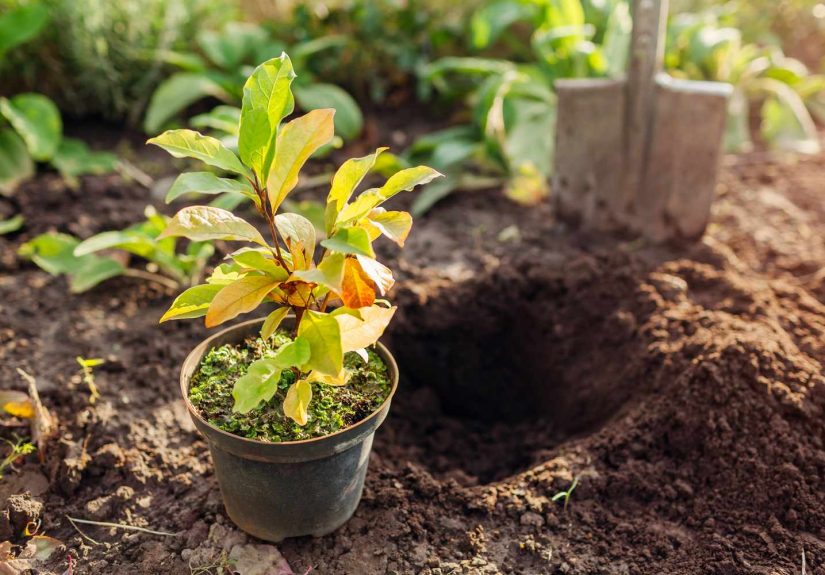
- How to Plant Perennials in Fall So They Actually Survive
- When You Should Definitely Wait Until Spring
- Common Mistakes That Make Fall Planting Fail
- Final Verdict: Is It Too Late to Plant Perennials This Fall?
- Real-World Fall Planting Experiences Gardeners Know All Too Well
Every fall, gardeners everywhere have the same mini identity crisis: Should I be planting, or should I be cleaning up and pretending I’ll be more organized next year? If you’ve got a cart full of perennials, a few empty spots in the border, and one eye on the weather forecast, here’s the good news: it is not automatically too late to plant perennials in fall.
In fact, fall can be one of the best times to plant many hardy perennials. The air is cooler, the soil is still relatively warm, and plants can focus less on pushing top growth and more on getting their roots settled in. That said, there is a line between “great timing” and “this poor plant never stood a chance.” The trick is knowing where that line is in your region.
This guide breaks down exactly when fall planting still makes sense, when you should wait until spring, which perennials are good candidates, and how to give new plants the best shot at surviving winter without drama. Because the goal is a thriving garden, not a springtime mystery scene.
The Short Answer: Probably Not, But Timing Matters
If you’re wondering, “Is it too late to plant perennials this fall?” the most honest answer is: probably not, as long as the ground is still workable and your plants have enough time to establish roots before the soil freezes hard.
The first frost is not the magical off switch many gardeners think it is. A light frost may zap tender annuals and blacken basil into emotional damage, but many perennial roots can keep growing in cool soil long after the air turns crisp. What really matters is whether your newly planted perennials have a window to settle in before repeated freeze-thaw cycles and frozen ground put them under stress.
A solid rule of thumb is to plant about four to six weeks before the ground freezes. In many areas, gardeners use the average first frost date as a planning marker, but soil conditions matter more than a number on the calendar. If the soil is still workable, not frozen, and not waterlogged, you may still have time.
Why Fall Is Often a Great Time to Plant Perennials
Cooler air means less stress on the plant
Spring planting gets all the glory, but it can be surprisingly rough on new perennials. One minute the ground is cold and soggy, and the next minute summer shows up like it owns the place. In fall, temperatures usually ease downward instead of lurching upward. That gives plants a gentler transition and reduces stress from heat and rapid evaporation.
Warm soil still encourages root growth
Even when the air feels chilly, the soil often holds warmth well into fall. That warmth is a gift. Instead of spending energy on flowers, lush new leaves, and top growth, a perennial planted in fall can focus on rooting in. And a stronger root system going into winter usually means a stronger plant coming out of it in spring.
Rain can help, though it is not a free pass
Fall often brings steadier moisture in many parts of the United States. That can reduce watering chores, but don’t interpret that as permission to ignore new plants. Recently planted perennials still need consistent moisture until the ground begins to freeze. “It rained once” is not a watering plan.
You can actually see what your garden needs
Another underrated advantage of fall planting: your garden is telling you the truth. In spring, everything looks full of promise. In fall, the weak spots are obvious. Maybe the border needs more late-season color. Maybe that one corner is still embarrassingly bare. Maybe you finally admitted that the “cute little spacing” you planned in April became a plant traffic jam by August. Fall is a fantastic time to correct those mistakes.
How Late Is Too Late to Plant Perennials in Fall?
Here’s the simplest way to judge it: if the soil is still workable and you likely have at least a month or so before it freezes solid, you may still be okay. If the ground is already cold, crusted, or repeatedly freezing and thawing, your window is closing fast.
Signs you can still plant
Your timing is likely still decent if:
the soil is not frozen, you can dig without using language your neighbors should not hear, daytime temperatures are cool but not severe, and your area is still a few weeks away from hard winter conditions.
Signs you should wait until spring
It is probably too late if:
the ground is freezing at night and staying frozen during the day, the plant is already struggling in its nursery pot, you are planting a tender or borderline-hardy perennial, or you’re basically racing an incoming deep freeze. That is not gardening. That is gambling with compostable stakes.
Your climate changes everything
Gardeners in colder northern regions usually need to wrap up perennial planting earlier than gardeners in milder parts of the South or Pacific Coast. In a cold climate, late October might be pushing it. In a milder climate, November may still be workable for some hardy plants. That’s why local frost dates and real soil conditions matter more than broad national advice.
Which Perennials Are Good Candidates for Fall Planting?
Not every perennial reacts the same way to fall planting. Some settle in beautifully. Others would strongly prefer not to be rushed into winter.
Usually good choices for fall planting
Hardy, reliable perennials are often your safest bet. Plants such as hosta, daylily, peony, bearded iris, creeping phlox, Siberian iris, and many garden phlox types are commonly planted or divided in late summer to early fall, depending on region. These plants generally appreciate having time to establish roots before spring growth begins.
If you are adding classic border perennials and the plants are healthy, container-grown, and suited to your hardiness zone, fall can work very well.
Perennials that deserve caution
Some plants are riskier choices in late fall, especially in colder climates. Garden mums are the classic example. They show up in stores looking fabulous just as the season is winding down, which makes gardeners do optimistic math. The problem is that many mums planted too late do not have enough time to establish before winter.
The same caution applies to tender perennials or anything only marginally hardy in your zone, such as dahlias, cannas, caladiums, and similar warm-climate favorites. These are not good candidates for a last-minute fall planting in cold-winter areas.
As a general rule, spring-blooming perennials are often better candidates for fall planting or division, while late-summer and fall-blooming perennials are often safer to divide or plant in spring. That is not a law of nature, but it is a very helpful pattern.
How to Plant Perennials in Fall So They Actually Survive
1. Start with healthy plants
Choose perennials with firm crowns, healthy roots, and no obvious signs of stress, rot, or disease. A discounted plant that already looks like it has seen things may not be the bargain you think it is.
2. Plant at the right depth
Set the plant so the crown sits at or slightly above the surrounding soil level, depending on the species. Planting too deep can trap moisture around the crown. Planting too high can expose roots to winter damage. In other words, avoid improvising.
3. Improve the soil, but don’t overdo it
Most perennials prefer well-drained soil with decent organic matter. If your soil is compacted or poor, mix in compost to improve structure. But this is not the moment to dump in a heroic amount of fertilizer. Fall is for root establishment, not a nitrogen-fueled leaf party.
4. Water deeply after planting
Yes, even in fall. Water thoroughly right after planting, then continue to monitor moisture. New perennials should not dry out while they are trying to establish. Keep the soil evenly moist, not soggy. If rainfall is inconsistent, supplement it.
5. Mulch at the right time
A 2- to 3-inch layer of mulch can help regulate soil temperature, conserve moisture, and reduce winter heaving. The timing matters, though. In many climates, it is best to mulch in late fall after the soil has cooled, rather than immediately after planting when you still want the ground to hold warmth. Keep mulch away from stems and crowns so you don’t invite rot.
6. Mark where things are
This sounds obvious until winter arrives and your herbaceous perennials disappear completely. Label them, map them, or place markers. Future You will be extremely grateful when spring cleanup begins and you are not accidentally digging up your new plants because you forgot where they went.
When You Should Definitely Wait Until Spring
Sometimes the smartest gardening move is restraint. Painful, annoying restraint, but restraint nonetheless.
Wait until spring if you are dealing with a perennial that is not reliably hardy in your zone, if the plant is blooming heavily and already stressed, if your soil is wet and cold for long stretches, or if winter weather is about to arrive before roots have any chance to establish. Spring is also the better option if you are planting late-season bloomers that typically perform better when planted earlier in the year.
And if you are standing in a coat, holding a nursery pot, while the ground feels like refrigerated brick, the answer is yes. It’s too late.
Common Mistakes That Make Fall Planting Fail
Waiting too long because the weather seems “still nice”
A warm weekend in late fall can be misleading. Soil conditions and the forecast over the next few weeks matter more than one sunny afternoon.
Assuming cool weather means no watering
New roots need moisture. Fall-planted perennials often fail from dryness, not cold alone.
Planting tender perennials as if they were fully hardy
Not every perennial sold in fall is a good candidate for overwintering in every region.
Using too much mulch too soon
Mulch is helpful, but piling it on too early or too tightly around crowns can create moisture problems.
Ignoring drainage
Cold, wet soil is often harder on perennials than cold alone. If water sits there in winter, roots may not make it.
Final Verdict: Is It Too Late to Plant Perennials This Fall?
Usually, no. It is not too late to plant perennials in fall just because mornings are chilly or the leaves are dropping. For many hardy perennials, fall is an excellent planting season. The real question is whether your plants still have enough time to root in before the ground freezes and whether you are choosing the right plants for your climate.
If you can plant while the soil is still workable, keep the roots consistently moist, and protect the planting properly with late-season mulch, your perennials may head into winter in surprisingly good shape. If the forecast says deep freeze, the soil is already turning stubborn, or the plant is only marginally hardy where you live, save yourself the disappointment and wait until spring.
Gardening rewards optimism, but it loves good timing even more. Fall planting works beautifully when you respect the window. Miss it by too much, and your perennial may spend winter auditioning for a cautionary tale.
Real-World Fall Planting Experiences Gardeners Know All Too Well
Ask a handful of gardeners whether fall is too late to plant perennials, and you’ll hear the same pattern over and over: the calendar mattered less than they expected, and the conditions mattered more. One gardener plants hostas and daylilies in early October, waters them well, adds mulch later in the season, and gets a gorgeous flush of growth in spring. Another waits until the week before Thanksgiving because the weather feels weirdly mild, tucks a few mums into the front bed, and then spends March staring at empty spots like the garden owes an explanation.
That’s the thing about fall planting. When it works, it can feel almost magical. The air is comfortable, mosquitoes have finally reduced their personal vendetta, and garden centers are full of tempting markdowns. You can actually see your landscape clearly. Maybe your summer bed needs structure. Maybe the walkway border fizzled out by September. Maybe you realized that the “low-maintenance” planting you made in spring was only low-maintenance in the sense that it gave up quickly. Fall is the season when gardeners make smarter, more honest decisions because the garden is no longer selling dreams. It’s showing receipts.
Many gardeners also learn that success often comes down to discipline after planting, not excitement during planting. Buying the perennial is fun. Digging the hole is satisfying. Watering it consistently for the next few weeks when the weather is cooler and life is busy? That is where the grown-up gardening happens. People often remember the year they lost plants and say things like, “I thought the rain would be enough,” or, “I figured cold weather meant it didn’t need much.” Then the next year, they water carefully, mulch correctly, and suddenly they are convinced they have unlocked some secret garden code. In reality, they just stopped ghosting their new plants.
Another common experience is learning that not all fall purchases are equally wise. Gardeners see gorgeous blooming mums, asters, or late-season sale perennials at the nursery and understandably assume that if a store is selling them now, planting them now must be fine. Sometimes it is. Sometimes it is a trap with petals. Plenty of gardeners have learned the hard way that a stunning plant in a decorative pot is not the same thing as a well-timed landscape addition. A plant can look fantastic above ground and still be a poor bet for overwintering if it goes into cold soil too late.
Then there are the gardeners who become loyal fall planters for life. These are the people who swear that planting in autumn is easier, calmer, and far less chaotic than spring. They love working without summer heat, appreciate that weeds are usually less aggressive, and enjoy the way fall planting sets up an almost smug spring garden. Their perennials wake up with roots already established, and the beds look fuller sooner. For them, fall planting is not a backup plan. It is the plan.
The most useful lesson from real-world experience is simple: successful fall planting is rarely about luck. It is about choosing hardy plants, respecting your local timing, watering well, and not confusing a bargain bin with a blessing. When gardeners say fall planting “worked” or “failed,” the difference is usually hidden underground in the roots, long before spring reveals the result.