Table of Contents >> Show >> Hide
- Why Golden Retrievers Seem Built for the Spotlight
- What “The Next Air Bud” Really Means in Real Life
- How to Start Training Your Golden Like a Canine Star
- Best Activities for Golden Retrievers With Air Bud Energy
- Health Comes Before Hype
- Could Your Dog Do Real Camera or Performance Work?
- Common Mistakes Owners Make
- The Real Secret to Raising an “Air Bud” Dog
- Golden Retriever Owner Experiences: What the Journey Feels Like in Real Life
- Conclusion
If you share your home with a Golden Retriever, you already know one thing: your dog behaves like the main character. He enters a room with a tennis ball, a grin, and the energy of someone who just heard the word “snack” whispered from three counties away. So when people joke that their Golden could be the next Air Bud, it does not sound entirely ridiculous. Honestly, it sounds a little… plausible.
There is a reason Golden Retrievers stay near the top of America’s most beloved breeds. They are smart, eager to please, athletic, social, and usually more than willing to turn everyday life into a performance. One minute they are gently carrying a shoe without damaging it, and the next they are launching off the couch like an overcaffeinated sports mascot. That combination of trainability and enthusiasm is exactly why so many Goldens thrive in obedience, agility, retrieving games, service work, therapy settings, and, yes, camera-friendly trick routines.
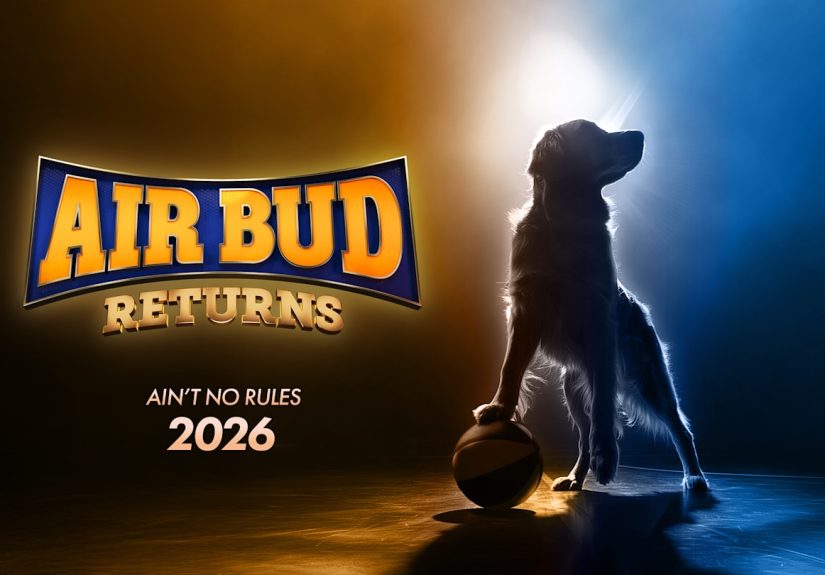
But becoming the “next Air Bud” is not really about teaching your dog to sink three-pointers while inspirational music plays. It is about helping your Golden develop confidence, focus, fitness, and joy. The real magic is not fame. It is discovering just how much your dog can do when you train with patience, consistency, and a sense of humor.
Why Golden Retrievers Seem Built for the Spotlight
Golden Retrievers have a reputation for being all heart, and that reputation is well earned. They are affectionate family dogs, but they are also serious workers. The breed was developed to retrieve game, which helps explain three traits owners notice quickly: a love of carrying things, a willingness to work closely with humans, and a body that usually says, “Sure, let’s do one more round.” Or twelve more rounds.
They are highly trainable
Goldens often learn quickly because they enjoy cooperation. Many respond beautifully to positive reinforcement, clear cues, and short, upbeat training sessions. That does not mean they arrive fully assembled like a genius in a fur coat. It means they are often motivated to figure out what you want and repeat it when the outcome is rewarding. Treats help. Praise helps. A favorite toy helps. Being told they are the best creature in the Western Hemisphere also seems to help.
They are athletic without being all chaos
Golden Retrievers usually have the physical tools for performance activities: stamina, coordination, balance, and enthusiasm for movement. They often enjoy fetch, swimming, basic retrieving drills, agility foundations, trick work, rally, and other sports that combine exercise with teamwork. This makes them especially fun for owners who want a dog that can do more than nap decoratively on a rug.
They connect with people
A dog that works well in public, on camera, or in structured activities usually needs more than raw intelligence. The dog needs emotional steadiness and a desire to engage. Goldens often shine here. Many are naturally people-oriented, which can make them excellent students when training is fair, predictable, and rewarding. That relationship piece is what separates a dog who can do a trick from a dog who can do it happily, reliably, and with sparkle.
What “The Next Air Bud” Really Means in Real Life
Let us be honest: most Goldens are not heading to Hollywood. They are more likely to star in a family group chat, a neighborhood park reel, or an annual holiday card where they look better than every human in the photo. But the spirit of Air Bud still matters because it captures something owners love: the idea that a dog can be both lovable and surprisingly talented.
For one Golden, “Air Bud potential” may look like mastering a polished retrieve and earning a Trick Dog title. For another, it might mean learning to weave through cones, jump low obstacles, and fly through an agility tunnel like it just found purpose. Another Golden may light up in dock diving, rally, field work, or therapy visits. The point is not to force every dog into the same mold. The point is to notice what your dog enjoys and build from there.
That is where smart owners get it right. Instead of asking, “How do I make my dog famous?” they ask, “What kind of work makes my dog come alive?” That question leads to better training, better welfare, and a much happier dog.
How to Start Training Your Golden Like a Canine Star
Begin with the boring basics
Yes, basic manners are less glamorous than a slam-dunk montage. They are also the foundation of everything. Sit, down, stay, come, loose-leash walking, polite greetings, and settling on cue are not “extra” skills. They are the structure that makes advanced work possible. A Golden who can focus in a distracting environment is already halfway to looking impressive.
Keep training short and upbeat
Most dogs learn best in sessions that feel like a game, not a tax audit. Five to ten minutes of focused practice can be far more effective than one long session that leaves your dog mentally fried and looking at you like you have betrayed the friendship. End while your dog still wants more. That keeps enthusiasm high and makes the next session easier.
Use positive reinforcement
Reward the behavior you want. Mark it clearly. Repeat it often. Positive reinforcement is especially useful for Goldens because many of them are sensitive, social dogs who thrive when learning feels safe and fun. Harsh handling may shut down the very qualities you want most: confidence, animation, and willingness to try again.
Prioritize socialization and exposure
If your dream is a Golden who can perform in public, pose for photos, or work around distractions, early exposure matters. Puppies and young dogs benefit from safe, structured experiences with surfaces, sounds, people, environments, and handling. A future “star” is not just a dog who knows tricks. It is a dog who can think while the world is being noisy, weird, and very interested in them.
Build body awareness
A lot of impressive dog work depends on physical control. Teach pivots, backing up, stepping onto platforms, nose targeting, holding positions, and calm stationary poses. These exercises improve coordination and focus. They also make your Golden look strangely professional, which is deeply amusing when you remember he still steals socks.
Best Activities for Golden Retrievers With Air Bud Energy
Trick training
Perfect for expressive dogs and creative owners. Spin, wave, bow, carry a basket, put toys away, grab a named object, close a drawer, or pose with a basketball. Trick training builds communication fast and gives you endless material for photos and videos.
Rally and obedience
These sports turn teamwork into a polished skill set. Rally is especially friendly for beginners because it combines obedience behaviors with movement and flow. It is ideal for Goldens who enjoy working closely with their people.
Agility and movement games
Many Goldens love running, turning, climbing, and powering through an obstacle sequence. Start with foundations and safe equipment, especially while your dog is still growing. Speed is fun, but control matters more than chaos with fur.
Retrieving and field-style games
This is where the breed’s original purpose can really shine. Retrieving drills, scent-based finds, and field-style exercises can tap into natural instincts in a satisfying way. For some Goldens, this kind of work is pure joy. They do not just like it. They light up.
Therapy, service, or community work
Not every star needs a stage. Some Goldens are best when their talent helps people directly. The breed is widely admired for roles that require steadiness, friendliness, and trainability. A dog that can calmly focus, recover from distractions, and enjoy structured interaction may be suited for meaningful work that matters far beyond applause.
Health Comes Before Hype
Before you chase titles, tricks, or viral clips, protect the dog doing the work. A healthy Golden performs better, learns better, and enjoys life more. That means routine veterinary care, appropriate exercise, and close attention to weight and body condition. Extra pounds are not a cute side effect of being “well loved.” They can make movement harder and increase the strain on joints.
Golden owners should also understand that the breed has some important health considerations. Reputable breeders typically screen parent dogs for issues involving hips, elbows, eyes, and the heart. Long-term research on Golden Retrievers has also helped scientists study cancer and other health risks in the breed. None of this means you should panic every time your dog sighs dramatically on the floor. It does mean being proactive is part of loving the breed well.
If your Golden is doing sport or performance work, conditioning matters too. Warm-ups, sensible progression, non-slip surfaces, rest days, and age-appropriate training all help. Young dogs do not need to train like professional athletes, and senior dogs should not be treated like retired furniture. Many older Goldens still thrive when exercise and skill work are adapted thoughtfully.
Could Your Dog Do Real Camera or Performance Work?
Possibly, but the skill set is bigger than “knows cute tricks.” Dogs used in professional entertainment settings need calm behavior around lights, equipment, people, repeated takes, and unpredictable environments. They also need handlers and trainers who understand welfare, pacing, and legal requirements. In the United States, public performances and screen appearances involving animals can fall under exhibitor rules and animal welfare regulations. In other words, the adorable side of dog entertainment should still come with serious standards behind the scenes.
For most owners, a healthier goal is not movie stardom. It is preparing your Golden to be comfortable, responsive, and happy in structured situations. That might lead to community demos, fun competitions, therapy visits, social media content, or just a dog who can balance a toy on his head while making eye contact like he knows exactly how cute he is.
Common Mistakes Owners Make
Confusing excitement with readiness
A wildly enthusiastic Golden is fun. A wildly enthusiastic Golden who cannot hold position for two seconds is not ready for advanced work. Excitement is useful only when it is channeled.
Skipping foundations
Owners often rush to flashy tricks and then wonder why the dog falls apart in new places. Confidence, impulse control, and basic cue fluency are what make flashy work reliable.
Training too hard, too soon
More is not always better. Repetition without clarity creates frustration. Progress without recovery creates burnout. Your dog is not auditioning for an action franchise tomorrow morning.
Ignoring the dog’s preferences
Some Goldens love retrieving. Some love trick work. Some would rather carry a stuffed duck around the house and judge your choices. Pay attention to what brings out focus and joy. The best training plan fits the dog in front of you.
The Real Secret to Raising an “Air Bud” Dog
The truth is surprisingly simple: the next Air Bud is not necessarily the dog with the most dramatic talent. It is the dog whose owner notices potential and then nurtures it kindly. It is the dog who is healthy enough to work, confident enough to try, and connected enough to enjoy learning with a person they trust.
That kind of dog is not built in one weekend. It is built in tiny moments. One clean sit. One brave new surface. One retrieve brought back with pride. One calm stay while life gets noisy. One lesson where your Golden realizes that paying attention to you is the best game in town.
And maybe that is why Golden Retriever owners keep dreaming big. Because every once in a while, your lovable goofball does something unexpectedly polished, athletic, or brilliant, and for a split second you think, “Wait a minute. This dog actually has range.”
He may never appear on a movie poster. He may never dribble a basketball. But if he learns joyfully, moves confidently, and works with heart, he is already starring in the only story that really matters: the one you are building together.
Golden Retriever Owner Experiences: What the Journey Feels Like in Real Life
One of the most relatable parts of living with a Golden Retriever is how quickly ordinary life turns into a training story. Owners often begin with a very small goal. Maybe they want their dog to stop dragging them toward every human like an overly friendly parade float. Maybe they want a better recall at the park. Maybe they just want one family photo where the dog is not a golden blur. Then something surprising happens: the dog starts learning fast, the owner starts getting hooked, and suddenly a basic manners project turns into a full-blown hobby.
Many Golden owners describe the first “wow” moment the same way. It is not huge. It is not cinematic. It is usually something like this: the dog holds a stay while a toy rolls by, brings a dumbbell back neatly, climbs onto a platform with confidence, or nails a cue in a busy environment. That moment changes everything. It is when the owner stops seeing the dog as merely sweet and starts seeing the dog as capable.
There is also a very specific Golden Retriever experience that deserves respect: the emotional whiplash of training a brilliant dog who is occasionally distracted by a leaf. Owners learn quickly that Goldens can be both talented and ridiculous. One day your dog looks like a future star. The next day he forgets why he walked into the yard because a bird existed. Strangely, that unpredictability makes the journey more fun, not less. It keeps people laughing, and laughter is good for long-term consistency.
Another common experience is the way training deepens the relationship. Owners who start doing rally, trick work, retrieving games, or agility foundations often say their dog becomes easier to live with at home. The dog seems more settled, more engaged, and less likely to invent personal entertainment involving couch cushions. That makes sense. A Golden with a job, even a fun little amateur job, often carries himself differently. He looks satisfied. He knows how to win.
Owners also talk about the pride that comes from shared effort. Not perfection. Shared effort. A Golden who learns to pose for photos, ignore distractions, or complete a beginner course is not just showing off his own talent. He is showing the teamwork behind it. Every polished behavior usually reflects repetition, patience, rewards, mistakes, and starting over. That is why even small milestones feel big.
And then there is the social side. Golden Retrievers attract attention almost everywhere they go, and once a dog starts showing skill, that attention multiplies. Friends ask for demos. Neighbors want to know how you taught that trick. Family members suddenly become extremely invested in whether the dog can carry groceries, ring a bell, or put toys in a basket. A Golden with training becomes community entertainment in the best possible way.
In the end, the “next Air Bud” feeling is less about celebrity and more about discovery. Owners discover that their dog is more athletic, more expressive, and more thoughtful than they realized. Dogs discover that learning is rewarding and life with their person is full of games they can win. That is the real experience behind the dream. Not Hollywood. Not hype. Just one joyful Golden Retriever, one committed owner, and a lot of moments that make you say, “Okay, that was honestly pretty amazing.”
Conclusion
If you own a Golden Retriever, you do not need a movie contract to find out whether your dog has Air Bud energy. You just need curiosity, consistency, and a willingness to train the dog you have instead of the fantasy dog in your head. Goldens are often wonderfully suited for tricks, sports, retrieving work, therapy tasks, and polished family-friendly fun. Start with foundations, protect your dog’s health, reward generously, and pay attention to what makes your dog light up. The result may not be a Hollywood ending, but it can absolutely be a star performance in real life.