Table of Contents >> Show >> Hide
- The Short Answer: Avocado Is (Botanically) a Fruit
- Why So Many People Think Avocado Is a Vegetable
- Avocado Nutrition: A Fruit That Acts Like a Healthy Fat
- Fruit vs. Vegetable: The Two Ways We Classify Foods
- How Avocado’s Identity Affects Your Plate
- Fun Facts About Avocados
- So… What Should You Actually Call It?
- Everyday Experiences with the Great Avocado Debate
- Conclusion: The Final Verdict on Avocado’s Identity
If you’ve ever stared at an avocado in the produce aisle wondering where it truly belongs in life, you’re not alone. It hangs out with the vegetables, tastes great with salt and lime, and never shows up in a fruit salad next to watermelon and grapes. So… is avocado a fruit or a vegetable?
Short spoiler: botanically, avocado is absolutely a fruit – in fact, it’s a type of berry. But in the kitchen, it behaves like a vegetable and a source of healthy fat all at once. Let’s unpack this tasty identity crisis.
The Short Answer: Avocado Is (Botanically) a Fruit
In botany, the definition of a fruit is pretty straightforward: it’s the mature ovary of a flowering plant that usually contains seeds. Vegetables, on the other hand, are the other edible parts of plants – roots, stems, leaves, and sometimes flower buds.
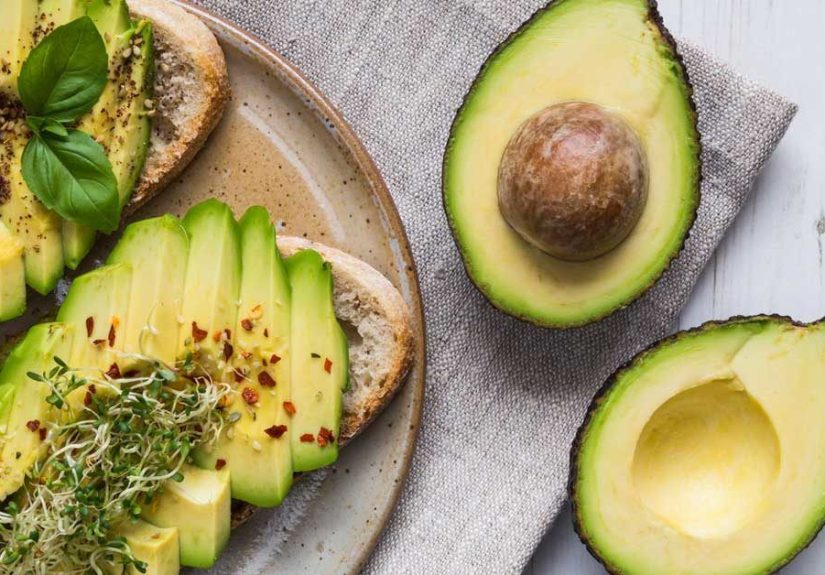
By that definition, avocado fits squarely into the “fruit” category. It develops from the flower of the Persea americana tree and encloses a single large seed. Botanists classify it as a fleshy fruit – more specifically, a single-seeded berry with a soft, creamy interior and a thin outer skin.
So while your taste buds might insist avocado is more like a savory vegetable, plant scientists are very clear: avocado is a fruit, full stop.
Wait… a Berry?
Yes, the plot thickens: avocado is technically a berry. In plant science, a berry is a fleshy fruit that develops from a single ovary and typically contains one or more seeds embedded in the flesh. Tomatoes, grapes, and even bananas fall into this “berry” bucket. Avocados are considered a single-seeded berry because that big stone in the middle is its seed, surrounded by all that luscious flesh.
So when someone says, “I don’t like berries,” but eats avocado toast every morning, you’re officially allowed to raise an eyebrow.
Why So Many People Think Avocado Is a Vegetable
If avocado is a fruit, why does it get invited to the veggie party instead of the fruit bowl?
1. Its Flavor Is Savory, Not Sweet
Most fruits are associated with sweetness: apples, oranges, mangoes, berries. Avocado is different. Its flavor is mild, earthy, and buttery. You’re far more likely to mash it with salt, lime, and onions to make guacamole than drizzle it with honey and serve it on a dessert tray (though dessert avocado recipes absolutely exist).
This savory personality is a big reason our brains file avocado next to tomatoes, cucumbers, and bell peppers – all fruits by botanical standards, but treated like vegetables in the kitchen.
2. How We Use It in Cooking
Think about where avocado shows up:
- In salads alongside lettuce, tomatoes, and cucumbers
- In savory dishes like tacos, sushi rolls, grain bowls, and sandwiches
- Mashed into guacamole, a classic dip usually grouped with salsas and bean dips
Because avocado usually appears in “vegetable-style” dishes, most people instinctively call it a vegetable. Even some nutrition articles play along with this confusion, highlighting avocado as a “vegetable-like” food while still admitting it is, strictly speaking, a fruit.
3. Grocery Store Psychology
Go to almost any supermarket and you’ll find avocados stacked near tomatoes, onions, and garlic, not nestled between apples and oranges. Placement matters: the produce layout quietly teaches us how to categorize foods. So shoppers see avocado next to vegetables, use it like a vegetable, and start calling it a vegetable.
But no matter where the store shelves it, the botanical truth doesn’t change: avocado is a fruit that hangs out in the veggie section because it prefers savory company.
Avocado Nutrition: A Fruit That Acts Like a Healthy Fat
Here’s another twist: nutritionally, avocados don’t behave like most fruits either.
Most fruits are relatively low in fat and calories and high in natural sugars. Avocado flips that script. About half of a medium avocado (around 100 grams) typically provides roughly:
- ~160 calories
- ~14–15 grams of fat (mostly heart-healthy monounsaturated fats)
- ~2 grams of protein
- ~8–9 grams of carbohydrates, with a good portion as fiber
Avocados are rich in nutrients like potassium, folate, vitamin K, vitamin E, and vitamin C. They’re also packed with fiber – often around 6–7 grams per half fruit, depending on size. That makes avocado one of the more fiber-dense fruits you can add to your plate.
Why Dietitians Love Avocados
Because avocados are high in monounsaturated fat and fiber, they’ve earned a reputation as a heart-friendly food. Replacing saturated fat (like butter or fatty meats) with avocado can help support healthier cholesterol levels. The combination of fat and fiber also keeps you feeling fuller longer, which can be helpful for weight management when you’re mindful about portion sizes.
The fiber in avocado supports gut health, feeding beneficial gut bacteria and helping maintain regular digestion. That’s one reason avocados often appear on lists of foods that support digestive health and balanced blood sugar.
So nutritionally, avocado behaves less like a sugary fruit and more like a plant-based fat – in the same general category as olives, nuts, and seeds, but technically still a fruit.
Fruit vs. Vegetable: The Two Ways We Classify Foods
A big part of the confusion comes from the fact that “fruit” and “vegetable” have two different meanings depending on who is talking: botanists or cooks.
Botanical Definition
- Fruit: The mature ovary of a flowering plant, usually with seeds.
- Vegetable: Edible plant parts that are not fruits – such as roots (carrots), stems (celery), leaves (spinach), or flower buds (broccoli).
By this definition, avocado is clearly a fruit, just like tomatoes, eggplants, and peppers.
Culinary Definition
Chefs and home cooks tend to think in terms of flavor and usage:
- Fruits: Usually sweet or tart, eaten as snacks or desserts, or blended into smoothies and juices.
- Vegetables: Usually savory, eaten as side dishes, mains, or in salads, soups, and stews.
Under this practical kitchen definition, avocado behaves more like a vegetable. It’s mostly used in savory dishes, pairs beautifully with salty, spicy, and tangy flavors, and often replaces animal fats in recipes.
So when someone says, “From a cooking standpoint, avocado is basically a vegetable,” they’re not totally wrong – as long as they add, “but botanically, it’s a fruit.”
How Avocado’s Identity Affects Your Plate
Cooking and Recipe Ideas
Knowing that avocado is a fruit doesn’t change how you cook with it, but it can inspire you to use it in more creative ways:
- Classic savory uses: Guacamole, avocado toast, taco toppings, salads, poke bowls, sushi rolls, burgers, and grain bowls.
- Creamy swaps: Use mashed avocado instead of mayonnaise on sandwiches or as a base for creamy dressings.
- Unexpected “fruit” uses: Blend avocado into smoothies for extra creaminess, make avocado chocolate pudding, or use it in baked goods in place of some butter.
Avocado’s neutral flavor and rich texture make it incredibly versatile, whether you treat it like a savory vegetable or a creamy fruit.
Nutrition Label Perspective
In dietary guidelines and nutrition education, avocados often get their own special category because they’re so rich in healthy fats. Some resources group avocado with other “oils” or “healthy fats,” even while acknowledging that it’s technically a fruit. The takeaway is simple: it’s a nutrient-dense plant food that can support heart and gut health when enjoyed as part of a balanced diet.
Fun Facts About Avocados
- Avocados are native to Mexico and parts of Central and South America and have been eaten for thousands of years.
- Their botanical name is Persea americana, and they belong to the laurel family – the same family that includes bay leaves and cinnamon.
- Avocados don’t ripen fully on the tree; they soften after being harvested.
- They can take many months, even up to a year, to mature on the tree before they’re ready to pick.
- Different varieties exist, but the Hass avocado – the small, bumpy, dark-skinned one – is the most common in many supermarkets.
None of these facts change its classification, but they do make the humble avocado even more interesting than the average “what’s for dinner” ingredient.
So… What Should You Actually Call It?
Here’s the easiest way to settle the debate in everyday life:
- Talking science or writing an article: Call it what it is: a fruit, specifically a single-seeded berry.
- Talking about cooking: You can say it’s used like a vegetable or like a savory fruit that doubles as a healthy fat.
- At the grocery store: It’s perfectly fine to say, “I’m going to grab some avocados from the produce section.” The produce team knows exactly what you mean, whether they think of it as a fruit, vegetable, or emotional support snack.
In other words: scientifically, avocado is a fruit. Culturally and culinarily, it often plays the role of a vegetable. Nutritionally, it acts like a heart-loving, gut-friendly healthy fat. It’s a multitasker – and that’s part of its charm.
Everyday Experiences with the Great Avocado Debate
Beyond science and nutrition, the question “Is avocado a fruit or a vegetable?” shows up in plenty of real-life moments – sometimes serious, sometimes just for fun.
The Grocery Aisle Argument
Imagine two friends shopping together. One tosses avocados into the cart and says, “We need more vegetables this week.” The other stops, pulls out their phone, and proudly reads, “Actually, avocados are a fruit.” Suddenly the cart is parked in the middle of the aisle while they debate whether tomatoes, cucumbers, and peppers are also fruits, and nearby shoppers quietly reconsider their entire understanding of salad.
That’s the avocado effect: it sneaks into everyday conversations and turns a simple shopping trip into a mini science lesson.
Kids’ Homework and Science Fair Projects
Kids love trick questions, and avocado is an A+ example. Teachers might ask, “Name three fruits that people often think are vegetables.” When a student answers, “Tomato, avocado, and bell pepper,” they’re not just showing off – they’re learning that food categories can be more complicated than they seem.
For a science fair, a student might build a poster titled, “Is Avocado a Fruit or a Vegetable?” and split the board into two sides: one explaining the botanical definition and the other showing how we use avocado in cooking. Pictures of guacamole, toast, and smoothies help connect the science to everyday food. Bonus points if they hand out tortilla chips and avocado dip as “research samples.”
Diet Planning and Healthy Eating Goals
The fruit-versus-vegetable question also pops up when people track their daily servings. Someone might say, “I need two servings of fruit and three of vegetables per day. If I eat avocado, which category does it count toward?”
Most nutrition professionals would say avocado technically counts as a fruit, but practically it often lands in the “healthy fat” or “special category” box because of its unique nutrient profile. So if you’re logging what you eat, you might treat avocado as a fruit that also fulfills part of your daily fat intake – kind of a two-for-one deal.
Restaurant Menus and Marketing
Restaurants love avocado because it makes everything sound more appealing: “avocado toast,” “avocado salad,” “avocado tacos,” “avocado smoothie bowl.” Most menus don’t bother calling it a fruit or a vegetable; they just let the word “avocado” do the marketing work.
Behind the scenes, though, you might see some fun inconsistencies. A smoothie bar might list avocado under “fruits you can add,” while a salad bar puts it under “veggie toppings.” Both are technically dealing with the same ingredient; they just put it into whatever category fits their menu layout best.
Social Media Debates
On social media, the fruit-versus-vegetable question is meme material. You’ll see posts like, “If avocado is a fruit, does that make guacamole a fruit salad?” or “I hit my fruit goal today – I had avocado toast.” The comments are usually full of playful arguments, random facts, and at least one person declaring that they don’t care what it’s called as long as it’s ripe.
These conversations, while lighthearted, actually help more people learn how foods are classified – and why science and everyday language don’t always match.
What These Experiences Teach Us
All these little moments – grocery aisle debates, homework questions, diet logs, menus, and memes – show that food isn’t just about nutrients. It’s also about language, culture, and how we experience what we eat. Avocado is a perfect example: its scientific label (fruit, berry) doesn’t fully capture its role in our kitchens and lives.
So the next time someone asks, “Is avocado a fruit or a vegetable?” you can give a surprisingly deep answer: scientifically a fruit, culinarily vegetable-like, nutritionally a healthy fat, and socially a conversation starter.
Conclusion: The Final Verdict on Avocado’s Identity
So, is avocado a fruit or a vegetable? Here’s the tidy summary:
- Botanically: Avocado is a fruit, more precisely a single-seeded berry that develops from the flower of the avocado tree.
- Culinarily: It behaves like a vegetable, starring in savory dishes, dips, and salads.
- Nutritionally: It’s best known as a source of healthy fats and fiber, sitting somewhere between fruits and plant-based oils on your plate.
Labels aside, avocado’s real superpower is its versatility. You can spread it on toast, blend it into smoothies, mix it into salads, or mash it into guacamole, all while getting a dose of heart- and gut-friendly nutrients. Whether you call it a fruit with a savory soul or a vegetable in disguise, it’s a delicious addition to a balanced diet.
meta_title: Is Avocado a Fruit or a Vegetable?
meta_description: Discover whether avocado is a fruit or a vegetable, how it’s classified, and what its unique nutrition means for your health.
sapo: Is avocado a fruit or a vegetable? The answer is more interesting than you might think. Botanically, avocado is a single-seeded berry, but in the kitchen it acts like a creamy, savory vegetable and a source of healthy fats all at once. This in-depth guide breaks down the science behind avocado’s classification, the nutrition facts that make it a heart- and gut-friendly superstar, and the everyday experiences that keep the “fruit or vegetable” debate alive. By the end, you’ll know exactly what to call it – and how to use it more confidently in your meals.
keywords: avocado fruit or vegetable, is avocado a fruit, avocado classification, avocado nutrition facts, avocado health benefits, avocado berry, is avocado a vegetable