Table of Contents >> Show >> Hide
- Why Exercise Helps Rheumatoid Arthritis Pain
- Before You Start: A Few Smart Ground Rules
- 1. Range-of-Motion Stretches
- 2. Walking
- 3. Water Exercise or Swimming
- 4. Light Strength Training
- 5. Hand and Finger Exercises
- 6. Tai Chi
- 7. Gentle Yoga
- How to Build an RA-Friendly Weekly Routine
- What to Do During a Flare
- Common Mistakes to Avoid
- Conclusion
- Experiences People Commonly Have With RA Exercise and Pain Relief
- SEO Tags
When rheumatoid arthritis pain flares up, exercise can sound like the world’s least charming invitation. Your joints are stiff, your energy is on vacation, and your body may be acting like it got into an argument with gravity. But here’s the twist: the right kind of movement can actually help reduce pain, ease stiffness, support mobility, and make daily life feel more manageable.
That does not mean training like you’re preparing for an action movie montage. It means choosing joint-friendly exercises that work with your body instead of picking a fight with it. For many people with RA, the sweet spot is a mix of range-of-motion work, gentle strength training, and low-impact aerobic activity. In other words, less “go hard or go home,” more “move smart and feel better.”
In this guide, we’ll break down seven exercises that can help with rheumatoid arthritis pain relief, why they work, and how to do them safely. We’ll also cover when to slow down, what to avoid during flares, and what real-life movement experiences often look like for people managing RA over time.
Why Exercise Helps Rheumatoid Arthritis Pain
Rheumatoid arthritis is an autoimmune condition that causes inflammation in the joints. That inflammation can lead to pain, swelling, fatigue, stiffness, and reduced range of motion. When your joints hurt, it’s natural to want to rest more. And yes, rest has a place, especially during active flares. But too much inactivity can backfire by weakening muscles, increasing stiffness, and making joints feel even more stubborn.
Thoughtful exercise helps by improving circulation, supporting the muscles around your joints, maintaining flexibility, and preserving day-to-day function. It can also help with mood, sleep, and energy levels, which matter a lot when RA tries to run the whole schedule.
Before You Start: A Few Smart Ground Rules
- Talk with your rheumatologist, physical therapist, or another qualified clinician before starting a new exercise routine.
- Warm up for a few minutes before moving into deeper stretches or strength work.
- Start low and slow. RA does not reward dramatic entrances.
- A little muscle fatigue can be normal. Sharp, worsening, or lingering joint pain is your cue to stop and modify.
- During flares, focus more on gentle range-of-motion work and shorter sessions.
- Avoid exercising tender, injured, or very inflamed joints.
1. Range-of-Motion Stretches
If your joints had a daily wishlist, “please keep me moving” would be near the top. Range-of-motion stretches are some of the most helpful exercises for RA because they reduce stiffness and help maintain flexibility without putting too much stress on the joints.
How it helps
These gentle movements can make everyday tasks easier, from brushing your hair to standing up from a chair to turning a doorknob without negotiating with it first.
Try this
- Shoulder rolls
- Neck turns
- Wrist circles
- Ankle circles
- Slow knee bends while seated
How to do it safely
Move slowly through a comfortable range. Do not force a joint beyond what feels manageable. Hold gentle stretches for about 10 to 20 seconds if tolerated, and repeat a few times. Morning is often a great time for this, especially if your stiffness is worst right after waking up.
2. Walking
Walking is gloriously underrated. It is simple, accessible, and surprisingly effective for many people with RA. A steady walking routine can help reduce stiffness, support cardiovascular health, and build endurance without requiring fancy equipment or a gym membership that silently judges you.
How it helps
Walking can improve circulation, support joint mobility, and strengthen the muscles that help stabilize your hips, knees, and ankles. It may also improve mood and energy, which is no small win when fatigue is part of the RA package.
Try this
Start with 5 to 10 minutes on a flat surface. Comfortable shoes matter more than people want to admit. If that feels good, gradually increase your time. A short walk after meals or a couple of mini walks throughout the day can be easier than one longer session.
How to do it safely
Choose even ground, keep your pace moderate, and stop if joint pain builds instead of easing. If walking outdoors is rough on your joints, an indoor track, smooth hallway, or treadmill at a gentle pace may work better.
3. Water Exercise or Swimming
Water is basically the overachiever of arthritis-friendly exercise. It supports your body weight, reduces joint impact, and still gives you resistance to build strength. For people with rheumatoid arthritis pain, aquatic exercise can feel like movement with the volume turned down.
How it helps
Warm water may ease stiffness, while the buoyancy takes pressure off painful joints. At the same time, moving in water can improve flexibility, aerobic fitness, and muscle strength.
Try this
- Water walking
- Gentle lap swimming
- Water aerobics
- Simple pool exercises like leg lifts, arm sweeps, or shoulder shrugs
How to do it safely
Warm-water pools are often more comfortable than cold ones. Start with a beginner-level class or a few basic movements in the shallow end. If swimming strokes bother your shoulders or neck, switch to water walking or gentler pool-based movements.
4. Light Strength Training
Strong muscles help support and protect your joints, which is exactly what you want when inflammation is already trying to cause trouble. Strength training for RA does not need to be intense. In fact, lighter resistance done consistently is usually the better move.
How it helps
Building strength around affected joints can improve function, reduce the effort required for daily activities, and help you feel more stable and capable. It can also support posture and reduce deconditioning.
Try this
- Resistance band rows
- Seated leg extensions
- Wall push-ups
- Mini squats to a chair
- Light dumbbell curls
- Isometric holds, where you gently contract a muscle without moving the joint much
How to do it safely
Use light resistance and focus on form, not ego. Work non-inflamed joints when possible. Two or three sessions a week may be enough to start. If your hands are affected, try padded grips, resistance loops, or machines that reduce strain on the fingers.
5. Hand and Finger Exercises
RA loves to target the small joints of the hands, which can make opening jars, typing, cooking, and buttoning clothes feel like oddly advanced life challenges. Gentle hand exercises can help maintain function, improve flexibility, and reduce stiffness.
How it helps
These movements support grip, dexterity, and mobility in the fingers, thumbs, and wrists. They are especially useful if morning hand stiffness is one of your recurring villains.
Try this
- Knuckle bend: Hold your hand straight, then bend the middle joints while keeping the knuckles straighter.
- Gentle fist: Slowly close your hand into a soft fist, then open it again. No squeezing like you’re crushing a stress ball from 2009.
- Fingertip touch: Touch your thumb to each fingertip one at a time.
- Finger walk: Place your hand on a table and move one finger at a time toward the thumb.
How to do it safely
Use smooth, controlled motions. If your hands are especially stiff, try warming them first with a warm towel or after a warm shower. Stop if swelling or pain increases during the session.
6. Tai Chi
Tai chi may look slow, but do not confuse slow with easy. This mind-body practice combines controlled movements, balance work, breathing, and focus. For people with RA, that can translate into better mobility, improved balance, reduced stiffness, and a welcome drop in stress.
How it helps
RA affects more than joints. It can wear on confidence, coordination, and energy too. Tai chi addresses the full picture by pairing gentle movement with body awareness. It is low-impact, adaptable, and often friendly to people who feel intimidated by more traditional exercise.
Try this
Look for beginner tai chi classes, online sessions designed for arthritis, or short guided sequences you can do at home. Even 10 to 15 minutes can be worthwhile.
How to do it safely
Use a sturdy chair nearby if balance is a concern. Wear supportive shoes and avoid rushing through the motions. Tai chi is not a speed contest. It is more of a “let’s move like calm, organized clouds” situation.
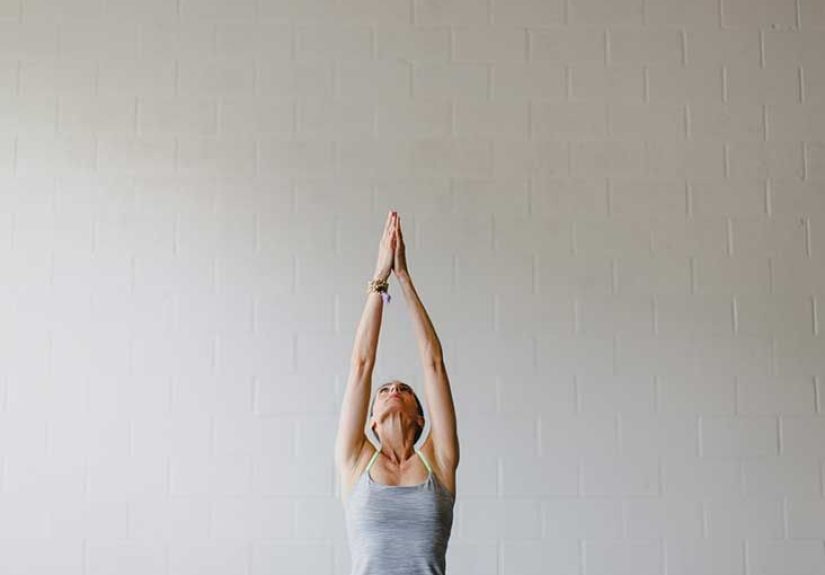
7. Gentle Yoga
Yoga can be a great fit for rheumatoid arthritis when the style and pacing are right. Gentle yoga may improve flexibility, posture, balance, and stress management, while also helping you reconnect with a body that may sometimes feel unpredictable.
How it helps
It combines stretching, breathing, and controlled movement. That mix may ease stiffness, improve body awareness, and help some people feel more relaxed after a rough pain day.
Try this
- Cat-cow
- Child’s pose with support
- Seated forward fold
- Mountain pose
- Chair yoga sequences
How to do it safely
Skip deep, aggressive poses and anything that puts too much pressure on painful wrists, knees, or shoulders. Props like blocks, bolsters, and chairs can make yoga much more comfortable. If you’re new to it, arthritis-friendly or restorative classes are often the best place to start.
How to Build an RA-Friendly Weekly Routine
You do not need to do every exercise every day. In fact, your joints would probably prefer that you didn’t suddenly become wildly ambitious overnight. A balanced plan is usually more sustainable.
Example weekly mix
- Daily: 5 to 10 minutes of range-of-motion stretches
- 3 to 5 days a week: walking, cycling, or water exercise
- 2 to 3 days a week: light strength training
- 1 to 3 days a week: tai chi or gentle yoga
- Most days if needed: brief hand and finger exercises
If fatigue is high, break movement into short sessions. Ten minutes here and there still counts. Your body is interested in consistency, not perfection.
What to Do During a Flare
During an RA flare, your usual exercise routine may need a temporary rewrite. That is not failure. That is strategy.
- Scale back intensity and duration
- Focus on gentle range-of-motion work
- Use heat before exercise if it helps ease stiffness
- Use cold after activity if swelling or soreness increases
- Rest more, but avoid complete inactivity if you can safely move
If a flare is severe or a joint is hot, very swollen, or newly painful, check in with your clinician. Exercise is helpful, but it is not meant to bulldoze through significant inflammation.
Common Mistakes to Avoid
- Doing too much too soon because one good day made you feel invincible
- Skipping warm-ups and jumping straight into stronger movements
- Choosing high-impact workouts that pound already sensitive joints
- Ignoring pain that gets sharper, lingers, or worsens afterward
- Quitting after one bad day instead of adjusting the plan
Conclusion
Rheumatoid arthritis pain relief is not usually about finding one magical exercise that changes everything by Tuesday. It is more about building a realistic movement routine that keeps your joints mobile, your muscles supported, and your body from getting locked into the pain-and-stiffness cycle.
The seven exercises above range from simple stretches to walking, water workouts, strength training, hand drills, tai chi, and yoga. Together, they offer a flexible toolkit you can adapt based on your symptoms, energy, and schedule. Some days your body may be ready for a walk. Other days, wrist circles and a gentle hand routine may be the main event. Both count.
The goal is not to move perfectly. It is to move in a way that helps you stay functional, feel more comfortable, and protect your quality of life over time. And for a condition that loves unpredictability, that kind of steady progress is a very big deal.
Experiences People Commonly Have With RA Exercise and Pain Relief
One of the most common experiences people with rheumatoid arthritis describe is fear at the beginning. Not laziness. Not lack of motivation. Fear. Fear that moving will make the pain worse, inflame the joints more, or leave them wiped out for the rest of the day. That hesitation makes sense. When your body sends pain signals, your instinct is to protect it. But many people find that once they start with short, gentle sessions, the outcome is less “disaster movie” and more “wait, that actually helped.”
Morning stiffness is another major theme. A lot of people with RA say the first hour of the day can feel like trying to operate a body made of damp cardboard. In that situation, quick range-of-motion stretches or a warm shower followed by hand, shoulder, and ankle movements often feel more realistic than a full workout. The experience is usually not dramatic. It is subtle. Shoes go on more easily. Fingers cooperate a little sooner. Walking to the kitchen feels less like an expedition.
People also frequently notice that water exercise feels different from land-based exercise in the best possible way. In a pool, movement can feel safer, lighter, and less punishing. Someone who struggles with walking for 15 minutes on land may feel comfortable doing 20 or 30 minutes of gentle pool activity. That difference can be a huge confidence boost. It reminds people that the problem is not movement itself. It is finding the right environment and the right dose.
Fatigue adds another layer. Many individuals with RA report that they have to stop thinking about exercise as a single all-or-nothing event. Instead of one long session, they do three 10-minute bursts. Maybe a walk in the morning, light resistance bands in the afternoon, and stretching before bed. That approach often feels more manageable and less intimidating. It also fits real life better, especially on days when energy disappears without warning.
There is also the experience of learning the difference between helpful soreness and unhelpful joint pain. This can take time. A little muscle tiredness after light strength work may be fine. A joint that becomes more swollen, hotter, or more painful later is a sign to back off. Many people get better results once they stop judging success by intensity and start judging it by recovery. If you can move today and still function tomorrow, that is useful data.
Perhaps the most encouraging experience is that progress often shows up in ordinary moments, not grand ones. Opening jars with less frustration. Standing up from a chair more easily. Walking through a store without feeling wrecked afterward. Typing longer before hand stiffness kicks in. These wins are not flashy, but they matter. For people living with RA, small functional improvements can feel enormous because they return a sense of independence.
In the end, the exercise experience with rheumatoid arthritis is usually less about chasing athletic milestones and more about building trust with your body again. The routine that helps most is often the one that feels sustainable, adaptable, and kind. That may not be glamorous, but it is powerful.