Table of Contents >> Show >> Hide
- Meet the Creator Turning Old Masters Into Modern-Day Mood Boards
- Why Classical Paintings Make Such Ridiculously Good Memes
- What You Start Seeing After Scrolling Through 50 Posts
- The Best Part: The Humor Does Not Ruin the Art
- Why This Idea Is So Strong From an SEO and Content Perspective
- What These 50 Captioned Paintings Really Reveal
- Experience: What It Feels Like to Scroll Through 50 Captioned Classical Paintings
- Conclusion
- SEO Tags
There are two kinds of people in this world: people who walk into a museum and whisper, “Magnificent brushwork,” and people who look at a 17th-century nobleman with a tragic haircut and think, “This man absolutely started drama in the group chat.” The brilliance of a beloved Instagram creator like Classical Damn is that it understands both audiences perfectly. It takes the grandeur of classical painting, adds modern captions, and suddenly the old masters stop feeling distant. They feel suspiciously familiar.
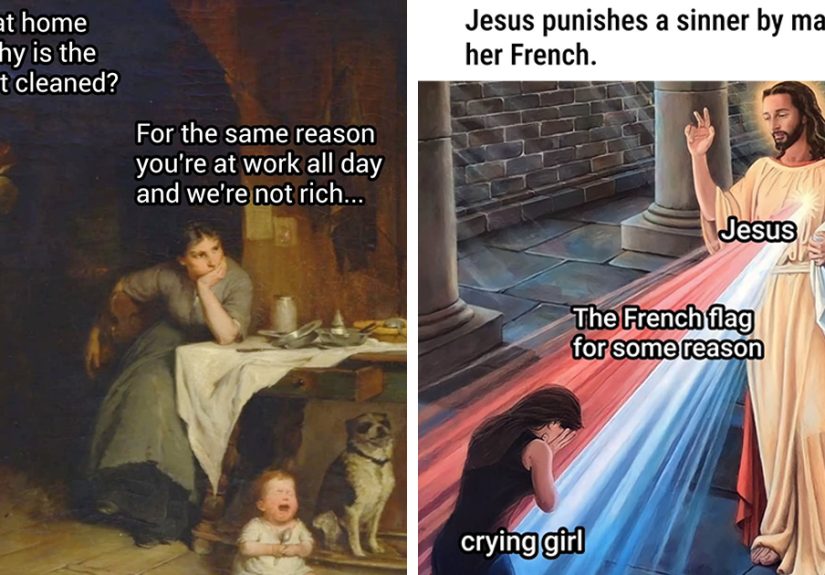
That is the magic behind the appeal of 50 Classical Paintings Cleverly Captioned By This Beloved Instagram Creator. On the surface, it is funny because the contrast is funny. A solemn saint, a panicked aristocrat, a woman side-eyeing the heavens, a dinner scene that clearly went off the rails three minutes ago; pair those images with captions about work stress, dating fatigue, family chaos, or social awkwardness, and the result is immediate comedy. But underneath the laughs, something more interesting is happening. These posts prove that classical art still works because human emotions have not changed nearly as much as our phones have.
That is why this kind of content travels so well online. It is not just meme culture wearing a powdered wig. It is visual storytelling meeting modern timing. It is art history loosening its collar, rolling up its sleeves, and admitting that yes, people have always been dramatic. The costumes got fancier, but the feelings stayed gloriously messy.
Meet the Creator Turning Old Masters Into Modern-Day Mood Boards
The Instagram account most closely associated with this style is Classical Damn, a page built around a wonderfully simple idea: take classical paintings, add modern captions, and let centuries-old facial expressions do the rest. It is a concept so obvious in hindsight that it almost feels unfair. Of course a Baroque painting full of theatrical pointing and scandalized gasps would thrive online. Those artists practically pre-installed the meme template.
What makes this creator stand out is not just the joke, but the consistency of the voice. The captions tend to land in that sweet spot between dry wit, internet relatability, and just enough self-awareness to keep the whole thing from feeling lazy. This is not random text slapped onto a random canvas. The humor usually works because the creator understands the emotional temperature of the image. A suspicious glance becomes passive aggression. A collapsed body becomes work burnout. A lavish banquet becomes the aftermath of saying, “I’m only having one drink.” Art history meets contemporary life, and the handshake is unreasonably funny.
There is also something oddly generous about the format. A lot of online humor burns hot and disappears fast. Captioned classical paintings do something sneakier: they make people laugh first, then look closer. Once the joke lands, the viewer starts noticing the composition, the clothing, the gestures, the lighting, and the sheer theatricality of the original work. In other words, the meme becomes a gateway drug to actually paying attention.
Why Classical Paintings Make Such Ridiculously Good Memes
They were already built for storytelling
Long before social media figured out how to stop your thumb mid-scroll, painters were trying to stop viewers in their tracks. Classical and early modern painting often relied on narrative: a dramatic reveal, a moral lesson, a family scene, a moment of betrayal, temptation, grief, flirtation, prayer, or chaos. These works were not designed to be bland wallpaper. They were designed to communicate. That matters because meme culture also depends on instant readability. A good meme gives you a scene, a tension, and a punchline in a matter of seconds. So did a lot of great painting. Different century, same ambition.
Faces and gestures do half the joke for free
One reason these posts hit so hard is that classical painters were masters of expression. Even when a face looks restrained, the posture usually spills the tea. A tilted head can signal disbelief. A raised hand can imply scandal. A cluster of figures leaning in can read like gossip, judgment, or the exact moment someone says something so foolish that the entire room enters spiritual witness mode. The creator does not have to force humor into the image. The humor is already lurking there, waiting for a caption to open the door.
Everyday life never goes out of style
Not all classical art is kings, saints, and mythological drama. A huge amount of painting across Europe and America focused on ordinary life: people eating, working, flirting, sewing, arguing, parenting, drinking, resting, and generally trying to survive the day without throwing a loaf of bread at somebody. That is why so many captioned paintings feel startlingly current. They are not funny in spite of their age. They are funny because their human situations are still instantly recognizable.
What You Start Seeing After Scrolling Through 50 Posts
Once you spend time with a roundup like this, patterns emerge. The humor is not random. Certain themes return again and again because classical paintings are basically a gold mine of recognizable emotional situations.
Work dread, but make it Renaissance
Some of the best posts feel like a visual diary of burnout. There is always at least one figure slumped over a table, one person staring into the void, and one crowd scene where someone clearly regrets agreeing to be there. These are the paintings that pair perfectly with jokes about deadlines, Monday mornings, “per my last email,” and the universal pain of pretending to be energetic on very little sleep and even less patience.
Relationship chaos in oil paint
Classical art is an all-you-can-eat buffet of romantic misunderstanding. Lovers miss signals. Admirers overcommit. Husbands look guilty. Wives look unconvinced. Friends hover nearby with the exact facial expressions of people who know the relationship will end in disaster but also do not want to waste good wine by intervening too early. Modern captions turn these scenes into dating-app jokes, situationship commentary, or the emotional fallout of texting “k” instead of “okay.” It works because human courtship has always been a little embarrassing.
Family drama, now with velvet sleeves
If you have ever sat through a holiday dinner and watched one relative make a terrible conversational choice, you already understand half of classical painting. Group scenes often look like emotional weather systems. Somebody is offended. Somebody is pretending not to notice. Somebody is absolutely about to say something they should have kept in their heart. Caption these scenes with modern family humor and they practically caption themselves.
Social anxiety in a gilded frame
Perhaps the most modern feeling of all is awkwardness. A startled glance across a room. A person standing alone while everyone else seems to understand the assignment. A face that says, “I did not prepare for this conversation, this event, or life in general.” These posts connect because the internet loves nothing more than highly specific emotional recognition. You laugh because the painting is old. You save it because it is you.
Petty judgment, the timeless art form
No one can convince me that side-eye was invented recently. Classical painting is full of it. Saints do it. Courtiers do it. Mothers do it. Random background figures do it with such precision that they deserve their own close-up and a streaming deal. When a creator adds a caption that captures subtle judgment, passive aggression, or the quiet superiority of being right and knowing it, the image does the rest of the work. The look lands first. The laugh arrives a split second later.
The Best Part: The Humor Does Not Ruin the Art
There is sometimes a nervous assumption that joking about classical paintings cheapens them. In practice, the opposite usually happens. Humor is one of the most efficient ways to remove intimidation. A lot of people were taught to approach museums as if they were entering a sacred zone where they might be publicly shamed for not knowing enough. Captioned art softens that anxiety. It says, relax, look closer, you are allowed to have a reaction.
And once people do look closer, classical painting rewards the attention. The folds in a sleeve, the deliberate placement of hands, the theatrical staging, the symbolic objects, the use of light, the tiny details in the background; these things become easier to appreciate when the viewer no longer feels excluded. Ironically, a silly caption can become the first real invitation into serious looking.
That is also why the format works better than a lot of disposable meme trends. It is not simply harvesting laughs. It is reactivating older images for newer audiences. The joke is current, but the visual foundation has depth. That combination gives the content more staying power than the average fleeting post built around a one-week internet obsession and a font choice that already looks tired.
Why This Idea Is So Strong From an SEO and Content Perspective
From a digital publishing standpoint, this topic has everything going for it. It blends classical paintings, Instagram creator, art memes, captioned art, and funny classical art into a single search-friendly concept. It appeals to art lovers, meme fans, casual social media users, and readers who did not wake up planning to care about oil paintings but are willing to reconsider if someone makes them laugh first.
It also performs well because it bridges “high culture” and “everyday culture,” which is one of the internet’s favorite tricks. Readers enjoy content that makes them feel entertained without making them feel underqualified. A title like 50 Classical Paintings Cleverly Captioned By This Beloved Instagram Creator promises both fun and curiosity. You do not need an art history degree. You just need eyes, a sense of humor, and perhaps a little unresolved fatigue from modern life.
There is also built-in shareability. People send these posts to friends with captions like “this is you,” “this is us in meetings,” or “this is mom when the Wi-Fi goes out.” That share impulse matters because the best culture writing online is not merely readable. It is pass-along-able. It gives readers a way to recognize themselves, then package that recognition for someone else.
What These 50 Captioned Paintings Really Reveal
Underneath the jokes, these paintings reveal something both comforting and slightly hilarious: human beings have always been dramatic, tender, awkward, vain, exhausted, jealous, hopeful, confused, and deeply capable of overreacting in excellent outfits. That is why this Instagram creator’s work resonates. It does not force relevance onto classical art. It uncovers the relevance that was already there.
The paintings may come from different centuries, countries, and traditions, but once they are paired with the right caption, they begin to feel like snapshots of the same world we live in now. The pressure to look composed. The chaos under the surface. The desire to be admired. The fear of embarrassment. The weird social theater of family, work, romance, and public life. We change hairstyles. We do not really change software.
And maybe that is the secret reason people love these posts so much. They are funny, yes, but they are also reassuring. They remind us that history is not a silent marble hallway. It is full of people who were every bit as human as we are. They worried, posed, performed, judged, sulked, celebrated, and made scenes. Thank goodness they did. Otherwise, the internet would have far less material.
Experience: What It Feels Like to Scroll Through 50 Captioned Classical Paintings
Scrolling through 50 captioned classical paintings is a surprisingly specific experience. It starts as casual amusement, the kind of light “let me look at one or two of these” detour that turns into half an hour of delighted procrastination. The first few laughs come from the obvious contrast: stately old paintings paired with very online humor. That alone is enough to pull you in. But after a while, the experience shifts. You stop seeing the format as a gimmick and start noticing how naturally the old images absorb modern language.
You begin to anticipate the rhythm of the jokes. A dramatic pointing hand becomes an accusation. A woman turning away becomes emotional retreat. A cherub looking confused becomes the universal expression of hearing gossip you did not ask for but absolutely plan to remember. The humor is immediate, but the deeper pleasure comes from recognition. You realize that these paintings are not frozen relics at all. They are emotional documents with excellent lighting.
There is also a strange intimacy to the experience. A museum usually asks you to behave. It wants focus, patience, reverence, maybe a little lower-back pain from standing too long. An Instagram feed asks something else. It invites reaction, immediacy, instinct, and yes, the occasional snort-laugh. When classical paintings enter that environment, they stop being distant objects and become social participants. They join the conversation. They become part of your daily scroll, right there between recipe videos, vacation photos, and somebody’s dog wearing a sweater with too much confidence.
And then comes the best part: the moment you start looking longer. A caption lands, you laugh, and instead of moving on immediately, you stay with the painting. You notice a second face in the background. You notice how the composition directs your eye. You notice that the artist captured embarrassment with terrifying precision three hundred years before the invention of the unread message notification. That is when the experience turns from funny to memorable.
By the time you reach post number 50, you are not just entertained. You are converted. Not necessarily into a full-time art historian who owns twelve exhibition catalogs and uses the phrase “painterly tension” at dinner, but into someone who sees classical painting as alive. Not old in the dead sense, but old in the durable sense. You come away with the feeling that humor did not lower the art. It unlocked it. And that may be the most impressive trick this beloved Instagram creator pulls off: making people laugh their way into looking harder, thinking deeper, and appreciating images that might have otherwise remained politely admired and quickly forgotten.
Conclusion
50 Classical Paintings Cleverly Captioned By This Beloved Instagram Creator works because it delivers more than a quick laugh. It turns classical art into a living conversation. It proves that the old masters understood expression, conflict, vanity, romance, fatigue, and social absurdity so well that all they needed was a modern caption to start trending again. That is not a small achievement. It is a reminder that great art does not become irrelevant; it just waits for a new audience and, apparently, a sharper punchline.
So whether you arrive for the humor, the art, the Instagram curiosity, or the simple joy of seeing a 300-year-old face perfectly capture your mood before coffee, this kind of content earns its popularity. It is clever, accessible, and unexpectedly affectionate toward the paintings it plays with. In the end, that is why these posts stick. They make classical art feel less like homework and more like a mirror, only with better drapery and much stronger cheekbones.