Table of Contents >> Show >> Hide
- What Is a Prosecco Malfatti Glass?
- Why This Glass Has Such Strong Appeal
- But Is It the Best Glass for Prosecco?
- Why Prosecco Works So Well in a Glass Like This
- When the Prosecco Malfatti Glass Really Shines
- Food Pairings That Make Sense
- How to Serve Prosecco Well in This Glass
- The Design Verdict
- Experiences Related to the Prosecco Malfatti Glass
Some glasses are built for pure function. Others are built for drama. The Prosecco Malfatti Glass manages to flirt shamelessly with both. It is the kind of piece that makes a table look more intentional before anyone has even poured a sip. But this glass is not just another pretty face with a bubbly personality. It has a specific identity: a handmade, stemless Prosecco flute associated with Malfatti Glass, known for its light, slightly irregular, artisan-made forms and borosilicate construction. In other words, it is the sort of glass that makes guests ask, “Wait, where did you get these?” before they ask what is in them.
That matters because Prosecco is not just any sparkling wine. It is bright, fruity, floral, and famously easy to love. It does not usually ask for a lecture, a decanter, and a dramatic string quartet. It asks for chill, freshness, and the right glass to let its personality shine. The interesting twist is that the best glass for Prosecco depends on what you want most: maximum aroma, maximum bubbles, or maximum style. The Malfatti Prosecco glass sits right in the middle of that conversation.
This article looks at what the glass actually is, why it stands out, how it compares with classic flutes and tulip-shaped sparkling glasses, and whether it deserves a spot in a modern home. For adults of legal drinking age, it is a smart design object with real drinking utility. For everyone else, it is still a fascinating example of how form changes the way we experience a beverage.
What Is a Prosecco Malfatti Glass?
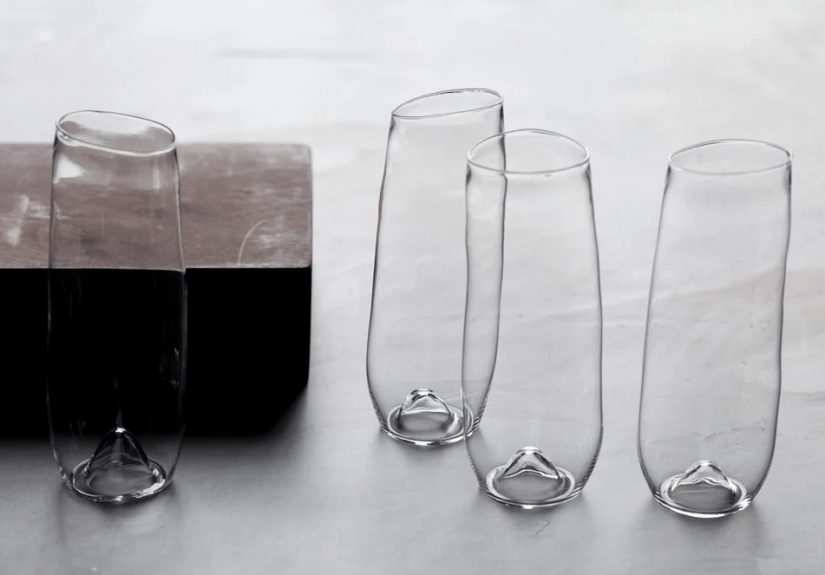
The Prosecco Malfatti Glass is essentially a stemless champagne flute designed for sparkling wine service, especially casual or design-conscious Prosecco moments. Product descriptions commonly identify it as a handmade piece in lightweight borosilicate glass, with each piece shaped individually rather than pushed out in factory-perfect uniformity. That means the charm is partly in the slight variation. If you line up six of them and they all look like identical little soldiers, something has gone terribly off-script.
The word malfatti comes from Italian and literally points to something “misshapen,” which sounds rude until you realize it is exactly the point. These glasses celebrate irregularity. The silhouette is clean, but not stiff. The rim is delicate, but the body has a relaxed, almost playful energy. In a market crowded with polished crystal clones, that handmade character gives the Malfatti glass a real personality.
Its proportions also matter. A capacity around 9 to 11 ounces gives it more flexibility than a tiny ceremonial flute. That makes it useful for a proper pour of Prosecco, a spritz-style drink, or even a sparkling cocktail where you want ice and garnish without the glass looking overworked. The short, stemless form also makes it less formal than classic flute service. It says, “Yes, we care about the table,” but not, “Please hold your glass with museum-level anxiety.”
Why This Glass Has Such Strong Appeal
1. It is handmade, not factory anonymous
There is a difference between owning glassware and owning glassware that feels like somebody actually made it. The handblown Prosecco glass appeal is real. A Malfatti piece has small variations that remind you it came from craft, not an assembly line. That handmade quality works especially well for entertaining because it adds warmth. Guests rarely compliment a generic flute. They absolutely compliment a glass that looks like it came from a cool design shop in a neighborhood with suspiciously excellent olive oil.
2. Borosilicate gives it a modern edge
Borosilicate glass is often associated with labware, which sounds about as romantic as tax software, but in glassware it can be a real advantage. It tends to feel lightweight and modern, and it has a reputation for balancing delicacy with durability better than many people expect. That combination helps explain why the Prosecco Malfatti Glass feels airy in the hand instead of bulky or precious.
3. Stemless design fits the way people actually live
Traditional flutes can look elegant, but they are not always the easiest fit for everyday life. They tip more easily, demand more vertical storage, and can feel a little too “wedding toast at 7:14 p.m.” for a random Friday snack board. A stemless Prosecco glass is less formal and usually easier to grab, pass, and place on a crowded table. For modern hosts, that practicality matters almost as much as sparkle retention.
But Is It the Best Glass for Prosecco?
Now for the fun part: wine people love arguing about glassware. Not because they are dramatic. Well, not only because they are dramatic. Different sparkling-wine glasses really do change the experience.
Flute vs. tulip vs. wine glass
A classic flute is narrow and tall, which helps preserve bubbles and creates that iconic string-of-pearls visual effect. If your goal is pure festive theater, the flute still earns its paycheck. Prosecco looks great in it, and there is no shame in loving that visual sparkle.
But many wine experts now favor tulip-shaped sparkling glasses or even smaller white wine glasses for better aroma. Why? Because Prosecco is not only about bubbles. It is also about peach, pear, apple, citrus, and white-flower notes. A slightly wider bowl gives those aromas room to open up. A tapered rim then helps direct them toward your nose instead of letting them vanish into the air like your weekend budget.
That puts the Malfatti Prosecco glass in an interesting spot. It is not the ultimate sommelier-approved aroma machine. If you are analyzing a top-quality Conegliano Valdobbiadene Prosecco Superiore DOCG with scholarly intensity, a tulip glass probably gives you more detail. But if you want a beautiful, modern, relaxed vessel that still suits sparkling wine and feels more inviting than a formal flute, the Malfatti glass makes a strong case for itself.
So what is the honest answer?
The honest answer is this: the best glass for Prosecco depends on the occasion. A tulip-shaped glass usually wins on aroma. A traditional flute wins on bubble drama. The Prosecco Malfatti Glass wins on style, comfort, and that sweet spot between ceremonial and casual. It is less of a lab instrument and more of a lived-in luxury object. For many homes, that is exactly the right choice.
Why Prosecco Works So Well in a Glass Like This
Prosecco is typically made primarily from the Glera grape and, unlike Champagne, usually gets its bubbles through the tank-based Charmat method rather than bottle fermentation. That production style tends to preserve fresh fruit and floral aromas, which is why Prosecco often feels lively, youthful, and straightforwardly charming. It is not trying to be a buttery brioche bomb. It is trying to be crisp, refreshing, and very easy to invite back.
You will also see different styles, especially frizzante and spumante. Frizzante is lighter and less pressurized; spumante is more fully sparkling. Sweetness matters too. Brut is drier, Extra Dry is often fruitier and slightly softer, Dry is sweeter than the name suggests, and Demi-Sec moves farther into dessert-friendly territory. Those differences matter because the glass experience changes depending on the bottle.
A drier, higher-quality Prosecco often benefits from more aromatic expression, which slightly favors a tulip-shaped bowl. A cheerful Extra Dry Prosecco at brunch, however, can feel perfectly at home in a stemless Malfatti glass where the mood is relaxed and social. In other words, this glass suits Prosecco’s friendlier side very well.
When the Prosecco Malfatti Glass Really Shines
Brunch tables
This glass absolutely understands brunch. Think smoked salmon, soft scrambled eggs, pastry baskets, and sunlight acting like it paid rent. Because the glass is stemless and visually softer than a formal flute, it fits a brunch table without making the meal feel overproduced. It is refined, but not uptight.
Aperitivo hour
Prosecco has a natural link to the Veneto, and it appears constantly in spritz culture. A design-forward glass like this works beautifully for adults serving a Prosecco-based spritz because it feels modern and social rather than stiff. It bridges the gap between wine glass and cocktail glass in a very convincing way.
Small dinner parties
The Malfatti aesthetic is strongest in intimate settings where guests can actually notice the details. Handmade glasses disappear in giant banquet halls. Around a six-person table, though, they become part of the conversation. They help make the host look thoughtful without looking like the host spent three days practicing napkin folds in private.
Wedding and housewarming gifts
Because the glass sits at the intersection of utility and design, it makes a strong gift. It is more distinctive than a generic registry flute set and more usable than many “special occasion only” pieces. A good gift should feel elevated and still earn cabinet space. This one checks both boxes.
Food Pairings That Make Sense
Prosecco’s fresh acidity and fruit-forward style make it flexible with food. It works well with shellfish, sushi, salty cured meats, brunch dishes, and lighter cheeses. That versatility is one reason it is such a popular host bottle: it can move from appetizers to conversation without demanding the whole menu revolve around it.
In a Prosecco serving glass like the Malfatti, the experience feels especially natural with foods that are bright, salty, creamy, or lightly fried. A few easy examples include:
Cheese and charcuterie
Brie, soft cheeses, and prosciutto-style bites work beautifully with lively sparkling wine. The salt-and-fat combination gets lifted by the wine’s acidity and bubbles, which is why Prosecco rarely feels out of place on a snack board.
Seafood and sushi
The wine’s clean, fruity style pairs easily with shellfish and sushi. It refreshes the palate instead of wrestling with the food, which is exactly what a good pairing should do.
Brunch classics
Fruit, pastries, egg dishes, and lighter savory brunch foods all fit the Prosecco mood. The Malfatti glass also visually belongs in that setting, which may sound superficial until you remember that hosting is half flavor and half atmosphere.
How to Serve Prosecco Well in This Glass
Temperature matters. Prosecco is generally best when well chilled, though not frozen into flavorless obedience. Too warm and it loses some of its refreshing lift. Too cold and the aromas shut down. A sensible chilled range helps keep the bubbles lively while still letting the fruit and floral character show up.
Pouring matters too. Open sparkling wine gently rather than launching the cork like you are auditioning for an action movie. A controlled opening protects both the wine and your light fixtures. Then pour steadily so the foam settles rather than exploding into a sticky counter incident.
Because the Malfatti glass is stemless, hold it with a little awareness. A stem keeps hands away from the bowl; a stemless design does not. That does not ruin the experience, but it means the glass is best for social, relatively short pours rather than prolonged tasting-room analysis. In real life, that is fine. Most people are not writing a dissertation between sips.
The Design Verdict
The Malfatti Glass Prosecco concept works because it reflects the way many people actually enjoy sparkling wine today. Not every pour is a formal toast. Not every sparkling bottle is opened at midnight under chandeliers. Sometimes it is a Tuesday patio snack, a low-key anniversary dinner, or an impromptu gathering where someone says, “I brought bubbles,” and suddenly the evening improves by 63 percent.
That is where this glass earns its place. It does not try to beat every tulip glass on aroma science. It wins by being beautiful, handmade, modern, useful, and emotionally persuasive. It makes Prosecco feel special without making it feel fussy. That is harder to pull off than it sounds.
Experiences Related to the Prosecco Malfatti Glass
The most memorable experiences with a Prosecco Malfatti Glass usually have less to do with textbook wine evaluation and more to do with atmosphere. Picture a small dinner party where the lights are low, the playlist is suspiciously good, and the table has exactly enough candles to look charming instead of flammable. A guest picks up the glass and notices that it is not perfectly uniform. The rim is delicate, the body feels feather-light, and the shape has that handmade softness that machine-made glass rarely captures. Before the conversation even turns to what is being poured, the glass itself has already broken the ice.
Another common experience is the surprise factor. People expect stemless sparkling glasses to feel clunky or generic, but the Malfatti version tends to feel more sculptural than casual. That changes the mood. A simple Prosecco pour suddenly feels more thoughtful. Even a basic gathering can take on the energy of a tiny celebration. It is not magic, exactly, but it is one of those domestic upgrades that quietly improves the whole ritual.
There is also the pleasure of using a glass that does not seem terrified of real life. Traditional flutes can feel like they belong in a cabinet reserved for events with seating charts. The Malfatti glass feels more adaptable. It can appear at brunch, an aperitivo spread, a backyard dinner, or a holiday snack board without looking misplaced. That versatility creates better experiences because people relax. Nobody grips the stem like they are defusing a bomb. Nobody panics about where to set the glass down. Guests simply use it.
Gift-giving stories also pop up around this glass. A pair of handmade Prosecco glasses often lands differently than a standard boxed set from a department store. It feels more personal, a little artsy, and a little less expected. People remember it. They pull it out for anniversaries, for friends visiting from out of town, or for those oddly specific evenings when takeout is ordinary but the mood deserves something sparkling.
Then there is the visual experience, which should not be dismissed. Prosecco is lively and bright, and a handmade clear glass lets the bubbles play without making the moment feel too formal. On a sunny table, the glass looks almost animated. On a darker dinner table, it catches candlelight beautifully. If that sounds dramatic, good. Sparkling wine should be allowed a little drama. It has bubbles. It earned them.
Ultimately, the experience of using a Prosecco Malfatti Glass is less about chasing perfection and more about creating a scene people want to return to. It is for the host who likes craft, for the guest who notices details, and for the table that wants elegance without stiffness. In that sense, the glass does exactly what great home objects should do: it turns a small, ordinary act into something slightly more memorable.