Table of Contents >> Show >> Hide
- 1. Your Pattern of Attraction Keeps Pointing in the Same Direction
- 2. Trying to Be “Straight” Feels Like Wearing a Costume That Never Fits
- 3. Certain Stories, Relationships, or LGBTQ+ Experiences Hit You on a Personal Level
- What Does Not Automatically Mean You Are Gay?
- What to Do if You Are Still Figuring It Out
- Common Experiences People Describe While Figuring It Out
- Final Thoughts
- SEO Tags
Note: This article is meant to help you reflect, not to hand you a pop quiz with a rainbow scantron sheet. There is no perfect formula for identity, and there is absolutely no deadline for figuring yourself out.
Questioning your sexual orientation can feel equal parts eye-opening, awkward, exciting, confusing, and deeply inconvenient when you are just trying to drink iced coffee and mind your business. One minute you are watching a movie. The next minute you are wondering why one character seems to have set off fireworks in your chest while everyone else is calmly discussing the plot. If that sounds familiar, welcome to the very human experience of trying to understand yourself.
The truth is simple but important: there is no single moment, personality trait, hobby, fashion choice, or playlist that proves someone is gay. Sexual orientation is not determined by stereotypes, and it definitely is not solved by a three-question internet quiz that was clearly designed by chaos. What matters more is paying attention to your patterns of attraction, your emotional responses, and the way certain identities feel when you imagine them belonging to you.
So if you have been wondering, “How do I know if I’m gay?” here are three thoughtful ways to reflect on the question. They are not rules. They are not medical tests. They are signposts that can help you understand what your feelings may be trying to tell you.
1. Your Pattern of Attraction Keeps Pointing in the Same Direction
The first and biggest clue is often the most obvious one: who are you actually drawn to? Not who you think you should like. Not who your friends expect you to like. Not who would make family dinner less dramatic. Who consistently catches your attention in a way that feels real?
Look at your crushes, not your scripts
Many people figure out they are gay by noticing that their crushes keep landing on people of the same sex. Sometimes that attraction feels romantic first. You want their attention. You replay conversations in your head. You suddenly care way too much about what shirt you wore that day. Sometimes it is emotional before anything else. You feel deeply connected, curious, and alive around certain people, and the pattern does not go away just because you tried to ignore it.
This is where honesty matters. Ask yourself:
- Who do I daydream about dating?
- Who gives me butterflies, not just admiration?
- When I imagine a future relationship, who is naturally in that picture?
Plenty of people confuse admiration with attraction at first, especially when they grow up hearing one story about what “normal” is supposed to look like. You might think, “I just think they’re cool,” and sometimes that is true. But sometimes “they’re cool” is doing a lot of unpaid emotional labor for “I cannot stop thinking about them.”
Pay attention to the difference between appreciation and pull
You can recognize that someone is attractive without wanting a relationship with them. That is just being observant. Attraction usually has more charge behind it. There is curiosity, longing, nervous excitement, or a sense of magnetic focus. If those feelings consistently show up around people of the same sex and not around the opposite sex, that can be a meaningful sign.
It is also worth remembering that attraction is not always loud. For some people, it arrives like a marching band. For others, it sneaks in like a quiet thought that keeps returning. You do not need dramatic proof. Repetition is evidence too.
2. Trying to Be “Straight” Feels Like Wearing a Costume That Never Fits
The second clue often has less to do with who you like and more to do with how certain labels feel when you place them on yourself. Sometimes people do not realize they are gay because they have become very good at following a script. They date who they are “supposed” to date. They say what they are “supposed” to say. They perform a version of straightness because it feels easier, safer, or more familiar.
But eventually, the costume starts to itch.
Notice when straight identity feels forced
If the idea of being straight feels oddly distant, fake, or emotionally flat, that matters. Maybe you can go through the motions, but the identity itself does not feel like home. Maybe you have tried to talk yourself into liking someone because they make sense on paper, but the actual spark never shows up. Maybe your friends are thrilled about crushes that leave you shrugging while your own heart wakes up in completely different situations.
That disconnect can be powerful information. A lot of people who later identify as gay describe a long period of trying to be what everyone expected, only to realize they were acting more than living. They were not broken. They were just reading from the wrong script.
Relief can be just as revealing as attraction
Here is a question that does not get enough credit: how do you feel when you imagine yourself as gay?
If that thought brings panic because of fear, social pressure, or uncertainty, that does not automatically mean anything by itself. Fear is complicated. But if the idea also brings relief, clarity, or a strange feeling of, “Wait… that actually explains a lot,” then pay attention. Sometimes recognition does not sound like thunder. Sometimes it sounds like exhaling.
You may also notice that labels like gay, lesbian, queer, or questioning feel more natural than straight. Or maybe none of them feel perfect yet, but one of them makes your shoulders drop an inch. That tiny sense of comfort matters. Identity is not always about instant certainty. Sometimes it begins with what feels less false.
3. Certain Stories, Relationships, or LGBTQ+ Experiences Hit You on a Personal Level
The third clue is more emotional and often catches people off guard. You see a same-sex couple in a movie, read someone’s coming-out story, or hear a friend describe realizing they were gay, and something in you lights up. Not because it is “interesting.” Because it feels familiar.
Recognition can show up before language does
Many people understand themselves through reflection. A book, a TV character, a conversation, or even a random late-night thought can act like a mirror. Suddenly, you are not just observing someone else’s story. You are reacting to your own.
You might feel:
- unexpected jealousy when someone lives openly
- comfort when you see same-sex relationships treated as normal
- emotion that seems bigger than the situation in front of you
- a strong sense of “That sounds like me”
That kind of recognition does not prove everything, but it can point you toward truth. Sometimes your heart notices before your vocabulary catches up.
Your body and emotions often know when something is real
One of the strangest parts of questioning is that your mind can argue for years while your emotions keep filing the same report. If gay stories make you feel seen, if same-sex romance feels more believable to you than the straight version you have tried to imagine, or if you keep circling back to this question no matter how many times you dismiss it, that is worth exploring gently and honestly.
No, this does not mean every person who loves a great queer movie is secretly gay. Sometimes a good story is just a good story. But when the emotional connection feels personal, repeated, and difficult to explain away, it can be one more piece of the puzzle.
What Does Not Automatically Mean You Are Gay?
Because the internet enjoys confusion almost as much as it enjoys drama, let’s clear up a few things. These do not automatically determine your sexual orientation:
- how you dress
- your voice, mannerisms, or hobbies
- whether you have dated someone before
- whether you realized things early or late
- whether you are still unsure
Stereotypes are lazy. Real people are not. You can be athletic, artistic, shy, loud, feminine, masculine, neither, both, or impossible to categorize before coffee, and none of that decides your orientation. Sexual orientation is about attraction and identity, not about performing a personality template somebody else invented.
What to Do if You Are Still Figuring It Out
If these three signs resonate with you, the next step is not to panic and announce your life story in a group chat. The next step is to get curious and give yourself room.
Try quiet reflection before big declarations
Write down your feelings. Notice recurring crushes. Pay attention to which identities feel comforting, which feel wrong, and which feel possible. You do not owe anyone an instant answer. Some people know quickly. Others take months or years. Neither path is more valid.
Talk to someone safe
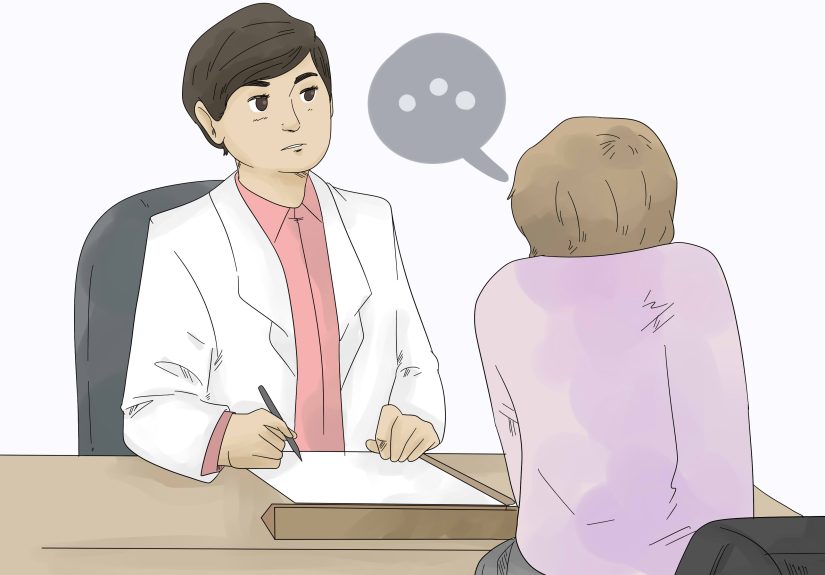
If you have a trusted friend, counselor, or supportive adult, it can help to say your thoughts out loud. Even one calm conversation can make the whole process feel less lonely. Choose safety over speed. You never have to share before you are ready.
Let “questioning” be a real answer
One of the healthiest things you can do is allow uncertainty without turning it into a crisis. “Questioning” is not failure. It is not indecision with better branding. It is simply an honest description of where you are right now.
You may eventually realize you are gay. You may realize you are bisexual, pansexual, queer, or something else entirely. You may also decide labels are not your favorite thing on earth. The goal is not to win identity speed chess. The goal is to understand yourself truthfully.
Common Experiences People Describe While Figuring It Out
For many people, realizing they are gay does not happen in one cinematic moment with dramatic lighting and a perfectly timed soundtrack. It is usually messier, quieter, and much more human than that. One person might notice they never felt genuinely excited about opposite-sex crushes, even when everyone around them acted like romance was the main event of being alive. They could name people they were “supposed” to like, but the feeling was always more like checking a box than following their heart. Then one day, they meet someone of the same sex and suddenly understand why other people write terrible poetry.
Another common experience is looking back and realizing the signs had been there for years. Maybe a person always felt especially invested in one friendship and could never explain why that relationship felt bigger, more intense, or more emotionally loaded than the others. At the time, they may have called it admiration, loyalty, or just being “really close.” Later, with more perspective, they realize the bond carried the energy of a crush. Memory can be funny like that. It does not always reveal its meaning immediately.
Some people describe a sense of relief when they finally let themselves consider being gay. Not because every question disappears at once, but because the confusion starts making sense. Past experiences line up. Emotional reactions become easier to understand. A lot of little moments that once felt random suddenly belong to the same story. That relief can be surprisingly powerful. It can feel like finding the right prescription after wearing blurry glasses for years.
There are also people who experience resistance before relief. They might worry about family expectations, religion, culture, or whether life will become harder if they admit what they feel. That internal tug-of-war is real. It does not make their feelings fake. In fact, fear often grows around things that matter deeply. It is possible to feel scared and still be learning something true about yourself.
Others realize their identity through representation. They read an essay, see a couple on screen, hear someone come out, and feel unexpectedly emotional. Maybe they cry. Maybe they grin like they just discovered a secret door in a house they have lived in forever. Maybe they feel jealous of people who seem comfortable naming themselves. Those reactions can be revealing because they often point to longing, recognition, or a desire to live more honestly.
And then there are people who move slowly. They try out the word “questioning” first. Later they try “queer.” Eventually they may land on “gay.” Or they may stay somewhere in between. That gradual process is normal too. Identity does not become more legitimate just because it arrived with a drumroll. Sometimes it grows quietly, like confidence. You notice it a little more each day until one morning it feels less like a theory and more like your life.
Final Thoughts
If you are wondering whether you are gay, the most useful thing you can do is pay attention to your real feelings instead of forcing a story that makes other people comfortable. Notice your attraction patterns. Notice whether straight identity feels natural or performed. Notice which stories make you feel seen. Those three clues will usually tell you more than stereotypes, pressure, or wishful thinking ever could.
Most importantly, be patient with yourself. You are not late. You are not weird. You are not required to solve your identity by Friday. Self-knowledge is not a race, and it is definitely not graded on a curve. Sometimes the bravest thing you can say is, “I’m still figuring it out.” And sometimes, that sentence is exactly how the truth begins.