Table of Contents >> Show >> Hide
- Why Concrete Is Suddenly a Storage Material Worth Watching
- What New Concrete Storage Pieces Look Like Now
- Why Concrete Works So Well for Storage
- The Trade-Offs: Because No Material Is a Saint
- Best Rooms for New Concrete Storage Pieces
- How to Style Concrete Storage Without Making Your Home Feel Like a Parking Garage
- The Sustainability Question Everyone Should Ask
- Where Concrete Storage Is Headed Next
- Experience: Living With Concrete Storage Pieces in the Real World
- Conclusion
- SEO Tags
Concrete used to be the material equivalent of a stern handshake. Strong, serious, and not especially interested in being called pretty. Then designers got nosy. They started asking inconvenient questions like, “What if concrete could be elegant?” and “What if storage furniture stopped looking like it was designed by a committee trapped in a beige conference room?” The result is a new wave of concrete storage pieces that feel smarter, lighter, warmer, and far more livable than the chunky gray blocks many people still imagine.
Today’s concrete shelving units, consoles, cabinets, and modular organizers are not just industrial-style props for dramatic lofts with one lonely fiddle-leaf fig. They are refined, hybrid, and surprisingly versatile. Some lean sculptural, turning storage into a focal point. Others disappear into the architecture with built-in calm. Many combine concrete with wood, steel, glass, or soft matte finishes so the final piece feels less bunker and more boutique hotel with decent taste.
That shift matters because storage has changed. People want pieces that do more than hold stuff. They want storage that organizes clutter, defines space, survives daily life, and looks intentional in photos, on video calls, and in actual human homes where charging cables breed at night. Concrete, once treated as cold and blunt, is now being reworked into furniture that delivers permanence, texture, and a fresh sense of modern utility.
Why Concrete Is Suddenly a Storage Material Worth Watching
The biggest reason is simple: concrete itself has changed. Newer fabrication methods and lighter mixes, especially glass-fiber-reinforced concrete and related high-performance blends, allow designers to create thinner walls, cleaner edges, softer curves, and more ambitious forms. That means a shelf or credenza can look substantial without becoming an immovable family legend. It still has weight, yes, but less “call three neighbors” energy than old-school solid pours.
That technical progress has opened the door to better design. Instead of treating concrete as a brute-force statement, furniture makers are using it with more finesse. Storage cubes can stack with modular flexibility. Console tables can integrate hidden compartments. Shelving can look monolithic from a distance but reveal a surprisingly delicate profile up close. Even built-in storage inspired by concrete construction now feels cleaner and more architectural, not just rough and raw.
There is also a cultural shift at work. Minimalism never really left; it just learned to relax a little. Homeowners still want clean lines, but they also want texture and honesty. Concrete offers both. It brings visual depth without busy patterns and delivers a grounded, tactile presence that painted particleboard simply cannot fake. In a room full of fast furniture, a concrete storage piece looks like it has a point of view.
What New Concrete Storage Pieces Look Like Now
1. Modular shelving with architectural attitude
One of the most interesting developments is modular storage. Designers are treating concrete less like a fixed slab and more like a kit of parts. Cubes, stacked elements, slot-together forms, and open compartments let users adapt a piece over time. That matters in real homes, where the same shelf may hold books this year, vinyl next year, and an alarming number of candles after that.
These modular pieces work because concrete naturally communicates structure. A concrete cube reads as intentional, stable, and crisp. When repeated in a system, it creates rhythm. When paired with wood doors or metal inserts, it feels even smarter. The overall effect is a storage piece that behaves like architecture in miniature.
2. Consoles and cabinets with softened edges
The old stereotype says concrete must be sharp-edged, gray, and slightly angry. Newer storage designs disagree. Many of the most compelling pieces now feature rounded corners, curved fronts, subtle bevels, and softened silhouettes. That evolution makes concrete furniture easier to live with visually. It still has presence, but it no longer looks like it might lecture your sofa.
These softer forms are a big reason concrete storage is moving beyond hardcore industrial interiors. A curved concrete cabinet can sit comfortably in a warm minimalist living room. A gently rounded sideboard can balance oak floors, linen drapes, and brass lighting without feeling like a construction site wandered indoors.
3. Hybrid pieces that mix concrete with friendlier materials
If you want proof that designers have matured, look at the pairings. Concrete is increasingly combined with walnut, oak, ash, powder-coated steel, smoked glass, cane, and textured plaster. This is not concrete trying to be less concrete. It is concrete learning teamwork.
Wood adds warmth. Metal sharpens the outline. Glass lightens the visual load. Upholstered elements nearby soften the room. The most successful storage pieces understand that concrete is strongest when it is part of a conversation, not when it is delivering a solo monologue in all caps.
4. Built-in storage that borrows from concrete construction
Another innovation is conceptual rather than purely material. Designers are using concrete-inspired built-ins and aerated concrete blocks to create shelving, benches, and storage walls that feel carved from the architecture itself. This approach is especially effective in small homes, where freestanding furniture can make a room feel crowded. Built-in concrete storage creates continuity, cleans up sightlines, and turns dead zones into useful volume.
In small apartments, hidden panels, side niches, under-seat storage, and integrated shelves have become the heroes of good design. Concrete or concrete-look built-ins excel here because they read as part of the room rather than extra objects fighting for attention.
Why Concrete Works So Well for Storage
First, there is durability. Storage pieces get abused. Bags are dropped. Keys scrape surfaces. Books sag shelves. Decorative objects migrate. Life is not gentle. Concrete stands up to this kind of daily friction with impressive calm. It can chip if seriously struck, and it still needs proper finishing, but it is generally far less fussy than many glossy or veneered alternatives.
Second, concrete gives storage emotional credibility. That sounds dramatic, but stay with me. A storage piece made from concrete feels lasting. It does not read as temporary or disposable. In a market crowded with flimsy furniture and suspiciously optimistic assembly instructions, that sense of permanence is powerful.
Third, concrete supports visual order. Because the material is quiet in color and rich in texture, it helps storage look composed even when the contents are a little chaotic. A concrete shelf filled with books, ceramics, and baskets can feel curated. The same arrangement on a shiny plastic unit often feels like a garage sale in witness protection.
The Trade-Offs: Because No Material Is a Saint
Concrete is impressive, but it is not magic. The first issue is weight. Even lighter mixes are still heavier than most wood-based furniture. That affects delivery, placement, and flexibility. If you rearrange your room every weekend for sport, concrete may test your commitment to personal growth.
The second issue is maintenance. Concrete storage surfaces usually need sealing, especially in kitchens, bathrooms, or anywhere spills happen. A good sealer protects against stains and makes the surface easier to clean, but it is not a medieval shield. Let acidic liquids sit long enough, and the material can protest. Routine care is simple, yet it does matter.
The third issue is emotional temperature. Concrete can feel cool, visually and literally, if the room around it is also severe. That is why successful spaces pair it with softer materials, warmer lighting, and a little contrast. Concrete likes companionship. Left alone with steel and gray walls, it can become unbearably pleased with itself.
Best Rooms for New Concrete Storage Pieces
Living rooms
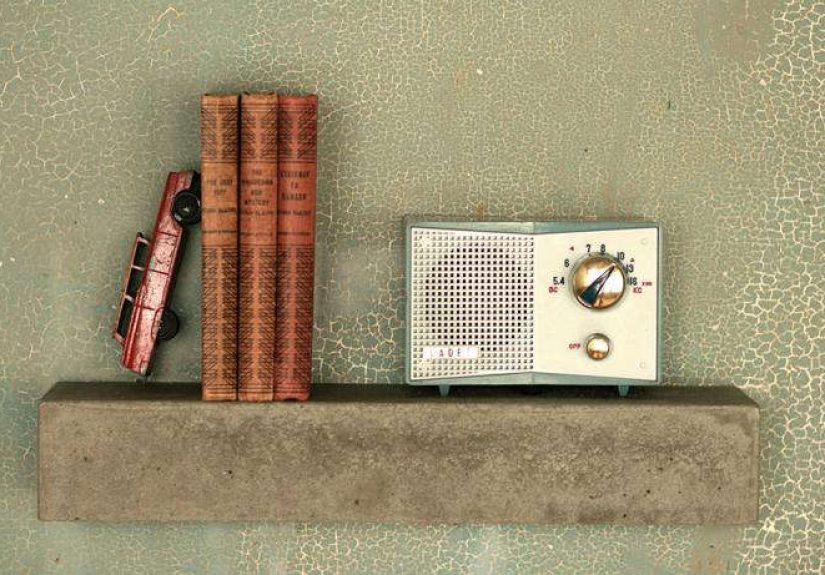
Concrete media consoles, low shelving, and display cubes work beautifully in living spaces because they balance technology with material depth. A concrete console under a television instantly upgrades the whole wall from “electronics parking lot” to “intentional design decision.”
Entryways
Entry storage has a hard job. It catches shoes, bags, mail, and the vague panic of being late. Concrete benches with cubbies or shelf-and-hook combinations are excellent here because they handle abuse and help the zone feel grounded. Add woven baskets and a warm lamp, and suddenly your entryway looks like it has a plan.
Bathrooms
Because concrete plays well with moisture-prone environments when properly sealed, it works nicely for bathroom shelving, vanity storage, and niche-style organization. It also brings spa energy without needing to whisper affirmations at your towels.
Patios and indoor-outdoor spaces
This may be where concrete still flexes hardest. Outdoor storage-adjacent pieces, sideboards, benches with compartments, shelf walls, and hybrid seating-storage forms benefit from the material’s weather-friendly reputation. A concrete piece can help blur the line between inside and outside, which remains one of the strongest directions in contemporary home design.
How to Style Concrete Storage Without Making Your Home Feel Like a Parking Garage
Start with contrast. If your storage piece is concrete, bring in wood, fabric, paper, greenery, and softer curves nearby. A concrete bookshelf looks far better with warm-toned books, ceramic vessels, and a lamp with a linen shade than with an army of chrome accessories trying too hard.
Second, leave breathing room. Concrete has visual density. It looks best when it is not overstuffed. Open shelves need editing. Consoles need restraint. Let the material show itself. If every inch is covered in décor, you lose the quiet confidence that makes concrete attractive in the first place.
Third, use lighting strategically. Side lighting, wall washing, and warm bulbs highlight the texture and subtle tonal variation in concrete. Under bright cold light, the same piece can look flat and severe. Under warmer light, it reveals depth, shadow, and a handmade quality that photographs beautifully and feels even better in person.
The Sustainability Question Everyone Should Ask
Here is the honest part: concrete is complicated. Cement production has a real carbon impact, and that conversation is not going away. So any celebration of concrete furniture should be paired with a little grown-up scrutiny. The good news is that innovation is happening fast. Lower-carbon mixes, supplementary cementitious materials, recycled content, processed waste glass replacements, and longer-lasting fabrication strategies are all part of the next chapter.
For storage furniture, that matters in two ways. First, smaller-scale pieces can serve as a testing ground for new concrete formulations and design methods. Second, longevity is part of sustainability. A well-designed storage piece that lasts for years and still looks relevant has a different environmental story than something cheap, trendy, and disposable. In other words, the greenest shelf may sometimes be the one you do not have to replace after one bad move and a mild existential crisis.
Where Concrete Storage Is Headed Next
The future of concrete storage looks less bulky and more precise. Expect thinner profiles, more modular systems, richer colors, matte sealers, rounded forms, hidden storage compartments, and stronger hybrid construction. The material is moving away from brute-force industrial styling and toward refined architectural furniture.
We will also likely see more custom work. Because concrete can be cast to fit particular dimensions and spatial quirks, it is ideal for homes that need highly specific storage. Awkward corner? Narrow hall? Under-window gap? Concrete says, “Annoying, but manageable.” That custom potential is especially valuable in urban living, where every inch must earn its keep.
Most importantly, concrete storage is becoming emotionally smarter. It is no longer just about making something hard and durable. It is about making something stable, useful, beautiful, and surprisingly human. That is a much better brief.
Experience: Living With Concrete Storage Pieces in the Real World
What surprises most people about concrete storage is not the strength. Everyone expects strength. The real surprise is how calming it can feel once it is in a room. A good concrete shelf or console has a way of settling the space. It makes lighter accessories look more intentional, and it gives everyday clutter a stronger backdrop. Even a simple stack of books and a bowl for keys somehow looks less accidental when it sits on a concrete surface. The piece adds structure before it stores a single thing.
People also tend to notice the texture first. From a distance, concrete can read as smooth and uniform, but up close it usually has tiny tonal shifts, flecks, pores, and natural variation that make it feel handmade. That subtle irregularity is part of the appeal. It gives storage furniture character without asking for drama. A painted cabinet might beg for attention. A concrete one just quietly stands there looking competent, which, frankly, is an underrated design quality.
There is also a practical satisfaction that comes from using storage that does not feel flimsy. Drawers close with more authority. Shelves look trustworthy. A bench in an entryway feels like it actually belongs there, ready for shoes, bags, wet umbrellas, and the occasional collapse after a long day. Concrete pieces often create that rare feeling that your furniture is helping you get your life together, or at least creating a very convincing illusion of it.
That said, experience teaches balance. The best rooms with concrete storage almost always include softer counterpoints. Throw blankets, rugs, wood frames, plants, woven baskets, upholstered chairs, and warmer paint colors make a huge difference. Without them, the room can slip from “modern and grounded” into “stylish municipal building.” The sweet spot is contrast. Concrete gives the room a backbone; the other materials give it a pulse.
Another lesson is that placement matters. Because concrete has visual weight, one well-chosen piece often works better than five smaller “statement” items all competing for attention. A single concrete console, bookshelf, or bench can anchor a room beautifully. Multiply that effect without restraint, and the home starts feeling like a concept showroom where nobody is allowed to spill coffee. Real living asks for editing.
Over time, concrete storage tends to earn affection in a different way than softer materials do. It does not become charming because it is delicate. It becomes charming because it proves reliable. It handles routine use, keeps its shape, and often looks better once the room around it evolves. Swap out artwork, move the sofa, change the rug, repaint the walls, and a strong concrete piece still makes sense. It acts almost like a permanent architectural note in a home that keeps changing its outfit.
That is why these new storage pieces feel important. They are not just trend objects with a cool gray face. At their best, they offer a more thoughtful way to organize space: durable, sculptural, adaptable, and grounded in material honesty. Concrete may never be the cuddly member of the furniture family, but it has become far more sophisticated. And when it comes to storage, sophistication with stamina is a pretty excellent combination.
Conclusion
Concrete storage pieces are no longer niche objects for severe modernists and people who own exactly three books arranged by mood. Thanks to lighter mixes, better fabrication, hybrid materials, and smarter design thinking, concrete is now showing up as modular shelving, sculptural cabinets, built-in storage, and indoor-outdoor furniture that feels practical and elevated at the same time.
The best examples prove that concrete does not have to be cold, clumsy, or visually overbearing. When thoughtfully designed, it brings permanence, texture, and architectural clarity to rooms that need both order and personality. It is not perfect, and it is certainly not weightless, but the new generation of concrete storage pieces makes a strong case for taking this material far beyond floors, counters, and patio slabs. Concrete has entered its storage era, and honestly, it is handling the promotion very well.