Table of Contents >> Show >> Hide
Let’s be honest: when people hear “exercise for better sex,” they often imagine some secret move, a miracle workout, or a gym routine designed by Cupid’s personal trainer. The reality is much less dramatic and much more useful. Better sexual performance usually comes down to a handful of very unsexy-sounding basics: circulation, stamina, strength, mobility, coordination, stress control, and confidence. In other words, the same things that make your body work better everywhere else can also help in the bedroom.
The good news is that you do not need to become a marathoner, a yoga influencer, or a person who casually says things like “I’ll just do a quick 200 squats before breakfast.” Most men and women can improve comfort, endurance, body awareness, and overall sexual wellness with a practical mix of cardio, strength training, pelvic floor work, mobility exercises, and recovery habits. Think of it as building a body that is strong, flexible, and less likely to run out of gas halfway through life’s more exciting moments.
This guide breaks down the best exercises for better sex, why they work, and how to fit them into a realistic weekly plan. No weird gimmicks. No late-night infomercial energy. Just smart, science-based training that helps your body move better, feel better, and perform better.
Why Exercise Can Improve Sexual Performance
Sex is physical activity. That means your heart, lungs, muscles, joints, nerves, and mind are all involved. When one or more of those systems are underperforming, your sex life can feel the effects. You may notice lower stamina, less confidence, more tension, poor body awareness, or less comfort during intimacy. That is where exercise earns its gold star.
Regular workouts can support sexual health in several ways:
1. Better circulation
Aerobic exercise supports heart and blood vessel health, which matters because blood flow plays a major role in arousal and sexual response. For men, healthy circulation can support erectile function. For women, good blood flow can support sensitivity and physical responsiveness.
2. More stamina
If walking up two flights of stairs leaves you negotiating with gravity, your endurance may be limiting more than your errands. Cardio training improves energy and staying power, which can translate into less fatigue during sex.
3. Stronger muscles and better control
Your glutes, legs, core, and pelvic floor help stabilize your body, generate force, and maintain positions more comfortably. That means less awkward wobbling, fewer complaints from your lower back, and more control overall.
4. Improved mobility and flexibility
Tight hips, stiff hamstrings, and an unhappy lower back can make intimacy feel more like a mobility test than a connection experience. Stretching and mobility work can improve range of motion and help your body move with less tension.
5. Lower stress and better body confidence
Stress is one of the great buzzkills of adult life. Exercise can help reduce tension, improve sleep, and support a more positive relationship with your body. That matters because confidence is not just cosmetic. It changes how relaxed, present, and comfortable you feel.
The Best Exercises for Better Sex
The best workout plan is not a single magic move. It is a combination of exercises that build endurance, strength, flexibility, and pelvic control. Here are the most useful categories and how to do them well.
1. Brisk Walking, Cycling, or Other Moderate Cardio
If you want a high return on effort, start with cardio. Brisk walking, cycling, swimming, rowing, dancing, or using an elliptical can improve stamina and circulation without requiring Olympic ambition. Cardio is especially helpful if your current fitness level is low or if you spend most of your day sitting.
Why it helps: Better cardiovascular fitness means your body can handle physical effort with less exhaustion. For some men, regular aerobic exercise may also support erectile function, particularly when inactivity is part of the problem.
How to do it: Aim for 20 to 40 minutes, 4 to 5 days per week. Keep the pace moderate enough that you can still speak in short sentences but not comfortably sing your favorite breakup anthem.
2. Squats
Squats train the thighs, hips, glutes, and core all at once. That makes them one of the most useful lower-body exercises for everyday strength and bedroom stamina. They also help with balance, posture, and general lower-body power.
Why it helps: Strong legs and hips make movement feel easier and more stable. Squats also recruit core muscles, which help support the spine and improve control.
How to do it: Stand with your feet about shoulder-width apart. Push your hips back, bend your knees, and lower as if you are sitting into a chair. Keep your chest up and your heels grounded. Start with 2 to 3 sets of 10 to 15 reps.
3. Glute Bridges or Hip Thrusts
The glutes are power players in hip movement, posture, and lower-back support. If your glutes are weak, your back and hamstrings often try to do more than their fair share, and nobody enjoys a muscle mutiny.
Why it helps: Bridges strengthen the glutes, core, and lower back, which can improve stability, comfort, and body control. They are also beginner-friendly and easy to progress.
How to do it: Lie on your back with your knees bent and feet flat on the floor. Press through your heels and lift your hips until your body forms a straight line from shoulders to knees. Pause, then lower. Do 2 to 3 sets of 12 to 15 reps.
4. Planks
Core strength is not just about abs that look nice in mirror selfies. A strong core supports posture, protects the lower back, and improves body control. Planks train the deep muscles that help keep everything stable.
Why it helps: Better core endurance can help reduce strain on the back and improve your ability to hold positions without feeling like a folding lawn chair.
How to do it: Start on your forearms and toes, keeping your body in a straight line. Tighten your core and glutes. Hold for 15 to 30 seconds at first, then work up to 45 to 60 seconds. Perform 2 to 4 rounds.
5. Pelvic Floor Exercises
Pelvic floor training is one of the most talked-about tools for sexual wellness, and for good reason. These muscles support the bladder, bowel, and reproductive organs, and they also play a role in sexual function and control. Both men and women can benefit from learning how to contract and relax them properly.
Why it helps: A well-functioning pelvic floor may support better control, body awareness, and comfort. For some men, pelvic floor exercises may help with erectile function. For women, they may support muscle awareness and comfort. But here is the important plot twist: not everyone needs a stronger pelvic floor. Some people need a pelvic floor that relaxes better, not one that clenches harder.
How to do it: Gently squeeze the muscles you would use to stop passing urine or gas, then lift inward and upward without holding your breath. Hold for about 3 to 5 seconds, relax for the same amount of time, and repeat 10 times. Start with 1 to 2 sets a day. Once you know how the movement feels, do not make a habit of practicing during urination.
Important: If you have pain with penetration, pelvic pain, constipation, difficulty relaxing, or a sense of “too much tightness,” do not assume more Kegels are the answer. A pelvic floor physical therapist may be more helpful than doing endless squeezes.
6. Hip Flexor Stretches and Mobility Work
If you sit a lot, your hips may be tighter than your jeans after the holidays. Tight hip flexors and limited hip mobility can affect comfort, range of motion, and the way your lower back feels during intimacy.
Why it helps: Mobility work can reduce stiffness, improve movement quality, and make physical positions more comfortable. It can also help your body move with less compensation from the lower back.
How to do it: Try a kneeling hip flexor stretch, cat-cow, child’s pose, or a 90/90 hip mobility drill. Spend 5 to 10 minutes on mobility work most days, especially after sitting for long periods.
7. Lunges
Lunges strengthen the quads, glutes, hamstrings, and stabilizer muscles while also challenging balance. They train your body one side at a time, which is useful because real life rarely happens in perfect symmetry.
Why it helps: Lunges build lower-body strength, coordination, and balance, all of which can improve control and endurance.
How to do it: Step one foot forward, lower until both knees bend, then push back to standing. Keep your torso upright. Do 2 to 3 sets of 8 to 12 reps per side.
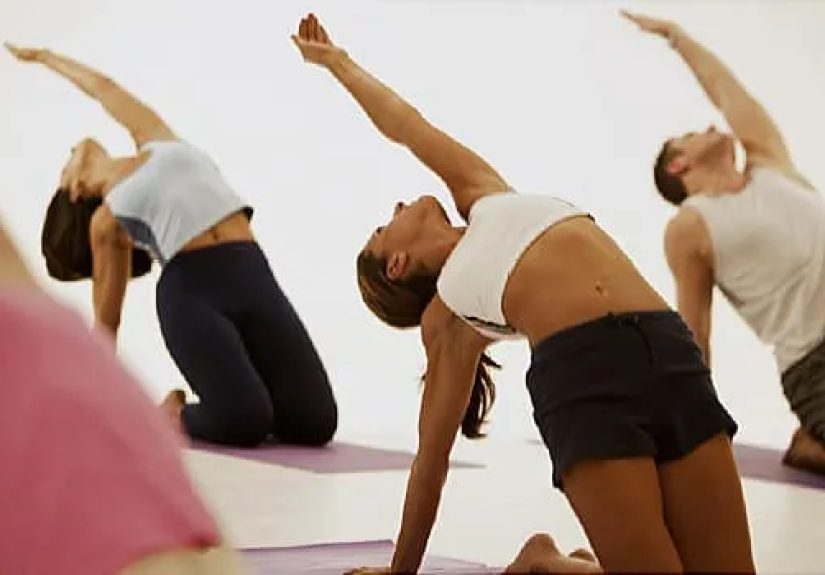
8. Yoga, Breathing, and Relaxation Work
Not all sexual performance problems come from weak muscles. Sometimes the issue is tension, stress, shallow breathing, or the inability to stop mentally checking your to-do list. That is where yoga and breathing work shine.
Why it helps: Deep breathing and mindful movement can reduce stress, improve body awareness, and help you relax. Yoga may also improve flexibility and coordination. A body that can downshift out of stress mode is often a body that functions better during intimacy.
How to do it: Spend 5 to 10 minutes on slow breathing, gentle stretching, or beginner yoga flows. Focus on exhaling fully and relaxing the jaw, shoulders, and hips. Your nervous system loves that.
A Simple Weekly Workout Plan for Better Sex
You do not need a seven-day boot camp. A balanced routine can be surprisingly manageable.
- Monday: 30 minutes brisk walking or cycling + 2 sets of squats + 2 sets of planks
- Tuesday: 10 minutes mobility work + pelvic floor practice + 20-minute easy walk
- Wednesday: 30 to 40 minutes moderate cardio + glute bridges + lunges
- Thursday: Gentle yoga or stretching + breathing practice
- Friday: Strength session with squats, bridges, planks, and lunges
- Saturday: Fun cardio like dancing, hiking, swimming, or a long walk
- Sunday: Recovery, mobility, and actual rest because your body is not a robot
If that still feels like a lot, start smaller. Ten minutes is better than zero. Consistency wins this game, not dramatic suffering.
Common Mistakes That Can Backfire
Doing only Kegels
Pelvic floor work matters, but sexual performance is not powered by one tiny muscle group. You still need cardio, strength, mobility, and recovery.
Ignoring pain
Discomfort is information. If exercise or sex causes pain, do not push through it just to prove you are dedicated. Pain with sex, pelvic pressure, leaking urine, numbness, or persistent back pain should be evaluated.
Going too hard too fast
Destroying your legs with 100 lunges on day one may leave you moving like a haunted pirate for three days. Build gradually so your body can adapt.
Forgetting sleep and stress
A fitter body helps, but poor sleep and constant stress can still sabotage desire, energy, and performance. Your workout plan works better when your recovery habits do too.
When to Talk to a Healthcare Professional
Exercise can be incredibly helpful, but it is not a substitute for medical care when symptoms point to something bigger. Talk to a clinician if you have erectile difficulties that keep happening, pain during sex, pelvic pain, urine leakage, numbness, or shortness of breath, chest pain, or dizziness with sex or exercise. Sexual symptoms can sometimes be early signs of cardiovascular, pelvic floor, hormonal, or medication-related issues.
If the issue seems tied to pelvic tension, childbirth recovery, prostate treatment, chronic pain, or pain with penetration, a pelvic floor physical therapist may be especially useful. Sometimes the smartest “exercise for better sex” is learning what to strengthen, what to relax, and what to stop overdoing.
Common Experiences People Notice After Starting These Workouts
Here is the part most people really want to know: what does it actually feel like when these exercises start helping? The answer is usually not fireworks on day three. It is more like a collection of small wins that build into something noticeable.
Many people first notice changes outside the bedroom. They feel less winded during the day. Stairs stop feeling like a personal attack. Their hips loosen up after sitting. Their lower back complains less. They sleep a little better. Their posture improves, and they carry themselves with more ease. At first, that may not sound romantic, but those changes often set the stage for better intimacy. When your body feels stronger and less stiff, you tend to bring more comfort and confidence into sexual situations too.
Another common experience is realizing that “performance” is not just about intensity. A lot of people discover that endurance matters more than dramatic effort. After a few weeks of regular cardio, they feel less fatigued and more present. Instead of thinking, “Wow, I am tired already,” they have more energy to stay engaged and enjoy the moment. That shift can be surprisingly powerful.
People also often report better awareness of their core, glutes, and pelvic floor. Before training, those areas can feel vague, almost like body parts that show up late to the meeting. Once they start doing bridges, planks, squats, and pelvic floor work, movement feels more coordinated. There is a better sense of stability and control. For some, that means feeling stronger and more grounded. For others, it means less tension and less awkward strain.
Mobility work tends to create its own category of relief. People who add hip stretches and gentle yoga often notice that positions feel less cramped and less forced. They stop fighting tight hip flexors or a grumpy lower back. Instead of bracing through discomfort, they can relax more. That matters because physical comfort and mental comfort usually travel together.
There is also a confidence piece that should not be underestimated. When you have been taking care of your body consistently, you tend to trust it more. You are less distracted by self-conscious thoughts and more likely to focus on connection. No, exercise does not turn anyone into a movie scene with suspiciously perfect lighting. But it can help you feel stronger, more attractive, and more at home in your own skin, which is often far more useful in real life.
Some men notice better erection quality or improved confidence when they stick with aerobic exercise, strength work, and pelvic floor training over time. Some women notice improved awareness, comfort, or control, especially when they learn how to both contract and relax the pelvic floor. Many people, regardless of sex, simply notice that intimacy feels easier because their body is no longer limited by poor stamina, stiffness, or tension.
The most important thing to understand is that progress is rarely dramatic all at once. It is usually gradual, practical, and quietly encouraging. You may not wake up one morning feeling like a superhero soundtrack should start playing. But after a month or two, you may realize your body moves better, your confidence is higher, and intimacy feels less like effort and more like enjoyment. That is the real win. Not perfection. Not gimmicks. Just a healthier body doing its job better.
Final Thoughts
If you want better sex, train for a better body overall. That means prioritizing circulation, stamina, hip mobility, core strength, glute power, pelvic floor control, and stress management. The flashy internet promises are usually nonsense. The boring basics, on the other hand, are impressively effective.
Start with what feels doable. Walk more. Strengthen your legs and glutes. Stretch your hips. Learn your pelvic floor. Breathe like a civilized human instead of a stressed-out squirrel. Give it a few weeks, stay consistent, and let the results build. Better sexual performance is often less about one special trick and more about having a body that feels strong, comfortable, and ready for life.