Table of Contents >> Show >> Hide
- What “Dog Salon Paper Floor” Really Means
- Why Dog Grooming Salons Even Consider Paper Floor Protection
- What Paper Floor Protection Can Do Well
- What Paper Floor Protection Cannot Do
- Best Areas to Use a Dog Salon Paper Floor
- Where You Should Not Use It
- Choosing the Right Paper for a Dog Grooming Salon
- How to Install It Safely
- Paper Floor vs. Mats vs. Permanent Flooring
- Common Mistakes to Avoid
- How to Make It Look Professional
- Final Thoughts on Dog Salon Paper Floor
- Experience Section: Real-World Lessons from Dog Salon Paper Floor Use
If you hear the phrase dog salon paper floor, you might picture a grooming shop covered wall-to-wall in notebook paper, like a craft project designed by an overcaffeinated poodle. In real life, though, the phrase makes the most sense as temporary paper floor protection used inside a dog grooming salon. And that is a topic worth talking about, because grooming spaces are messy in the most lovable way possible: wet paws, flying fur, shampoo drips, mystery splashes, and the occasional full-body shake that somehow reaches every corner of the room.
A dog grooming salon needs floors that are safe, easy to clean, and able to handle moisture and traffic without turning into a skating rink. Paper is not the hero of the entire flooring system, but it can be a smart sidekick. Used correctly, paper floor protection can help protect finished surfaces, catch debris, reduce cleanup in specific areas, and make busy days a little less chaotic. Used badly, it can bunch up, get soggy, and become the flooring version of a banana peel in a cartoon.
This guide breaks down what a dog salon paper floor really means, when it works, when it absolutely does not, and how to use it in a way that supports salon safety, cleanliness, and common sense. Because in a grooming business, “temporary” should describe the paper, not your balance after stepping on it.
What “Dog Salon Paper Floor” Really Means
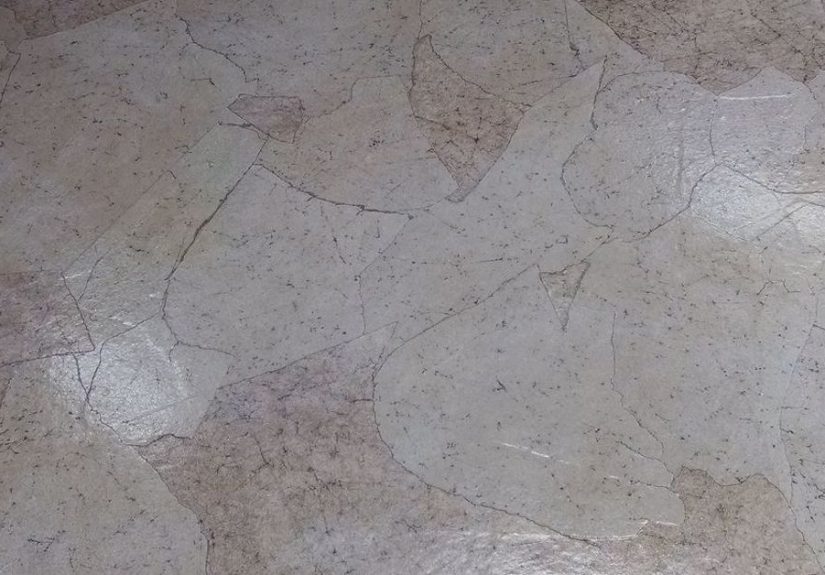
In practical terms, a dog salon paper floor is usually a temporary paper-based floor covering used to protect flooring in a grooming environment. It is not the permanent floor itself. Permanent dog grooming salon flooring is typically chosen for durability, moisture resistance, cleanability, and slip control. Paper comes in afterward as an add-on layer for special situations.
That temporary layer may be used in a few common ways:
- To protect finished floors during remodeling, repainting, or equipment installation
- To create a disposable traffic path from the entrance to the bathing area on rainy days
- To catch loose hair, mud, and light debris in low-risk zones
- To protect reception-area floors during seasonal rushes or messy check-ins
- To shield decorative or newly finished surfaces until the salon is fully operational
That distinction matters. If you treat paper like a permanent grooming-room solution, it will fail. If you treat it like temporary surface protection, it can be very useful.
Why Dog Grooming Salons Even Consider Paper Floor Protection
1. It Helps Protect Expensive Finished Floors
Some salons want a polished front-of-house look: stylish tile, polished concrete, luxury vinyl, or decorative resin floors. Those finishes look fantastic in photos and at checkout, but they also cost money. Temporary paper floor covering can protect that investment during setup, move-ins, peak season foot traffic, or messy weather.
Think of it as putting an apron on your floor. The floor still needs to behave like a responsible adult underneath, but the paper takes the first hit from dirt, moisture, and scuffs.
2. It Makes Cleanup Faster in Specific Zones
Paper can catch loose fur, packaging debris, nail trimmings, and paw-tracked dirt in drier, lower-risk areas. Instead of chasing little tumbleweeds of dog hair with a broom like a sad cowboy, staff can remove and replace the paper in a controlled area.
3. It Works Well for Temporary Layout Changes
Busy salons often create temporary stations during holidays, spring shed season, or promotional events. Paper floor protection can help define a work path or shield the floor under pop-up equipment, retail displays, or temporary waiting areas. It is flexible, simple, and far less dramatic than ripping out flooring every time business gets creative.
4. It Can Support Cleaner First Impressions
The front desk area is part salon, part pet parade, part weather event. A temporary paper runner can help manage muddy paw traffic from the entrance to the check-in zone before dogs head to bathing or grooming stations. That matters because the first thing clients notice is not your scheduling software. It is whether the place feels clean.
What Paper Floor Protection Can Do Well
Let’s give paper its flowers. Temporary floor paper can be a smart choice when you need:
- Short-term protection on dry or lightly damp surfaces
- Disposable coverage for light debris and foot traffic
- A budget-friendly shield during construction or redecoration
- Breathable coverage for some surface-protection scenarios
- Easy roll-out application with quick removal
Some products are simple rosin or construction papers meant for lighter use. Others are reinforced kraft or water-resistant options designed for tougher traffic and better moisture protection. That difference is huge. Choosing the wrong paper grade for a dog salon is like bringing a paper umbrella into a car wash and calling it a strategy.
What Paper Floor Protection Cannot Do
This is where reality enters the room wearing rubber boots.
Paper is not a substitute for proper dog grooming salon flooring. It should not be used as the main walking surface in constantly wet stations. It is also not a replacement for anti-fatigue mats, slip-resistant standing mats, drainage mats, or seamless hygienic flooring in active wash and grooming zones.
Paper is a poor choice when the area has:
- Constant water exposure
- Standing puddles
- Heavy chemical contact
- Repeated sharp claw friction
- Rolling equipment that can tear or shift the material
- Fast-moving staff carrying pets, dryers, or tools
Once paper gets saturated, wrinkled, or loose at the edges, it stops being helpful and starts auditioning for the role of workplace hazard.
Best Areas to Use a Dog Salon Paper Floor
Reception and Entry Paths
This is one of the best uses. A temporary paper runner can help manage wet footprints, tracked dirt, and little drips on stormy days. Pair it with real entrance matting outside and inside the door. The paper helps with overflow protection; the mats do the heavy lifting.
Under Temporary Retail or Waiting-Area Setups
If you are moving product shelves, adding a holiday photo corner, or rearranging crates and displays, paper can help prevent scratches and scuffs. It is especially handy when the salon is still operating during light renovation.
Hallways Between Clean and Messy Zones
A controlled transition path between the front desk and the back-of-house area can benefit from temporary paper coverage, especially when the goal is to keep the nicer client-facing floor from getting hammered all day.
During Renovation, Painting, or Equipment Installation
This is the most obvious and often the safest application. Protective paper was born for temporary surface coverage during projects. If your salon is upgrading tubs, replacing cabinets, repainting, or installing dryers, paper floor covering is a sensible move.
Where You Should Not Use It
Bathing Stations
Nope. Absolutely not. Bathing areas need waterproof, slip-resistant, easy-to-disinfect surfaces. Paper in a splash-heavy bath zone is an invitation to sliding, sticking, tearing, and regretting your choices.
Under Grooming Tables in Heavy Use
Loose fur might collect nicely for about ten minutes. Then the paper shifts, claws scratch it, wheels catch on edges, and someone says, “Whose idea was this?” Better options include proper salon mats and durable flooring that can be swept and sanitized quickly.
Dryer and High-Traffic Work Zones
Air movement, repeated foot traffic, and equipment motion can cause edges to lift or curl. In grooming shops, “slightly curled edge” is not a minor detail. It is the beginning of a story nobody wants to finish in urgent care.
Choosing the Right Paper for a Dog Grooming Salon
Light-Duty Paper
Good for short-term protection in low-traffic areas. Useful during quick touch-up projects or to shield a floor overnight before opening. Not ideal for repeated wet paw traffic.
Brown or Red Rosin Paper
Rosin paper is often used for temporary floor protection. It can be affordable and practical for lighter coverage. Brown versions are often preferred in messy environments because they are less likely to create staining drama if moisture becomes part of the plot. Still, rosin paper is not magic. Leave wet material sitting too long, and it will remind you that paper is, in fact, paper.
Reinforced Kraft or Water-Resistant Paper
This is the smarter option for grooming-adjacent use. Stronger paper products resist tearing better, handle higher traffic, and usually perform more reliably where moisture protection matters. If your dog salon paper floor needs to survive actual business instead of a polite little afternoon, reinforced material is the better bet.
Construction Board or Heavier Temporary Floor Covers
For remodels or major protection needs, a heavier board-style floor protector may be better than basic paper. It costs more, but it also behaves more like a grown-up.
How to Install It Safely
- Start with a clean, dry floor. Dirt under the paper creates bumps, and moisture under the paper creates trouble.
- Measure the path carefully. Avoid weird overlaps where wheels, shoes, or paws can catch.
- Use the right tape for the floor type. Test first so you do not trade one problem for adhesive residue.
- Keep edges flat and secure. No bubbles, no ridges, no “it’ll probably be fine.”
- Do not cross active wet zones. If the area regularly gets soaked, use a mat or a floor product made for moisture.
- Inspect throughout the day. Replace torn, curled, or saturated sections immediately.
Temporary floor protection should look deliberate. If it looks tired, ripped, or improvised, clients will notice, staff will hate it, and safety will take the hint.
Paper Floor vs. Mats vs. Permanent Flooring
Paper Floor Protection
Best for temporary protection, light debris control, and shielding finishes during projects or messy weather. Cheap, disposable, convenient. Weak in wet, high-risk work areas.
Entrance and Walk-Off Mats
Best for capturing moisture and soil at the door. They help keep the salon cleaner and safer, but they must stay flat, stay in place, and be maintained. A buckled or saturated mat is not a hero. It is a problem with branding.
Anti-Fatigue and Grooming Mats
Best for staff comfort at grooming tables and certain workstations. These can reduce strain during long standing periods, but they also need frequent cleaning and correct placement. Some soft mats collect hair or trap water underneath if not managed properly.
Permanent Seamless or Slip-Resistant Flooring
Best for the real work of a dog salon. This is the core solution for wet, busy, hygienic, daily-use environments. The right permanent floor should support cleaning, sanitation, traction, and durability. Paper is the accessory. Permanent flooring is the backbone.
Common Mistakes to Avoid
- Using paper in splash-heavy bathing areas
- Leaving wet paper down too long
- Ignoring lifted corners or torn seams
- Assuming any tape works on any finish
- Choosing cheapest paper instead of the right grade
- Using paper instead of entrance matting
- Treating temporary protection like a permanent flooring strategy
Another mistake? Forgetting the client experience. If your reception area looks like a construction site for six straight months, clients will not call it “industrial chic.” They will call it “concerning.”
How to Make It Look Professional
If you are going to use a dog salon paper floor in visible areas, presentation matters. Keep it neat, cut clean lines, replace it often, and use it with intention. Temporary protection can still look organized.
You can also use paper strategically rather than everywhere. Cover the route that actually gets messy. Protect the area around retail displays. Shield the section near the check-in bench. Let the permanent flooring still do its job and look good where it can.
A smart salon never confuses “covered” with “clean.” The goal is not to hide the floor. The goal is to protect it while keeping the space safe and polished.
Final Thoughts on Dog Salon Paper Floor
A dog salon paper floor is a useful idea when it is understood correctly. It is not your permanent salon floor, not your wet-zone solution, and definitely not a substitute for real slip-resistant flooring. But as a temporary protective layer in selected areas, it can be practical, affordable, and surprisingly effective.
The smartest salons use paper where paper makes sense, mats where mats make sense, and durable hygienic flooring where only serious flooring will do. That layered approach keeps the space cleaner, safer, and easier to manage. In other words, your floor plan should be less “random pile of supplies” and more “carefully staged performance starring a goldendoodle who refuses to stand still.”
If your salon is considering paper floor protection, the winning question is simple: Is this a temporary shield in a low-risk area, or am I asking paper to do a waterproof floor’s job? If the answer is the second one, step away from the roll.
Experience Section: Real-World Lessons from Dog Salon Paper Floor Use
One of the most useful lessons salon owners learn is that paper floor protection works best when it solves a very specific problem. For example, during rainy weeks, the front desk can become a parade of damp paw prints, wet sneakers, and nervous excitement. A temporary paper path from the door to the check-in area can make the whole room feel more controlled. Staff can swap it out quickly, the nicer flooring underneath stays cleaner, and clients do not feel like they are entering a swamp with shampoo samples.
Another common experience happens during salon upgrades. Maybe the business is installing a new tub, moving drying stations, or repainting the lobby while still seeing clients. In those situations, paper floor covering can be a lifesaver. It keeps tools, carts, dust, and foot traffic from beating up finished surfaces. It also gives the team mental permission to keep working. Without protection, everyone walks around nervously, like one dropped dryer hose might trigger a flooring funeral.
There is also a big difference between the way paper behaves in the front of the salon and the way it behaves in the back. In reception, it can feel helpful and tidy. Near the bathing area, it often turns dramatic. Water creeps in, edges soften, and the paper starts looking like it has been through an emotional breakup. Salons that have tried using it too close to wet stations usually learn the same lesson fast: paper belongs near moisture management, not inside a moisture war zone.
Some grooming teams like paper because it creates a visible “mess boundary.” Hair, debris, and muddy paw marks land on the paper, and everyone knows that section is the sacrificial zone. At the end of the day, the team rolls it up, tosses it, and the floor underneath needs less rescue work. That can be especially helpful during high-volume weekends when time matters more than perfection and everyone is one doodle away from a snack break.
At the same time, staff experience matters. Groomers and bathers tend to dislike anything underfoot that shifts, wrinkles, or feels unreliable. Even if clients never notice it, employees absolutely will. That is why successful use usually depends on frequent inspection and fast replacement. When the paper stays flat, it feels helpful. When it starts curling, it becomes the coworker nobody trusts.
Salon owners who get the best results usually follow one simple rule: use paper to protect the business, not to avoid investing in the right flooring system. Once that mindset clicks, the material becomes a practical tool instead of a questionable shortcut. And in a dog salon, practical tools are worth their weight in de-shedding fur.