Table of Contents >> Show >> Hide
- Why Old Houses Feel So Magical
- 1. Original Hardwood Floors With Real Character
- 2. Pocket Doors That Glide Like a Secret
- 3. Transom Windows That Let Rooms Breathe
- 4. Built-In Cabinets, Bookcases, and Window Seats
- 5. Fireplaces and Mantels With Personality
- 6. Stained Glass and Wavy Old Windows
- 7. Grand Staircases and Hand-Touched Railings
- 8. Porches Made for Real Life
- 9. Butler’s Pantries and Practical Little Rooms
- 10. Plaster Walls, Crown Molding, and Real Millwork
- 11. Clawfoot Tubs and Vintage Bathroom Details
- 12. Radiators, Registers, and Mechanical Charm
- 13. Secret-Like Features: Laundry Chutes, Tiny Doors, and Speaking Tubes
- How to Preserve the Magic Without Living in a Museum
- Experiences That Reveal the Magic of Old Houses
- Conclusion
- SEO Tags
Old houses have a way of greeting you before you even step inside. Maybe it is the groan of a wood floorboard, the sparkle of wavy glass in a window, or a staircase banister polished smooth by generations of hands. Whatever the spell is, it works. Modern homes can be sleek, efficient, and wonderfully convenient, but old houses often have something harder to manufacture: soul.
The most magical features of old houses are not just decorative extras. Many were designed for comfort, airflow, storage, privacy, craftsmanship, or daily rituals that made home life feel rich and personal. Built-in cabinets, pocket doors, transom windows, original fireplaces, stained glass, wide porches, and hand-carved trim all tell a story. They remind us that homes were once designed with patience, personality, and a deep respect for materials.
This article explores the historic home details that make older properties so beloved. Some are practical. Some are romantic. Some are a little mysterious, like tiny doors, speaking tubes, or a laundry chute that makes children believe the house has secret powers. Together, these vintage house features explain why old homes continue to charm buyers, designers, preservationists, and anyone who has ever whispered, “They just don’t build them like this anymore.”
Why Old Houses Feel So Magical
The magic of an old house begins with individuality. Many historic homes were built before mass-produced materials and copy-paste floor plans became common. Even modest houses often included custom woodwork, locally sourced brick, handmade tile, unusual windows, or room layouts shaped by climate and lifestyle. A 1910 Craftsman bungalow, a Victorian farmhouse, and a Colonial Revival home may all be “old,” but each speaks its own architectural language.
Another reason old houses feel special is that they show evidence of human hands. You can see it in slightly uneven plaster walls, dovetailed drawers, original hardwood floors, decorative brackets, and mantels with tiny tool marks. These details do not feel imperfect in a bad way. They feel alive. A perfectly smooth wall says, “I was installed last Tuesday.” A plaster wall with character says, “I have survived holidays, storms, wallpaper trends, and at least one questionable paint color from 1978.”
Old houses also reward attention. The longer you live with one, the more you notice: a little brass keyhole, a window seat tucked under a dormer, a pantry shelf built exactly for jars, or a front door that catches sunset light like it is auditioning for a period drama. These details are not always loud, but they are unforgettable.
1. Original Hardwood Floors With Real Character
Original hardwood floors are one of the most beloved features of old houses. Unlike many modern flooring products, old wood floors often have depth, patina, and variation that come from decades of use. Oak, maple, heart pine, fir, and walnut were common in different regions and periods. Their grain patterns, warm tones, and natural wear create a visual history that no box of “instant rustic” laminate can truly imitate.
What makes these floors magical is not that they are flawless. It is that they are beautifully imperfect. A small stain near the dining room may hint at years of family meals. A softened threshold may reveal the path everyone took from the kitchen to the porch. Even creaks become part of the personality. In a modern house, a creak is a defect. In an old house, it is the building clearing its throat before telling you a story.
Why they matter
Original wood floors add warmth, durability, and architectural continuity. When preserved or carefully refinished, they can anchor an entire interior design. They also help maintain the historic character of a home, especially when paired with original trim, doors, and staircases.
2. Pocket Doors That Glide Like a Secret
Pocket doors are among the most enchanting vintage house features. These doors slide into the wall instead of swinging open, making them both elegant and space-saving. In many older homes, pocket doors separate parlors, dining rooms, libraries, and sitting rooms. When open, they allow rooms to flow together. When closed, they create privacy, warmth, and a touch of theatrical drama.
There is something deeply satisfying about a heavy wood pocket door rolling out from a hidden wall cavity. It feels part architecture, part magic trick. Modern open-concept homes often remove boundaries entirely, but pocket doors offer flexibility. They let a house breathe, gather, divide, and transform without knocking down walls or making everyone listen to the blender during a serious conversation.
Design charm
Old pocket doors often feature solid wood panels, glass inserts, brass hardware, or carved details. Restoring them can be a rewarding project because they combine beauty with function. A working pocket door is not just a door; it is a small daily ceremony.
3. Transom Windows That Let Rooms Breathe
Before central air conditioning, houses had to be clever. Transom windows, those small windows placed above doors, helped improve airflow and carry light from one room to another. In warm climates, operable transoms allowed hot air to rise and move through the house. In interior hallways, they borrowed light from brighter rooms and made spaces feel less closed off.
Today, transom windows are loved for their charm as much as their practical history. They make doorways feel taller, add architectural rhythm, and create a gentle sense of openness. A transom above a bedroom door, pantry, or front entry can make even a simple space look graceful.
Old-house magic
Some transoms are plain glass. Others include stained glass, beveled glass, or decorative muntins. When sunlight hits them just right, they can make a hallway look like it has been sprinkled with tiny diamonds. That is not a technical preservation term, but it should be.
4. Built-In Cabinets, Bookcases, and Window Seats
Built-ins are one of the great joys of old houses. Instead of treating storage as an afterthought, older homes often incorporated cabinets, shelves, benches, desks, and china hutches directly into the architecture. Craftsman homes are especially famous for built-in bookcases, dining room buffets, benches, and colonnades that make every room feel intentional.
A built-in cabinet says, “This wall had a purpose from the beginning.” That is why these features feel so satisfying. They use space efficiently, reduce the need for bulky furniture, and add craftsmanship that instantly gives a room personality. A window seat, for example, is not merely a bench. It is a reading nook, a daydreaming station, a cat throne, and an excellent place to avoid folding laundry.
Why homeowners love them
Built-ins add both charm and practicality. They can store books, linens, dishes, games, office supplies, or heirlooms while preserving a clean and cozy look. In older homes, they often reflect the original lifestyle of the house, from formal dining to quiet reading corners.
5. Fireplaces and Mantels With Personality
Few old-house features create atmosphere like an original fireplace. Even when a fireplace is no longer used for heat, the mantel, surround, tile, and hearth often remain as a visual centerpiece. Victorian homes may include ornate carved mantels and colorful tile. Craftsman homes may have brick or stone fireplaces with simple, strong lines. Colonial Revival homes often feature symmetrical mantels with classical details.
The fireplace was once the heart of the home in a very literal way. It provided heat, light, and a gathering place. Today, it still gives a room emotional gravity. Furniture naturally circles it. Holiday decorations cling to it. Guests admire it. Pets claim it as their birthright.
Preservation tip
If an old fireplace is not safe to use, homeowners can often preserve the mantel and surround while having the firebox, chimney, or insert professionally evaluated. The visual magic remains, even if the flames are now candles, electric logs, or a very dramatic arrangement of birch branches.
6. Stained Glass and Wavy Old Windows
Old windows are among the most character-defining elements of historic homes. Their proportions, muntin patterns, wood frames, and glass quality all contribute to the look of a house. Many older windows include wavy glass, which bends reflections slightly and gives sunlight a soft, shimmering quality. It is like looking through time, but with better curtains.
Stained glass adds another layer of beauty. A jewel-toned stair landing window, a floral transom, or a colorful front-door sidelight can turn ordinary daylight into art. These windows were not merely decorative. They provided privacy, filtered light, and gave the home a distinct identity from the street.
Why they are worth saving
Historic wood windows can often be repaired, weatherstripped, and paired with storm windows for better performance. Preserving them helps maintain architectural character while reducing unnecessary waste. Replacement may be necessary in some cases, but original windows deserve thoughtful evaluation before anyone reaches for the dumpster.
7. Grand Staircases and Hand-Touched Railings
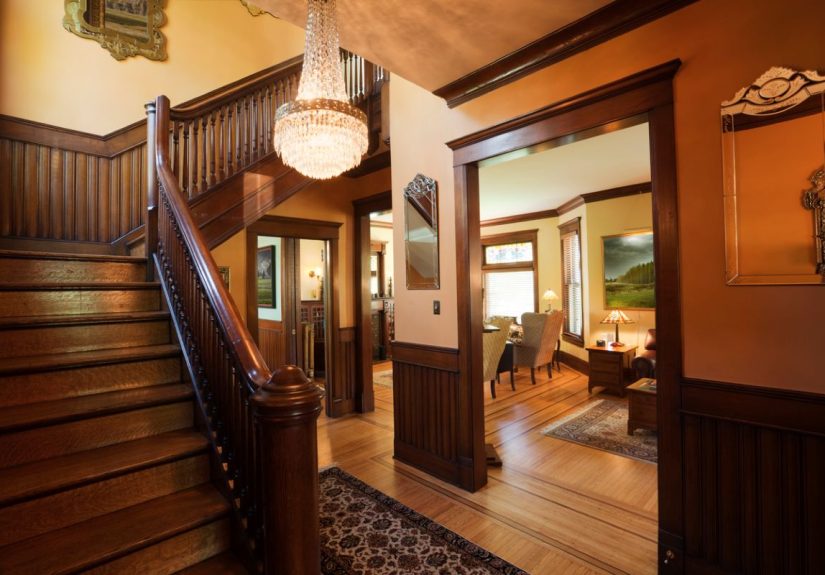
An old staircase can make an entrance feel unforgettable. Whether it is a sweeping Victorian staircase, a simple farmhouse stair, or a Craftsman design with sturdy square balusters, this feature often acts as the spine of the house. It connects floors, guides movement, and creates a natural focal point.
The magic is in the details: a curved handrail, turned newel post, carved brackets, or steps worn slightly lower in the center. These signs of age do not weaken the beauty. They deepen it. A staircase touched by generations has a quiet dignity that new materials need decades to earn.
8. Porches Made for Real Life
Old houses often understand porches better than newer ones. A generous front porch, wraparound porch, screened porch, or sleeping porch creates a bridge between indoors and outdoors. Before air conditioning, porches helped shade the house, encourage airflow, and offer cooler living space during hot months. They were also social spaces where neighbors waved, families gathered, and iced tea performed its most important civic duty.
A porch changes the way a house meets the world. It makes the front elevation feel welcoming and gives homeowners a place to sit without committing to a full backyard expedition. Screened porches and sleeping porches add even more romance, turning breezes, rain sounds, and evening light into part of daily life.
Modern appeal
Today, porches remain highly desirable because they support slower, more connected living. Add a swing, a pair of rockers, and one stubborn fern, and suddenly the house has a social life.
9. Butler’s Pantries and Practical Little Rooms
Older homes often include small, hardworking rooms that modern layouts sometimes forgot. The butler’s pantry is a perfect example. Traditionally located between the kitchen and dining room, it stored dishes, silver, linens, serving pieces, and sometimes food. In larger homes, it helped household staff prepare meals out of sight. In today’s homes, it can become a coffee bar, baking station, appliance garage, wine storage area, or party-prep zone.
Other practical old-house spaces include mudrooms, back staircases, linen closets, dressing rooms, and storage nooks built under eaves. These spaces may be small, but they make a house feel deeply useful. They prove that charm and function do not have to be enemies. In fact, in old homes, they often share a closet.
10. Plaster Walls, Crown Molding, and Real Millwork
Historic millwork gives old houses their finished, tailored look. Crown molding, baseboards, chair rails, picture rails, door casings, window trim, and wall paneling all help define a room’s scale and style. In many older homes, these details were made from high-quality wood and installed with care.
Plaster walls also add a subtle magic. They have a density and texture that drywall does not fully replicate. They can make rooms feel quieter, sturdier, and more substantial. Yes, plaster can crack. Yes, repairing it requires patience. But the result has a depth that feels wonderfully old-world.
Picture rails: tiny heroes
Picture rails are especially charming. These narrow moldings allowed homeowners to hang art from hooks and cords without punching holes directly into plaster walls. They are practical, decorative, and slightly fancy, which is exactly the old-house sweet spot.
11. Clawfoot Tubs and Vintage Bathroom Details
A clawfoot tub can make a bathroom feel instantly romantic. These freestanding tubs, often made of cast iron with porcelain enamel, were built to last. Their raised feet, rolled rims, and sculptural presence give the bathroom a sense of ceremony. Taking a bath in one feels less like “washing up” and more like “retiring from society for 42 minutes.”
Old bathrooms may also include medicine cabinets with tiny slots for razor blades, hex tile floors, pedestal sinks, built-in linen storage, and original hardware. These details remind us that utility can still be beautiful. A small vintage bathroom may not have the square footage of a modern spa, but it often has enough personality to carry the whole second floor.
12. Radiators, Registers, and Mechanical Charm
Not every magical feature is purely decorative. Old radiators, floor registers, brass vents, and cast-iron grilles can add industrial beauty to a room. Radiators in particular have become beloved by many old-house owners because of their sculptural shapes and steady heat.
Of course, older mechanical systems should always be inspected and maintained by qualified professionals. Charm is wonderful; carbon monoxide is not. But when old systems are safe and functional, they can contribute to the historic feel of the home. Even a decorative heat register can be a small work of art underfoot.
13. Secret-Like Features: Laundry Chutes, Tiny Doors, and Speaking Tubes
Some old-house features feel magical because they are a little odd. Laundry chutes, milk doors, coal doors, dumbwaiters, telephone niches, servant call buttons, speaking tubes, and mysterious tiny closets all spark curiosity. They reflect daily routines from another era and make a house feel full of clues.
A laundry chute is practical, but to a child it is basically a domestic portal. A telephone niche reminds us of a time when phones stayed in one place and people did not lose them under couch cushions. A milk door hints at morning deliveries and a world before grocery apps. These details may no longer serve their original purpose, but they add storytelling power that new homes rarely include.
How to Preserve the Magic Without Living in a Museum
Owning an old house does not mean freezing it in time. The best historic homes balance preservation with real modern life. Kitchens need to function. Bathrooms need safe plumbing. Electrical systems must meet today’s needs. Insulation, roofing, drainage, and heating matter. The goal is not to worship every cracked tile or outdated fixture. The goal is to understand what gives the house its character before making changes.
A thoughtful renovation starts by identifying the most important features: original windows, trim, floors, doors, staircase, fireplace mantels, built-ins, porch elements, and exterior materials. Once you know what matters, you can make smarter decisions. Sometimes restoration is best. Sometimes sensitive replacement is necessary. Sometimes the right move is simply cleaning, repairing, and not painting the gorgeous woodwork white just because the internet had a beige week.
Smart old-house updates
Good updates respect scale, materials, and proportion. New cabinets can echo the lines of old built-ins. Modern lighting can complement vintage hardware. A renovated bathroom can keep hex tile or a pedestal sink while gaining better ventilation. Energy improvements can be made carefully, especially around historic windows, attics, basements, and mechanical systems.
Experiences That Reveal the Magic of Old Houses
The real magic of old houses often appears in small daily moments. You do not fully understand an old house from a real estate listing or a quick tour. You understand it after living with the morning light, the evening shadows, the one door that needs a firm hip-check, and the floorboard that announces every midnight snack with the confidence of a town crier.
One of the most memorable experiences in an old house is discovering details slowly. On move-in day, you notice the big things: the staircase, fireplace, porch, and original floors. A few weeks later, you realize the dining room has a built-in drawer perfectly sized for table linens. A month after that, you find an old hook in the pantry and wonder what hung there. Later still, you notice that the transom window above the hall door lines up with the sunset in June. The house keeps introducing itself, one charming secret at a time.
Seasonal living also feels different in an old house. In spring, tall windows open with a satisfying weight, and the whole house seems to inhale. In summer, the porch becomes the best room, especially when rain taps the roof and the air smells like wet leaves. In autumn, old wood floors glow warmer, fireplaces look important again, and the house practically begs for soup. In winter, radiators tick, staircases creak, and every room feels like it belongs in a novel where someone is either baking bread or solving a gentle mystery.
Old houses also teach patience. A new house may ask for decorating decisions. An old house asks for a relationship. You learn which windows need easing open, which plaster cracks are harmless, which knob turns backward, and which closet is colder than reason. You learn to research before renovating. You learn that original hardware is worth saving, that old doors may not be perfectly square, and that “quick weekend project” is a phrase old houses find hilarious.
There is also a special joy in becoming a caretaker rather than just an owner. When you preserve a mantel, repair a window, restore a porch rail, or uncover original wood floors, you are participating in the home’s ongoing story. You are not simply making the house prettier for yourself. You are protecting craftsmanship for the next person who will walk in, touch the banister, and feel that little spark of wonder.
And then there are the conversations. Old houses attract stories. Neighbors may remember previous owners. A contractor may explain why a wall was built a certain way. A guest may point to a detail you stopped noticing and say, “Wow, look at that.” Suddenly, you see it again. That is the gift of an old house: it keeps reminding you to pay attention.
Living in an old house is not always easy. There may be drafts, quirks, repairs, and mysteries hiding behind walls. But the rewards are rich. An old house can make ordinary routines feel rooted and meaningful. Morning coffee tastes better in a breakfast nook with wavy glass. Reading feels cozier in a window seat. Even walking upstairs can feel ceremonial when the banister has been polished by a century of hands. That is the kind of magic no smart thermostat can download.
Conclusion
The most magical features of old houses are magical because they combine beauty, usefulness, craftsmanship, and memory. Original hardwood floors, pocket doors, transom windows, fireplaces, stained glass, built-ins, porches, pantries, plaster walls, and vintage hardware all help a home feel layered and alive. These details were often created with materials and methods that deserve respect, not quick disposal.
Old houses remind us that a home can be more than shelter. It can be a storyteller, a time capsule, a workshop of human skill, and a place where daily life feels connected to something larger. Preserving old-house charm does not mean rejecting modern comfort. It means choosing updates that honor character while making the home safe, efficient, and livable.
In a world of fast design and disposable finishes, old houses invite us to slow down. They ask us to notice the curve of a handrail, the glow of stained glass, the usefulness of a pantry, and the quiet poetry of a porch at dusk. That is their magic. And luckily, it is the kind of magic that only gets better with age.