Table of Contents >> Show >> Hide
- What Is the Glass Pasta Pot Knpro?
- Why Borosilicate Glass Matters
- Key Features of the Glass Pasta Pot Knpro
- How It Compares to a Traditional Pasta Pot
- Is the Glass Pasta Pot Knpro Safe?
- How to Use the Glass Pasta Pot Knpro for Perfect Pasta
- Best Foods to Cook in a Glass Pasta Pot Knpro
- Who Should Buy the Glass Pasta Pot Knpro?
- Cleaning and Maintenance Tips
- Buying Tips for a Glass Pasta Pot
- Common Mistakes to Avoid
- Design Appeal: Why People Love Transparent Cookware
- Is the Glass Pasta Pot Knpro Worth It?
- Extra Experience Notes: Living With a Glass Pasta Pot Knpro
- Conclusion
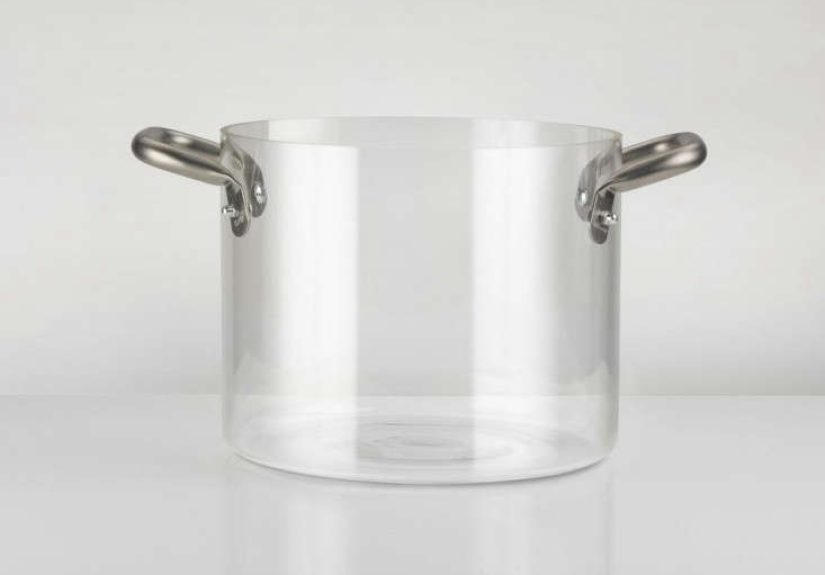
Some cookware quietly does its job. The Glass Pasta Pot Knpro, on the other hand, walks into the kitchen wearing clear designer glasses and says, “Yes, you may watch the spaghetti dance.” Also known through KnIndustrie’s KnPro/Glasspot line, this transparent pasta pot is not just another vessel for boiling noodles. It is a design-forward borosilicate glass pasta pot created for people who like their cooking practical, beautiful, and just a little theatrical.
At first glance, the idea sounds almost too simple: a clear pot for cooking pasta. But that simplicity is exactly the point. Instead of hiding boiling water, swirling penne, bright vegetables, or seafood behind metal walls, the Glass Pasta Pot Knpro turns everyday cooking into a visual experience. It lets the ingredients become part of the show. For home cooks who care about both function and kitchen style, that is a pretty charming trick.
This guide explores what the Glass Pasta Pot Knpro is, how it works, why borosilicate glass matters, what makes it different from ordinary pasta pots, and how to use it wisely. Because yes, glass cookware can be gorgeousbut it also deserves respect. It is cookware, not a magic aquarium for linguine.
What Is the Glass Pasta Pot Knpro?
The Glass Pasta Pot Knpro is a transparent pasta pot associated with KnIndustrie, an Italian cookware and design brand known for blending professional kitchen function with modern aesthetics. The pot is typically described as being made from thick, flame-resistant borosilicate glass. Depending on the set, it may include stainless steel inserts, a lid, removable baskets, and a detachable or universal handle system.
The central idea is beautifully straightforward: cook pasta, vegetables, rice, shellfish, or other boiled foods while seeing every movement inside the pot. Instead of lifting the lid and guessing whether the water is rolling or the pasta has clumped into a tragic wheat-based knot, you can simply look through the wall of the pot.
A Design Object That Actually Cooks
Unlike purely decorative kitchenware, the Glass Pasta Pot Knpro is meant to be used. Its transparent design is not just for display shelves or social media close-upsthough, let’s be honest, it photographs extremely well. The pot’s borosilicate glass construction is intended for heat resistance, while the stainless steel inserts make draining and separating foods easier.
In a typical pasta night scenario, one insert can hold noodles while another can be used for vegetables, seafood, or smaller portions. This makes the pot especially interesting for couples, small families, or anyone who has ever cooked regular spaghetti and gluten-free pasta at the same time while trying not to mix them like a culinary crime scene.
Why Borosilicate Glass Matters
Not all glass cookware is the same. That distinction is important because many people hear “glass pot” and immediately picture a casserole dish meeting a stovetop and choosing violence. Borosilicate glass is different from ordinary soda-lime glass. It is made with boron trioxide, which helps it resist thermal stress better than standard glass.
In practical terms, borosilicate glass is valued because it handles temperature changes more gracefully, does not react with acidic foods, resists staining, and does not absorb odors. That makes it suitable for boiling pasta, blanching vegetables, simmering delicate broths, or cooking foods where flavor purity matters.
Non-Reactive Cooking Surface
One of the biggest advantages of a borosilicate glass pasta pot is that it is non-reactive. That means acidic ingredients, salty water, tomato-based sauces, lemon, vinegar, or wine will not interact with the pot surface in the way they might with reactive metals such as untreated aluminum or copper.
For a pasta pot, this is a quiet but useful benefit. Pasta water is salted, sometimes heavily. Vegetables may release minerals and color. Shellfish can be briny. A non-reactive pot keeps the cooking environment clean and neutral, helping the food taste like itself rather than like the pot joined the recipe uninvited.
Key Features of the Glass Pasta Pot Knpro
The Glass Pasta Pot Knpro stands out because it combines design, visibility, and practical pasta-cooking features. It is not designed to replace every stockpot in your kitchen, but it can become a specialty piece you reach for when you want cooking to feel more intentional.
Transparent Borosilicate Glass Body
The pot’s clear glass body is its signature feature. You can watch pasta soften, vegetables brighten, bubbles form, and ingredients move through the water. This visibility is useful for timing and texture, especially when cooking delicate items like ravioli, tortellini, asparagus, shrimp, or fresh noodles.
Stainless Steel Inserts
Many KnPro glass pot sets include stainless steel removable baskets or colander-style inserts. These allow you to lift food out of the water without pouring a heavy pot into the sink. That is helpful when cooking multiple ingredients or when saving pasta water for sauce.
Anyone who has tried to drain pasta while steam fogs their glasses and the colander wobbles like it has personal problems will appreciate this feature.
Minimalist Shape
The pot usually has a clean cylindrical shape that suits modern kitchens. Because the walls are transparent, the pot does not visually dominate the cooktop. Instead, the ingredients provide the color and movement. In a kitchen filled with stainless steel, matte black appliances, and ceramic counters, the glass pot adds softness and lightness.
Multi-Purpose Use
Although it is marketed as a pasta boiling pot, the Glass Pasta Pot Knpro can also be used for vegetables, dumplings, seafood, soups, and even as a serving vessel for chilled drinks or decorative presentations, depending on the model and manufacturer guidance. It is the rare pot that can boil rigatoni on Tuesday and look elegant holding ice and bottles on Saturday.
How It Compares to a Traditional Pasta Pot
A traditional stainless steel pasta pot is usually chosen for durability, fast heat conduction, capacity, and toughness. Stainless steel is forgiving, dishwasher-friendly, and comfortable with daily abuse. It can survive dropped spoons, aggressive scrubbing, and the occasional “I forgot this was on the burner” moment.
The Glass Pasta Pot Knpro is different. It is less about rugged utility and more about controlled, beautiful cooking. It offers visibility, non-reactivity, and visual appeal, but it also requires more careful handling. Think of stainless steel as the dependable pickup truck. The glass pasta pot is the elegant convertible: wonderful when used properly, but not something you toss around carelessly.
Advantages Over Metal Pasta Pots
The clearest advantage is visibility. You can monitor the cooking process without removing the lid. The second advantage is the non-reactive surface, which keeps flavors clean. The third is presentation. A glass pasta pot can move from stovetop to table and still look like it belongs in a design magazine rather than a restaurant supply closet.
Disadvantages to Consider
Glass does not conduct heat like aluminum or copper, and it may heat more slowly than metal cookware. It can also be vulnerable to breakage if dropped, knocked, or exposed to sudden temperature shock. Users should follow the manufacturer’s instructions carefully, especially regarding stovetop compatibility, flame diffusers, induction adapters, maximum heat settings, and cleaning.
Is the Glass Pasta Pot Knpro Safe?
When used according to the manufacturer’s instructions, borosilicate glass cookware can be safe and effective. However, safety depends on using the correct type of glass pot for the correct heat source. This is where shoppers need to pay close attention.
Ordinary glass bakeware is generally not intended for direct stovetop heat. A purpose-built borosilicate stovetop pot is different, but even then, it should be used with care. Always confirm that your specific model is rated for your cooktop. If the instructions recommend a flame diffuser or induction adapter, use it. Cookware instructions are not decorative poetry; they are the difference between dinner and disaster.
Thermal Shock: The Big Thing to Avoid
Thermal shock happens when glass experiences a sudden temperature change, causing different parts of the material to expand or contract too quickly. This can lead to cracking or shattering. To reduce the risk, avoid placing a hot glass pot on a cold wet surface, filling a hot empty pot with cold water, or moving it directly from the refrigerator to high heat.
Use dry trivets, dry potholders, and gradual temperature changes. If the pot is hot, treat it like it is hot everywhereincluding handles, inserts, and lid components. Kitchen bravery is admirable. Grabbing hot glass barehanded is not bravery; it is a fast route to regretting your life choices.
How to Use the Glass Pasta Pot Knpro for Perfect Pasta
Cooking pasta in a glass pot follows the same fundamentals as cooking pasta in a traditional pot, with one bonus: you get to watch the whole show. The goal is still salted water, enough room for movement, good timing, and proper saucing.
Step 1: Check the Cooktop Compatibility
Before anything goes near heat, confirm whether the pot works with gas, electric, ceramic, or induction. Some glass pots require accessories for induction cooking. Others may recommend a diffuser for gas flames. A flame that licks up the sides of the glass is not helpful; it is just dramatic in the wrong way.
Step 2: Fill with Water Before Heating
Avoid heating an empty glass pot unless the manufacturer specifically says it is safe. Add water first, then bring it up to temperature gradually. This helps distribute heat more evenly and protects the glass.
Step 3: Salt the Water
Salted water is one of the simplest upgrades in pasta cooking. Pasta absorbs water as it cooks, and that water seasons the pasta from the inside. The exact amount depends on preference, but the goal is water that tastes pleasantly seasoned, not like the Atlantic Ocean moved into your kitchen.
Step 4: Stir Early
Stirring during the first minute or two helps prevent pasta from sticking. The glass walls make it easy to see whether noodles are moving freely or forming a carbohydrate committee at the bottom.
Step 5: Save Pasta Water
One of the best reasons to use insert baskets is that you can lift pasta out while keeping the starchy water in the pot. That water is gold for sauce. A splash can help emulsify olive oil, butter, cheese, or tomato sauce, making the finished pasta glossy and cohesive.
Best Foods to Cook in a Glass Pasta Pot Knpro
The Glass Pasta Pot Knpro is ideal for foods that benefit from boiling, simmering, blanching, or gentle cooking. It is not a searing pan, a frying pan, or a broiler-safe superhero. Use it where visibility and non-reactive cooking shine.
Pasta and Noodles
Spaghetti, penne, rigatoni, linguine, farfalle, ramen, soba, and fresh egg noodles all benefit from the pot’s visibility. You can watch how they move, soften, and expand. Fresh pasta, in particular, cooks quickly, so being able to observe it closely is useful.
Vegetables
Blanching green beans, asparagus, broccoli, or peas in a glass pot is unexpectedly satisfying. You can see the color brighten as the vegetables cook. With a removable basket, it is easy to lift them out and transfer them to ice water if you want crisp-tender results.
Seafood
Shrimp, mussels, clams, and small seafood portions are well suited to visible cooking. You can observe shellfish opening or shrimp turning opaque without constantly lifting the lid.
Dumplings and Ravioli
Delicate stuffed foods can be monitored closely. If ravioli begin sticking or dumplings float to the surface, you will see it happen. No more guessing through steam like a pasta fortune teller.
Who Should Buy the Glass Pasta Pot Knpro?
The Glass Pasta Pot Knpro is best for people who appreciate both cooking performance and design. It is especially appealing if you have an open kitchen, entertain often, or enjoy cookware that doubles as a conversation piece.
It is also a smart choice for cooks who make pasta frequently and like the idea of insert baskets. If you often cook two types of pasta at once, blanch vegetables while pasta boils, or save cooking water for sauces, the setup can be genuinely useful.
Best For
This pot is best for design lovers, pasta enthusiasts, small households, people who enjoy modern Italian cookware, and cooks who want a non-reactive boiling vessel. It is also excellent for anyone who believes kitchen tools should be both practical and beautiful.
Not Ideal For
It may not be ideal for cooks who want one indestructible workhorse pot for everything. If you regularly cook over very high heat, toss cookware into the sink, stack heavy pans aggressively, or expect a pot to survive life like a cast iron skillet, glass may not be your happiest match.
Cleaning and Maintenance Tips
Cleaning a glass pasta pot is usually simple because glass does not hold odors and is naturally smooth. Still, gentle care helps preserve clarity and longevity.
Let It Cool First
Do not rush a hot glass pot into cold water. Let it cool gradually before washing. This one rule alone can prevent many problems.
Use Non-Abrasive Tools
A soft sponge, mild dish soap, and warm water are usually enough. Avoid harsh scouring pads that may scratch surfaces or dull the glass over time.
Handle Inserts Separately
If the pot includes stainless steel baskets, remove and wash them separately. Check corners and perforations where starch can cling. Pasta is sneaky; it loves hiding in tiny holes like it pays rent there.
Inspect Before Use
Before cooking, check for chips, cracks, or damage. Do not use damaged glass cookware over heat. Even a small crack can become a big problem once heat enters the chat.
Buying Tips for a Glass Pasta Pot
If you are shopping for a Glass Pasta Pot Knpro or a similar borosilicate glass pasta pot, focus on specifications rather than looks alone. Transparent cookware is attractive, but the details determine whether it will work in your kitchen.
Confirm Material
Look for borosilicate glass, not vague “glass” descriptions. Borosilicate is preferred for heat-resistant cookware because it handles temperature stress better than ordinary glass.
Check Capacity
Choose a size that fits your cooking habits. A smaller pot may be perfect for two people, while a larger pasta pot is better for families or entertaining. Pasta needs room to move, so do not buy too small just because the pot looks cute.
Look for Useful Accessories
Stainless steel baskets, a fitted lid, a detachable handle, and induction accessories can make the pot more versatile. Accessories should feel sturdy, easy to clean, and secure.
Read the Heat Source Instructions
This is essential. Some glass cookware works on gas or ceramic hobs but needs an adapter for induction. Some models recommend a diffuser. Always match the pot to your stove before buying.
Common Mistakes to Avoid
The Glass Pasta Pot Knpro is not difficult to use, but it rewards careful habits. Avoiding a few mistakes will keep cooking smooth and safe.
Do Not Treat It Like Metal
Glass cookware requires gentler handling than stainless steel. Do not bang utensils against the rim, stack heavy pans inside it, or drop it into the sink.
Do Not Skip the Manual
Every glass pot has its own instructions. Read them. Yes, even if you are the kind of person who assembles furniture by “vibes.” Cookware safety is not the place for interpretive confidence.
Do Not Use Extreme Heat Without Guidance
High heat is not always necessary for pasta. Once water reaches a boil, a steady boil is enough. Excessive heat can waste energy and may stress cookware.
Do Not Forget the Weight
Glass plus water plus pasta can be heavy. Use both hands, dry potholders, and a stable work surface when moving the pot.
Design Appeal: Why People Love Transparent Cookware
The Glass Pasta Pot Knpro taps into a broader kitchen trend: cookware that is useful, sustainable-feeling, and beautiful enough to leave out. Transparent glass feels clean, honest, and minimal. It does not hide the cooking process. Instead, it makes the process part of the experience.
For many home cooks, that matters. Cooking is not only about efficiency. It is also about ritual. Watching pasta swirl in bubbling water can be calming. Seeing vegetables turn bright green feels satisfying. Serving from a clear pot can make a simple weeknight dinner feel more considered.
In a world of black boxes, digital timers, and appliances that beep at us like tiny bosses, a transparent pot offers something refreshingly analog: you can see what is happening.
Is the Glass Pasta Pot Knpro Worth It?
The Glass Pasta Pot Knpro is worth considering if you value design, visibility, and specialized function. It is not the cheapest way to boil pasta, and it is not the toughest pot in the cabinet. But it offers something a standard stockpot does not: a more engaging cooking experience.
If you cook pasta once a month and mostly care about speed, a basic stainless steel pot may be enough. If you love pasta nights, enjoy beautiful cookware, host guests, or want a pot that turns boiling water into a small performance, the Glass Pasta Pot Knpro makes a strong case for itself.
Ultimately, this is cookware for people who believe that everyday objects can bring pleasure. And honestly, if a pot can make you excited to cook dinner instead of ordering takeout again, that is not nothing.
Extra Experience Notes: Living With a Glass Pasta Pot Knpro
Using a glass pasta pot changes the mood of cooking more than you might expect. The first time you boil spaghetti in a transparent pot, you will probably stare at it longer than necessary. That is normal. There is something oddly hypnotic about watching dry noodles slowly bend, slide into the water, and begin their elegant little underwater ballet.
One practical benefit becomes clear right away: visibility helps timing. With a metal pot, you rely on the clock, steam, and occasional stirring. With a glass pot, you can see if the boil is too aggressive, whether foam is rising, whether noodles are stuck together, or whether vegetables are cooking faster than expected. It turns you from a guesser into an observer.
The insert baskets also make multitasking easier. For example, you can cook penne in one basket and blanch broccoli in another. When the broccoli is ready, lift it out without disturbing the pasta. Then finish the pasta, reserve some water, and toss everything with olive oil, garlic, lemon zest, Parmesan, and black pepper. Suddenly, a basic dinner looks like you had a plan all along.
The pot also encourages better pasta habits. Because you can see the water, you become more aware of how much pasta needs room. Overcrowding is obvious. Foam is visible. Sticking is visible. Even the way starch clouds the water becomes part of the lesson. It teaches without lecturing, which is more than we can say for some cooking shows.
There are also a few real-world adjustments. Glass cookware asks you to slow down. You become more careful about where you place it, how you heat it, and how you wash it. At first, that can feel fussy. After a few uses, it becomes routine. You keep a dry trivet nearby. You avoid sudden temperature changes. You stop clanking spoons against the rim like you are ringing a dinner bell for pirates.
Cleaning can be satisfying because glass shows everything. That means you notice starch residue, mineral spots, and fingerprints, but you also know when it is truly clean. A quick soak usually loosens pasta starch. A soft sponge restores clarity. If hard water leaves marks, gentle cleaning with a suitable non-abrasive method can help keep the pot looking bright.
For entertaining, the Glass Pasta Pot Knpro earns extra points. Guests notice it. They ask about it. They watch the pasta boil, which sounds silly until it happens. It turns a common kitchen task into a small social moment. Even children may become more interested in cooking when they can see the transformation happening inside the pot.
The most important experience-based lesson is this: do not buy a glass pasta pot expecting it to behave like stainless steel. Buy it because you want a more visible, careful, and beautiful way to cook. Use it thoughtfully, and it can become one of those kitchen pieces that makes ordinary meals feel special. Pasta is already comfort food. Put it in a clear borosilicate stage, and dinner gets a little applause before it even reaches the plate.
Conclusion
The Glass Pasta Pot Knpro is more than a transparent pot. It is a thoughtful blend of Italian design, borosilicate glass engineering, and practical pasta-making convenience. Its greatest strength is visibility: you can watch food cook, monitor texture, lift ingredients with inserts, and save pasta water without wrestling a heavy pot into the sink.
It is not for careless cooking or rough handling, and it requires attention to heat source compatibility and thermal shock prevention. But for the right cook, it offers something rare: function with delight. If you want your kitchen tools to be useful, elegant, and just a bit fun, the Glass Pasta Pot Knpro deserves a spot on your shortlist.
Note: This article is written for web publication and is based on synthesized product information, cookware safety guidance, and practical pasta-cooking knowledge. Always follow the exact instructions included with your specific pot model before using it.