Table of Contents >> Show >> Hide
- What Should a Molly Pitcher Costume Look Like?
- Materials You Need to Make a Molly Pitcher Costume
- Step-by-Step Guide: How to Make a Molly Pitcher Costume
- No-Sew Molly Pitcher Costume Idea
- DIY Molly Pitcher Costume for Kids
- DIY Molly Pitcher Costume for Adults
- How to Make the Costume Look More Historically Accurate
- Simple Molly Pitcher Presentation Tips
- Common Mistakes to Avoid
- Budget-Friendly Costume Shopping Tips
- Experience Notes: What It Is Really Like to Make and Wear a Molly Pitcher Costume
- Conclusion
If you need a historical costume that is recognizable, school-presentation friendly, and surprisingly easy to make without becoming best friends with a sewing machine, a Molly Pitcher costume is a perfect choice. It has the drama of the American Revolution, the practicality of 18th-century workwear, and one very handy prop: a pitcher. No glitter cannon required.
Molly Pitcher is most often associated with Mary Ludwig Hays, a woman remembered for carrying water to soldiers during the Battle of Monmouth in 1778 and, according to legend, helping at a cannon after her husband was wounded. Historians also explain that “Molly Pitcher” may represent more than one brave woman who served near the battlefield. That actually makes the costume more meaningful. You are not just dressing as one person; you are honoring the women who cooked, washed, nursed, carried water, and kept armies moving when history books were busy polishing the medals.
This guide explains how to make a Molly Pitcher costume using simple clothing pieces, inexpensive materials, and historically inspired details. Whether you are preparing for a school wax museum, a Revolutionary War project, Halloween, a parade, or a living history event, this step-by-step guide will help you create a costume that looks authentic, feels comfortable, and does not require a PhD in colonial fashion.
What Should a Molly Pitcher Costume Look Like?
A good Molly Pitcher costume should look like practical 1770s women’s clothing, not a fancy royal court dress. Molly Pitcher was remembered as a working woman connected to the Continental Army. That means the costume should feel sturdy, modest, and useful. Think long skirt, plain blouse or shift, apron, cap or kerchief, and a pitcher or bucket for water.
The goal is not museum-level perfection. The goal is to create a believable Revolutionary War costume that instantly says, “I am Molly Pitcher,” without needing to carry a sign the size of a tavern door.
Main Costume Pieces
Here are the basic parts of a Molly Pitcher outfit:
- A long skirt or petticoat in brown, blue, gray, tan, burgundy, or muted green
- A white or cream long-sleeve blouse
- A plain apron, preferably white, beige, or natural cotton
- A white mob cap, bonnet, or triangular head scarf
- A shawl or kerchief for the shoulders
- Simple black or brown shoes
- A wooden bucket, metal pail, or ceramic-style pitcher
With those pieces, you can build a costume that is simple, affordable, and historically recognizable. The best part? Many of these items may already be hiding in a closet, a thrift store, or that mysterious craft bin everyone has but nobody admits to owning.
Materials You Need to Make a Molly Pitcher Costume
Before you start assembling the costume, gather your materials. You can sew parts from scratch, but you do not have to. A no-sew Molly Pitcher costume can look excellent if you choose the right colors and layers.
Basic Clothing Materials
- One ankle-length skirt or 2 yards of fabric for a simple wrap skirt
- One white blouse, peasant top, or plain button-up shirt
- One rectangular piece of white or cream fabric for an apron
- Ribbon, twill tape, or fabric strips for apron ties
- One square scarf or cloth for a shoulder kerchief
- One white cotton cap, bonnet, or scarf for the head
- Comfortable flats, boots, or dark slip-on shoes
Prop Materials
- A small pitcher, jug, or handled bucket
- Optional wooden spoon or rolled paper “cannon sponge” prop
- Tea bags or watered-down brown paint for aging fabric
- Safety pins, fabric tape, or a needle and thread
- Optional name tag that says “Molly Pitcher” for school events
If the costume is for a child, keep props lightweight. A plastic pitcher painted to look like pottery is safer than a heavy ceramic jug. For school events, avoid weapon-like props. A water pitcher is enough to identify the character clearly.
Step-by-Step Guide: How to Make a Molly Pitcher Costume
Step 1: Start With a Long Skirt
The skirt is the foundation of the costume. In the 18th century, women wore petticoats, which were basically skirt-like garments tied around the waist. For a simple costume, use a long cotton skirt in a muted color. Avoid bright neon colors, shiny satin, or modern patterns. Molly Pitcher was not heading to a disco after the Battle of Monmouth.
If you do not have a skirt, make a simple wrap version. Take a rectangular piece of fabric long enough to reach from the waist to the ankles. Wrap it around the waist, overlap the edges, and secure it with safety pins, fabric tape, or stitches. Add a fabric strip or ribbon around the waist as a tie. Pleating the top edge slightly will make it look more like a historical petticoat.
Step 2: Add a Plain White Blouse
Use a white or cream blouse with long sleeves. A peasant blouse works beautifully, but a plain button-up shirt can also do the job. If the shirt has modern buttons, logos, or decorations, cover the front with a kerchief or apron bib.
For a more authentic look, choose natural-looking fabrics such as cotton or linen. The blouse should be modest and practical. Roll sleeves slightly if needed, but keep the overall appearance simple. The more “working colonial woman” it looks, the better.
Step 3: Make a Simple Apron
The apron is one of the most important parts of a Molly Pitcher costume because it adds the practical, hardworking look associated with women who followed and supported the army. Cut a rectangle of white, beige, or unbleached cotton fabric. It should cover the front of the skirt from the waist to about mid-shin or ankle level.
Fold the top edge over and attach ribbon or fabric strips to make waist ties. You can sew them, glue them with fabric glue, or use safety pins if you need a quick solution. Tie the apron around the waist over the skirt. If the fabric looks too new, lightly stain it with tea, rinse it, and let it dry. This gives it a softer, aged look without making it appear dirty.
Step 4: Add a Kerchief or Shawl
A kerchief worn around the shoulders gives the costume an immediate 18th-century feel. Fold a square scarf into a triangle and drape it over the shoulders, crossing the ends at the chest. Tuck the ends into the apron waistband or secure them with a small pin.
Choose white, cream, tan, brown, muted red, or faded blue. Avoid sparkly scarves, modern prints, or anything that looks like it came from a pop concert merchandise table. Molly Pitcher deserves better than rhinestones.
Step 5: Create the Head Covering
For the head, use a white mob cap, colonial bonnet, or simple scarf. A mob cap can be purchased cheaply, but you can also make one with a circle of white fabric, elastic, and a basic running stitch. If sewing is not your idea of a good time, fold a white scarf into a triangle and tie it at the back of the neck.
The head covering helps complete the historical silhouette. It also keeps the costume from looking like “long skirt plus random apron,” which is a common danger in last-minute historical outfits.
Step 6: Choose Practical Shoes
Simple dark shoes are best. Black flats, brown leather shoes, ankle boots, or plain slip-ons work well. Avoid sneakers if possible, unless comfort or school rules require them. If sneakers are necessary, choose dark ones and let the skirt cover most of them.
Comfort matters. If the costume will be worn for a school presentation, museum day, or parade, the person wearing it may stand for a long time. A historically inspired costume is charming; blisters are not.
Step 7: Add the Pitcher Prop
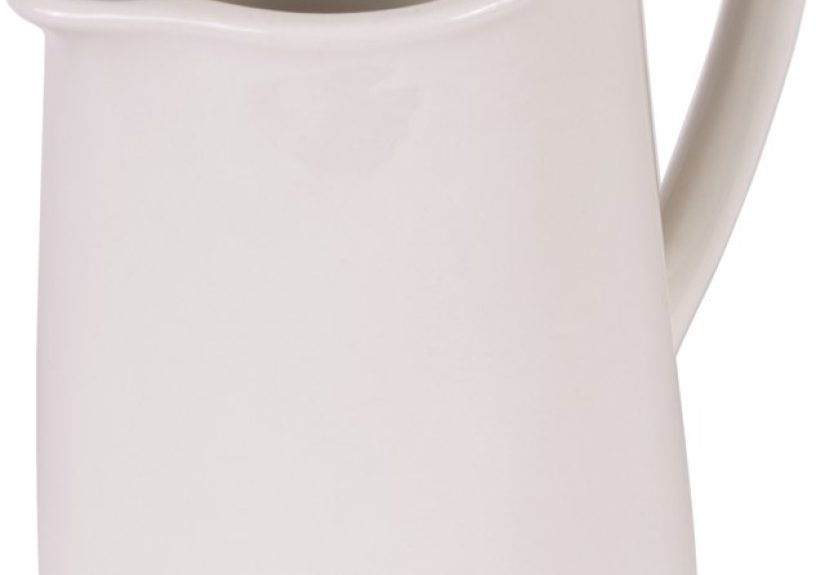
The pitcher is the signature Molly Pitcher accessory. Use a small jug, handled ceramic-style pitcher, wooden bucket, or metal pail. The prop reminds people of the story of carrying water to soldiers during battle. It is simple, symbolic, and easy to explain during a presentation.
For children, choose a lightweight plastic pitcher and paint it in gray, tan, or brown to look older. You can also wrap the handle with twine for a rustic effect. If using a bucket, make sure it is empty or only lightly filled. Nobody needs an accidental indoor Battle of the Cafeteria.
No-Sew Molly Pitcher Costume Idea
If you need a fast costume, use this no-sew version. Pair a long skirt with a white blouse. Tie a rectangular piece of fabric around the waist as an apron. Add a scarf over the shoulders and another scarf or cap on the head. Carry a pitcher. That is it.
To make the outfit look more polished, focus on color coordination. A navy or brown skirt, cream blouse, white apron, and tan kerchief will look much more convincing than a random mix of modern prints. The secret to a good no-sew costume is not complexity; it is restraint. Historical costumes usually look better when they are not trying too hard.
DIY Molly Pitcher Costume for Kids
For children, comfort and safety should guide every choice. Use soft fabrics, elastic waistbands, and lightweight props. Keep the skirt short enough that the child will not trip. An ankle-length skirt may look authentic, but a slightly shorter skirt is better for walking, climbing stairs, and surviving recess.
A child’s Molly Pitcher costume can include a simple brown or blue skirt, white shirt, apron, scarf, and plastic pitcher. Add a short presentation card with a few facts: Molly Pitcher is remembered as a Revolutionary War heroine, she carried water to soldiers, and her story is often connected to Mary Ludwig Hays at the Battle of Monmouth.
If the child is participating in a wax museum event, the pitcher can become part of the pose. One hand can hold the pitcher while the other points forward, as if ready to help on the battlefield. It is dramatic, educational, and far less stressful than building a cardboard cannon in the living room at midnight.
DIY Molly Pitcher Costume for Adults
An adult version can be slightly more detailed. Use a full-length skirt, layered apron, fitted blouse, and large kerchief. Add wool-look stockings, lace-up shoes, and a weathered bucket. If you are attending a historical event, choose natural fabrics and avoid modern jewelry, nail colors, or visible zippers.
Adults can also add a short jacket or bedgown-style top for a more accurate working-woman silhouette. A muted brown, blue, or gray jacket over a cream blouse creates a stronger colonial impression. Keep the outfit practical rather than fancy. Molly Pitcher’s story is about courage and work, not looking ready for a royal portrait.
How to Make the Costume Look More Historically Accurate
Use Natural Colors
Choose colors that look hand-dyed or naturally faded: brown, tan, cream, gray, navy, dusty red, olive, or muted blue. Bright synthetic colors can make the costume look modern. A little dullness is your friend here.
Layer the Outfit
Layering helps the costume look more believable. A blouse, skirt, apron, kerchief, and cap create a complete colonial shape. Even if each piece is simple, the layers work together to create the historical effect.
Avoid Over-Decorating
Skip sequins, lace overload, glitter, and shiny costume-shop fabrics. Molly Pitcher was connected to camp life and battlefield labor. A plain apron and pitcher tell the story more clearly than a costume covered in ruffles.
Age the Fabric Lightly
If your apron or blouse looks too bright, soak it briefly in weak tea, rinse it, and let it dry. This can create an off-white tone that looks softer and less brand-new. Test a small area first. The goal is “historically worn,” not “rescued from a swamp.”
Simple Molly Pitcher Presentation Tips
If the costume is for a school project, prepare a short speech to go with it. A costume becomes much more powerful when the wearer can explain who Molly Pitcher was and why she matters.
Here is a simple example:
“My name is Molly Pitcher. I am remembered for helping American soldiers during the Revolutionary War. I carried water to men on the battlefield during the Battle of Monmouth. Some stories say I helped work a cannon after my husband was wounded. Historians believe Molly Pitcher may represent Mary Ludwig Hays and other brave women who supported the army.”
This short speech includes the key facts without getting too complicated. It also handles the historical debate honestly, which teachers tend to appreciate. Bonus points for not saying, “I invented the water bottle.”
Common Mistakes to Avoid
Mistake 1: Making the Costume Too Fancy
A Molly Pitcher costume should not look like a princess gown. Keep it simple and practical. The outfit should suggest work, movement, and battlefield support.
Mistake 2: Forgetting the Pitcher
The pitcher is the clearest visual clue. Without it, the costume may look like a general colonial outfit. With it, people immediately understand the character.
Mistake 3: Using Unsafe Props
Avoid realistic weapons, heavy buckets, sharp objects, or anything that violates school or event rules. A pitcher is historically meaningful and safe.
Mistake 4: Ignoring Comfort
If the wearer cannot walk, sit, or breathe comfortably, the costume needs adjusting. History is important, but oxygen has a pretty strong reputation too.
Budget-Friendly Costume Shopping Tips
Thrift stores are excellent places to find Molly Pitcher costume pieces. Look for long skirts, white blouses, cotton scarves, aprons, and plain shoes. Craft stores often carry muslin, cotton fabric, ribbon, and twine. Dollar stores may have plastic pitchers or small buckets that can be painted to look old.
You can also borrow pieces. A white blouse from one closet, a skirt from another, and a scarf from a grandparent’s drawer can become a complete costume. Historical costumes are often easiest when you stop looking for one perfect item and start building the outfit in layers.
Experience Notes: What It Is Really Like to Make and Wear a Molly Pitcher Costume
Making a Molly Pitcher costume is one of those projects that seems almost too simple at first. You gather a skirt, blouse, apron, scarf, and pitcher, and you think, “That cannot possibly be enough.” Then you put the layers together, tie the apron, add the cap, pick up the pitcher, and suddenly the whole character appears. It is a satisfying costume because every piece has a purpose.
One useful experience is to test the costume before the actual event. Have the wearer walk across a room, sit in a chair, turn around, and hold the pitcher for a few minutes. This sounds basic, but it reveals problems quickly. A skirt that looks perfect while standing may become a tripping hazard on stairs. A scarf that looks charming may slide off every twelve seconds like it has somewhere better to be. A pitcher that feels light at first may become annoying after a long presentation.
For children, the biggest challenge is usually keeping the costume secure without making it uncomfortable. Safety pins are helpful, but place them where they will not poke or scratch. Elastic waistbands are easier than tightly tied fabric. A shorter skirt is often better than a floor-length one, especially for school events where kids move between classrooms. The costume should survive walking, sitting, and the occasional enthusiastic spin.
For adults, the challenge is often avoiding the “costume party colonial” look. The best fix is to choose matte fabrics and muted colors. A plain cotton skirt looks more convincing than shiny costume satin. A slightly wrinkled apron can look more authentic than one ironed into perfection. In fact, Molly Pitcher is one of the rare costumes where looking a little practical and weathered actually improves the result.
The pitcher prop is also worth testing. If it is ceramic, it may look beautiful but feel risky in a crowded room. A plastic pitcher painted to look like pottery is usually the better option, especially for children. Adding twine around the handle or lightly brushing on brown paint can make it look rustic without adding weight.
Another helpful experience is preparing a few talking points. People will ask, “Who are you supposed to be?” A strong answer makes the costume memorable. Mention that Molly Pitcher is remembered as a Revolutionary War heroine, often linked to Mary Ludwig Hays, and known for carrying water during the Battle of Monmouth. That short explanation gives the outfit meaning.
The best Molly Pitcher costumes are not the most expensive ones. They are the ones that tell the story clearly. When the apron, cap, skirt, and pitcher work together, the costume becomes more than clothing. It becomes a small, wearable history lesson with excellent posture and a very useful water jug.
Conclusion
Learning how to make a Molly Pitcher costume is really about combining simple clothing with smart historical details. A long skirt, white blouse, apron, kerchief, cap, and pitcher can create a strong Revolutionary War look without expensive materials or complicated sewing. The key is to keep the costume practical, modest, and story-driven.
Molly Pitcher’s legacy is powerful because it highlights the women who worked near the front lines of American history. Whether the costume is for a child’s school project, a history fair, Halloween, or a reenactment, it should help tell that story with respect and clarity. Add the pitcher, prepare a short speech, and let the outfit do what good costumes do best: make history feel close enough to touch.