Table of Contents >> Show >> Hide
- What Are Button Pillows?
- The High/Low Appeal: Designer Look, Real-Life Budget
- Why Button Pillows Work in Almost Every Room
- Best Materials for Button Pillows
- How to Style High/Low Button Pillows on a Sofa
- Button Pillows for Beds: Small Detail, Big Finish
- Choosing the Right Color
- Shape Matters: Square, Round, Lumbar, and Bolster
- How to Mix Button Pillows with Patterns
- Affordable vs. Designer Button Pillows: What to Compare
- Insert Quality: The Secret Nobody Brags About
- Care Tips for Button Pillows
- Best Rooms for High/Low Button Pillows
- Common Mistakes to Avoid
- Real-Life Experience: Living with High/Low Button Pillows
- Conclusion
Button pillows are the tiny home accessories that walk into a room, clear their throat politely, and somehow make the sofa look like it has a stylist on retainer. They are not loud. They are not fussy. They do not arrive with dramatic tassels swinging like they are auditioning for a period drama. Instead, button pillows rely on one deceptively simple detail: a button, a tuft, a dot, or a gathered center that gives the pillow shape, shadow, and personality.
The phrase High/Low Button Pillows refers to one of the most useful decorating ideas in modern home styling: mixing investment-worthy design pieces with more affordable lookalikes or budget-friendly alternatives. In other words, you can love the sculptural charm of a designer button cushion without having to explain to your checking account why one pillow cost the same as a weekend grocery run.
Whether you call them button pillows, tufted throw pillows, dot cushions, or decorative pillows with button accents, these small accessories can change the entire mood of a living room, bedroom, reading nook, or entry bench. They add texture, soften hard furniture lines, and make a space feel collected rather than copied from a showroom catalog. And yes, they also give guests something tasteful to move out of the way before sitting down. That is basically their ceremonial duty.
What Are Button Pillows?
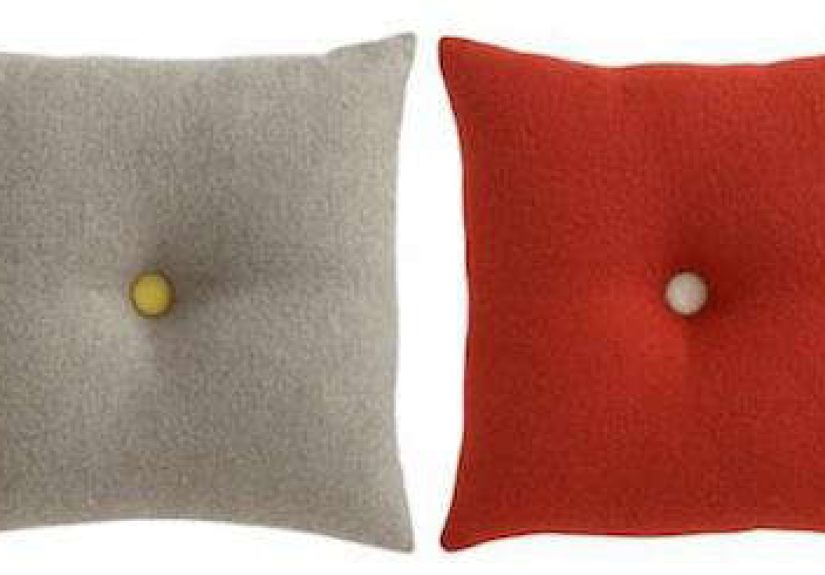
Button pillows are decorative throw pillows designed with a visible button detail, usually placed at the center, along the edge, or across the front closure. Some have one large center button that creates a dimpled, tufted look. Others use a row of buttons for a relaxed farmhouse or tailored linen effect. In high-end versions, the “button” may be more of a refined fabric-covered dot, stitched depression, or architectural accent that gives the cushion depth.
The button is not just decoration. It changes the way the pillow behaves visually. A plain square pillow can look flat, especially on a large sofa. Add a button, and suddenly the surface catches light differently. The fabric gathers. The pillow appears more handmade, more intentional, and more touchable. It is the home decor equivalent of adding a wink to a sentence.
The High/Low Appeal: Designer Look, Real-Life Budget
The beauty of high/low decorating is that it gives you permission to be both practical and stylish. A high-end button pillow might feature premium wool, luxury velvet, designer fabric, or careful hand-finishing. A low-cost version may use cotton, polyester velvet, linen blends, or machine-made construction, but still deliver the same visual idea: texture, softness, and a clever focal point.
For example, Scandinavian-inspired dot cushions often lean into minimalism, color blocking, and one strong central accent. Affordable button-up pillows often reinterpret that idea with casual fabrics, visible closures, and easy-to-style colors such as gray, cream, rust, navy, black, and olive. The result is not a fake version of luxury. It is a flexible version of good taste.
When to Splurge
Splurge on button pillows when the fabric is exceptional, the color is hard to find, or the pillow will anchor a room. A beautifully made wool or velvet button cushion in a rich shade such as tobacco brown, burnt orange, forest green, or deep charcoal can become the design “boss” of your sofa. It tells the other pillows where to stand.
When to Save
Save on button pillows when you are experimenting with seasonal color, decorating a guest room, styling a kids’ space, or refreshing a rental apartment. Affordable pillow covers are also perfect if your home includes pets, snack-loving children, or adults who claim they “never spill coffee” while actively spilling coffee.
Why Button Pillows Work in Almost Every Room
Button pillows succeed because they sit comfortably between simple and interesting. A heavily patterned pillow can dominate a room. A plain pillow can disappear. A button pillow lives in the sweet spot: quiet enough to mix with other accessories, but detailed enough to look designed.
In a living room, button throw pillows break up the flat plane of a sofa. On a bed, they add a finishing layer in front of sleeping pillows and shams. On a bench, they make a hard surface look more welcoming. On an accent chair, one round or square button cushion can create a cozy reading corner without making the chair look like it is wearing a costume.
Best Materials for Button Pillows
The fabric you choose determines whether a button pillow feels relaxed, polished, cozy, or dramatic. Since the button detail pulls fabric inward, texture becomes especially important. Some materials gather beautifully; others look sharper and more tailored.
Linen and Linen Blends
Linen button pillows are ideal for casual, breezy interiors. They work well in coastal homes, modern farmhouse spaces, and rooms with lots of natural wood. Linen wrinkles, but that is part of its charm. It says, “I am elegant, but I also know where the snacks are.” A cotton-linen blend gives you a similar look with a slightly softer feel and often better durability for everyday use.
Velvet
Velvet button pillows are the drama majors of the pillow world, but in the best way. A center button in velvet creates shadow and sheen, making the pillow look richer from every angle. Velvet works beautifully in jewel tones, warm neutrals, and moody interiors. It pairs well with leather sofas, brass accents, dark wood, and layered rugs.
Cotton
Cotton is practical, breathable, and easy to style. Cotton button pillows can lean modern, cottage, traditional, or playful depending on the weave and color. For high-traffic family rooms, cotton covers with removable inserts are a smart choice because they are generally easier to maintain than delicate specialty fabrics.
Wool and Boucle
Wool and boucle button pillows bring serious texture. They look especially good in fall and winter, though neutral wool pillows can stay out all year if your room has a natural, organic palette. A wool button cushion on a leather chair is basically interior design comfort food.
How to Style High/Low Button Pillows on a Sofa
The easiest way to style button pillows is to treat them as the detail piece in your arrangement. They do not need to be the biggest pillow on the sofa. In fact, they often work best as the middle or front layer because the button detail deserves to be seen.
Start with larger square pillows in the back, usually 20-by-20 inches or 22-by-22 inches for a standard sofa. Then add smaller squares, lumbar pillows, or round button cushions in front. If your sofa is neutral, try a button pillow in rust, mustard, moss, slate blue, or black. If your sofa is already colorful, choose a cream, taupe, gray, or soft brown pillow to calm things down.
A reliable formula is: one solid pillow, one patterned pillow, and one button pillow with texture. This gives you balance without turning the sofa into a pillow convention.
Button Pillows for Beds: Small Detail, Big Finish
On a bed, button pillows work like jewelry. You do not need twelve of them. Actually, unless you enjoy removing a small mountain of cushions every night, you probably do not want twelve of anything on your bed. One or two button pillows placed in front of sleeping pillows can make the whole bed look finished.
For a queen bed, try two large Euro shams at the back, two standard pillows in front, and one rectangular button pillow as the final accent. For a king bed, use three Euro shams and a pair of button pillows or one extra-long lumbar cushion. The button detail adds softness without clutter, which is helpful if you want the bed to look styled but not like it requires a staff meeting to assemble.
Choosing the Right Color
Color is where button pillows become especially fun. Because the button adds shape and texture, even a solid-color pillow can feel dynamic. If you are nervous about mixing patterns, a button pillow is a perfect compromise. It gives visual interest without adding another print to the room.
For modern interiors, choose black, ivory, camel, charcoal, or olive. For bohemian rooms, look for rust, terracotta, ochre, faded denim, or dusty rose. For coastal spaces, try linen white, sand, pale blue, or washed navy. For traditional homes, velvet button pillows in burgundy, forest green, navy, or chocolate brown can look timeless.
Shape Matters: Square, Round, Lumbar, and Bolster
Square button pillows are the most versatile. They work on sofas, beds, chairs, and benches. Round button pillows feel more playful and sculptural, especially when placed on a square-lined sofa or angular accent chair. Lumbar button pillows are great for beds and deep chairs because they provide a long, low visual line. Bolster styles can feel vintage, tailored, or hotel-inspired.
If your room has many straight lines, round button pillows can soften the look. If your room already has curved furniture, square or lumbar button pillows may create better balance. Good decorating is often just a polite conversation between shapes.
How to Mix Button Pillows with Patterns
Button pillows are excellent team players. They pair well with stripes, florals, checks, block prints, geometric designs, and textured solids. The trick is to vary scale. If you have a large floral pillow, pair it with a smaller stripe and a solid button pillow. If you have a bold geometric print, use a velvet or linen button cushion to soften the arrangement.
Keep your color palette limited to three to five related colors. This prevents the pillow mix from looking like everyone brought a dish to a potluck but no one coordinated the menu. Repeating one color across several pillows is the easiest way to make different styles feel connected.
Affordable vs. Designer Button Pillows: What to Compare
When comparing high and low button pillows, look beyond the first impression. A designer cushion may cost more because of the fabric, insert quality, stitching, dye process, or brand craftsmanship. A budget pillow may still be a great buy if it has a removable cover, clean seams, a comfortable insert, and a color that works beautifully in your space.
Check the closure as well. Hidden zippers create a cleaner look. Button closures can be decorative and useful, especially for farmhouse, cottage, or casual styles. If the pillow has a center button, make sure it is securely attached and does not feel sharp or uncomfortable when leaned against.
Insert Quality: The Secret Nobody Brags About
A pillow cover can be beautiful, but the insert decides whether it looks full or sad. Feather-down inserts usually create a plush, designer-style shape and allow for the famous pillow “chop.” Down-alternative inserts are better for households with allergies, vegan preferences, or anyone who wants easier maintenance. Polyester inserts are affordable and lightweight, though they may not always have the same weighty softness as feather blends.
A common styling trick is to use an insert slightly larger than the cover. For example, a 20-inch insert inside an 18-inch cover can make the pillow look fuller. This is especially useful for button pillows because the tufting naturally pulls the fabric inward.
Care Tips for Button Pillows
Always read the care label before cleaning. Removable cotton and linen-blend covers may be machine washable, while velvet, wool, silk, or embroidered styles may require spot cleaning or professional care. For button details, avoid aggressive scrubbing around the center or closure. That button may be cute, but it is not a superhero.
Rotate pillows regularly so one side does not fade or flatten faster than the other. Fluff inserts by hand, especially after guests have used them as armrests, laptop stands, or emotional support cushions during movie night. Store seasonal button pillows in breathable bags rather than plastic whenever possible to reduce trapped moisture.
Best Rooms for High/Low Button Pillows
Living Room
Use button pillows to add depth to a sofa, sectional, or accent chair. They are especially helpful in minimalist rooms where pattern is limited but texture is welcome.
Bedroom
Place one lumbar button pillow in front of your sleeping pillows for an easy boutique-hotel finish. Choose velvet for drama, linen for calm, or cotton for everyday comfort.
Entryway
A button pillow on an entry bench makes the space feel warm and intentional. It also gives visitors the impression that your home is organized, even if there is a mysterious pile of shoes just out of sight.
Reading Nook
A round or square button cushion can make a reading chair more inviting. Pair it with a throw blanket and good lighting, and suddenly you are the kind of person who “has a nook.” Congratulations.
Common Mistakes to Avoid
The biggest mistake is buying too many pillows in the same size. Even beautiful button pillows can look stiff if every cushion is identical. Mix sizes and shapes to create movement. Another mistake is ignoring the sofa color. A beige button pillow on a beige sofa can work, but only if there is enough texture contrast. Otherwise, it may vanish like a cookie at a family gathering.
Also avoid choosing pillows only because they are trendy. A button pillow should work with your room’s existing mood. If your home is sleek and modern, choose clean lines and refined fabric. If your style is cozy and collected, choose soft textures, visible stitching, and warm colors.
Real-Life Experience: Living with High/Low Button Pillows
In real decorating life, button pillows are wonderfully forgiving. I once helped refresh a plain gray sofa that had the personality of a waiting room chair. The owner did not want a full redesign, did not want new furniture, and definitely did not want to hear the phrase “custom upholstery.” So we tried a high/low pillow mix: two affordable cream linen-blend pillows, one patterned navy pillow, and one rust-colored button pillow with a soft velvet finish. The rust pillow was not large, but it changed everything. Suddenly the gray sofa looked intentional instead of accidental.
The best part was how easy the room became to update later. In spring, the rust button pillow moved to a bedroom chair and was replaced by a pale blue cotton button cushion. In fall, it came back like a seasonal celebrity. That is the practical magic of small accessories: they let a room evolve without demanding a renovation budget or a conversation with a contractor named Gary.
Another useful lesson came from styling a guest bedroom. The bed already had white sheets, beige shams, and a quilt with a subtle stripe. It looked clean but unfinished, like it was waiting for a final sentence. A single rectangular button pillow in olive green solved the problem. The button detail added just enough shape, while the color connected with a framed botanical print above the nightstand. Nothing else had to change. No new lamp. No new rug. No dramatic shopping montage required.
Button pillows are also surprisingly good at making mismatched furniture feel connected. In one small apartment, the living room had a tan secondhand sofa, a black metal coffee table, and a blue accent chair. Each piece was fine on its own, but together they looked like they had met five minutes earlier. Adding button pillows in black, tan, and muted blue helped repeat the colors across the room. The button detail created a shared design language, and the space finally felt collected.
From experience, the most successful button pillows are the ones that balance beauty and use. If a pillow looks amazing but feels like leaning against a decorative pancake, it will spend its life on the floor. If it is soft but shapeless, it may not deliver the tailored look you wanted. The sweet spot is a cover with texture, a secure button detail, and an insert that fills the corners properly.
For families, removable covers are worth prioritizing. For pet owners, medium-tone fabrics hide more than bright white or jet black. For renters, button pillows are one of the fastest ways to add personal style without painting walls or drilling holes. For design lovers on a budget, the high/low approach is the best strategy: buy one special pillow that makes your heart do a tiny tap dance, then support it with affordable solids and textures.
The final experience-based tip is simple: test the pillow where it will actually live. Store lighting can lie. Online photos can flatter. A pillow that looks bold on a product page may look perfect in your shadowy den, while a “safe” neutral may look dull next to your sofa. Bring the room into the decision by considering wall color, rug pattern, furniture shape, and natural light. Button pillows may be small, but they are not random. The right one can make a room feel warmer, smarter, and more finishedlike your sofa finally remembered to put on earrings.
Conclusion
Accessories: High/Low Button Pillows proves that small decor can carry serious style weight. A button pillow adds texture, structure, and charm without overwhelming a room. Whether you choose a designer dot cushion, a budget-friendly button-up pillow, a velvet accent, or a casual linen blend, the goal is the same: create a space that feels layered, comfortable, and personal.
The high/low approach makes decorating more flexible. You can invest where it matters, save where it makes sense, and still create a polished look that feels expensive without being precious. Button pillows are easy to rotate, simple to mix, and surprisingly powerful in living rooms, bedrooms, entryways, and reading corners. They are proof that good design does not always need a grand gesture. Sometimes it just needs one well-placed button.
Note: This article is written as original, web-ready content based on real home decor principles, product characteristics, and current styling practices for decorative pillows and button-accent cushions.