Table of Contents >> Show >> Hide
- What Is the Biggest Ship Elevator in the World?
- Why Does a Dam Need an Elevator for Ships?
- How the Three Gorges Ship Lift Works
- The Three Gorges Dam: A Quick Background
- Why the Ship Lift Matters for Shipping
- Ship Lift vs. Ship Lock: What Is the Difference?
- The Engineering Challenge Behind the World’s Biggest Ship Elevator
- Why People Call It the Biggest Elevator in the World
- Real-World Impact: More Than a Viral Engineering Clip
- Environmental and Social Context
- Experience Section: What It Feels Like to Encounter a Ship Elevator
- Conclusion
When most people hear the word “elevator,” they picture a metal box, awkward small talk, and maybe someone pretending not to notice they pressed the wrong floor. But on China’s Yangtze River, an elevator does something far more dramatic: it lifts giant ships. Yes, actual ships. Not toy boats. Not a bathtub experiment. Full-size vessels glide into a massive water-filled chamber, the gates close, and the whole thing rises or descends like a floating freight elevator for river traffic.
Known as the Three Gorges Dam ship lift, this engineering marvel is often described as the biggest ship elevator in the world. Built into the vast Three Gorges Dam complex in Hubei Province, China, it helps vessels pass between different water levels created by one of the most famous hydroelectric dams on Earth. It is part science lesson, part transportation shortcut, and part “how did humans even build this?” moment.
What Is the Biggest Ship Elevator in the World?
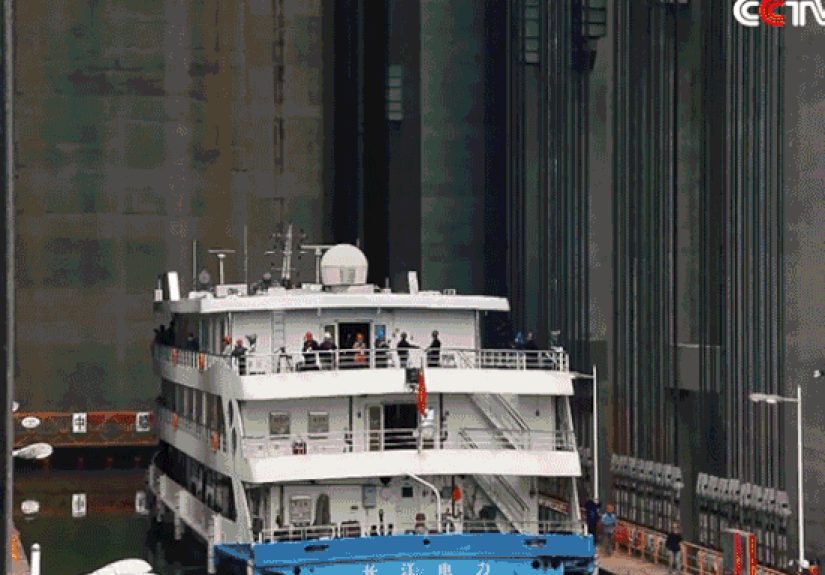
The biggest ship elevator in the world is the ship lift at the Three Gorges Dam. Unlike a traditional canal lock, which moves boats step by step through a series of water chambers, this ship lift works more like a vertical elevator. A vessel enters a giant steel chamber filled with water. Once the gates seal, the chamber moves up or down, carrying the ship with it.
The lift can raise vessels weighing up to about 3,000 tons over a vertical distance of roughly 113 meters, or about 370 feet. That is close to the height of a 30- to 40-story building, depending on how generous the architect is feeling with ceiling heights. For ship crews, it means a trip that could take several hours through the traditional locks can be shortened to around 30 to 40 minutes.
In simple terms: the ship does not climb the dam. The elevator does the climbing for it.
Why Does a Dam Need an Elevator for Ships?
The Three Gorges Dam is not just a wall of concrete. It is a massive water-control, power-generation, and navigation project on the Yangtze River. The dam changed water levels along a major shipping route, creating a practical challenge: how do vessels continue traveling along the river when the water on one side is much higher than the other?
The classic answer is a lock system. Locks are like watery staircases. A ship enters a chamber, water is added or drained, and the ship rises or falls to the next level. The Three Gorges Dam has a multi-stage lock system for larger vessels, but that process can take hours. For smaller and medium-sized ships, the ship lift provides a faster option.
Imagine driving across town and choosing between a five-flight parking garage ramp or a direct elevator. The ramp works, but the elevator is much more satisfyingespecially when your “car” weighs thousands of tons and floats.
How the Three Gorges Ship Lift Works
A Giant Bathtub With Muscles
The heart of the system is a huge water-filled chamber. A ship sails into the chamber, the gates close behind it, and the chamber becomes a sealed floating box. Because the ship displaces water, the total weight of the chamber stays surprisingly manageable from an engineering point of view. Thanks to buoyancy, the system does not simply carry the ship’s full weight on top of the water. The ship replaces an equivalent amount of water, which helps keep the load balanced.
That does not mean the system is lightweight. The chamber, water, machinery, and supporting components still represent an enormous moving mass. But the principle helps explain why a ship elevator is possible without needing a cartoonishly impossible motor labeled “Very Strong Engine.”
Counterweights Do the Heavy Lifting
The ship lift uses counterweights, steel cables, powerful drive systems, and a rack-and-pinion style mechanism to move the chamber vertically. Counterweights help balance the chamber, reducing the amount of energy required to raise and lower it. This is the same basic idea behind many building elevators, only scaled up to a level that makes hotel elevators look like nervous little lunchboxes.
The lift also needs precise safety systems. A chamber holding a vessel cannot wobble, tilt, or rush upward like a theme-park ride. It must move slowly, steadily, and accurately. Gates must seal properly. Water levels must align. Mechanical systems must coordinate with the river conditions above and below the dam.
Why It Is Faster Than Locks
Traditional locks at the Three Gorges Dam can take several hours because ships must pass through multiple stages. Each stage requires filling or draining water, opening and closing gates, and carefully moving vessels from one chamber to the next.
The ship lift skips much of that step-by-step process. Once the vessel enters the chamber, the system raises or lowers the entire chamber in one direct movement. The result is a much faster transit for eligible ships. In commercial shipping, time is not just timeit is fuel, scheduling, labor, and money wearing a captain’s hat.
The Three Gorges Dam: A Quick Background
The Three Gorges Dam spans the Yangtze River near Yichang in Hubei Province. It is one of the most recognizable engineering projects in modern history and is known for its hydroelectric power generation, flood-control role, and impact on river navigation.
Construction of the broader Three Gorges Project began in the 1990s, and the dam became a symbol of large-scale infrastructure ambition. Its power station is among the largest hydroelectric facilities in the world by installed capacity. But the project has also been debated because of environmental concerns, community relocation, sediment changes, and effects on river ecosystems.
The ship lift was one of the final major components of the Three Gorges navigation system. It began trial operation in 2016, adding a dramatic vertical shortcut for ships passing the dam.
Why the Ship Lift Matters for Shipping
The Yangtze River is one of China’s most important transportation corridors. It connects inland cities with coastal trade routes and supports the movement of goods, passengers, and raw materials. When a river is that economically important, every bottleneck matters.
The Three Gorges ship lift helps improve navigation efficiency for vessels that meet its size and weight limits. Instead of waiting for the longer lock process, eligible ships can move through the lift more quickly. This can reduce congestion, improve scheduling, and make river transport more predictable.
For passenger cruises and sightseeing vessels, the lift is also an attraction. People do not usually get excited about infrastructure unless it has blinking lights or free Wi-Fi. But being lifted inside a massive chamber of water is the kind of experience that makes even non-engineers start using words like “mechanical advantage” at dinner.
Ship Lift vs. Ship Lock: What Is the Difference?
Ship Locks Are Like Staircases
A ship lock changes water levels gradually. The vessel enters a chamber, gates close, water levels rise or fall, and the vessel moves to the next chamber. This process repeats until the ship reaches the desired elevation. Locks are reliable and can handle large vessels, but they take time.
Ship Lifts Are Like Elevators
A ship lift raises or lowers a vessel in a chamber. Instead of moving through several water steps, the ship travels vertically in one main lift. This makes the process faster for vessels within the lift’s operating limits.
Which One Is Better?
Neither system is universally “better.” Locks are excellent for larger ships and heavy traffic. Ship lifts are excellent for speed and efficiency when vessel size allows. At Three Gorges, both systems work together. The locks handle larger vessels, while the lift offers a faster route for smaller and medium-sized ships.
The Engineering Challenge Behind the World’s Biggest Ship Elevator
Building a ship elevator is not as easy as attaching a giant garage door opener to a river. Engineers had to solve several major challenges at once.
1. Enormous Weight
The chamber must hold water, a vessel, gates, structural components, and operating systems. Even with buoyancy helping balance the load, the moving mass is huge. Every cable, gear, motor, and guide system must be designed for strength and reliability.
2. Water-Level Changes
The Yangtze River does not behave like a swimming pool. Water levels can vary depending on season, rainfall, dam operations, and river flow. The ship lift must safely connect with water levels above and below the dam, even when those levels shift.
3. Safety and Stability
A ship lift cannot afford dramatic surprises. The chamber must remain stable during movement. The gates must close tightly. Emergency systems must be ready. The vessel inside must remain secure. In engineering terms, “oops” is not a maintenance strategy.
4. Long-Term Maintenance
A structure this large requires regular inspection and maintenance. Metal components, cables, mechanical systems, seals, and control equipment all need ongoing attention. The bigger the machine, the more important boring maintenance becomes. Boring, in this case, is beautiful.
Why People Call It the Biggest Elevator in the World
Strictly speaking, the Three Gorges ship lift is not a passenger elevator in a building. It is a ship lift. However, the comparison is easy to understand because it performs the same basic function: it moves a load vertically between two levels.
What makes it spectacular is the scale. Instead of lifting people from a hotel lobby to the tenth floor, it lifts ships across a height difference created by one of the largest dam projects ever built. That is why headlines often call it the biggest elevator in the world for ships.
The phrase works because it captures the wonder of the machine. It turns an abstract engineering structure into something anyone can picture: an elevator big enough for a ship. That image is simple, accurate enough for everyday conversation, and wonderfully ridiculous in the best possible way.
Real-World Impact: More Than a Viral Engineering Clip
Videos of the ship lift are popular because the idea feels almost unreal. A vessel enters a chamber, disappears behind gates, and then emerges at a different elevation. It looks like infrastructure performing a magic trick with better paperwork.
But the lift is more than a visual spectacle. It supports river navigation, helps reduce transit time for eligible vessels, and adds flexibility to the Three Gorges Dam transportation system. In a busy shipping corridor, those gains matter.
The ship lift also shows how infrastructure often requires layered solutions. A dam provides power and flood control, but it creates a navigation obstacle. Locks solve part of the problem, but they can be slow. A ship lift adds speed for certain vessels. One project creates challenges; another solves them; and somewhere, an engineer drinks cold coffee while checking load calculations.
Environmental and Social Context
Any honest discussion of the Three Gorges Dam should include more than admiration for its size. The dam has been praised for hydroelectric generation, improved navigation, and flood-control benefits. It has also been criticized for environmental disruption, relocation of communities, landslide risks, sediment issues, and changes to aquatic habitats.
The ship lift itself is a navigation feature, not the entire story. It represents human ingenuity, but it is part of a much larger project with complex consequences. That is what makes the topic so interesting. The biggest engineering achievements are rarely simple. They solve real problems, create new ones, and force societies to weigh benefits against costs.
Experience Section: What It Feels Like to Encounter a Ship Elevator
Standing near a massive ship lift, even in imagination, changes the way you think about infrastructure. Most of us move through engineered systems every day without noticing them. Roads carry us. Bridges hold us. Elevators lift us. Pipes deliver water. Then something like the Three Gorges ship lift appears, and suddenly infrastructure is not background scenery anymore. It is the main character.
The first impression would likely be scale. A normal elevator makes a soft ding and opens into a hallway. A ship elevator opens into a river. The chamber is not a polite little box with a mirror and a handrail; it is a steel-and-concrete basin large enough for a vessel to enter. The gates look industrial, serious, and completely uninterested in your fear of heights.
As a passenger, the experience would probably feel strange because the ship remains floating while the entire world around it changes elevation. You are not rolling forward like a car on a ramp. You are not climbing stairs like a hiker. You are floating inside a controlled pool while machinery quietly moves thousands of tons upward or downward. It is calm, but also deeply weirdthe kind of weird that makes people record videos even if they promised themselves they would “just enjoy the moment.”
One of the most memorable parts would be the waiting. Before the lift begins, the ship must enter carefully. Gates close. Water levels are checked. The chamber becomes still. That pause might feel like sitting inside a giant mechanical breath. Then the motion begins. It may not feel fast, but the view would slowly shift. Concrete walls slide past. The river level changes. The scale becomes obvious not because the machine is loud, but because it is controlled.
For travelers, the ship lift turns a technical process into a story. Instead of saying, “We passed the dam,” they can say, “Our ship took an elevator.” That sentence sounds like something a child would invent while playing with blocks, except it is real. It gives people a direct, physical experience of engineering. You do not need a civil engineering degree to understand the wonder of a boat rising through the air in a box of water.
There is also a lesson in patience and precision. The ship lift is not designed for drama. Its success depends on smoothness. The best version of the experience is not a thrilling drop or a sudden jolt; it is the absence of panic. Everything works because thousands of design decisions make the extraordinary feel routine.
That may be the most impressive part. Great infrastructure often disappears into normal life once it works. People stop gasping and start scheduling around it. Ships arrive, enter, rise, exit, and continue along the river. The impossible becomes part of the timetable. The world’s biggest ship elevator is amazing not only because it lifts giant vessels, but because it makes doing so look almost ordinary.
Conclusion
The biggest ship elevator in the world proves that engineering can be both practical and jaw-dropping. The Three Gorges Dam ship lift solves a real navigation problem by raising and lowering vessels across a dramatic height difference on the Yangtze River. It saves time for eligible ships, supports river transport, and gives travelers one of the most unusual elevator rides on Earth.
More importantly, it reminds us that infrastructure is not just concrete, steel, and machinery. It is human imagination turned into working systems. Someone looked at a giant dam, a busy river, and a serious transportation challenge and thought, “What if the ships simply took an elevator?” Then engineers made that wild sentence real.