Table of Contents >> Show >> Hide
- Why Lighting Has Such a Big Impact on Home Value
- 1. Replace Dated Fixtures With Warm, Modern LED Statement Lighting
- 2. Add Layered Kitchen Lighting, Especially Under-Cabinet Lights
- 3. Upgrade Bathroom Lighting With Better Vanity Fixtures and Dimmers
- 4. Install Exterior Lighting That Boosts Curb Appeal and Safety
- 5. Add Recessed Lighting and Smart Controls in Key Living Areas
- Common Lighting Mistakes That Can Hurt Instead of Help
- What Homeowners Often Experience After These Upgrades
- Conclusion
Lighting is one of those home upgrades that can feel almost suspiciously effective. You swap one tired fixture, add a glow where there used to be a cave, and suddenly your house looks less “we’ve been meaning to update this since 2014” and more “custom, cared for, and ready for a higher asking price.” That is a pretty solid return for something powered by a switch.
If you are thinking about resale, refreshing your home for appraisers and buyers, or simply trying to make your rooms look more expensive without demolishing a kitchen, lighting deserves a spot near the top of your list. It improves function, enhances mood, sharpens architectural details, and makes spaces feel cleaner, bigger, and more polished. In other words, good lighting does a lot of heavy lifting without demanding a full-blown renovation budget.
The smartest lighting upgrades do three things at once: they modernize the look of the home, make everyday living easier, and signal efficiency to buyers who are already worried about utility costs. No single sconce will magically add six figures to your sale price, of course. But the right lighting plan can increase perceived value, improve marketability, and help your home make a stronger first impression online and in person.
Here are five lighting upgrades that can instantly make your home feel more valuable, plus the common mistakes to avoid if you want your glow-up to look intentional instead of accidental.
Why Lighting Has Such a Big Impact on Home Value
Before diving into the upgrades, it helps to understand why lighting matters so much. Buyers do not walk through a house with a spreadsheet in one hand and a lux meter in the other. They respond emotionally. A bright entry feels welcoming. A layered kitchen feels functional. A well-lit bathroom looks cleaner. A softly lit living room feels like a place where real humans might actually want to sit down and exhale.
Lighting also influences how finishes are perceived. Paint colors look richer. Counters look cleaner. Flooring looks more premium. Ceilings feel taller. Even a modest room can seem more custom when the lighting is deliberate instead of generic. That is the secret: buyers often interpret better lighting as evidence that the whole home has been thoughtfully maintained.
And because efficiency now matters to many homeowners, modern lighting pulls double duty. LED fixtures, dimmers, timers, and smart controls hint that a home is updated in ways that are practical, not just pretty. That combination of beauty and function is exactly what tends to support value.
1. Replace Dated Fixtures With Warm, Modern LED Statement Lighting
Why this upgrade works
If your home still has builder-grade “boob lights,” yellowing glass domes, or fixtures that look like they were chosen by a committee of exhausted subcontractors, start here. Replacing outdated fixtures is one of the fastest ways to make a home feel current. It is also one of the easiest ways to tell buyers, without saying a word, that the house has been updated with intention.
The biggest win usually comes from the most visible spots: the entry, dining room, hallway, and any ceiling fixture that sits squarely in a buyer’s line of sight. A clean-lined pendant in the foyer, a simple chandelier above the dining table, or a refined semi-flush mount in the hallway can instantly elevate the tone of the entire house.
What buyers respond to
Buyers tend to love lighting that feels timeless, bright, and warm rather than trendy and weird. This is not the moment for a neon palm tree chandelier unless your buyer pool is unusually adventurous. Choose fixtures with classic shapes, updated finishes, and proportions that fit the room. Matte black, aged brass, polished nickel, and soft bronze usually play well across many home styles.
Pair those fixtures with warm LED bulbs, ideally in a color temperature that feels cozy rather than clinical. Light that is too blue can make a home feel like an urgent care waiting room. Light that is too dim can make buyers wonder whether the house is hiding something. You want that happy middle ground: bright enough to feel fresh, warm enough to feel inviting.
Best rooms for this upgrade
Focus first on the front entry, dining room, and any central hallway. These are the places where lighting gets noticed immediately and where upgraded fixtures make the strongest visual impression. If your budget allows, continue into bedrooms and secondary spaces so the home feels consistent rather than “we renovated the foyer and then got tired.”
2. Add Layered Kitchen Lighting, Especially Under-Cabinet Lights
Why the kitchen deserves special treatment
The kitchen is where buyers suddenly become part-time detectives. They notice outdated hardware, tired cabinets, and bad lighting almost instantly. That is why layered kitchen lighting can punch above its weight. It makes the room look more functional, more expensive, and more thoughtfully designed.
The best kitchen lighting plans combine three layers: ambient light for the overall room, task lighting for work zones, and decorative lighting for personality. Translation: your kitchen should not rely on one lonely ceiling fixture trying its best from the center of the room.
The upgrade that changes everything
If you can add only one kitchen lighting improvement, under-cabinet lighting is often the star. It brightens counters, improves visibility for prep work, and creates a subtle glow that makes the kitchen feel custom. It is one of those details buyers may not describe with technical precision, but they absolutely notice the difference. The room simply feels better.
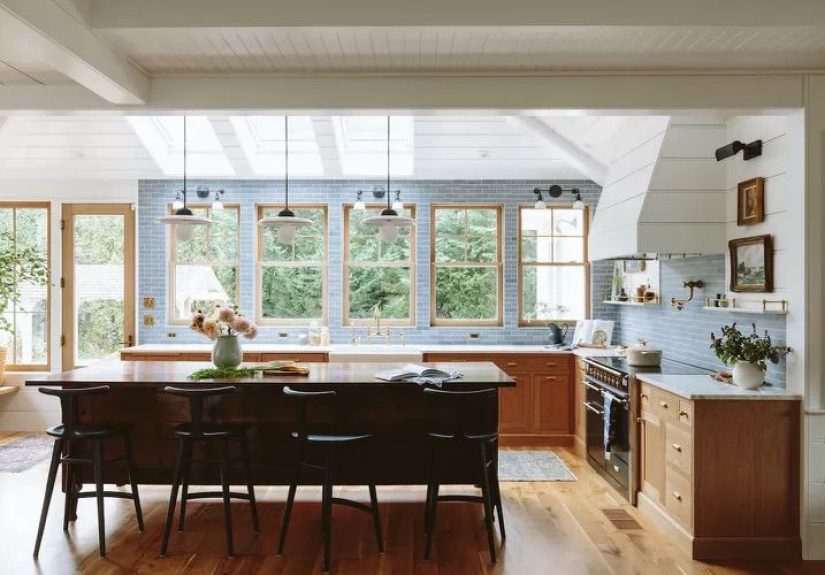
Pair under-cabinet lighting with pendants over an island or peninsula if your layout supports them. Pendants add style and give the kitchen that finished, magazine-ready look buyers love. Keep them scaled correctly and avoid fixtures so massive they dominate the entire room like jewelry having a breakdown.
How to make it feel high-end
Use warm, even light and hide the fixtures or strips as much as possible so the effect feels clean. Add dimmers so the kitchen can shift from bright prep mode to softer evening mode. That flexibility matters because today’s kitchens are not just workspaces. They are breakfast spots, homework zones, snack headquarters, and the place where everyone ends up during parties no matter how nicely you set up the living room.
3. Upgrade Bathroom Lighting With Better Vanity Fixtures and Dimmers
Why bathroom lighting affects value
Bathrooms are small, which means flaws stand out fast. Bad lighting can make a bathroom feel dated, shadowy, and less clean than it actually is. Good lighting, on the other hand, can make the room look brighter, fresher, and more expensive with surprisingly little effort.
This is one reason bathroom lighting upgrades are so effective before listing a home. Even if you are not doing a full remodel, updated vanity lights and better task lighting can transform the way the room is experienced.
What to upgrade
Start at the mirror. If you have a single harsh fixture throwing shadows down onto everyone’s face, replace it with a better vanity light or add side lighting where possible. The goal is balanced illumination that flatters the room and helps with daily tasks like shaving, applying makeup, or realizing at 8:12 a.m. that your haircut has developed opinions.
Then add a dimmer. This is a small change that makes the bathroom feel more flexible and more luxurious. Bright light is useful when you are getting ready. Soft light is far nicer at night. Buyers notice that kind of versatility because it feels intentional, and intentional design tends to read as value.
Style tips that help resale
Choose fixtures that coordinate with your faucets, mirror frame, and hardware. Matching everything exactly is not required, but visual harmony matters. A bathroom with polished chrome hardware and a random farmhouse lantern in oil-rubbed bronze can look less “designer mix” and more “online order placed during a nap.”
4. Install Exterior Lighting That Boosts Curb Appeal and Safety
Why outdoor lighting matters so much
Exterior lighting affects something buyers judge almost instantly: curb appeal. And curb appeal is not just a daylight issue. When your front door, walkway, porch, and landscaping disappear after sunset, the home feels less polished and less secure. Well-placed outdoor lighting fixes that fast.
Exterior lighting also improves the experience of arriving home. That matters emotionally for current owners and practically for buyers. A house that looks welcoming at night often feels more expensive because it appears more complete.
The most valuable outdoor lighting upgrades
Begin with the front entry. Upgraded sconces, carriage lights, or a hanging lantern can dramatically improve your home’s first impression. Then address pathway lighting so guests and buyers are not navigating the yard like they are in a suspense movie. Finally, consider landscape lighting to highlight trees, architectural details, or planting beds.
You do not need to turn your front yard into a resort. In fact, restraint usually looks more upscale. The best exterior lighting is balanced. It highlights key features, improves visibility, and creates a warm welcome without blasting the entire property like a sports complex.
Where homeowners go wrong
The biggest mistakes are glare, poor placement, and mismatched fixtures. Cheap solar lights lined up every 18 inches can make a walkway look cluttered instead of elegant. Security floodlights aimed directly into eyeballs are also not the romance buyers are hoping for. Aim for layered, subtle light that improves safety and visual appeal at the same time.
5. Add Recessed Lighting and Smart Controls in Key Living Areas
Why recessed lighting helps
Some rooms simply need better general illumination. Living rooms, family rooms, finished basements, hallways, and open-concept areas often benefit from recessed lighting because it distributes light more evenly and reduces reliance on a single central fixture. That can make a room look larger, cleaner, and more updated.
Recessed lighting is especially helpful in homes with low ceilings or awkward room layouts where bulky fixtures can feel intrusive. It creates a neat ceiling line and supports a more modern look without drawing attention away from other features.
Why controls matter too
The real magic happens when recessed lights are paired with dimmers, timers, or simple smart controls. Suddenly the room can shift from bright daytime function to soft evening comfort. Smart lighting can also help with energy management and convenience, which appeals to buyers who want a home that feels current without requiring an engineering degree to operate it.
If you are on a tight budget, even adding dimmer switches to existing living room, dining room, and bedroom fixtures can have an outsized effect. It makes the home feel more refined because the lighting can adapt to how people actually live.
Where to use it
Prioritize living areas that currently feel dim, uneven, or visually cluttered. Recessed lighting also works well in hallways and finished basements, where good brightness can make lower-value spaces feel far more usable. Just avoid over-lighting. A room should feel welcoming, not interrogational.
Common Lighting Mistakes That Can Hurt Instead of Help
Even good intentions can go sideways under bad bulbs. If you want your upgrades to support home value, steer clear of a few common mistakes.
First, avoid inconsistent color temperature. When one room glows warm, another looks icy blue, and the hallway lands somewhere in fluorescent purgatory, the house feels disjointed. Keep the lighting palette consistent from room to room.
Second, do not overdo trends. Highly specific designer fixtures can be gorgeous, but if they dominate the room or feel too personal, they may narrow buyer appeal. Classic usually sells better than chaotic.
Third, remember scale. A tiny fixture over a large dining table looks apologetic. An oversized chandelier in a small bedroom looks like it has plans to take over. Measure carefully and choose fixtures that suit the room.
Finally, do not ignore installation quality. Crooked sconces, exposed cords, visible LED tape, or sloppy trim work can cancel out the value of the upgrade. Lighting should feel integrated, not improvised.
What Homeowners Often Experience After These Upgrades
One of the most interesting things about lighting upgrades is how quickly people feel the difference, even before they can explain it. A homeowner might not walk into the kitchen and announce, “Ah yes, layered task lighting has improved both utility and visual hierarchy.” They usually say something much simpler: “This room feels so much better now.” That reaction is exactly why lighting changes can influence value so effectively.
After replacing old fixtures with warm LED lighting, many homeowners notice that the whole house feels cleaner and newer, even if they did not change anything else. Neutral paint looks richer. Wood floors show more depth. The entry feels less like a pass-through and more like a proper welcome. That emotional shift matters because buyers often make snap judgments within minutes of entering a home.
Kitchen upgrades tend to deliver the most immediate daily payoff. Under-cabinet lights make morning coffee easier, dinner prep less annoying, and late-night snack runs far more glamorous than they deserve to be. People also notice that the kitchen photographs better. Counters look brighter, shadows disappear, and the room appears more finished in listing photos, which is a huge advantage in online home shopping.
Bathroom lighting upgrades usually produce one very honest response: “Why didn’t we do this sooner?” Better vanity lighting helps with real-life routines, but it also makes the room feel more expensive. Even a modest bathroom can seem more updated when the mirror area is bright, flattering, and thoughtfully lit. Add a dimmer and the room suddenly has range, from weekday rush mode to quiet evening wind-down mode.
Outside, the experience shift is just as dramatic. Homeowners often say their property feels safer and more polished after adding entry and pathway lighting. The front of the house becomes visible in a way that feels warm rather than harsh. Guests can actually find the walkway. The porch becomes usable after dark. Landscaping gains depth. In practical terms, the home feels more complete.
Recessed lighting and smart controls bring a different kind of satisfaction. They make awkward spaces easier to use. Dark corners disappear. Basements stop feeling like backup storage for holiday decorations and start feeling like real living space. Dimmers, timers, and smart bulbs also create a sense of convenience that feels modern without being flashy. It is the kind of upgrade buyers appreciate because it improves daily life in subtle ways.
What all of these experiences have in common is this: good lighting changes how a home is perceived. It can make rooms feel larger, calmer, newer, and more functional almost immediately. That does not mean every lighting project returns the same dollar amount. Real estate is still local, buyers are still human, and no pendant light can solve a bad floor plan. But when homeowners talk about finally loving how their home looks at night, feeling proud of listing photos, or hearing buyers compliment the warmth of the space, that is where lighting’s value becomes very real.
Conclusion
If you want a home upgrade that is practical, relatively approachable, and visually dramatic, lighting is tough to beat. The right updates can make your home look newer, brighter, and more expensive without requiring a full renovation. Better fixtures modernize visible spaces. Layered kitchen lighting improves function and style. Bathroom vanity lights create a cleaner, more polished look. Exterior lighting boosts curb appeal and security. Recessed lights, dimmers, and smart controls help the whole house feel more refined.
The key is to think beyond brightness alone. Valuable lighting upgrades improve how a home works, how it looks, and how it feels. That emotional layer is what often helps buyers connect with a property. And once buyers feel at home, they are more likely to see your home as worth the price.
So no, lighting cannot fix every design sin. But if your house is solid and just needs a sharper presentation, upgrading the lighting may be the closest thing to flipping on equity with a switch.