Table of Contents >> Show >> Hide
- Can You Really Clear Your Skin Overnight?
- How to Clear Your Skin Overnight: 14 Steps
- 1. Start With Clean Hands
- 2. Remove Makeup Completely
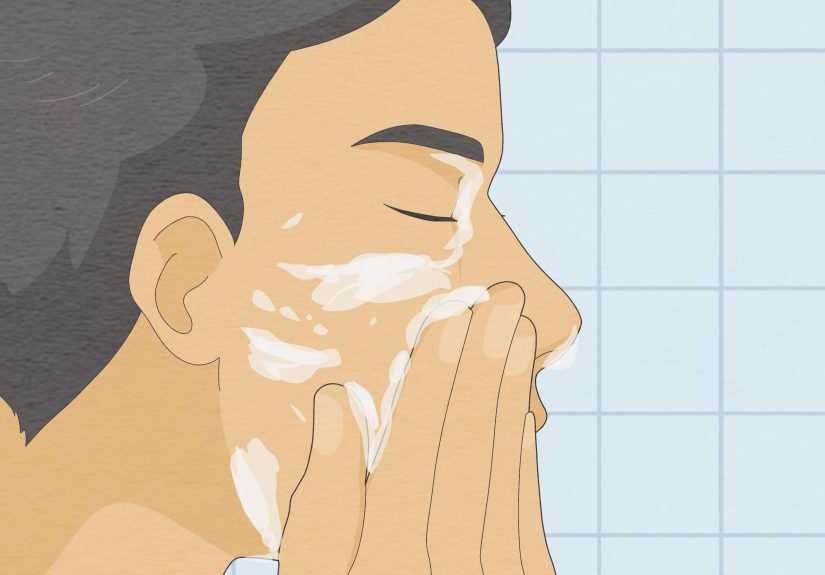
- 3. Wash With a Gentle Cleanser
- 4. Pat DryDo Not Rub
- 5. Use a Warm Compress for Deep, Sore Pimples
- 6. Apply Ice for Red, Swollen Spots
- 7. Choose One Acne Spot Treatment
- 8. Try a Hydrocolloid Pimple Patch
- 9. Moisturize, Even If You Have Oily Skin
- 10. Skip Harsh DIY Remedies
- 11. Do Not Pick, Pop, or Squeeze
- 12. Change Your Pillowcase
- 13. Sleep Like Your Skin Depends on It
- 14. Use Sunscreen the Next Morning
- Overnight Skin-Clearing Routine Example
- What Not to Do Before Bed
- When to See a Dermatologist
- Real-Life Experiences: What Actually Helps Overnight
- Conclusion
Let’s be honest: when a breakout appears the night before a big day, it does not arrive politely. It storms in like an uninvited guest, sets up camp on your chin, and somehow knows exactly when photos will be taken. The good news? While you usually cannot completely clear acne overnight, you can calm redness, reduce swelling, minimize oiliness, protect your skin barrier, and wake up looking noticeably fresher.
This guide gives you a realistic overnight skin-clearing routine built around dermatologist-supported habits: gentle cleansing, smart spot treatment, hydration, clean pillowcases, no picking, and a little emergency strategy. Think of it as a rescue mission for your facenot a magic wand, but definitely a very useful flashlight.
The main keyword here is how to clear your skin overnight, but the real goal is healthier skin that looks calmer by morning and keeps improving over time. Ready? Put down the magnifying mirror. We’re going in.
Can You Really Clear Your Skin Overnight?
The honest answer is: partially. A pimple is inflammation inside a pore, and inflammation does not usually disappear in eight hours just because you asked nicely. However, an overnight routine can make a breakout look smaller, flatter, less red, and less angry. If your skin is dull, greasy, irritated, or congested, one thoughtful night of care can also make your complexion appear smoother and more balanced.
What you should not do is attack your face with every product in the bathroom. Scrubbing, squeezing, toothpaste, lemon juice, rubbing alcohol, and random “miracle hacks” can damage the skin barrier and make breakouts worse. The best overnight skin routine is gentle, targeted, and boring in the most beautiful way possible.
How to Clear Your Skin Overnight: 14 Steps
1. Start With Clean Hands
Before touching your face, wash your hands with soap and water. This sounds basic, but basic is often what saves your skin from chaos. Your hands collect oil, bacteria, dust, food residue, phone germs, and whatever mysterious substance lives on elevator buttons. Applying skin care with dirty hands is like cleaning your kitchen with a muddy sponge.
Use warm water, wash for at least 20 seconds, and dry with a clean towel. This step prepares your skin for the rest of the overnight routine and helps reduce the chance of transferring grime into already irritated pores.
2. Remove Makeup Completely
If you wear makeup, sunscreen, or tinted moisturizer, remove it before cleansing. Sleeping in makeup can trap oil, sweat, and debris against your skin. Even “just a little concealer” can become a pore-clogging blanket overnight.
Use a gentle micellar water, cleansing balm, or oil-free makeup remover. Avoid rough rubbing, especially around inflamed pimples. Press, glide, and be patient. Your skin is not a dirty pan; it does not need aggressive scrubbing.
3. Wash With a Gentle Cleanser
Use a mild, non-drying cleanser and lukewarm water. Cleansing helps remove excess oil, sweat, sunscreen, and environmental buildup. If your skin is acne-prone and not too sensitive, a cleanser with salicylic acid or benzoyl peroxide may help, but do not use multiple strong acne products all at once.
Massage the cleanser with your fingertips for about 30 to 60 seconds. Skip washcloths, gritty scrubs, and cleansing brushes during a breakout emergency. They may feel satisfying, but irritation can make redness worse by morning.
4. Pat DryDo Not Rub
After cleansing, gently pat your face dry with a clean towel. Rubbing can irritate pimples, worsen redness, and disturb the skin barrier. If your towel has been hanging in the bathroom for a week living its best humid life, please give it the night off and grab a fresh one.
This small habit matters because acne-prone skin often becomes more inflamed when treated roughly. The overnight goal is calm, not combat.
5. Use a Warm Compress for Deep, Sore Pimples
If you have a painful bump under the skin, apply a warm compress for 10 to 15 minutes. Use a clean cloth soaked in warmnot hotwater. The warmth may help soothe discomfort and soften the area. It will not instantly erase a cystic pimple, but it can make the spot feel less tense.
Do not press hard or try to force anything out. Deep pimples are especially likely to become more inflamed if squeezed. If you regularly get painful cystic acne, a dermatologist can offer treatments that work faster and more safely than at-home squeezing adventures.
6. Apply Ice for Red, Swollen Spots
For a red, swollen pimple, ice can temporarily reduce puffiness and calm the appearance of inflammation. Wrap an ice cube in a thin clean cloth and hold it on the spot for 30 to 60 seconds at a time. Take breaks between applications.
Never place ice directly on bare skin for a long time. The goal is to calm the pimple, not give your face a tiny winter injury. Ice works best as a short-term appearance trick before bed or before applying a spot treatment.
7. Choose One Acne Spot Treatment
Now it is time for targeted treatment. The key word is one. More products do not always mean faster results. In fact, stacking benzoyl peroxide, salicylic acid, retinoids, exfoliating acids, and sulfur in one night can lead to dryness, peeling, burning, and a breakout that looks even more dramatic.
For a whitehead or inflamed pimple, a small amount of benzoyl peroxide may help reduce acne-causing bacteria and inflammation. For clogged pores and blackheads, salicylic acid can help loosen dead skin cells and oil inside pores. For long-term acne prevention, adapalene and other retinoids can be effective, but they usually take consistent use over weeksnot one heroic night.
Apply the treatment only as directed. If you are new to an ingredient, patch test first and start with a lower strength. Your face is not a science fair project, even if your bathroom counter suggests otherwise.
8. Try a Hydrocolloid Pimple Patch
A hydrocolloid patch can be helpful for a surface-level whitehead or a pimple that has already opened. It absorbs fluid, protects the spot from bacteria, andperhaps most importantlykeeps your fingers away. Half of skin care is product choice; the other half is not poking your face every 12 seconds.
Apply the patch to clean, dry skin. Do not put heavy creams or oils under it because the patch may not stick. Leave it on overnight, then remove it gently in the morning. A patch will not pull out a deep cyst, but it can make certain pimples look flatter by sunrise.
9. Moisturize, Even If You Have Oily Skin
Many people with acne skip moisturizer because they fear it will make them greasy. Unfortunately, dehydrated skin can become irritated and may even feel oilier as the night goes on. A lightweight, non-comedogenic moisturizer helps support the skin barrier, especially when using acne treatments.
Look for words like “oil-free,” “non-comedogenic,” “fragrance-free,” or “won’t clog pores.” Apply a thin layer over the face, avoiding heavy, pore-clogging products. Healthy skin is better at recovering from breakouts, and moisturizer is the quiet friend doing the real work behind the scenes.
10. Skip Harsh DIY Remedies
Toothpaste, lemon juice, baking soda, hydrogen peroxide, and rubbing alcohol are popular internet suggestions for “clear skin overnight,” but popularity is not the same as wisdom. These ingredients can irritate skin, disrupt pH balance, cause dryness, and leave you with redness that is harder to hide than the original pimple.
If a home remedy sounds like it belongs in a cleaning cabinet, a salad dressing, or a middle school prank, do not put it on your face. Stick with ingredients designed for skin.
11. Do Not Pick, Pop, or Squeeze
This is the step everyone knows and almost everyone tries to negotiate with. Do not pick. Do not pop. Do not squeeze “just a little.” Picking can push inflammation deeper, increase swelling, spread bacteria, cause scabs, and raise the risk of dark marks or scars.
If temptation is strong, use a pimple patch, turn off the harsh bathroom light, and step away from the mirror. No one has ever calmly said, “I’m so glad I performed emergency surgery on my chin at midnight.”
12. Change Your Pillowcase
Your pillowcase collects oil, sweat, hair products, skin-care residue, and laundry fragrance. Pressing your face into that mixture for seven hours is not ideal when you are trying to wake up with clearer skin.
Use a clean pillowcase before bed, especially during breakouts. If your hair is oily or full of styling products, tie it back loosely so it does not rub against your cheeks and forehead. This simple step is one of the easiest overnight skin-clearing habits to maintain.
13. Sleep Like Your Skin Depends on It
Sleep will not erase acne overnight, but poor sleep can affect stress, inflammation, and healing. Aim for a full night of rest. Keep the room cool, avoid late-night doom scrolling, and try not to inspect your skin under bright light right before bed. That little ritual rarely ends in peace.
Good sleep supports skin repair and helps you wake up looking less puffy and more refreshed. Clear skin is not just what you apply; it is also how your body recovers.
14. Use Sunscreen the Next Morning
The morning after your overnight routine, wash gently and apply a broad-spectrum sunscreen. Some acne treatments can make skin more sensitive to sunlight, and sun exposure can darken post-acne marks. Choose a non-comedogenic sunscreen that works for your skin type.
If you need makeup, use clean brushes or sponges and choose non-comedogenic formulas. A green-tinted corrector can help neutralize redness, while a small amount of concealer can cover what treatment has not yet fixed. Skin care handles the long game; makeup can handle the press conference.
Overnight Skin-Clearing Routine Example
Here is a simple routine you can follow when you need your skin to look calmer by morning:
- Wash your hands.
- Remove makeup and sunscreen.
- Cleanse with a gentle cleanser.
- Pat dry with a clean towel.
- Use a warm compress on deep soreness or brief ice on swelling.
- Apply one spot treatment or a hydrocolloid patch.
- Use a lightweight non-comedogenic moisturizer.
- Change your pillowcase.
- Sleep as much as possible.
- Cleanse gently and apply sunscreen in the morning.
What Not to Do Before Bed
If your goal is to clear skin overnight, avoid the panic routine. Do not scrub your face three times. Do not use a peel, retinoid, benzoyl peroxide, and exfoliating toner in the same evening unless a dermatologist specifically told you to. Do not apply toothpaste. Do not sleep in makeup. Do not pop pimples with “sterilized” fingernails. Fingernails are not medical tools; they are tiny chaos shovels.
Also avoid using expired products or acne products that have been stored in hot conditions. Heat and old formulas can affect product quality. When in doubt, replace questionable products and follow storage instructions on the label.
When to See a Dermatologist
At-home care can help mild breakouts, but professional help is worth it if acne is painful, cystic, scarring, spreading, or affecting your confidence. You should also see a dermatologist if over-the-counter products have not helped after several weeks of consistent use.
Dermatologists can prescribe topical medications, oral medications, hormonal treatments, or in-office procedures depending on the type and severity of acne. If you have a huge painful pimple before an important event, a dermatologist may be able to reduce inflammation quickly with professional treatment. That is much safer than trying to defeat it with bathroom-counter bravery.
Real-Life Experiences: What Actually Helps Overnight
Most people who search for how to clear your skin overnight are not expecting a medical lecture; they are staring at a breakout and thinking, “Why now?” The best overnight results usually come from calming the skin rather than trying to force it into perfection.
One common experience is the “I used too many products” disaster. Someone notices two pimples, panics, and layers a foaming acne wash, toner, exfoliating serum, clay mask, spot treatment, retinol, and drying lotion. By morning, the pimples are still there, but now the surrounding skin is red, flaky, tight, and impossible to cover smoothly with makeup. The lesson is simple: irritation can make acne look worse. A calm routine beats a crowded routine.
Another experience involves the power of a clean pillowcase. It sounds almost too easy, but people with cheek and jawline breakouts often notice fewer surprise bumps when they change pillowcases more often, keep hair products away from the face, and stop sleeping with their phone pressed against their skin. No, your pillowcase is not plotting against you. But it can hold oil, sweat, and residue that your pores do not appreciate.
Then there is the pimple patch success story. A person puts a hydrocolloid patch on a whitehead before bed and wakes up to a flatter, less noticeable spot. The patch did not “suck out the entire pimple universe,” but it protected the area and reduced the urge to pick. For many people, that is the real win. The patch is basically a tiny security guard wearing clear pajamas.
People with sensitive skin often learn that less is more. A gentle cleanser, moisturizer, and one carefully chosen treatment may work better than strong products used aggressively. If your skin burns, stings, or peels every time you try to treat acne, your barrier may need support. In that case, a few nights of gentle care can make your skin look clearer simply because it is less inflamed.
For oily skin, the overnight breakthrough is often hydration. Many people avoid moisturizer because they think oil-free means product-free. But when the skin is dehydrated, it can feel tight and greasy at the same time, which is deeply unfair but very real. A light non-comedogenic moisturizer can make the face look smoother in the morning and help acne treatments feel less harsh.
Finally, the biggest experience-based lesson is that overnight care is a rescue plan, not a full acne strategy. The routine above can help you look better tomorrow, but clearer skin usually comes from consistency: gentle cleansing, targeted treatment, moisturizer, sunscreen, clean habits, and patience. Skin likes routines. It does not enjoy surprise attacks.
Conclusion
Learning how to clear your skin overnight is really about learning how to calm your skin overnight. You may not erase every pimple by morning, but you can reduce redness, swelling, oiliness, and irritation with the right steps. Cleanse gently, use one targeted treatment, moisturize, avoid picking, change your pillowcase, and protect your skin the next day with sunscreen.
The secret is not a mysterious kitchen ingredient or a viral trick involving toothpaste and regret. It is a calm, consistent routine that respects your skin barrier. Treat your face like it belongs to someone you like. By morning, it just might return the favor.
Note: This article is educational and does not replace medical advice. For painful, cystic, scarring, or persistent acne, consult a board-certified dermatologist or qualified health care professional.